Hip Adduction Lying On The Back With The Help Of A Ball
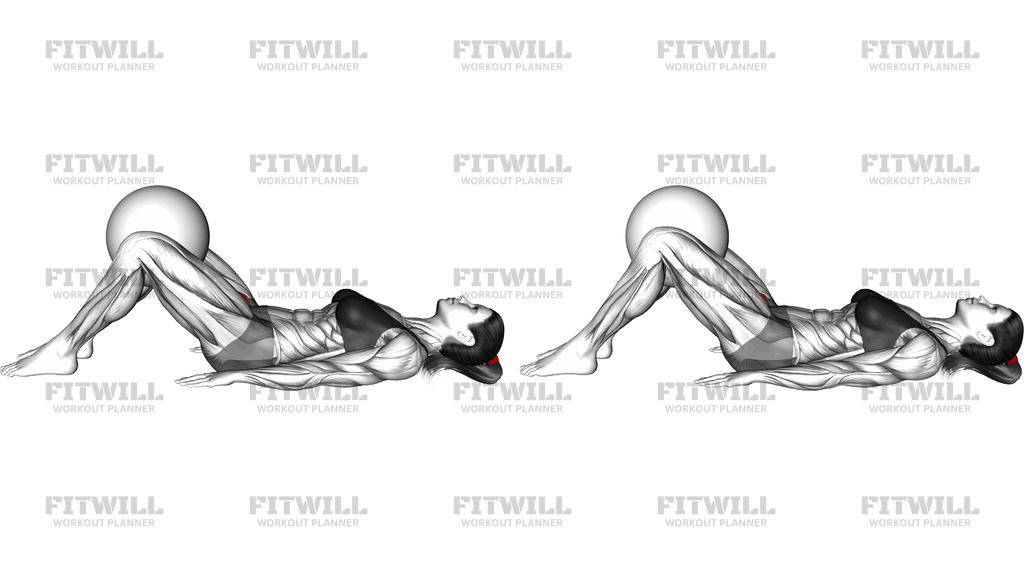
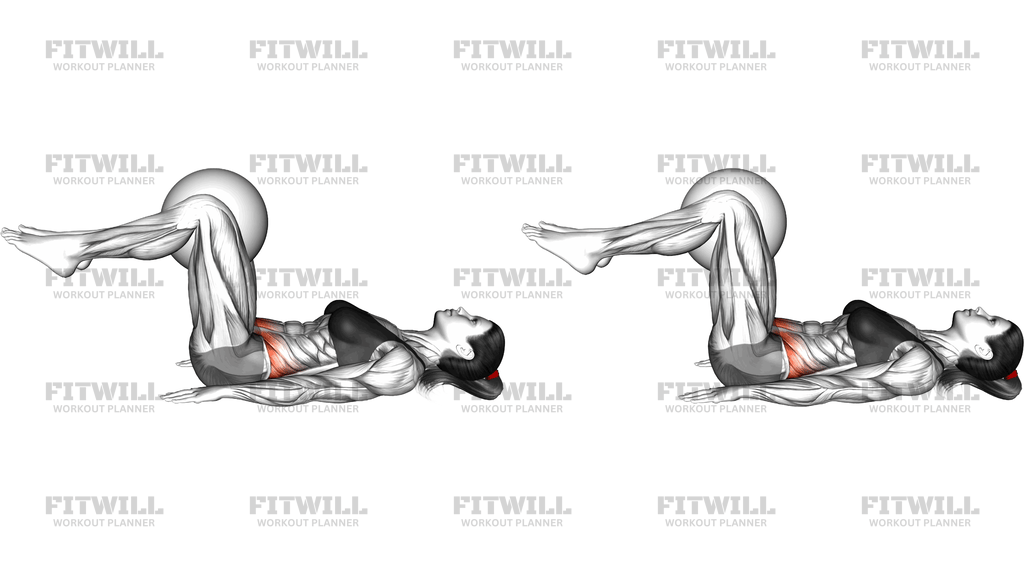
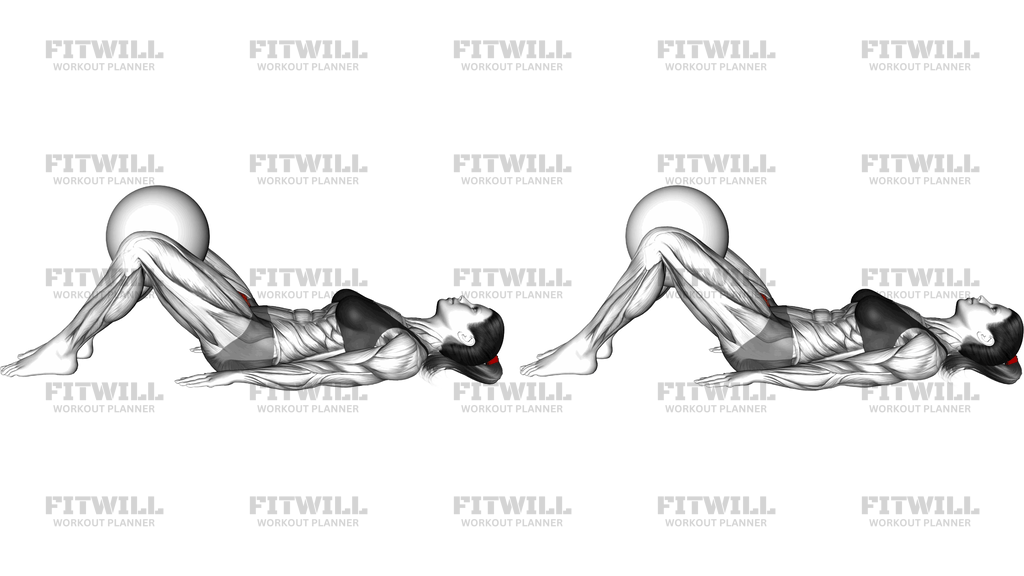
Hip adduction lying on the back with the help of a ball is a simple but precise exercise for the inner thighs, performed lying flat on the back with a stability ball held between the feet or lower legs. Instead of moving a weight through space, you squeeze the ball inward, so the resistance comes from the gentle pressure the ball pushes back with. The focus of the movement is hip adduction: bringing the legs toward the midline of the body against that soft resistance.
This version is especially useful because lying on the back removes gravity and standing balance from the equation. The spine is fully supported on the floor, which makes it a good starting point for beginners, for people recovering from inner thigh or groin strains who need low-load work, and for anyone whose hips feel unstable during standing adduction drills. Pilates-style programs use this exact pattern frequently to teach the deep core and inner thighs to work together.
The primary muscles at work are the adductors on the inside of the thigh, particularly the adductor longus and adductor magnus, with support from the gracilis and pectineus. Because you hold a stable, braced position while squeezing, the transverse abdominis and other deep core muscles also remain quietly engaged, and the glutes help keep the pelvis from tilting as you press.
Setup matters more than it seems. The ball should rest between the soles of the feet or between the inner ankles and calves, with the legs extended straight along the floor. If the ball sits too high, near the knees, the squeeze shifts toward the quadriceps; if it slips too low, the ankles take over and the range feels awkward. A mid-size stability ball lightly pressed between the feet keeps the line of pull right at the hip joint.
To perform it well, exhale and squeeze the ball steadily for two to three seconds, feeling the contraction along the inner thigh from groin toward knee, then slowly release over the next two to three seconds without letting the legs fall open. The tempo is the whole exercise; bouncing or quick pulses defeat the purpose. Keep the kneecaps facing the ceiling and the lower back gently settled toward the floor.
In practice, this exercise fits well as activation in the warm-up before squats or lunges, as a finishing pump after leg day, or as a standalone drill for hip health on recovery days. Because the load is self-regulated, you can make it as gentle or as firm as you want simply by how hard you squeeze the ball.
[ Dnevnik i planer treninga ]
Isplaniraj sljedeći trening u Fitwillu
Plan i dnevnik treninga imaj pri ruci kad poželiš početi.


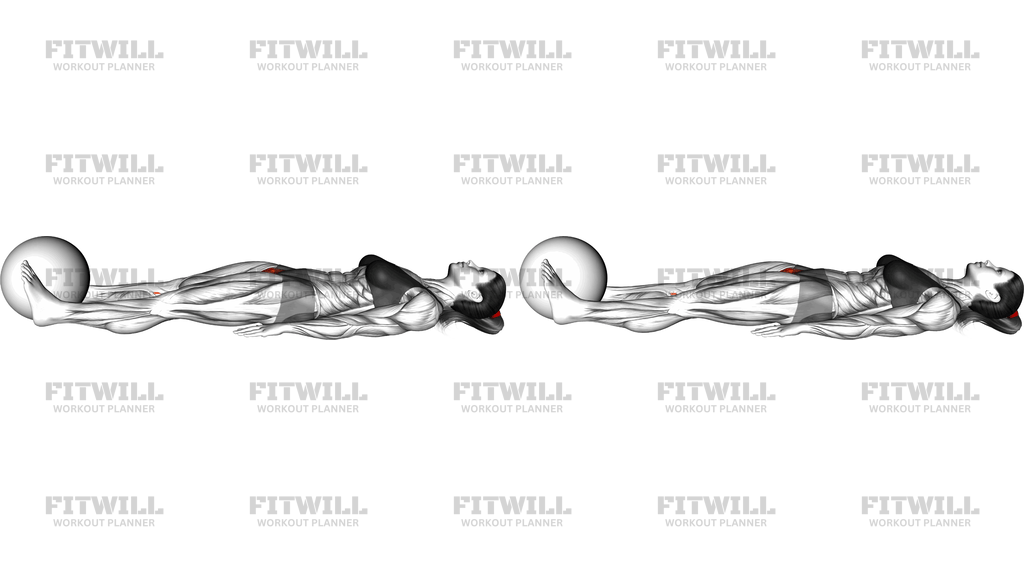
Upute za izvođenje
- Lie flat on your back on an exercise mat with your legs extended straight and your arms resting at your sides, palms down.
- Place a stability ball between your feet so it touches the soles and inner ankles, and lightly hold it in place before starting.
- Point your kneecaps toward the ceiling and gently draw your lower back toward the floor to set a neutral, supported spine.
- Inhale to prepare, keeping your shoulders relaxed and your neck long against the mat.
- Exhale and squeeze the ball inward by drawing both legs toward each other, feeling the inner thighs contract along their full length.
- Hold the peak squeeze for two to three seconds without lifting your hips or letting the lower back arch.
- Inhale and slowly release the pressure over two to three seconds, stopping just before the ball would slip away from your feet.
- Keep the movement continuous and quiet; the ball should not bounce or shift position between repetitions.
- Complete your target repetitions, then bend your knees, slide the ball out from between the feet, and rest before the next set.
Savjeti za vježbanje
- If your feet slide off the ball, squeeze through the inner ankles and calves rather than just the toes, and consider a slightly deflated ball for more grip surface.
- A common mistake is clenching the quadriceps and turning the drill into a leg press; check that the tension you feel runs along the groin and inner thigh, not the front of the thigh.
- Keep your hips glued to the mat. If you feel them lifting or tilting as you squeeze, reduce the intensity rather than letting the pelvis roll.
- Do not hold your breath; the exhale during the squeeze naturally helps the deep core stabilize the pelvis.
- Do not let your legs snap open during the release. The lowering phase of the squeeze builds just as much control as the contraction itself.
- If you feel tension in your lower back, place your hands flat on the floor beside you and press lightly, or bend your knees slightly to shorten the lever.
- Rushing through fast repetitions does little here; this exercise responds to long, deliberate squeezes and full releases.
- A stability ball that is too large forces the legs into an awkward spread before you even begin; choose a size that lets your feet rest on it comfortably with legs nearly straight.
Često postavljana pitanja
Which muscles does hip adduction lying on the back with the help of a ball work?
The primary muscles are the hip adductors on the inside of the thigh, mainly the adductor longus and adductor magnus. The deep core and glutes assist by keeping the pelvis stable while you squeeze.
Why squeeze a stability ball instead of using a cable or machine for adduction?
The ball provides soft, self-regulated resistance and requires no setup or balance, making it ideal for beginners and for gentle activation work. You control the load entirely by how firmly you squeeze.
Where exactly should the ball be during this exercise?
It should rest between the soles of the feet and inner ankles with the legs extended. Placing it near the knees shifts the work to the quadriceps and reduces the adductor focus.
Is hip adduction lying on the back with the help of a ball suitable for beginners?
Yes. The supine position fully supports the spine and the resistance is self-controlled, so most people can safely learn the movement on their first try with light squeezes.
How many repetitions and sets should I do?
Start with two to three sets of 10 to 15 slow squeezes, holding each for two to three seconds. Because the exercise is low load, higher rep ranges with a controlled tempo work better than heavy effort.
What is the most common mistake in this exercise?
Rushing the squeezes and letting the lower back arch or the hips lift. Both happen when people try to press too hard; slow the tempo down and ease off the pressure until the pelvis stays quiet.
Can I use a medicine ball instead of a stability ball?
A smaller, slightly yielding medicine ball or a soft Pilates ball can work, but a firm small ball gives the feet less contact area and can slip. A stability ball or a soft Pilates ball is the better match for this position.
Should my knees be bent or straight during the movement?
Straight legs are the standard position and put the line of pull directly on the adductors. If you feel discomfort in your lower back with straight legs, a slight knee bend shortens the lever without removing the inner thigh work.
Is this exercise safe after a groin strain?
Gentle isometric squeezing like this is often used in early-stage groin rehabilitation, but you should get clearance from a healthcare professional first and stay well below any pain threshold.