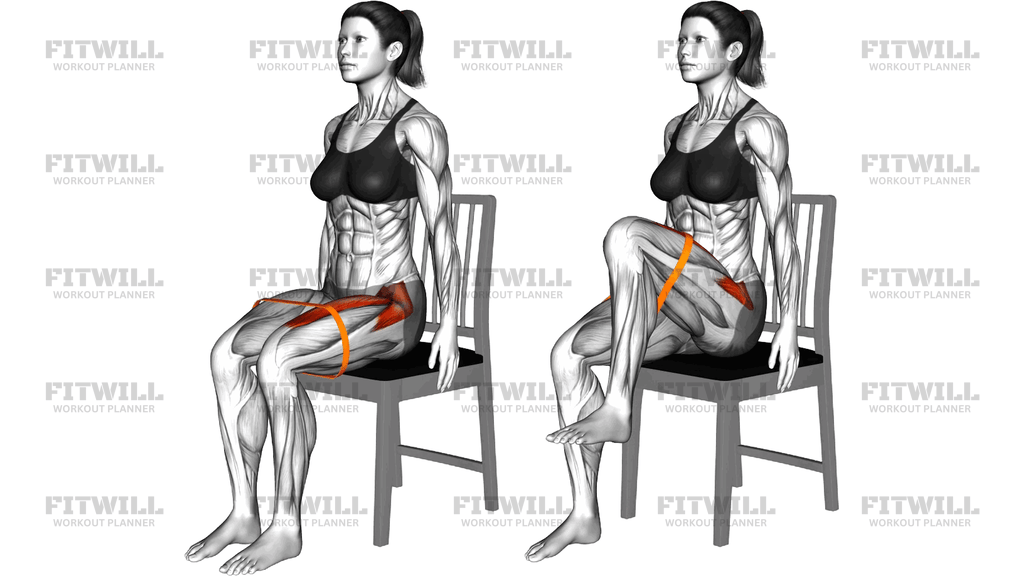
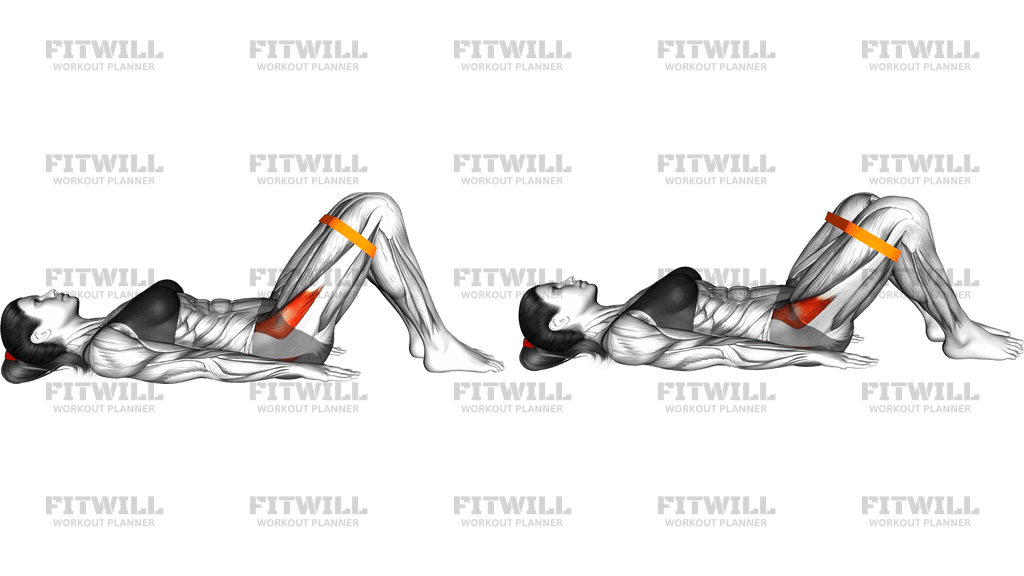
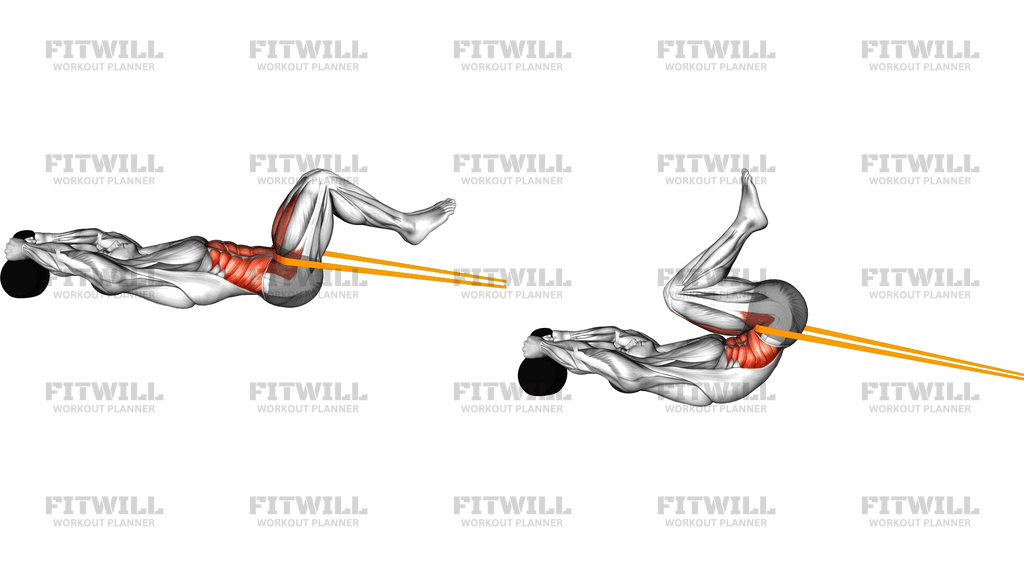
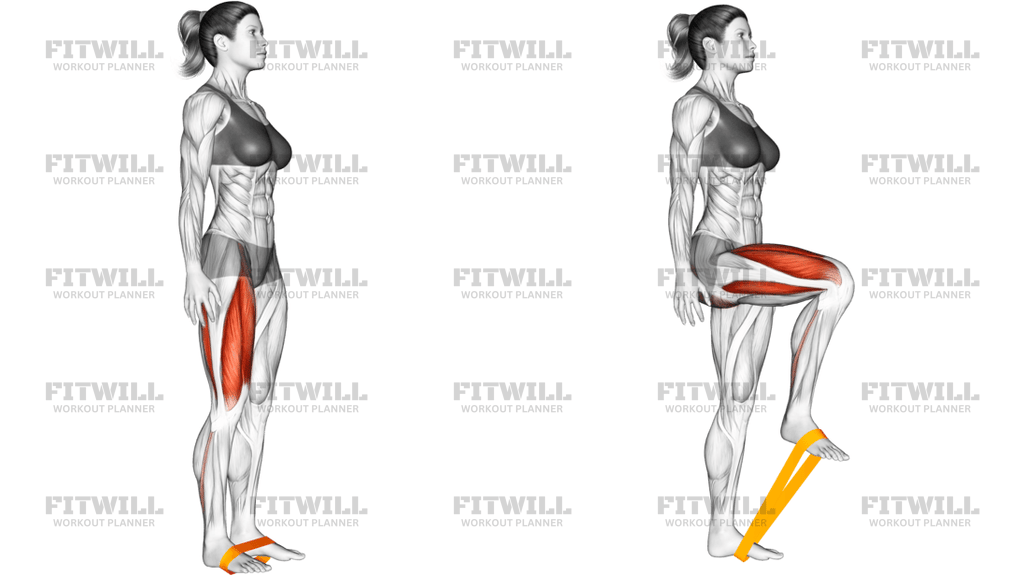
Hug Of Seated Single-leg Knee With Resistance Band
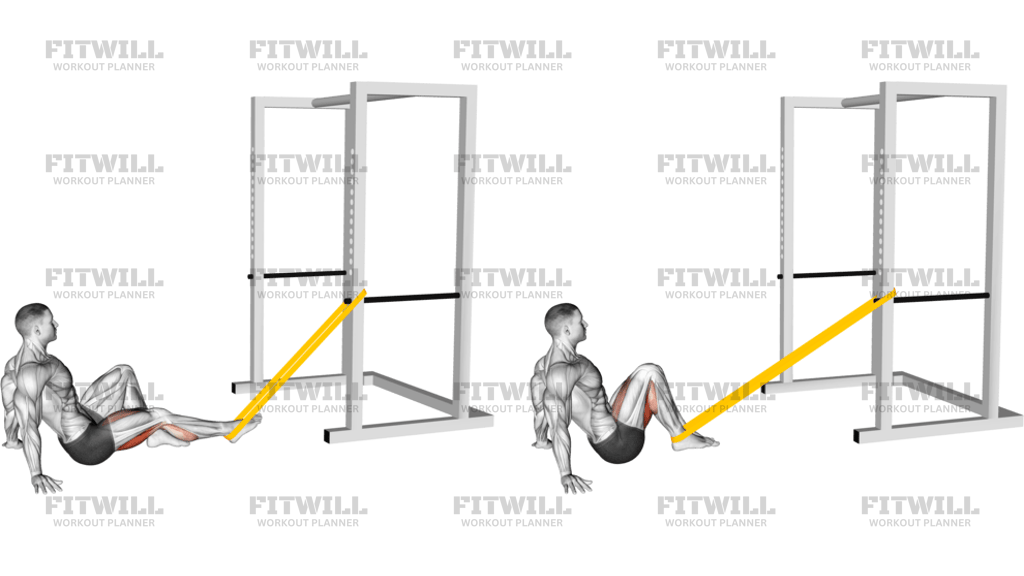
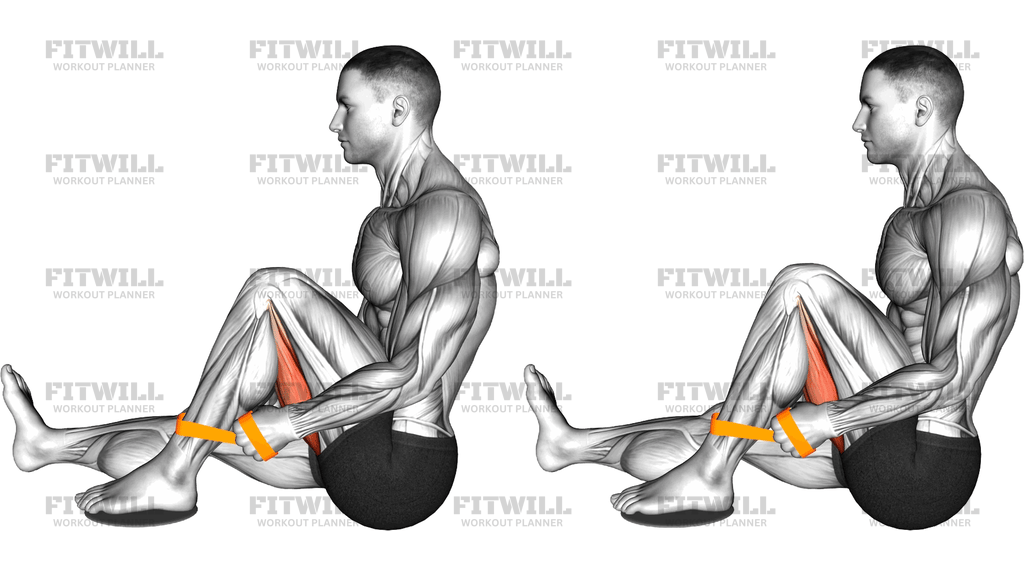
The hug of seated single-leg knee with resistance band is a seated hip flexion exercise in which you wrap an elastic band around one ankle, hold it in both hands, and pull that knee toward your chest while the opposite leg stays extended on the floor. The band anchors your ankle and pulls it back toward a straight position, so your hip has to work against the tension the entire time you bring the thigh in. It looks simple, but the seated position forces the hip flexors to do the movement without any momentum from a step or a swing.
This exercise is particularly useful for anyone who spends long hours sitting, since prolonged sitting tends to leave the hip flexors in a shortened, underactive state. Runners, cyclists, and lifters who want a stronger knee drive for sprinting, hiking, or climbing stairs will also benefit greatly, because it trains exactly the hip flexion pattern those activities demand. Since one leg works at a time, it quickly reveals a left-right difference in strength or hip range that you would never notice when working both legs together.
The primary work comes from the hip flexors at the front of the hip, with the adductors on the inner thigh assisting as the knee travels toward the torso. Your lower abs and deep core remain engaged throughout the entire set, keeping the pelvis stable while the hip moves beneath it. The extended leg acts as a brace: keeping its thigh and heel in contact with the floor prevents your pelvis from tilting backward and stealing range from the working hip.
Setup matters more here than in most band exercises. The band should sit around the instep or ankle of the bending leg, not the toes, and your hands should hold it with enough length that clear tension exists before the knee even starts to move. Sit tall on your sit bones with the chest lifted; if you slump backward, the band simply drags your torso toward your knee instead of your knee toward your torso, and the hip stops doing the work. Keep the tension in your hands steady as you pull the knee in, pause briefly at the top, and let the knee travel back out slowly rather than letting the band snap the leg back.
Practically, this exercise works well as an activation warm-up before squats, lunges, or running, or as focused strength work in sets of 8 to 15 controlled reps per side. Move within a range where your lower back stays neutral, and expect the side with tighter hips or weaker hip flexors to feel very different from the other. If the straight leg keeps lifting off the floor, shorten the range or place a small pad under that heel until your hip mobility improves.
[ Carnet et planificateur d’entraînement ]
Préparez votre prochaine séance dans Fitwill
Votre programme et votre carnet d’entraînement à portée de main.


Instructions
- Sit on the floor with your left leg extended straight in front of you and the foot relaxed; sit up tall on your sit bones so your spine is neutral.
- Wrap an elastic band around the instep or ankle of your right leg, then bend that knee and bring the foot close to your body.
- Hold the band firmly in both hands and extend your arms so the band pulls your right ankle slightly away from your torso, creating steady tension before the rep begins.
- Engage your abdominal muscles, keep your chest lifted, and let your shoulders drop away from your ears.
- Exhale and pull your right knee toward your chest, driving the thigh toward your torso while your hands keep the band taut against the ankle.
- Pause briefly at the top with the knee as close to your chest as your hip comfortably allows.
- Inhale and slowly let the knee travel back out over 2 to 3 seconds, keeping both hands gripping the band so the tension never disappears.
- Keep the thigh and heel of the extended left leg in contact with the floor throughout the entire set to anchor your pelvis.
- Complete all reps on the right side, then switch: band around the left ankle, right leg extended, and repeat.
Conseils et astuces
- If your lower back rounds as the knee comes in, you are pulling beyond your available hip range; stop the rep where your spine is still neutral and build range over the weeks.
- The band should wrap around the instep or ankle, not the toes — on the toes it can slip off mid-rep and changes the pull direction on the ankle.
- Your hands anchor the band; they should not yank it toward you. If your arms are doing the pulling, the tension is too heavy or your grip is too short.
- If the straight leg lifts off the floor, that usually points to tightness in the extended hip or a pelvis tilting backward — reduce your range or rest that heel on a small pad.
- Keep your foot relaxed rather than pointing the toes; pointing can look like extra range but it simply rotates the hip and takes load off the hip flexors.
- Avoid shrugging as you pull the knee in — if your shoulders creep up, take a bit of slack out of the band before the rep instead of fighting it with your arms.
- The slow return is where a lot of the strength work happens; letting the band snap the leg back turns this into a range-of-motion drill only.
- If the band feels too easy, shorten your grip so tension is present from the very start of the knee lift rather than only at the top.
- Expect one side to move better than the other; match reps to the weaker side rather than letting the strong side set the standard.
Questions fréquemment posées
What muscles does the hug of seated single-leg knee with resistance band train?
The primary work comes from the hip flexors at the front of the hip, including the iliopsoas and rectus femoris. The adductors on the inner thigh assist as the knee travels toward the torso, while the lower abs stabilize the pelvis throughout.
Why does the opposite leg have to stay straight on the floor?
The extended leg anchors your pelvis so the working hip can move through its full range. When that leg lifts, your pelvis is tilting backward and the hip is no longer doing the flexion.
Is the hug of seated single-leg knee with resistance band suitable for beginners?
Yes. The floor position is stable and the load is easy to adjust simply by holding the band shorter or longer. Beginners should start with light tension and a range where the lower back stays neutral.
Where exactly should the resistance band be placed?
Wrap it around the instep or ankle of the bending leg, with the band passing over the top of the foot. This keeps it from slipping and directs the pull along the leg so the hip flexors resist it directly.
Why does my lower back round when I hug the knee?
That usually means the knee is traveling beyond your available hip range, so your spine curls to finish the movement. Pull the knee in only as far as you can keep sitting tall, and expect the range to improve over time.
How is this different from a bodyweight seated knee hug?
The band pulls your ankle back toward a straight leg for the entire rep, so your hip flexors work against resistance instead of just moving the weight of the leg. It also lets you load the movement progressively without adding external weight.
How many reps and sets should I do?
Two to three sets of 8 to 15 controlled reps per side works well, either as pre-workout activation or as focused hip flexor strength work. Rest briefly between sides so each leg gets a genuine set.
What can I substitute if I don't have a resistance band?
A bodyweight seated knee hug trains the same pattern with less load, and a standing band knee drive or low-pulley hip flexion covers similar ground. The seated band version remains the best option when you want stability plus resistance.
My hip pinches at the top of the knee hug — should I push through it?
No. A pinch at the front of the hip is a signal to reduce the range or ease off the tension, not to force the knee closer to the chest. If the pinching keeps happening, have a qualified professional assess the hip before continuing.
Should I also feel this in my inner thigh?
Some inner thigh involvement is normal, since the adductors assist as the knee draws toward the torso. If the inner thigh dominates and the front of the hip feels nothing, check that the band is anchored and that your knee is tracking toward your same-side shoulder rather than across your body.