Cable Incline Close-Grip Curl
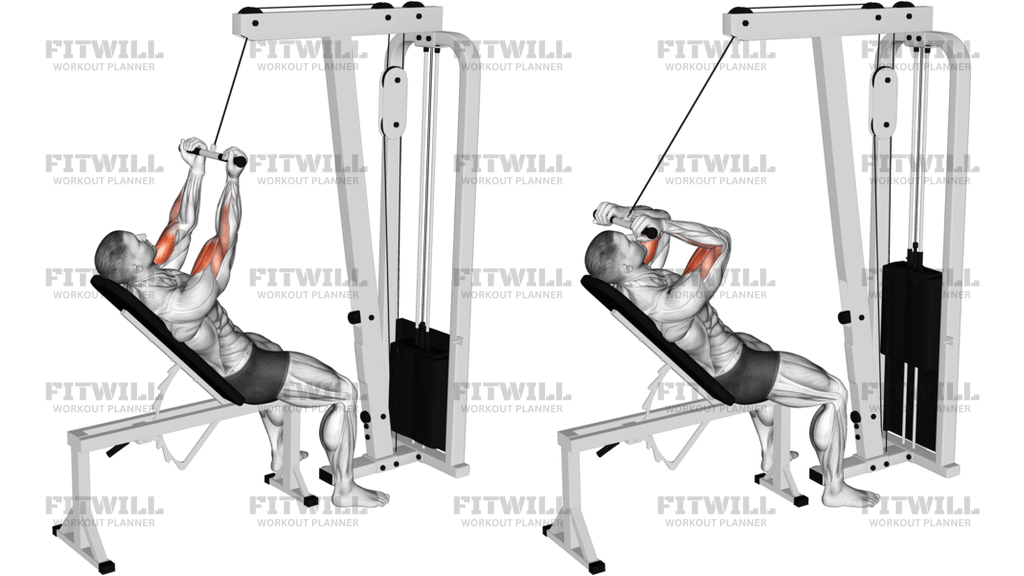
Cable Incline Close-Grip Curl is a cable-based biceps exercise performed while leaning back on an incline bench. The bench angle and the high cable line keep the arm under tension for the full rep, especially when you start with the elbows extended and the hands slightly above the face. The close grip changes the feel of the curl, making it easier to keep both arms working in the same path and harder to cheat with a wide elbow flare.
This movement is most useful when you want constant cable resistance and a strong stretch through the front of the upper arm. The incline position places the shoulder behind the torso, which usually increases the demand on the long head of the biceps while still recruiting the brachialis, brachioradialis, and forearm grip. If you keep the shoulders pinned back and the ribs quiet, the curl stays on the arms instead of turning into a full-body heave.
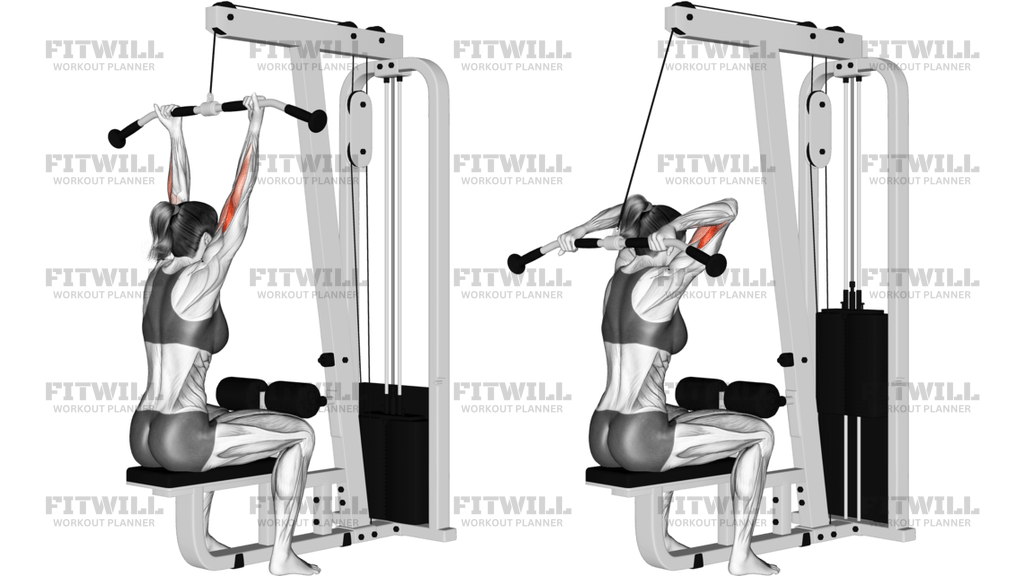
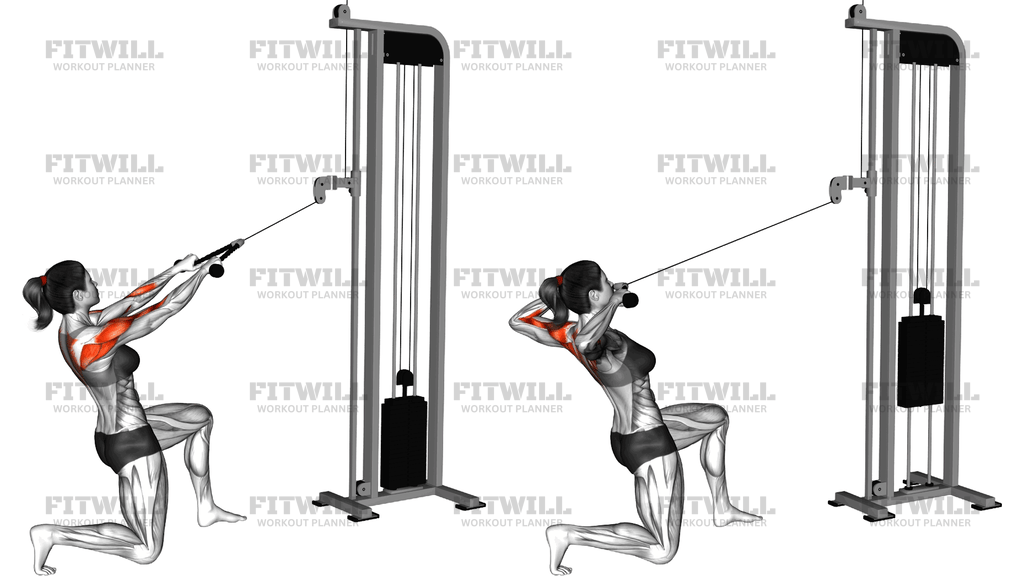
Setup matters more here than in a standing curl because the bench locks in your torso angle. Set the incline bench in front of a high pulley, sit down first, then lean back so your upper back and head are supported. Take a narrow overhand-to-supinated grip on the handle shown in the image, let the arms travel overhead without shrugging, and keep the wrists stacked so the cable does not pull them into extension. That start position should feel like a loaded stretch, not a shoulder press.
On the way up, bend the elbows and curl the handle toward your forehead and upper face while keeping the upper arms mostly still. The elbows should move only a little, and the shoulders should stay set instead of rolling forward. At the top, squeeze the biceps without bouncing the handle into the stack. On the way down, lower the attachment slowly until the elbows are nearly straight and the biceps are fully lengthened again. Exhale through the curl and inhale on the return.
This is a good accessory lift for arm days, upper-body sessions, or any program that benefits from strict tension and a longer biceps range of motion. It is also useful when dumbbell curls feel too easy at the top or when you want the cable to keep tension consistent across the whole repetition. Keep the load moderate, keep the rep path clean, and treat the bench angle and hand position as part of the exercise rather than optional details.
[ Workout Log & Planner ]
Put your next workout in Fitwill
Keep your plan and training log ready when you are.


Instructions
- Set an incline bench in front of a high cable pulley and attach a close-grip handle or short bar.
- Sit on the bench, lean back until your upper back and head are supported, and plant both feet firmly on the floor.
- Grip the handle narrowly with your palms facing up or slightly angled in, and start with your arms extended overhead.
- Keep your shoulders down and back so the cable loads the biceps without shrugging the upper body forward.
- Exhale and bend the elbows to curl the handle toward your forehead and upper face.
- Keep your upper arms mostly fixed so the movement comes from elbow flexion instead of shoulder swing.
- Squeeze the biceps briefly at the top without letting the wrists bend back or the elbows flare wide.
- Inhale and lower the handle slowly until the arms are long again and the biceps are fully stretched.
- Reset your shoulder blades before the next rep and repeat for the planned number of repetitions.
Tips & Tricks
- Keep the bench angle moderate so your shoulders stay supported but your elbows can still start slightly behind the line of your torso.
- If the handle drifts toward your chest, you are probably turning the curl into a front raise; keep the path aimed toward your forehead.
- A closer grip makes it easier to keep both elbows tracking together, especially if one arm likes to dominate the rep.
- Do not let the shoulders roll forward at the bottom; that usually steals the stretch from the biceps and moves stress into the front delts.
- Use a load that lets you control the last third of the lowering phase, because that is where the cable can pull your elbows out of position.
- Keep the wrists neutral instead of cranking them back against the bar, or the forearms will take over too much of the rep.
- A short pause at the top works well here because it removes momentum and makes the cable tension more honest.
- Stop a set when you can no longer keep the upper arms quiet against the bench angle.
Frequently Asked Questions
What does the Cable Incline Close-Grip Curl train most?
It primarily trains the biceps, with extra work from the brachialis, brachioradialis, and forearm grip.
Why use an incline bench for this curl instead of standing?
The incline bench fixes your torso and puts the shoulders slightly behind the body, which increases biceps tension at the start and keeps the cable tension constant.
What should the handle path look like?
Curl the handle toward your forehead and upper face, not straight down to your lap or up into a shoulder press.
What grip should I use on the handle?
Use a narrow grip with the palms turned up or slightly angled in, so both arms can curl in a clean, matched path.
Can beginners do this exercise?
Yes, as long as the load is light enough to keep the shoulders pinned back and the lowering phase controlled.
What is the most common mistake with this movement?
Letting the shoulders roll forward at the bottom or swinging the elbows wide to force more range are the two biggest form leaks.
Is this more of a strength or hypertrophy exercise?
It can serve either goal, but most lifters use it as controlled accessory work for arm size, shape, and strict biceps tension.
How should the rep feel at the bottom?
You should feel a clear biceps stretch with the cable pulling your arms overhead, but not pain in the shoulder joint or elbow.