Back And Forth Step
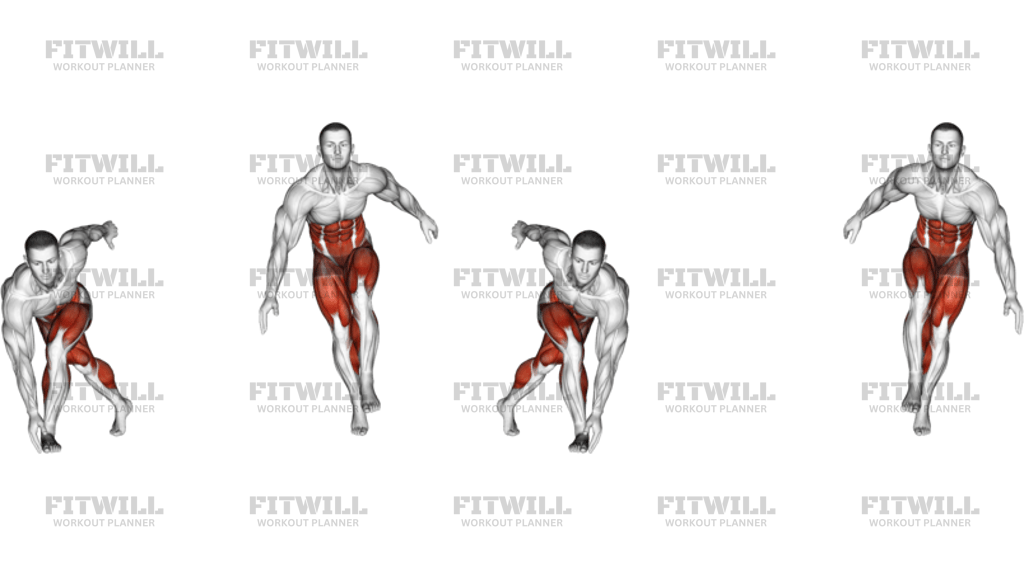
Back And Forth Step is a body-weight footwork drill that builds rhythm, balance, and lower-body control while keeping the heart rate up. It works well as a warm-up, a light conditioning interval, or a low-impact cardio option when you want to train coordination without jumping. The value of the movement comes from clean weight shifts and repeatable foot placement rather than from forcing a deep position or a huge step.
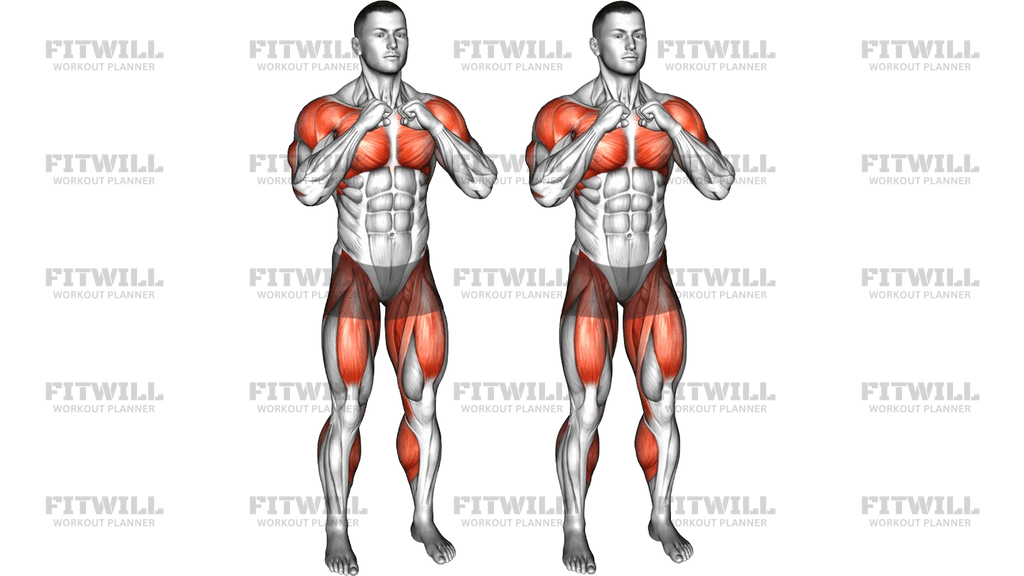
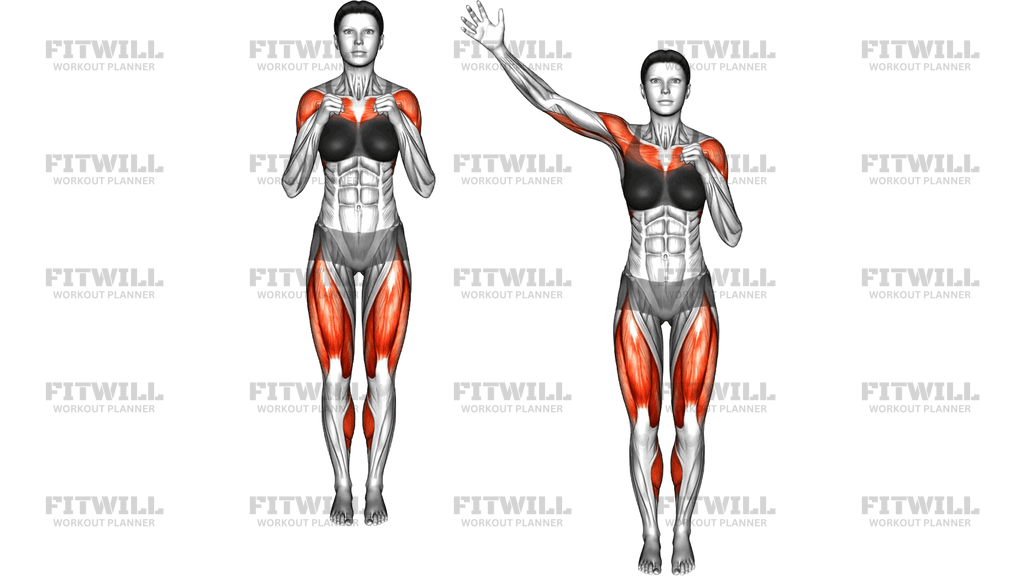
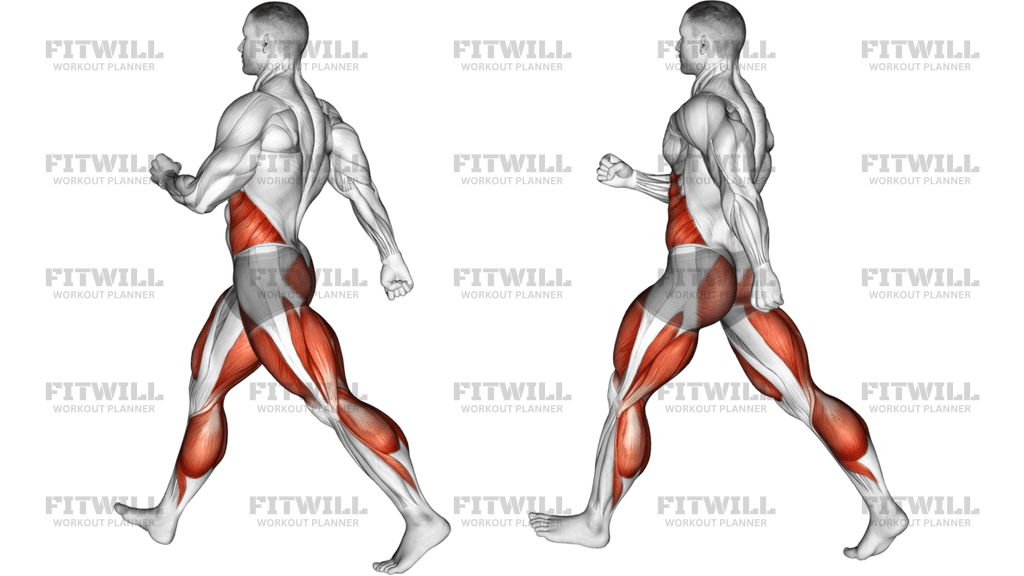
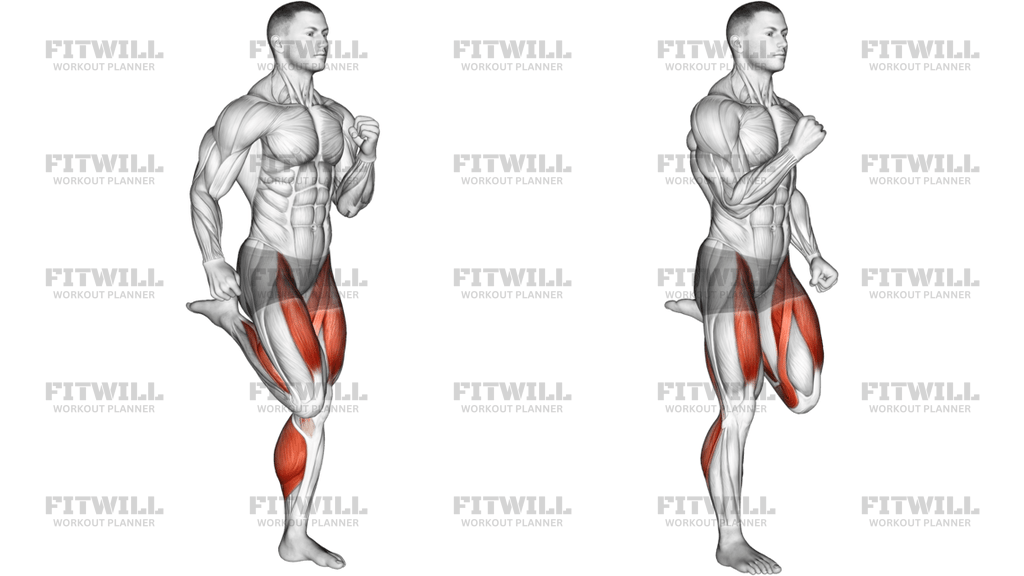
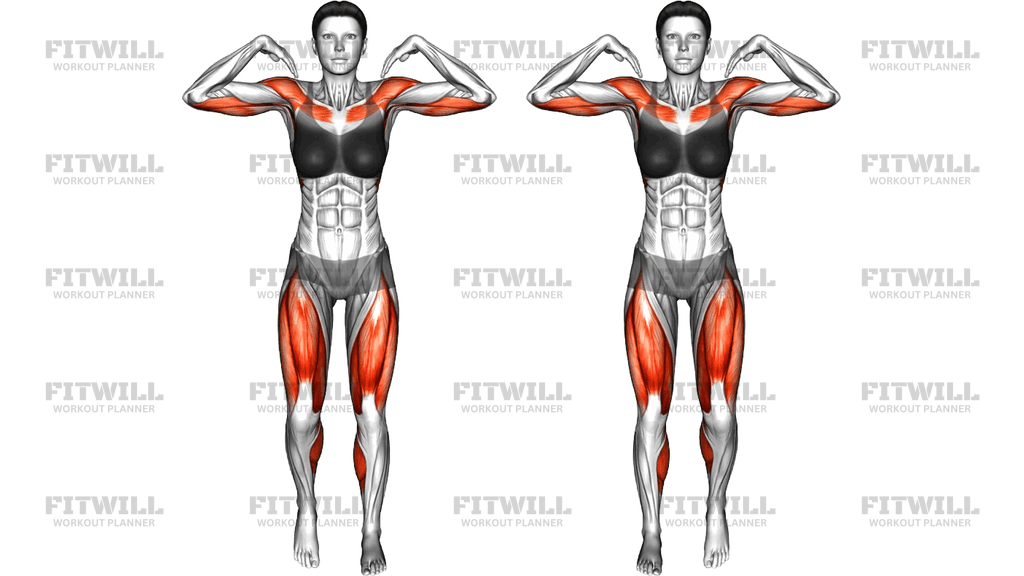
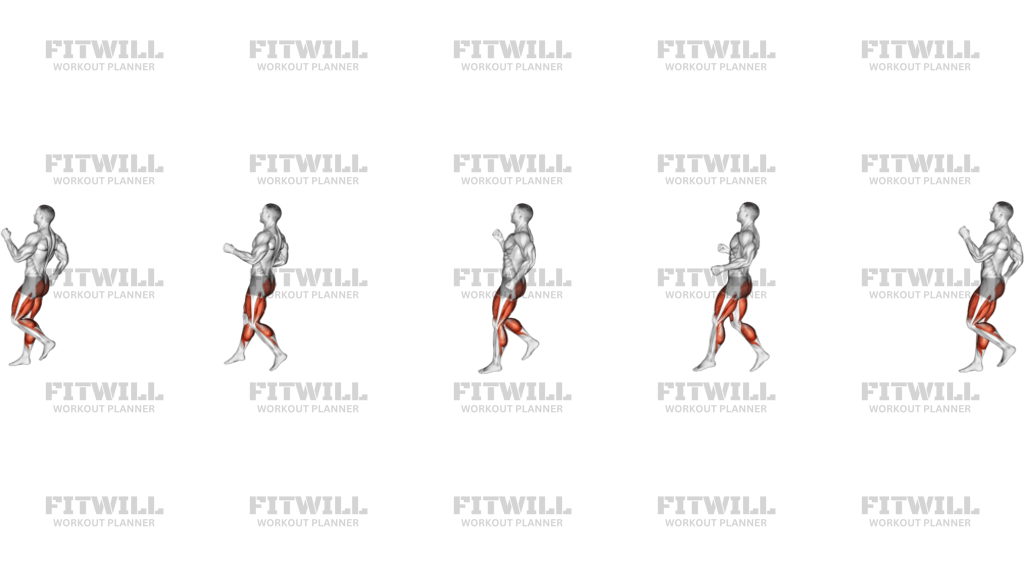
Even though there is no external load, Back And Forth Step still asks a lot from the hips, knees, ankles, and trunk. The glutes, quads, adductors, calves, and stabilizers all help you keep control as you step backward, then return through the middle and switch sides. If the footwork gets sloppy, the drill stops training control and starts turning into hurried shuffling.
The setup matters because the first step determines whether the rest of the set feels smooth or unstable. Start from a tall stance with soft knees, enough space to move diagonally back and across, and feet set so one leg can travel without crossing so far that the knee twists. Keep the supporting foot rooted and let the opposite side reach lightly so you can shift weight without collapsing at the waist.
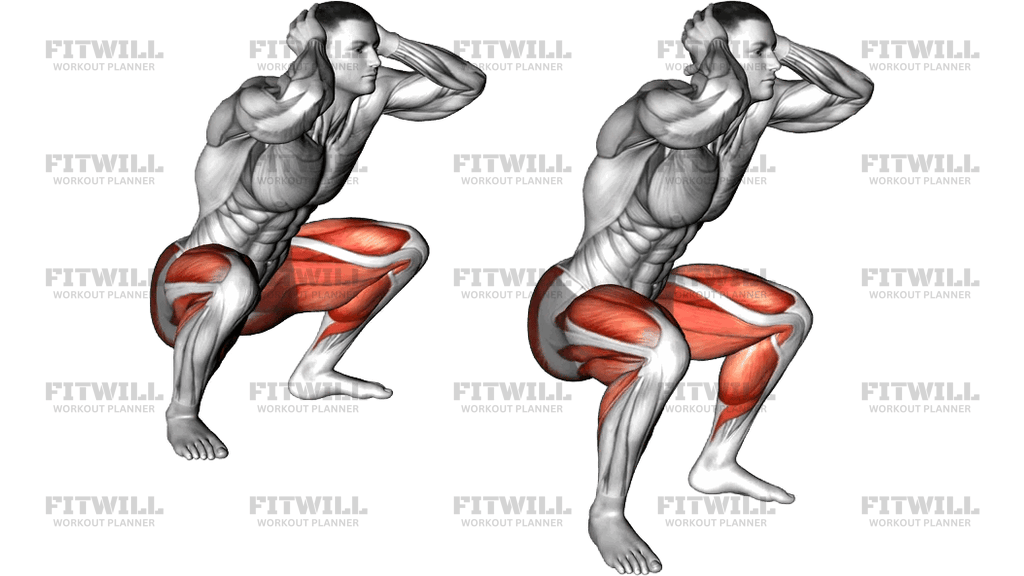
During each repetition, step back and forth through the center with a steady pace, lowering only as far as you can keep the pelvis level and the chest open. Reach toward the floor only as a balance cue, not as a forced touch, and drive back to standing through the planted foot before repeating on the other side. A smooth return matters more than a dramatic range, because the drill is meant to teach organized movement under light fatigue.
Back And Forth Step fits well in circuits and movement prep because it raises temperature, reinforces coordination, and is easy to scale. Beginners can shorten the step and stay more upright, while advanced trainees can increase the cadence or add a slightly deeper reach. Keep the rhythm crisp, the stance quiet, and the direction change controlled so the exercise stays useful instead of turning into hurried side-to-side motion.
Fitwill
Log Workouts, Track Progress & Build Strength.
Achieve more with Fitwill: explore over 9600 exercises with images and videos, access built-in and custom workouts, perfect for both gym and home sessions, and see real results.
Start your journey. Download today!




Instructions
- Stand tall with your feet under your hips, knees soft, and arms ready to balance at your sides.
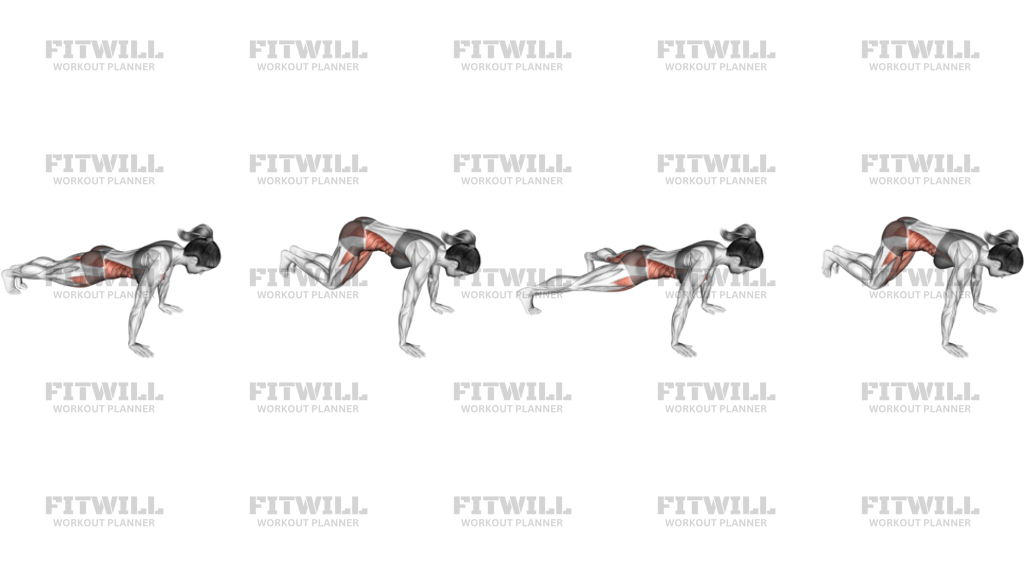
- Shift your weight onto one foot and step the other leg diagonally back and slightly across your body.
- Bend both knees into a small, controlled lunge-like position while keeping the planted foot flat.
- Reach the hand on the planted side toward the floor beside that foot if your balance allows.
- Keep your chest lifted and your pelvis level as you load the stance leg.
- Drive through the planted foot to step back through the middle and return to an upright stance.
- Repeat the same pattern to the opposite side with the same steady rhythm.
- Continue for the planned number of reps, then slow down and finish in a balanced standing position.
Tips & Tricks
- Keep the planted foot heavy through the heel, big toe, and little toe so the knee tracks cleanly.
- Use a shorter crossover if the stepping leg pulls your knee inward.
- Reach only as far as you can without rounding your lower back to the floor.
- Let the hips sit back slightly instead of folding your chest toward the ground.
- Keep the trailing foot light so the step stays quick and quiet.
- Exhale as you drive back through center and inhale during the reset.
- Increase speed only after your foot placement looks the same on both sides.
- If the drill feels bouncy, reduce the depth and make each change of direction quieter.
Frequently Asked Questions
What muscles does Back And Forth Step work?
It mainly trains the glutes, quads, adductors, calves, and trunk stabilizers while also giving you a cardio hit.
Is Back And Forth Step beginner friendly?
Yes. Beginners should keep the step short, stay more upright, and move slowly enough to keep both sides symmetrical.
Do I need to touch the floor on every rep?
No. A light reach toward the floor is enough if that helps your balance; the goal is controlled shifting, not a forced touch.
What is the biggest mistake in Back And Forth Step?
Crossing too far and twisting the knee is the main problem. Keep the step compact enough that the planted leg stays aligned.
How low should I sink into the step?
Only as low as you can while keeping your chest open and your pelvis level. If the torso starts folding, shorten the range.
Can I use Back And Forth Step as a warm-up?
Yes. It works well before lower-body training because it wakes up the hips, ankles, and footwork without fatigue from heavy loading.
How can I make this drill harder without equipment?
Speed up the rhythm, add a slightly deeper reach, or lengthen the step just enough to demand more balance and hip control.
What should I do if my knees feel irritated?
Shorten the step, keep your stance more upright, and slow the transition so the knee is not forced to absorb a sharp twist.