Cable Rear Drive
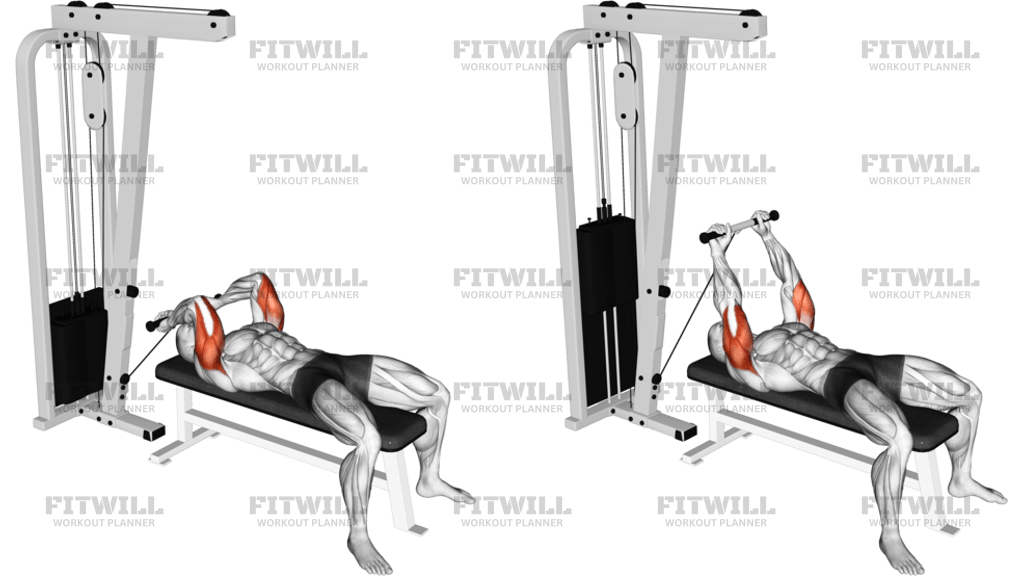
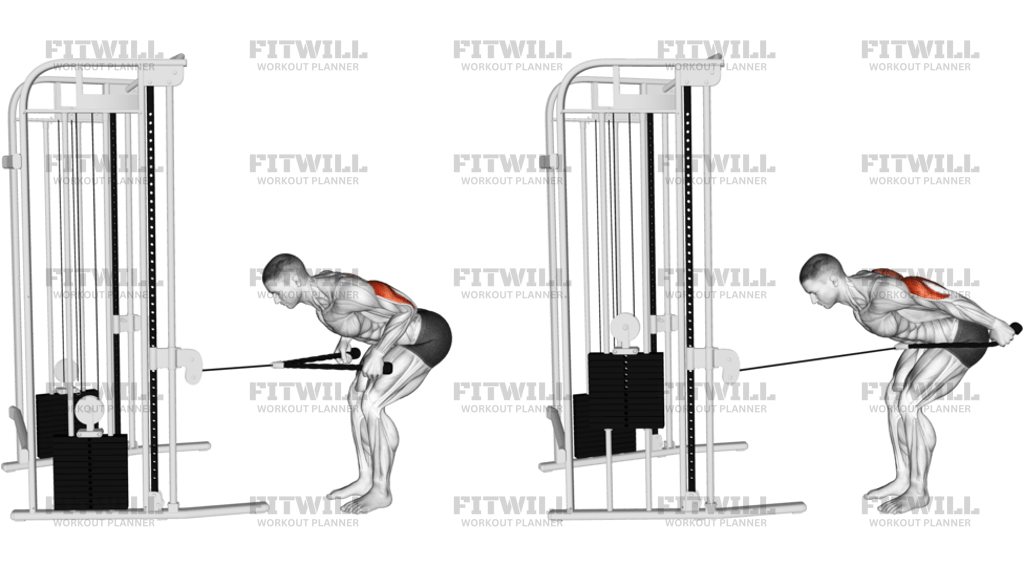
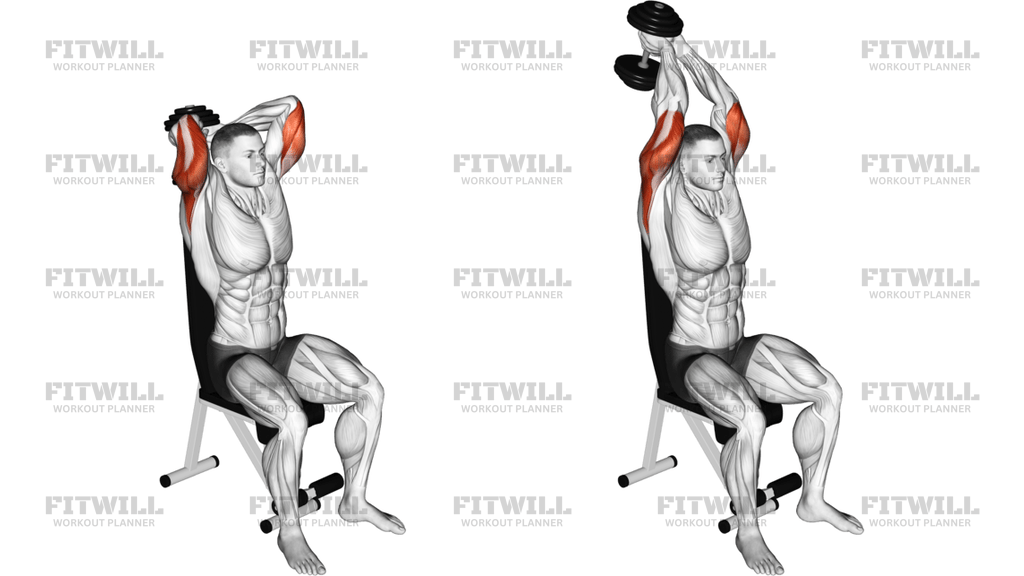
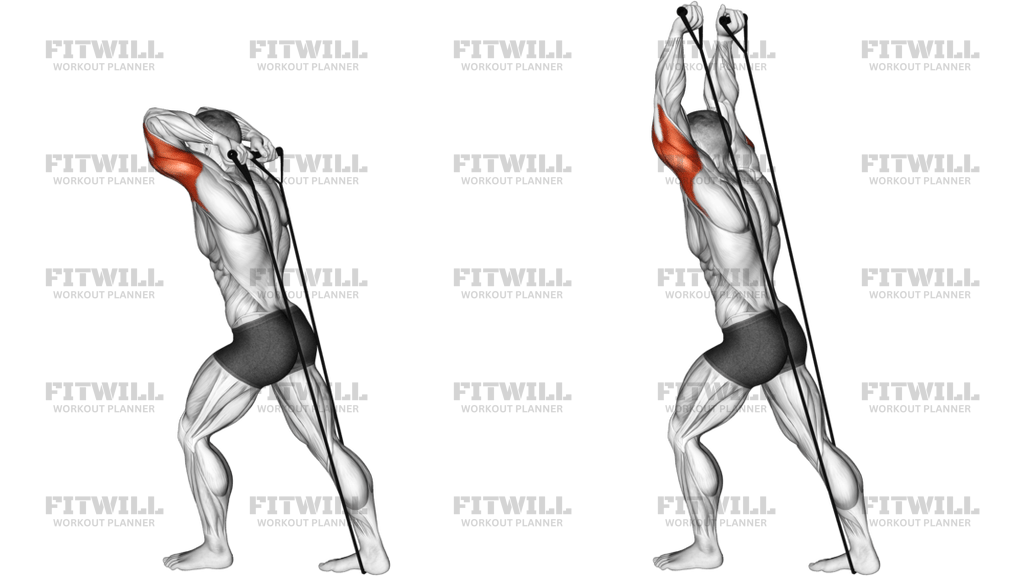
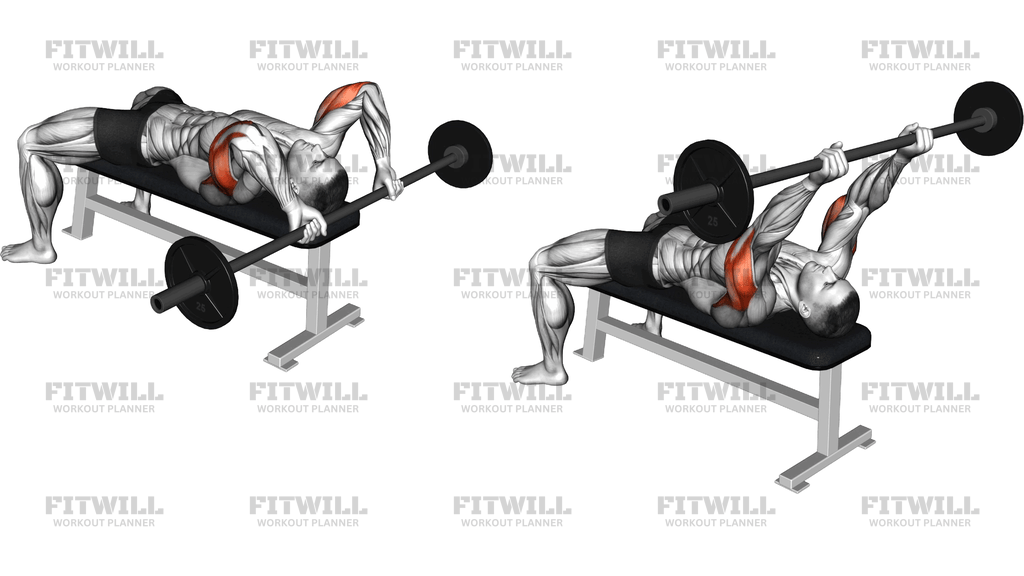
Cable Rear Drive is a backward triceps-driven cable extension that uses a rearward press or drive path instead of a straight pushdown. The movement is useful when you want the triceps to finish the rep while the shoulder stays organized and the torso remains mostly quiet.
The primary target is the triceps brachii, with the shoulders, upper back, and core helping stabilize the body. It works best when the elbow path stays consistent, the shoulder does not hike upward, and the lower back does not arch to help the finish. That makes Cable Rear Drive a practical accessory for arm training and a useful variation when you want a different angle than a standard pushdown.
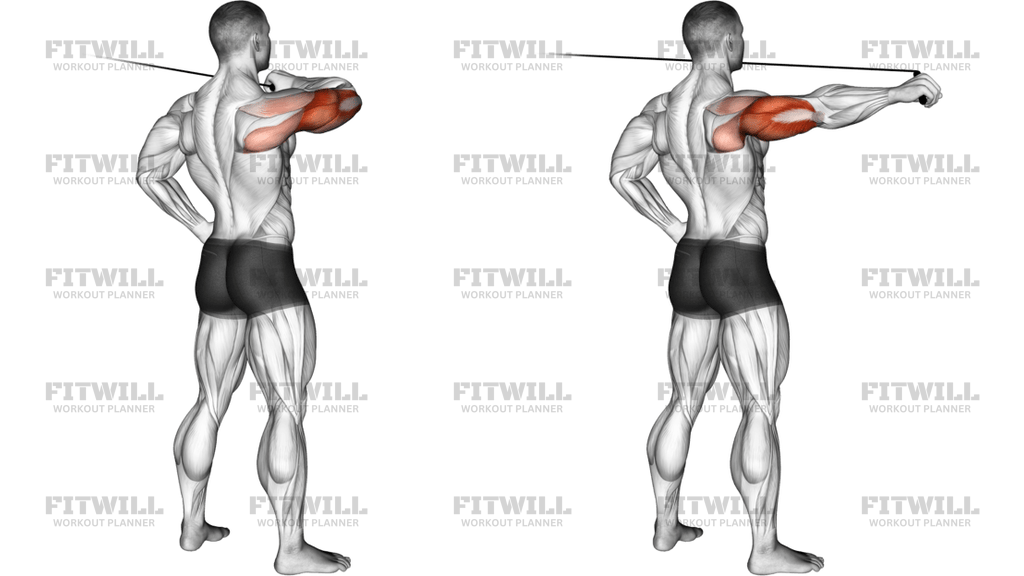
Set the cable to match the rear-drive path, grip the handle, and stand in a stable position with the core braced and the shoulder set. Begin with the elbow bent in a controlled start position, then drive the handle backward by extending the elbow until you reach a clean lockout or near-lockout. Pause briefly at the end and return slowly to the start without letting the torso swing or the shoulder roll forward.
Cable Rear Drive works well as a triceps accessory after pressing, or as a lower-load control drill when you want to keep the upper arm stable while the forearm moves. The different drive path gives the triceps a slightly different feel than a standard pushdown, but the goal remains the same: smooth elbow extension, a quiet torso, and a controlled return to the start.
If the body starts swaying or the shoulder hikes up, reduce the load and keep the movement smaller. The best version feels like a clean triceps drive from start to finish, not a whole-body heave.
[ Workout Log & Planner ]
Put your next workout in Fitwill
Keep your plan and training log ready when you are.


Instructions
- Set the cable to match the rear-drive path and take a stable stance with the core braced.
- Grip the handle and set your shoulder position before starting the first rep.
- Begin with the elbow bent in a controlled start position.
- Drive the handle backward by extending the elbow instead of swinging the torso.
- Reach full or near-full extension with the triceps in charge.
- Pause briefly at the end range, then keep the shoulder from hiking up.
- Return to the start slowly while keeping the torso quiet.
- Repeat for the planned reps, then let the cable settle before stepping away.
Tips & Tricks
- Keep the elbow path consistent so the rep stays triceps-driven instead of turning into a shoulder swing.
- If the shoulder hikes, lower the load and shorten the range before the set gets sloppy.
- Do not arch the lower back to finish the drive; the triceps should finish the rep, not the spine.
- Use a moderate load that lets you control both the drive and the return.
- Keep the wrist neutral so the forearm does not bend back under tension.
- A short pause at the end helps you feel the triceps finish the rep cleanly.
- If the movement starts to feel like a full-body push, reset the stance and reduce the resistance.
- This exercise works best when the torso stays quiet and the arm path stays small and deliberate.
Frequently Asked Questions
What muscles does Cable Rear Drive work?
It mainly works the triceps, with the shoulders, upper back, and core helping stabilize the movement.
Is Cable Rear Drive the same as a pushdown?
It is related, but it uses a different drive path and arm angle.
Can beginners do Cable Rear Drive?
Yes, but it should be learned with a light load and strict control.
Should my torso move during Cable Rear Drive?
Keep the torso stable and avoid using momentum to finish the rep.
What is the most common mistake in Cable Rear Drive?
Turning it into a whole-body swing instead of a controlled triceps extension.
Can I do Cable Rear Drive one arm at a time?
Yes, unilateral sets are common and can make it easier to keep the path strict.
When should I use Cable Rear Drive in a workout?
It usually fits well as accessory work after bigger pressing lifts.