Run Equipment
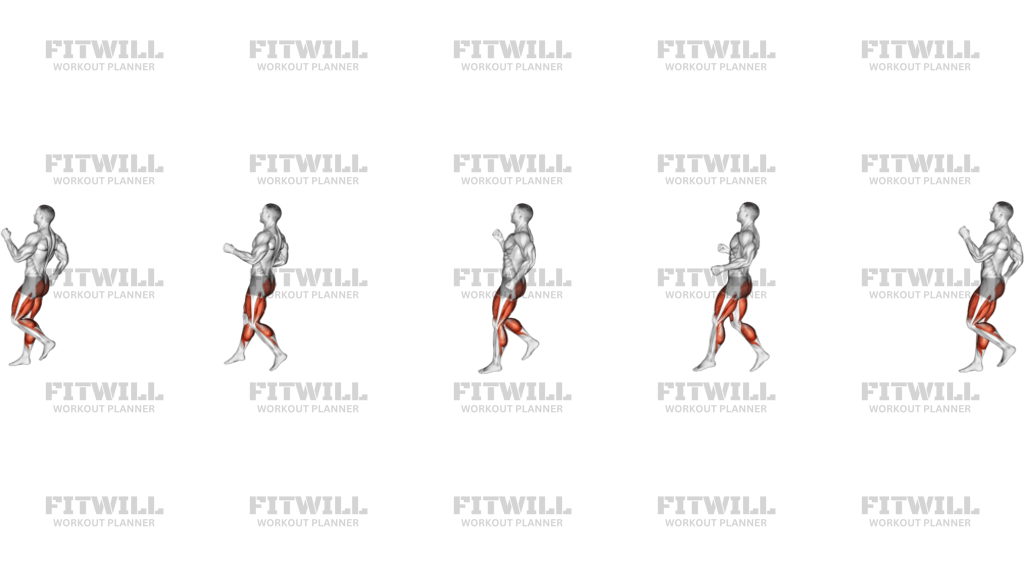
Running is a straightforward bodyweight cardio exercise that builds aerobic capacity, leg endurance, and movement efficiency. It can be performed outdoors, on a track, or on a treadmill, and the training value comes from keeping your stride smooth enough that you can hold posture, cadence, and breathing for the full run. The goal is not just to cover distance, but to run with repeatable mechanics that you can sustain without early breakdown.
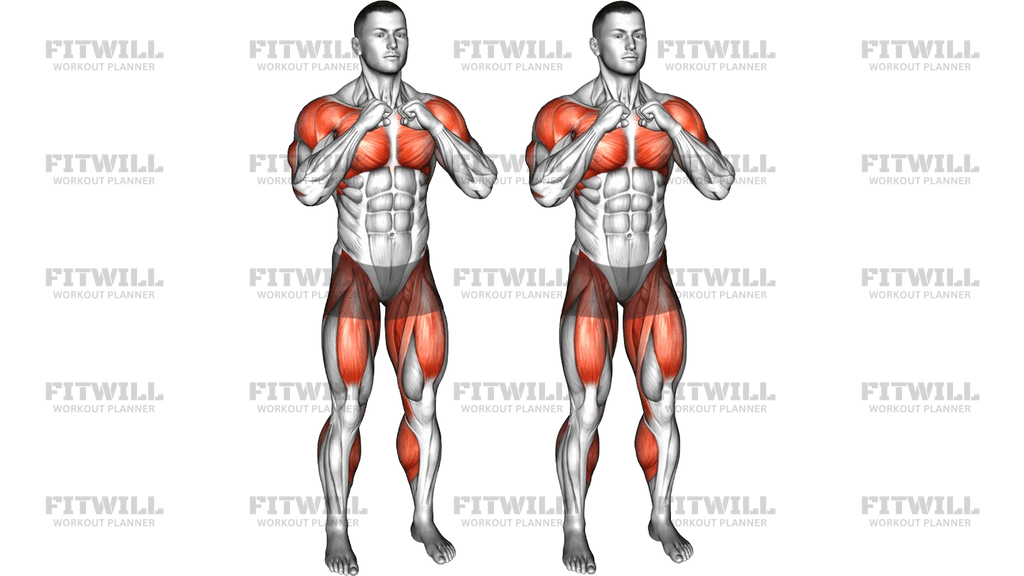
A good run starts before the first step. Stand tall, keep your ribcage stacked over your pelvis, and let your arms hang with enough tension to react quickly once you move. The torso should stay quiet while the legs cycle underneath you. That setup matters because overstriding, slumping, or twisting early usually leads to wasted energy, heavier impact, and a shorter effective workout.
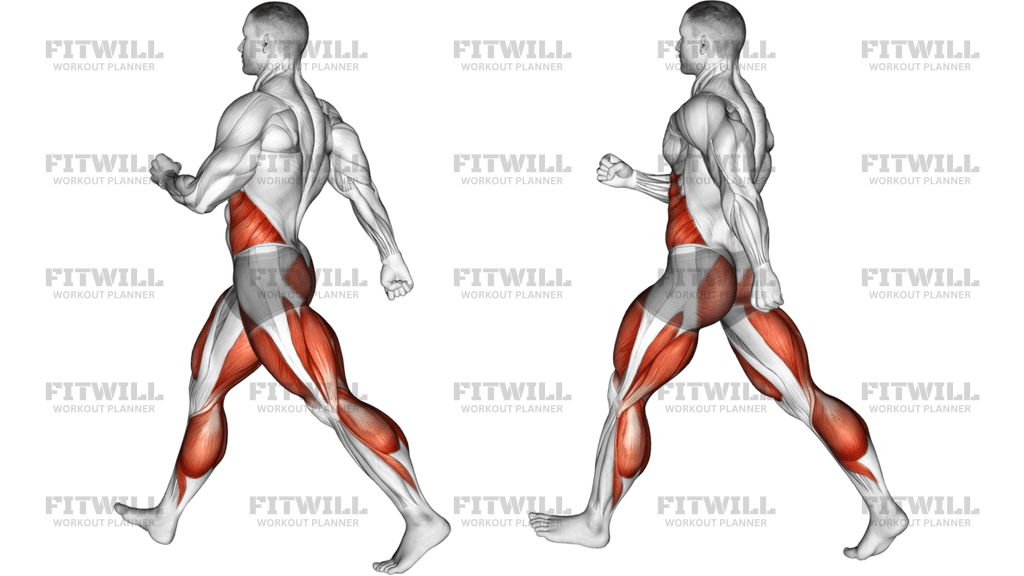
As you run, think about landing under your center of mass instead of reaching far in front of it. Drive the elbows back naturally, keep the shoulders loose, and let the cadence stay quick and light rather than long and loping. If the pace rises, the body should lean slightly from the ankles, not hinge at the waist. That keeps the movement efficient and helps the hips, calves, and trunk work together instead of fighting each other.
Running fits well as a warm-up, steady-state conditioning block, interval session, or finisher when you want a simple and scalable cardio stimulus. It is also easy to regress for beginners by shortening the run and inserting walk breaks, or to progress by extending the time, adding hills, or increasing pace. Good shoes, a safe surface, and controlled buildup matter because the impact is repetitive and small form errors become more obvious as fatigue climbs.
[ Workout Log & Planner ]
Put your next workout in Fitwill
Keep your plan and training log ready when you are.


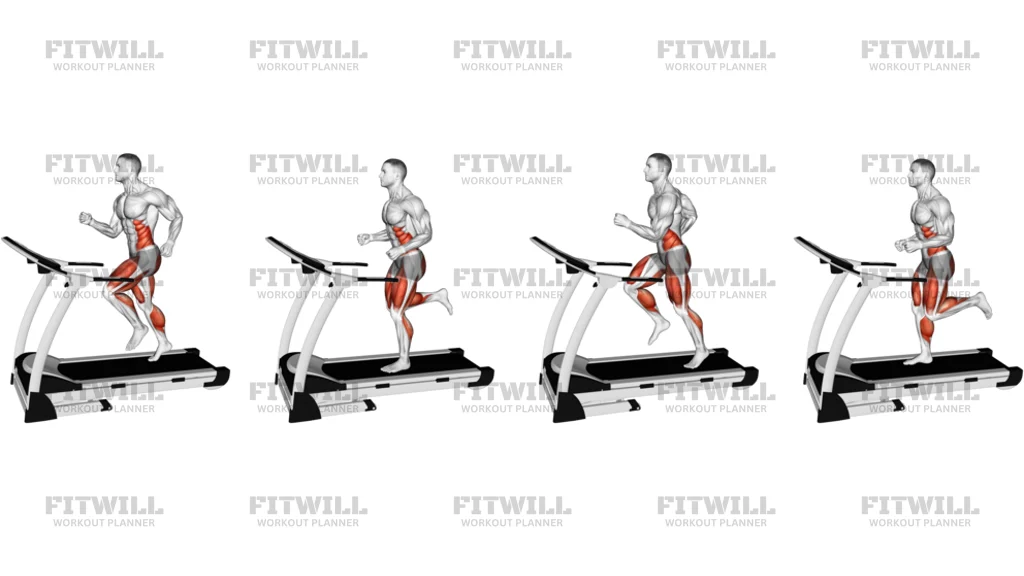
Instructions
- Stand tall with your feet under your hips, chest relaxed, and eyes looking ahead.
- Brace your midsection lightly and lean forward just enough to tip from the ankles, not the waist.
- Start moving at a controlled pace so the first few steps feel smooth instead of rushed.
- Keep your feet landing under your body rather than far out in front of you.
- Drive your elbows back and let your hands swing close to your torso without crossing the midline.
- Keep your shoulders down and your neck relaxed while you maintain an upright, stacked posture.
- Breathe in a steady rhythm that matches your pace, using deeper breaths as the effort rises.
- Finish the run by gradually slowing to a walk before stopping so your heart rate comes down smoothly.
Tips & Tricks
- Shorten your stride if you feel heavy impact through the knees or shins; overstriding is usually the first thing to fix.
- Think quick feet and quiet upper body rather than pushing for a bigger stride length.
- Keep your hands relaxed like you are holding a small object instead of clenching your fists.
- If you are on a treadmill, avoid staring down at the belt; keep your gaze forward so your posture stays stacked.
- Use a pace that lets you keep the same form for the whole run instead of fading hard in the last minute.
- Breathe rhythmically, and if you start gasping, slow down before your posture collapses.
- Softer surfaces can reduce impact, but they also demand more balance, so build volume gradually.
- Choose shoes that match your foot strike and support needs; worn-out trainers make form issues show up sooner.
- If your arms are crossing your chest, widen the swing slightly and keep the elbows tracking back.
Frequently Asked Questions
What does running train the most?
Running mainly trains cardiovascular fitness, lower-body endurance, and the ability to hold a stable posture while moving repetitively.
Do my arms matter during a run?
Yes. A natural arm swing helps balance the stride, keeps cadence smooth, and prevents the torso from twisting unnecessarily.
What is the biggest mistake people make when running?
Overstriding is one of the biggest issues. If your foot lands too far ahead of your body, impact rises and efficiency drops.
Is running okay for beginners?
Yes. Beginners usually do best with a walk-run pattern so they can build time on their feet without losing form.
Should I run on my toes or heels?
Neither extreme is ideal. Aim to land naturally under your center of mass with a quick, light step rather than forcing one strike pattern.
How do I know if my pace is too fast?
If your shoulders tense up, your breathing becomes ragged, or your stride starts reaching forward, the pace is probably too aggressive.
Can I use running for fat loss?
Yes, running can be a useful calorie-burning tool, especially when combined with regular training and a consistent nutrition plan.
How often should I run?
That depends on your current conditioning and recovery, but most people benefit from building volume gradually instead of adding hard runs back to back.