Side Push-Up
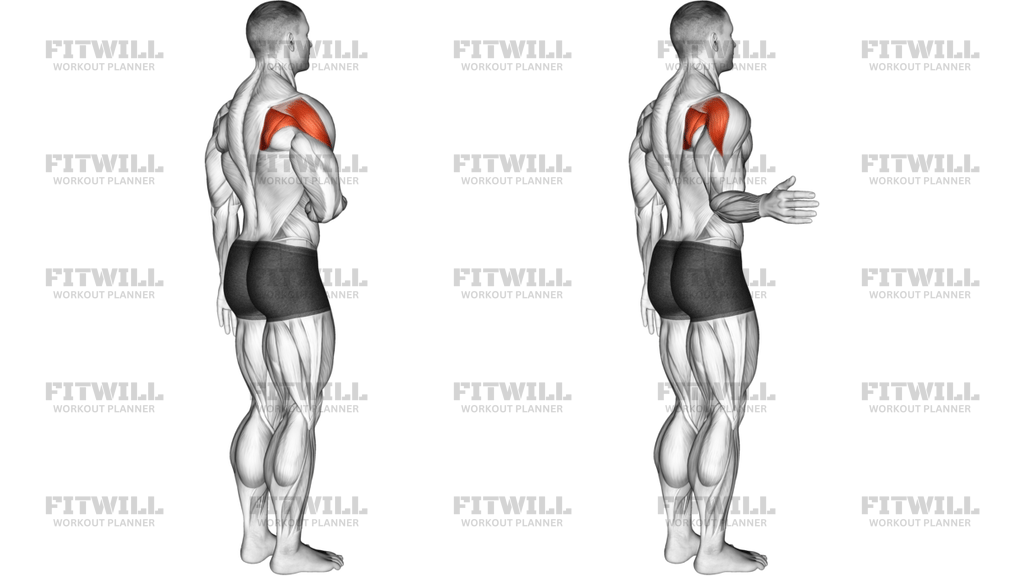
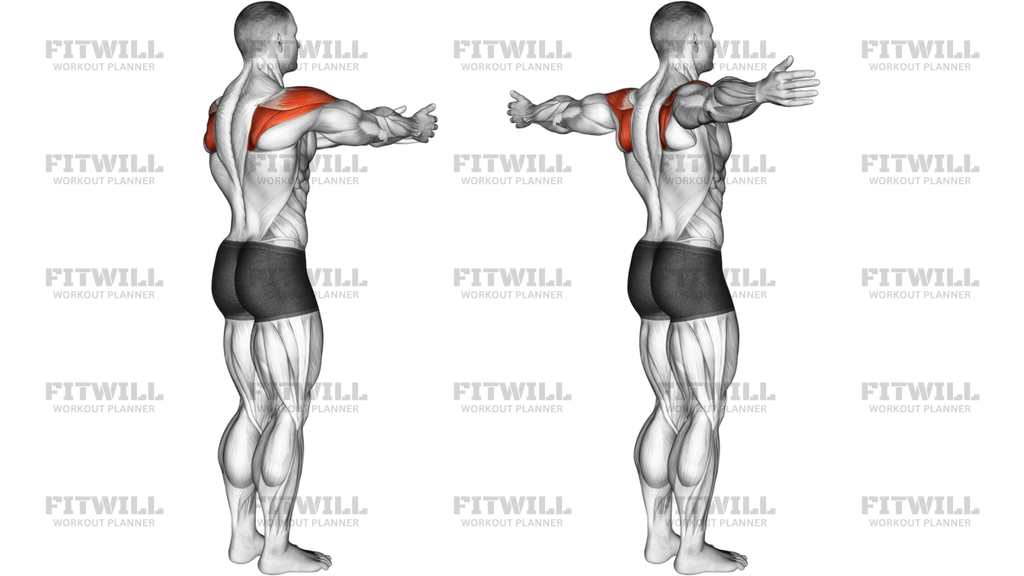
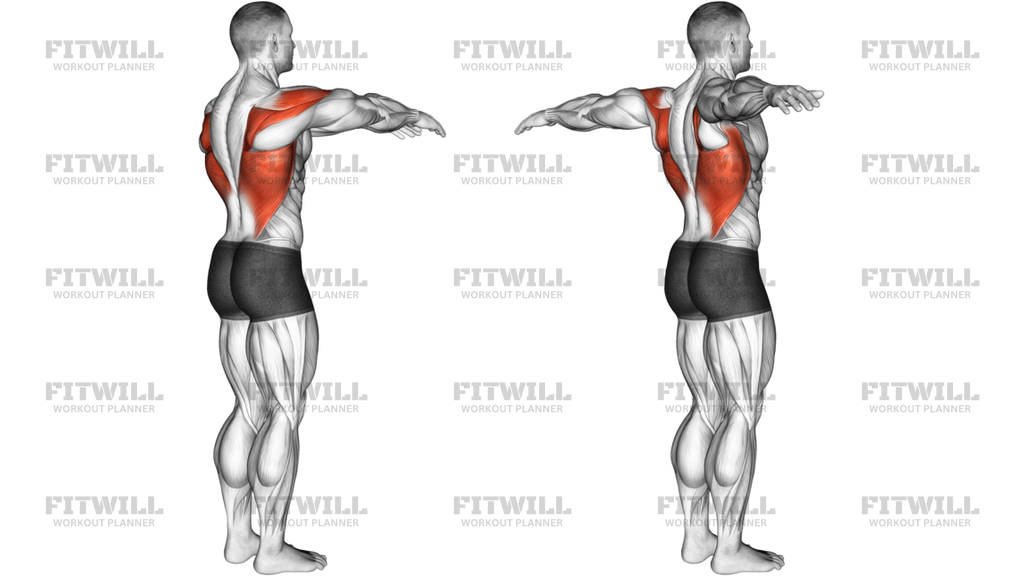
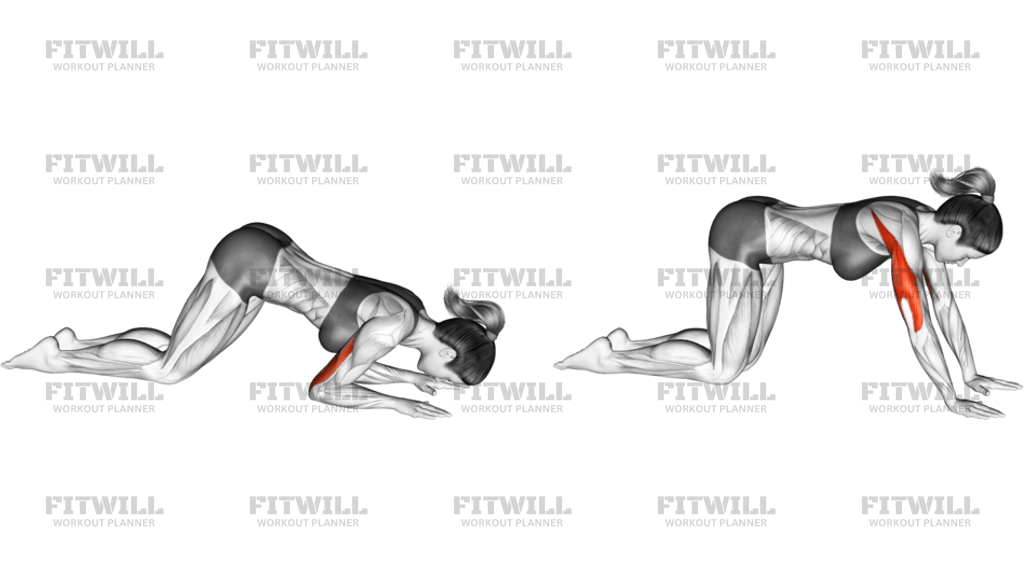
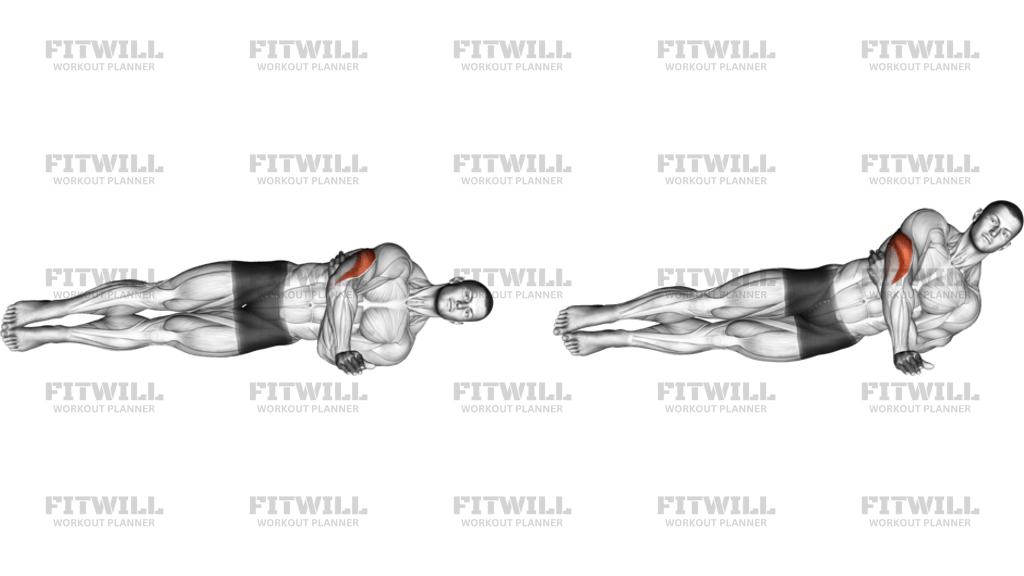
Side Push-Up is a body-weight side plank pressing exercise that trains the triceps while asking the shoulder girdle, forearm, and trunk to keep the body from rolling open. The image shows a stacked side-lying position with the working arm braced close to the torso, so the setup matters as much as the press itself. If the elbow, shoulder, and feet are not aligned before the rep starts, the movement turns into a wobble instead of a clean strength drill.
The main training effect comes from pressing the body away from the floor while holding a rigid line from head to heels. That makes this a useful accessory for upper-arm strength, lateral trunk control, and shoulder stability. It is not a speed movement. The rep should feel deliberate, with the working side doing the press and the opposite side resisting rotation so the torso stays stacked.
Use the support arm and feet to create a stable base, then move through a small but controlled press-and-lower path. Keep the ribs from flaring, keep the hips from drifting backward, and keep the neck long. The body should rise as one unit rather than the shoulder or hip leading first. A short pause at the top helps show whether the working side is actually carrying the load or whether momentum is taking over.
This exercise fits well in an upper-body accessory block, a core-focused session, or a push-day warmup when you want more triceps and side-body work without heavy external load. Beginners can shorten the range or use a knee-supported version if the full side plank position is too demanding. The main safety rule is to stay in a pain-free shoulder range and avoid collapsing onto the supporting joint at the bottom.
Done well, Side Push-Up builds control you can carry into other pressing patterns. Done poorly, it becomes a twisted plank with no useful tension. Keep the setup strict, press smoothly, and stop the set when the torso starts rotating or the shoulder loses its stacked position.
Fitwill
Log Workouts, Track Progress & Build Strength.
Achieve more with Fitwill: explore over 9600 exercises with images and videos, access built-in and custom workouts, perfect for both gym and home sessions, and see real results.
Start your journey. Download today!




Instructions
- Lie on your side on a mat and place the working forearm or hand under the shoulder, with the elbow stacked vertically below the joint.
- Stack your feet or place the top foot slightly in front for balance, then lift the hips so your body forms a straight line from head to heels.
- Set the free hand on your hip, across your chest, or lightly in front of the torso so it does not pull you open.
- Brace your midsection and keep the ribs down before you begin the press.
- Press the floor away with the working arm to lift the torso and hips as one unit.
- Lower under control until the shoulder and side body are loaded but not pinched or collapsed.
- Keep the neck neutral and the eyes forward or slightly down so the torso does not twist.
- Exhale as you press up, then inhale as you lower for the next rep.
- Reset your stack between reps if the shoulder drifts forward or the hips start rotating.
- Stop the set once you can no longer keep the line straight and stable.
Tips & Tricks
- Keep the supporting elbow directly under the shoulder so the joint stack can carry the load instead of the neck or upper trap.
- If the full side plank is too unstable, start with the lower knee on the floor and keep the same straight line from shoulder to hip.
- Do not let the top shoulder roll forward over the chest; the torso should stay stacked rather than spiraling toward the floor.
- Press through the support arm as if you are trying to lengthen the side of the waist, not just bend and straighten the elbow.
- Keep the hips level at the top instead of hiking them high or letting them sag to the mat.
- Use a slow descent so the triceps and side trunk stay under tension instead of bouncing off the bottom.
- A mat or folded towel under the elbow can reduce pressure if the floor feels sharp on the support side.
- Choose a range of motion that leaves the shoulder comfortable; a shorter rep with perfect stack is better than a deep rep with joint pain.
- Finish each rep with the lower ribs pulled in, because flared ribs make the side plank unstable and shift work away from the triceps.
- If the wrist is bent or uncomfortable, switch to the forearm-supported version rather than forcing the hand position.
Frequently Asked Questions
What muscle does Side Push-Up target most?
The triceps are the main target, with the shoulder, forearm, and side trunk helping stabilize the side plank position.
Do I need a hand on the floor or a forearm on the floor?
The image shows a forearm-supported side plank setup, which is the safest place to start if you are building control or do not want too much wrist load.
How do I know my elbow is in the right position?
Your elbow should sit directly below the shoulder so the upper arm is vertical and the load feels stacked rather than drifting forward.
What should I feel working during the rep?
You should feel the triceps pressing, the shoulder staying organized, and the obliques resisting rotation along the side of the torso.
Can beginners perform this exercise?
Yes, but beginners usually do better with a knee-supported side plank or a shorter range until they can keep the torso stacked.
What is the most common mistake with Side Push-Up?
The biggest mistake is letting the shoulder roll forward or the hips twist open, which turns the exercise into an unstable hold instead of a clean press.
What if my wrist or elbow gets uncomfortable?
Use padding under the elbow, adjust the forearm angle, or switch to a knee-supported version so the support joint stays comfortable.
How can I make this exercise harder?
Progress by straightening both legs fully, slowing the lowering phase, pausing at the top, or adding more repetitions without losing the stacked position.