Trap Bar Deadlift
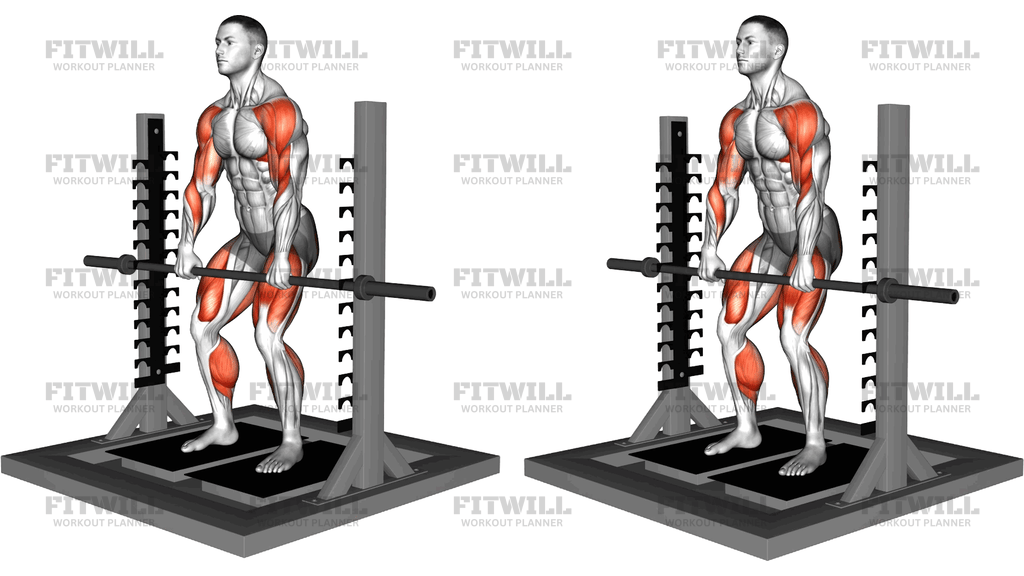
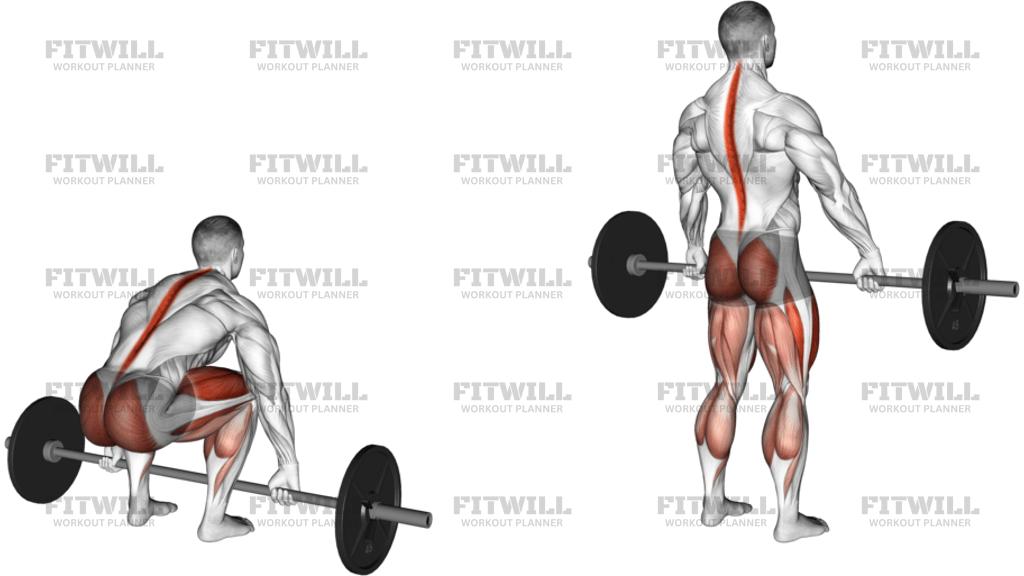
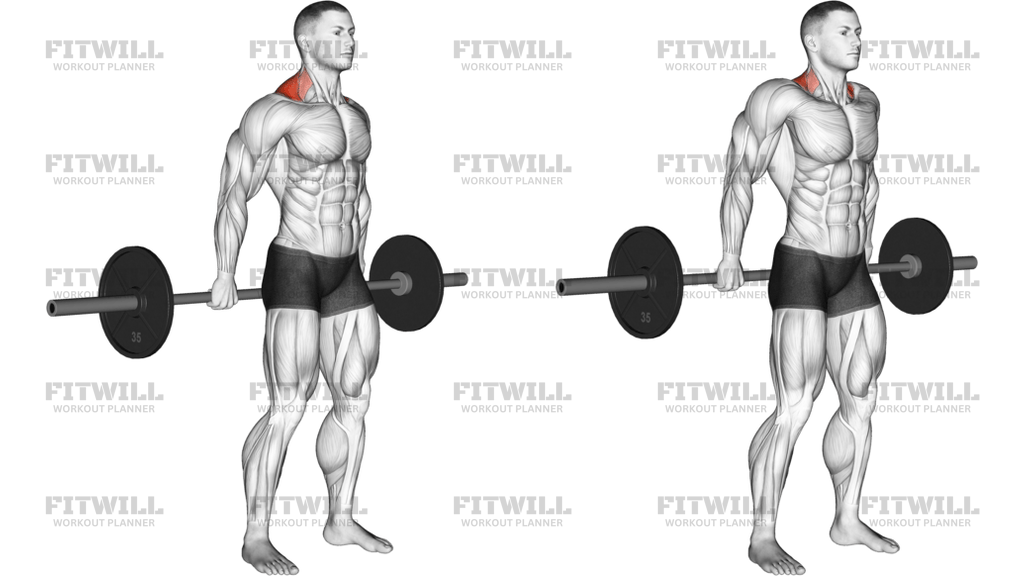
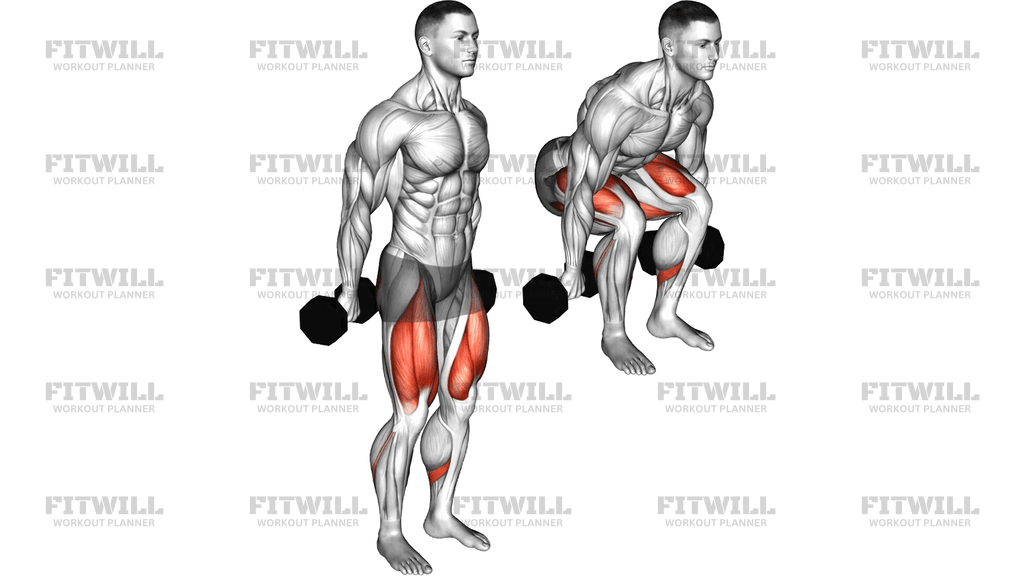
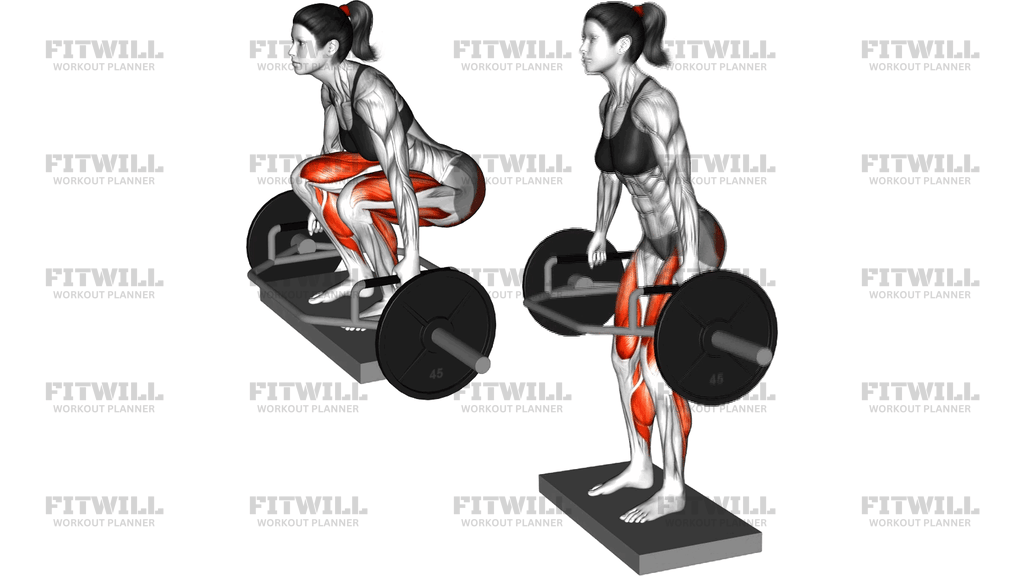
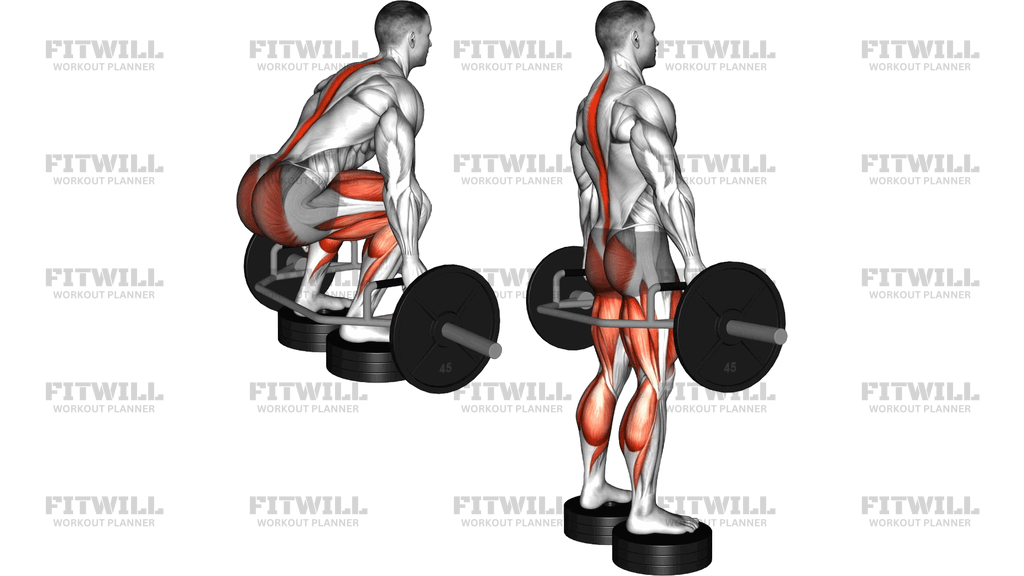
The Trap Bar Deadlift is a loaded hinge-and-squat movement performed inside a hex bar so the handles sit at your sides instead of in front of your shins. That center-loaded setup usually lets you keep a more upright torso than a straight-bar deadlift, which is why this variation is often used to build lower-body strength with good control. It strongly trains the glutes and thighs while also asking the hamstrings, spinal erectors, trunk, and grip to stabilize the lift.
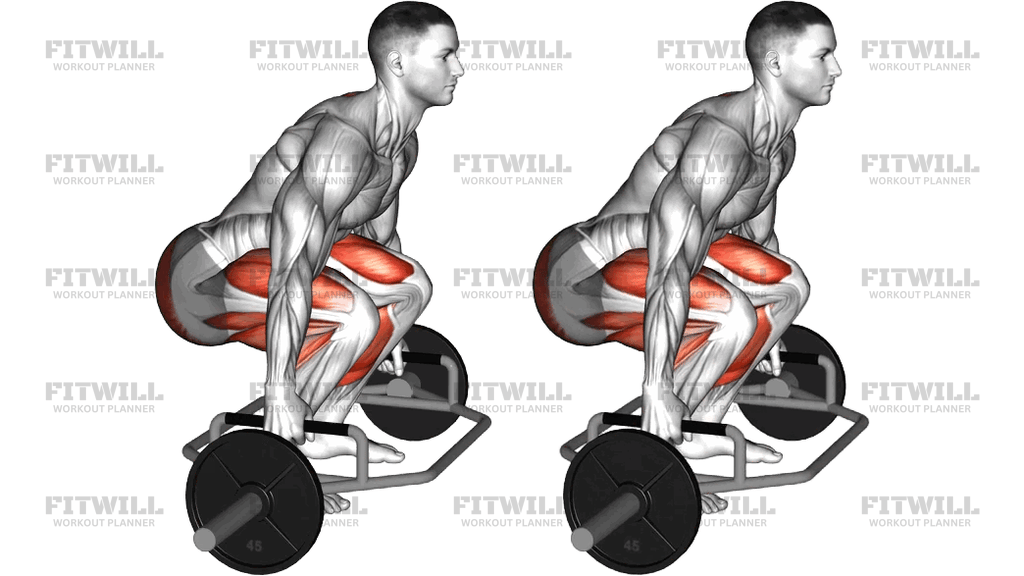
The setup matters because the trap bar rewards balance. Stand in the middle of the frame with your feet about hip-width apart, then reach down to the neutral handles without letting your knees drift too far forward or your hips shoot too far back. Your shoulders should stay organized over the handles, your spine should stay long, and your chest should stay proud without over-arching your lower back. That stacked start position makes it easier to drive the floor away cleanly.
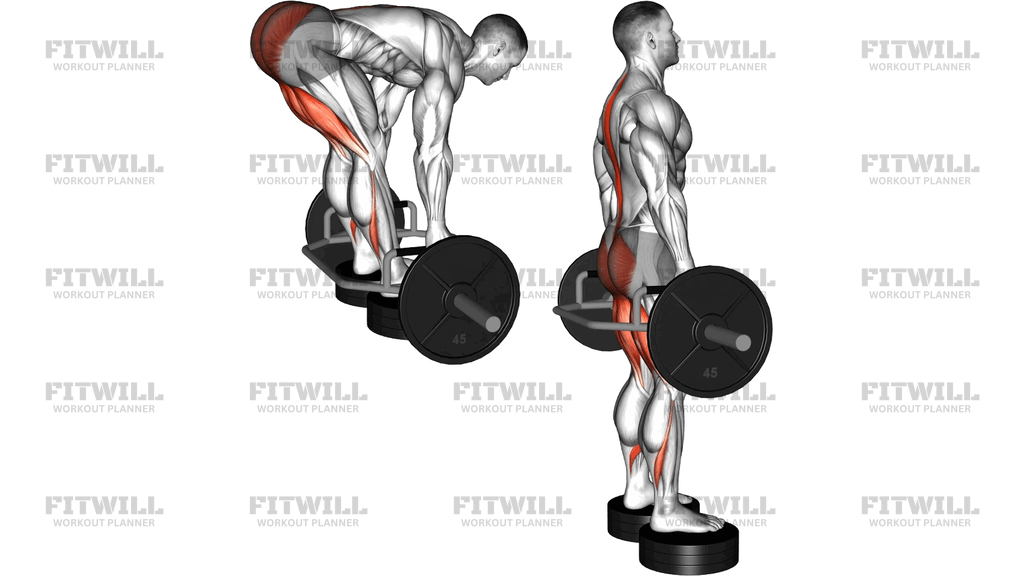
On the way up, think about pushing through the floor rather than yanking the bar. Your knees and hips should extend together, the handles should stay close to your body, and your torso should rise as one piece instead of snapping open early. At the top, stand tall with the glutes finished, ribs stacked over the pelvis, and no lean-back lockout. On the way down, reverse the motion with control: hinge first, then bend the knees as the bar returns toward the floor, keeping tension through the legs and trunk.
This is a useful lift for strength blocks, hypertrophy work, and general athletic training because it often feels more approachable than a straight-bar deadlift while still being demanding. Beginners can usually learn it well if the load stays conservative and the rep speed stays controlled. The main red flags are losing the neutral spine, shifting onto the toes, or turning the lockout into a back extension. When the reps stay crisp, the trap bar deadlift becomes a very efficient way to train strong legs and hips with a solid bracing pattern.
[ Workout Log & Planner ]
Put your next workout in Fitwill
Keep your plan and training log ready when you are.


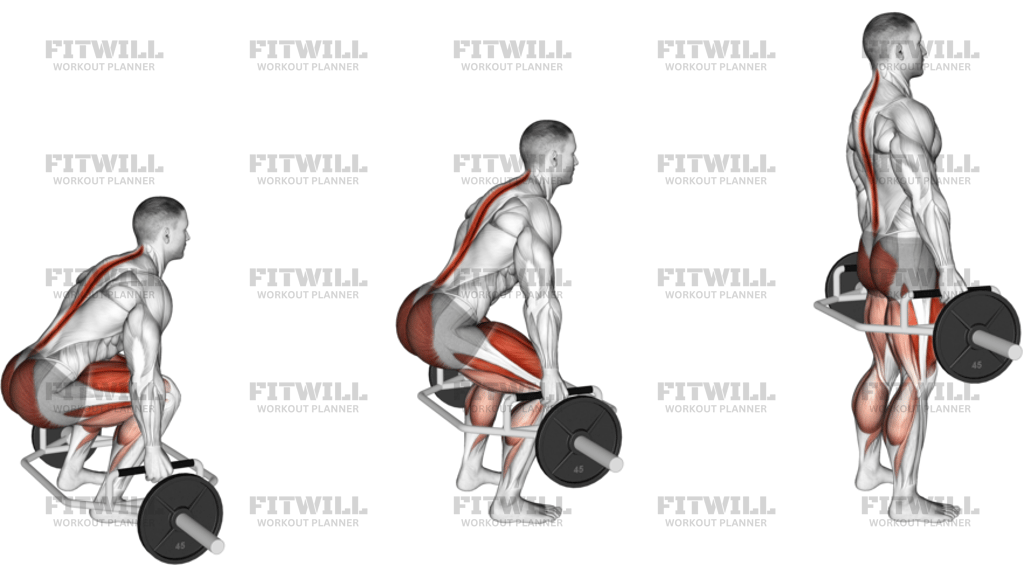
Instructions
- Step into the middle of the trap bar with your feet about hip-width apart and the handles beside your shins.
- Hinge and sit down to reach the neutral handles, keeping your spine long, chest lifted, and shoulders over the bar.
- Wrap your hands around the handles, flatten your feet into the floor, and take a breath to brace your trunk.
- Push the floor away to start the lift, letting your knees and hips rise together instead of jerking the bar.
- Keep your arms straight and the handles close to your sides as the bar travels upward.
- Stand tall at the top with your glutes tight and ribs stacked, but do not lean back to finish the rep.
- Lower the bar by sending your hips back first, then bending your knees as the handles pass them.
- Reset your brace at the bottom before starting the next repetition.
Tips & Tricks
- Keep your weight centered through the middle of the foot; rocking onto the toes usually means the bar is too far in front of you.
- Let the trap bar hang naturally at your sides instead of trying to curl the handles with your arms.
- If your hips rise faster than your chest, lower the load and re-check your start position.
- Use your breath to lock in the trunk before every rep, especially if the set starts feeling heavy.
- Drive both feet into the floor at the same time so one side does not take over the lift.
- Finish tall, not backward; a hard lean-back at lockout turns the movement into a low-back extension.
- Keep the lowering phase smooth so the next rep starts from a controlled dead stop instead of a bounce.
- Stop the set when your back rounds or the handles start drifting away from your legs.
Frequently Asked Questions
What muscles does the Trap Bar Deadlift work most?
It primarily trains the glutes and thighs, with the hamstrings, spinal erectors, and trunk helping stabilize the lift.
Why do people often use a trap bar instead of a straight bar?
The center-loaded position usually lets you stay more upright and makes it easier to learn a strong pulling pattern.
Where should my feet be inside the trap bar?
Stand in the middle of the frame with your feet about hip-width apart so the handles line up beside your shins.
Should I keep my arms straight during the lift?
Yes. Your arms should act like straps while the legs and hips do the work.
Can beginners learn the Trap Bar Deadlift?
Yes. It is one of the more beginner-friendly deadlift variations when the load stays light and the setup is consistent.
How low should I lower the handles between reps?
Lower them until the plates return to the floor under control, then reset your brace before the next rep.
What is the most common form mistake?
Rounding the back or finishing with a big lean-back are the most common errors to avoid.
What is a good training use for this exercise?
It works well for lower-body strength blocks, hypertrophy work, and general athletic conditioning.