Band One-Arm Standing Low Row
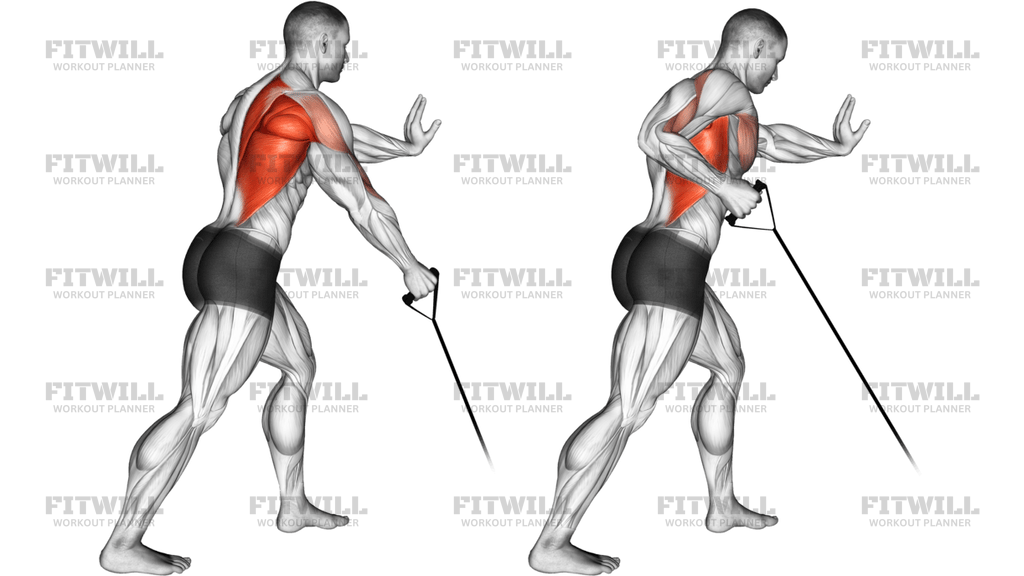
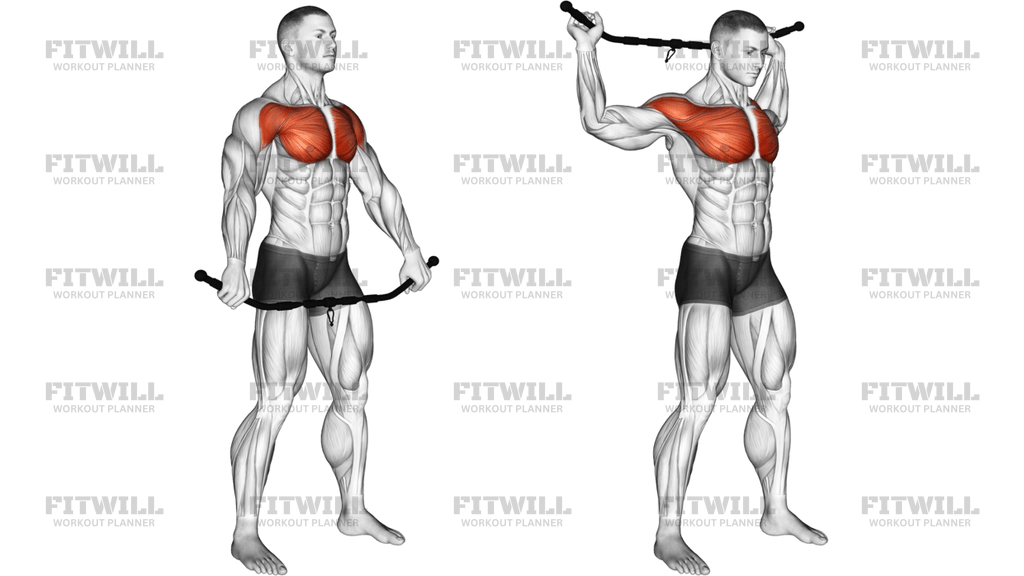
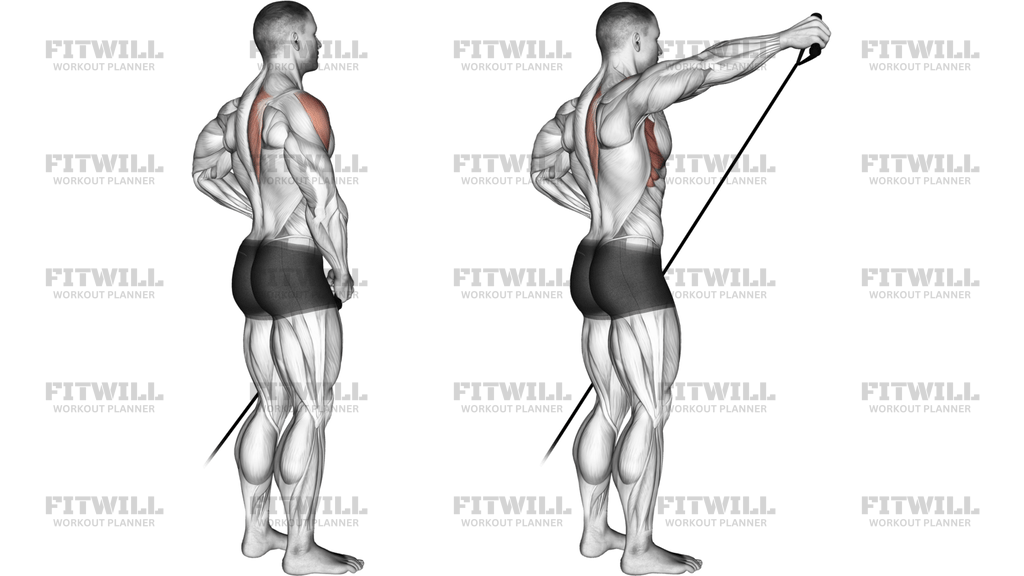
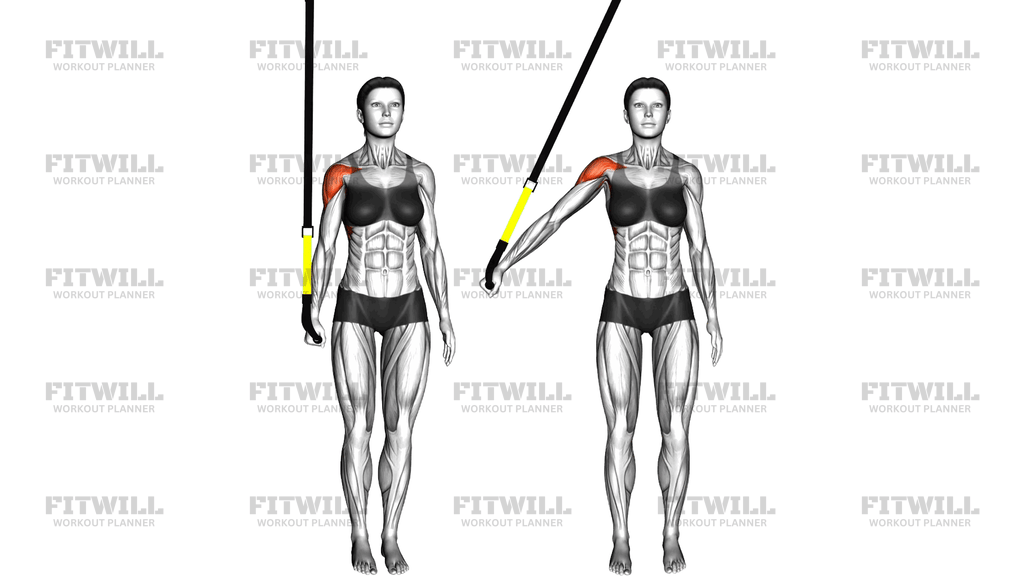
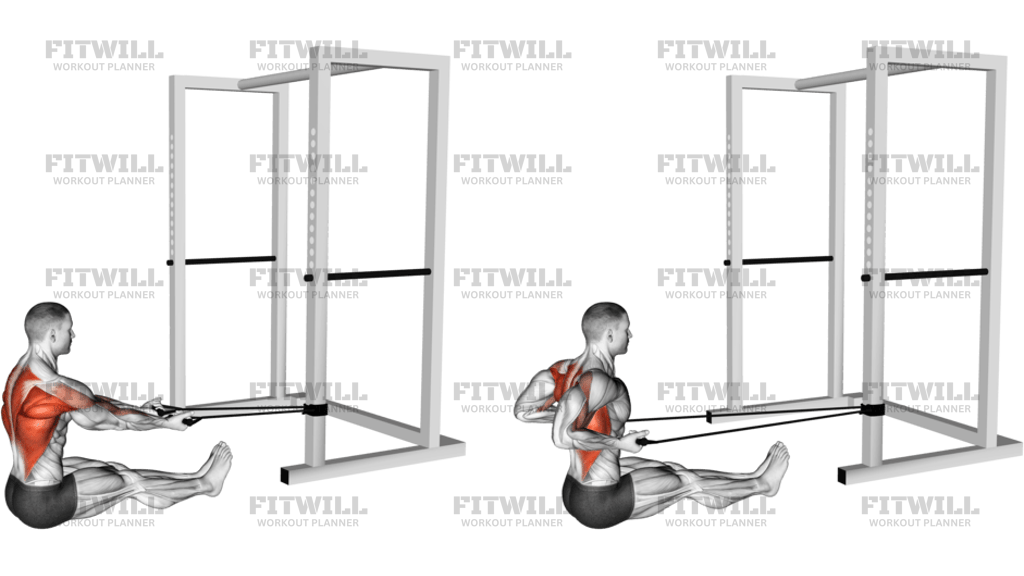
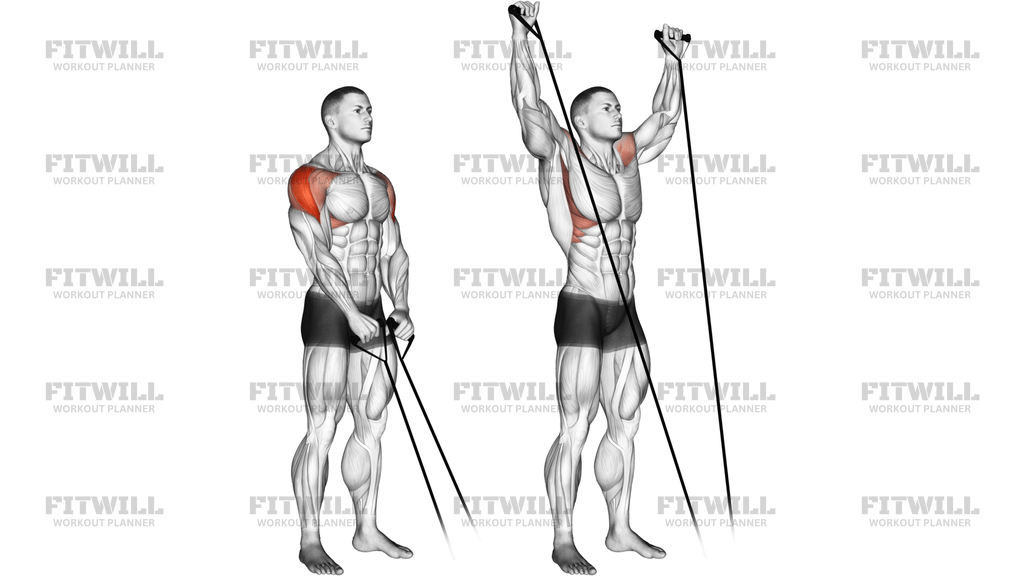
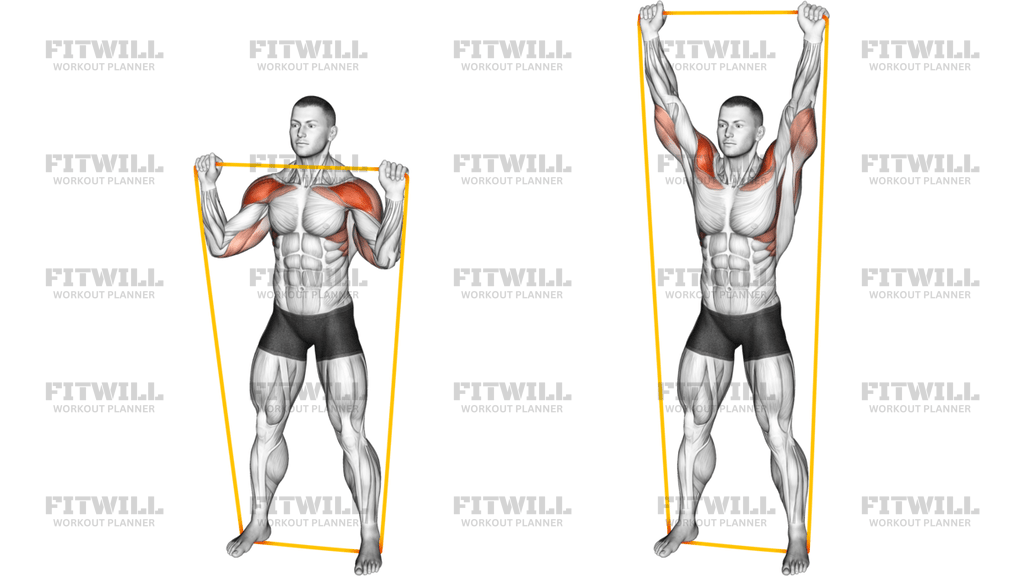
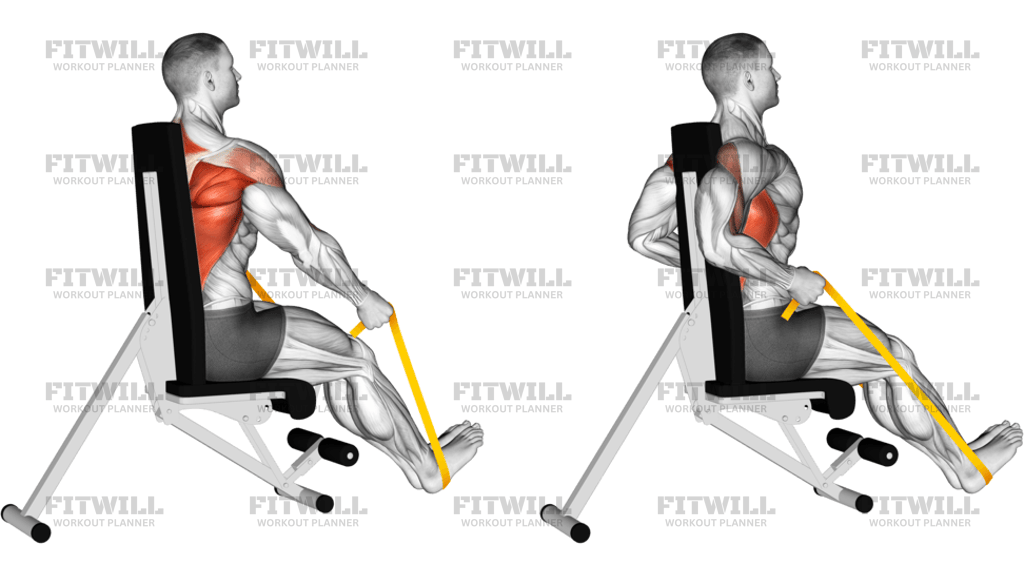
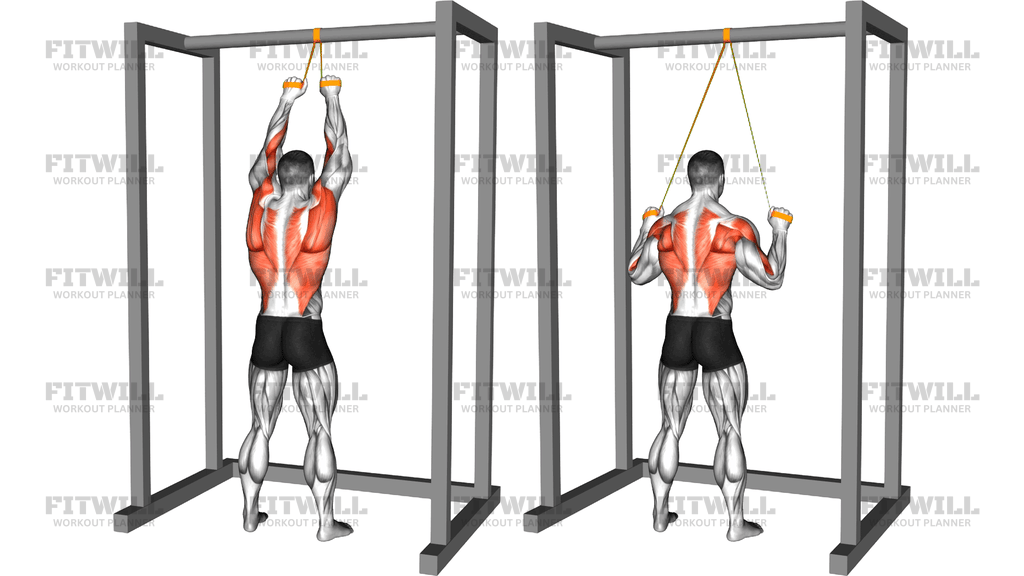
Band One-Arm Standing Low Row is a single-arm band pulling exercise that trains the upper back, lats, rear shoulder, and arm muscles while also asking your torso to stay steady against the sideways pull of the band. The image shows a staggered standing stance with the working arm starting low and the band anchored below shoulder height, so the line of pull travels from low in front of the body toward the hip and lower ribs. That setup matters: it lets you row through a natural path instead of shrugging the shoulder or turning the exercise into a twist.
This movement is useful when you want back work without a machine or heavy external load. The primary emphasis in this record is traps, with strong contribution from the rhomboids, lats, and biceps as the elbow drives back. In practical terms, the scapula should glide back and slightly down as the handle travels, then return forward under control on the way out. If the shoulder hikes toward the ear or the torso spins open, the band is usually too heavy or the stance is too loose.
A good rep starts before the pull. Set your feet in a split stance, soften the knees, and hinge just enough to keep the ribs stacked over the pelvis. From there, reach the working arm forward without losing posture, then row by driving the elbow toward the back pocket while keeping the wrist and forearm in line with the band. The nonworking arm can stay out for balance, but it should not be used to yank the torso into position. The goal is a clean row, not a heave.
Because the resistance increases as the band stretches, the hardest part of the rep is usually the finish. Hold the top briefly with the shoulder packed, then let the arm travel forward slowly until the shoulder blade can protract without collapsing the chest or lower back. That controlled return is part of the training effect, especially for the mid-back and shoulder stabilizers. Breathe out as you row, inhale as the arm lengthens, and keep the neck relaxed so the upper traps do not dominate the movement.
Use this exercise for accessory back work, unilateral balance, warm-ups before heavier pulling, or home workouts where band tension is the main tool. It is also a practical option when you want to clean up side-to-side strength differences because each arm works on its own. Keep the load light enough that the stance stays quiet, the elbow path stays consistent, and the band tension never forces you to jerk the rep. When done well, it is a simple but very effective way to build back strength, posture control, and pulling coordination.
[ Workout Log & Planner ]
Put your next workout in Fitwill
Keep your plan and training log ready when you are.


Instructions
- Anchor the band low in front of you and stand in a staggered stance with the working-side foot slightly back.
- Hinge forward a little at the hips, keep your chest long, and let the working arm start low with the shoulder relaxed.
- Plant the free hand out in front for balance without letting it pull your torso around.
- Brace your midsection and keep your ribs stacked over your pelvis before you start the pull.
- Pull the handle back by driving the elbow toward your back pocket and lower ribs.
- Keep the wrist neutral and let the shoulder blade move back and slightly down instead of shrugging up.
- Squeeze briefly at the top while keeping your torso square to the anchor.
- Lower the handle forward under control until the arm is long again and the shoulder can reach without losing posture.
- Repeat for the planned reps, then reset the stance before switching sides.
Tips & Tricks
- Set the band low enough that the row finishes near the hip or lower ribs, not high across the chest.
- If your shoulder shrugs toward your ear, shorten the band or step closer to the anchor.
- Keep the front knee soft and the back heel grounded so the band does not pull you into a lunge.
- Think about sliding the shoulder blade back first, then finishing the pull with the elbow.
- Do not let the working elbow flare wide; a tighter path usually keeps the lats and mid-back honest.
- Pause for a moment at the peak contraction instead of trying to add speed for more tension.
- Use a slow return so the band does not snap your arm back and rotate your torso.
- If your lower back arches, reduce range and keep the ribs down while you row.
- Choose a resistance that lets both sides match in tempo and body position.
Frequently Asked Questions
What muscle does Band One-Arm Standing Low Row target most?
This record lists the traps as the primary target, with strong help from the upper back, lats, and biceps.
Can beginners perform this exercise?
Yes. Beginners usually do well with a light band and a split stance that makes the torso easy to keep still.
Where should the handle travel during the row?
Pull it back toward the working hip or lower ribs, not straight up toward the shoulder.
What is a common mistake to avoid?
The biggest errors are shrugging the shoulder, twisting the torso, or letting the band snap the arm back.
Should I keep my torso square or rotate a little?
Keep the torso mostly square to the anchor. A small amount of natural movement is fine, but the rep should not turn into a twist.
Why use a staggered stance instead of standing straight?
The staggered stance gives you a wider base and makes it easier to resist the sideways pull of the band.
What should I feel at the top of the rep?
You should feel the shoulder blade move back and down, with the back of the shoulder and upper back doing most of the work.
How do I make the exercise harder without just using a heavier band?
Step farther from the anchor, slow the lowering phase, or add a brief pause at the row position.
Does the free hand matter?
Yes. Light support from the free hand can help balance, but it should not be used to yank the body or shorten the working side's range.