Push-Up On Forearm
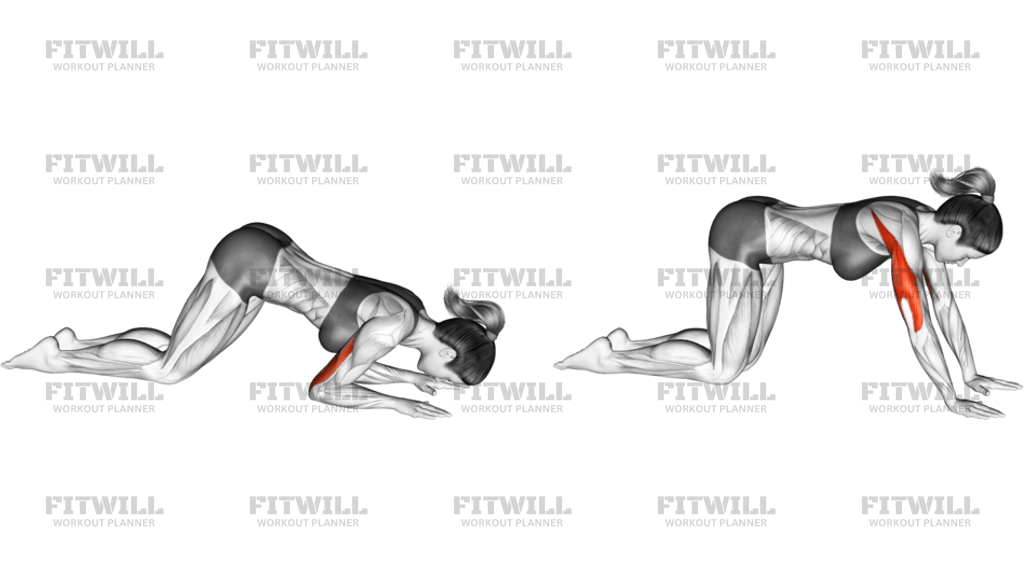
Push-Up On Forearm is a body-weight pressing variation that uses a low forearm-supported position to challenge the triceps, shoulders, chest, and trunk at the same time. The shorter support base makes body alignment matter more than speed, so each rep should feel deliberate from the first setup cue to the last controlled return.
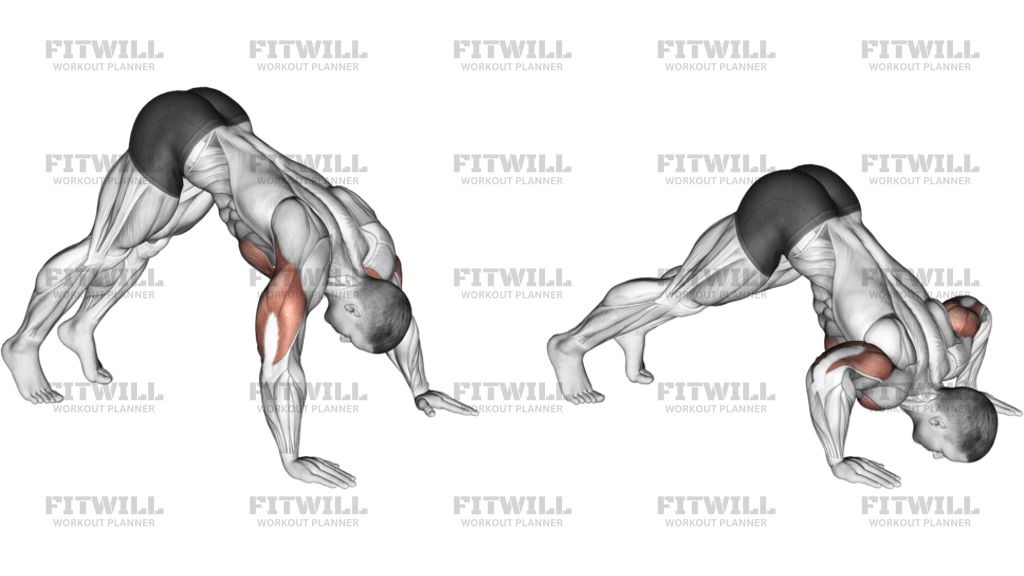
The main training effect is elbow extension under tension, with the triceps doing most of the visible work while the forearm, front shoulder, and core keep the torso from twisting or sagging. In anatomy terms, the primary target is the triceps brachii, with help from the forearm flexors, anterior deltoid, and rectus abdominis. That combination makes this a useful drill for pressing strength, shoulder stability, and midline control.
The setup is the part that decides whether the rep feels clean. Place the forearm support under the shoulder line, set the feet far enough back to keep the body long, and lock in a straight line from head to heels before you start moving. If the chest drops first, the hips drift, or the shoulder shrugs forward, the load shifts away from the triceps and into compensation. The best reps keep the torso organized while the elbows do the work.
Use a smooth press and a controlled lower instead of bouncing through the bottom. Keep the ribs tucked, squeeze the glutes, and let the elbow path stay close to the body so the triceps stay loaded. This variation fits well as accessory work, core-integrated pressing, or a body-weight strength block when you want triceps work without a full bench or machine setup. It also works well as a lower-wrist alternative to standard push-ups because the forearm position can reduce wrist extension stress.
Stay within a pain-free range and stop the set when the shoulder starts to wobble or the lower back loses its line. Beginners can use a knees-down or elevated version to keep the same forearm and trunk position while reducing the amount of bodyweight they have to press. Advanced lifters can slow the lowering phase or increase the pause at the bottom to make the triceps and shoulder stabilizers work harder without changing the exercise pattern.
[ Workout Log & Planner ]
Put your next workout in Fitwill
Keep your plan and training log ready when you are.


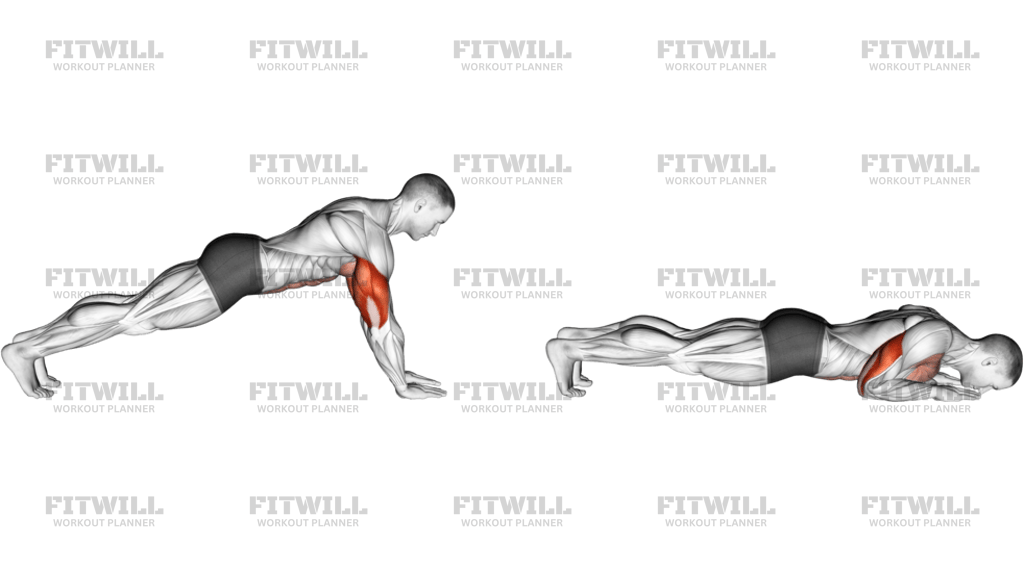
Instructions
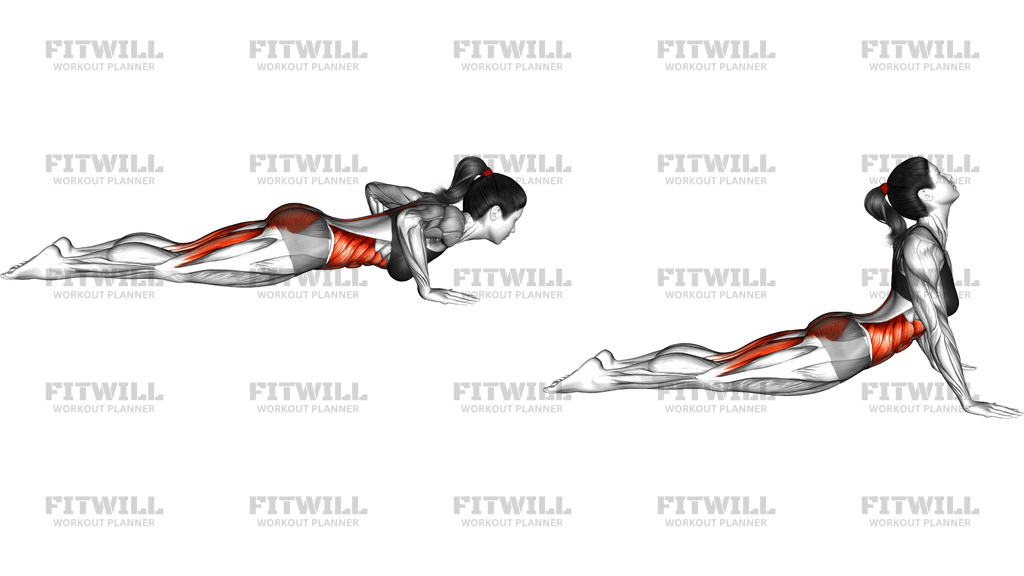
- Set a mat on the floor and get into the low push-up setup with one forearm planted under the shoulder line and the body in a long straight line.
- Set the other hand or support point where the pictured version gives you a stable base, with the elbow close enough to the torso to keep the press tight.
- Step the feet back and squeeze the glutes so the hips stay level instead of sagging or twisting.
- Brace the ribs down before you move, then keep the neck long and the eyes on the floor a few inches ahead of your hands.
- Lower the chest toward the floor under control, letting the elbow bend without flaring far away from the body.
- Keep the shoulder from shrugging forward as you approach the bottom position.
- Press back up by driving the floor away through the planted forearm and hand support until the arms are stacked again.
- Exhale on the press, inhale on the way down, and reset each rep without losing your plank line.
Tips & Tricks
- Keep the forearm support under the shoulder; if it drifts forward, the triceps lose leverage and the shoulder takes over.
- Use a mat or folded towel under the forearm if elbow pressure becomes the limiting factor before the triceps fatigue.
- Think about keeping your belt buckle and sternum pointed at the floor so the torso does not rotate toward the working side.
- Let the elbows track close to the ribs rather than flaring wide, which keeps the press tighter and more triceps-dominant.
- Stop the descent before the lower back arches; a slightly shorter range is better than losing the line from head to heels.
- If you cannot hold the torso rigid, move to a knees-down version or raise the hands slightly to keep the same pattern with less load.
- Use a slow lowering phase of two to four seconds to make the triceps and front shoulder work harder without adding momentum.
- Keep pressure spread through the support points instead of dumping all of it into the wrist or the front of the shoulder.
Frequently Asked Questions
What muscles does Push-Up On Forearm work?
The triceps do most of the pressing, while the forearms, front shoulders, chest, and core stabilize the body.
How is this different from a standard push-up?
The lower forearm-supported setup shortens the support base and makes elbow extension and trunk control more demanding.
Should my forearm stay under my shoulder?
Yes. Keeping the forearm stacked under the shoulder helps the triceps press efficiently and keeps the shoulder from drifting forward.
Can I do this on my knees?
Yes. A knees-down version keeps the same forearm and trunk position while reducing the amount of bodyweight you have to press.
Why do my hips twist when I lower?
That usually means the core is losing tension or one side is pressing harder than the other. Slow the rep and keep the ribs and hips square.
Is this easier on my wrists than a regular push-up?
Usually yes, because the forearm support reduces wrist extension. Elbow pressure can still be an issue, so use padding if needed.
How low should I go?
Go as low as you can while keeping the torso rigid and the shoulder stable. If the low back arches or the shoulder shifts, stop the descent sooner.
How can I make it harder?
Use a slower lowering phase, add a pause near the bottom, or increase the reps only after you can keep the forearm and trunk position clean.