Dumbbell Jumping Squat
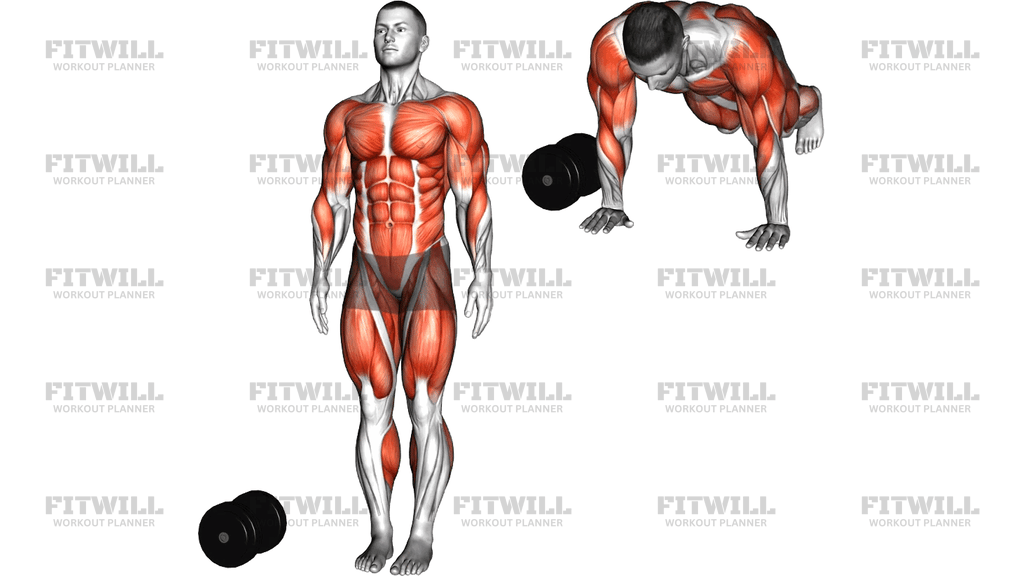
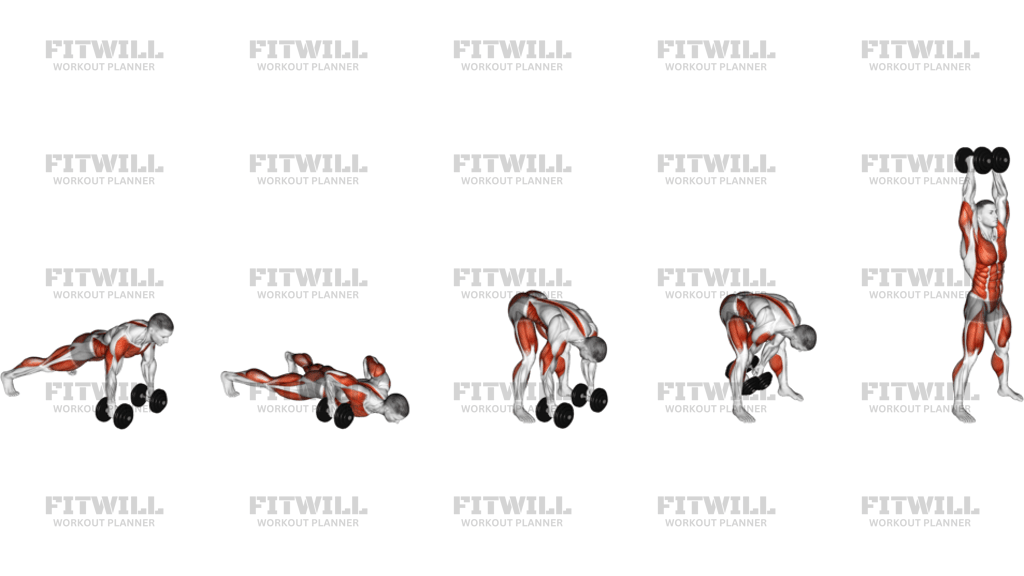
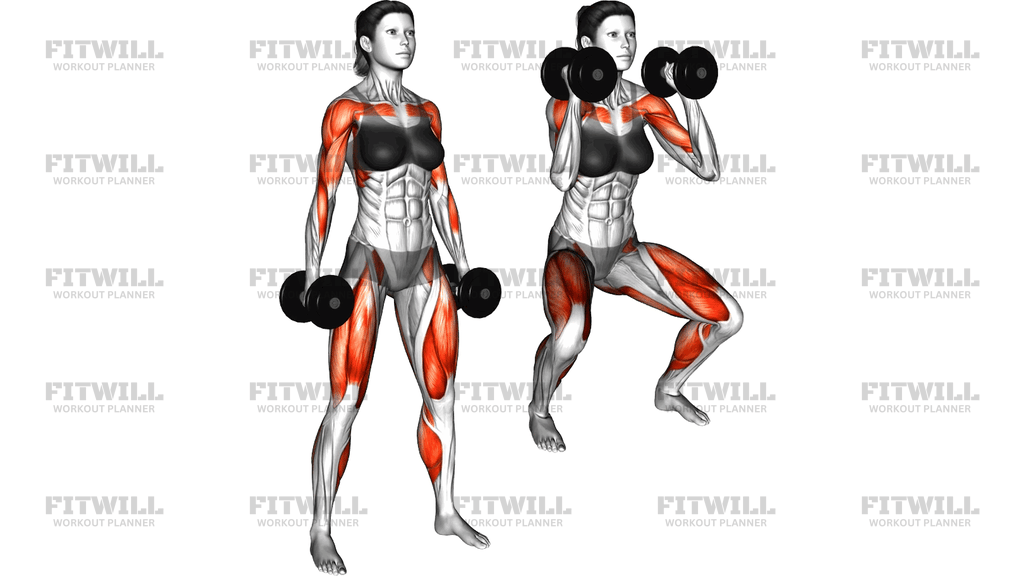
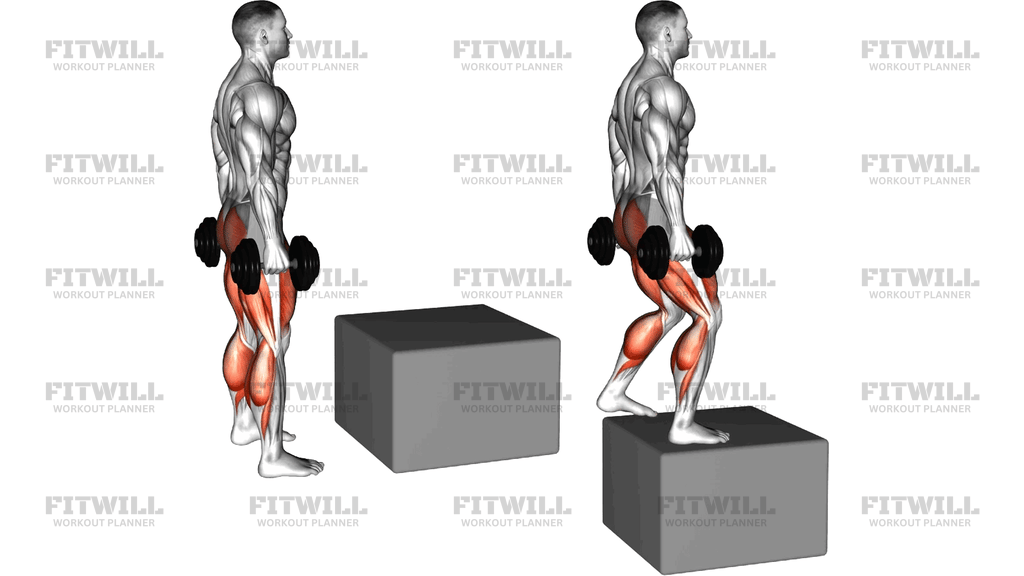
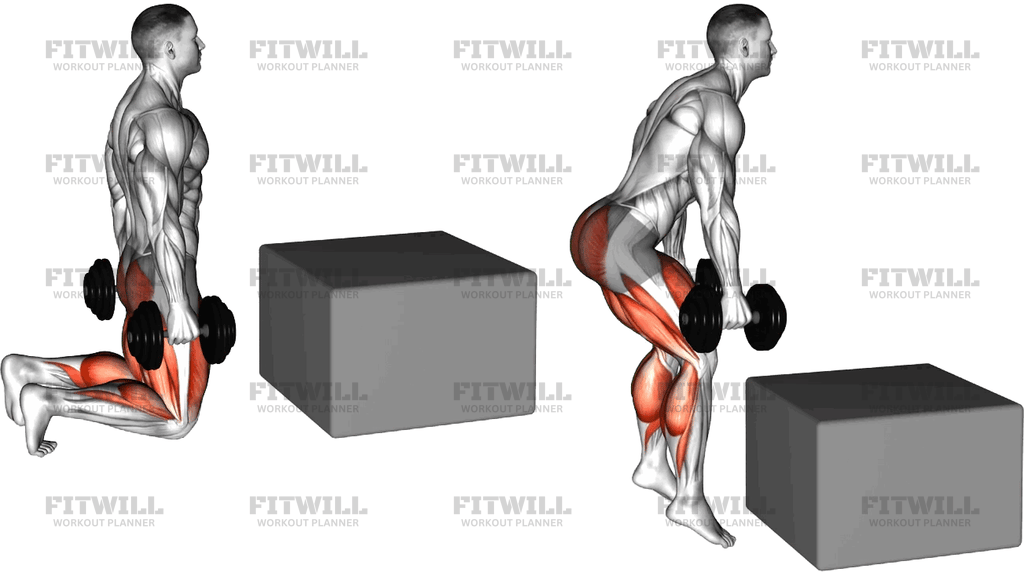
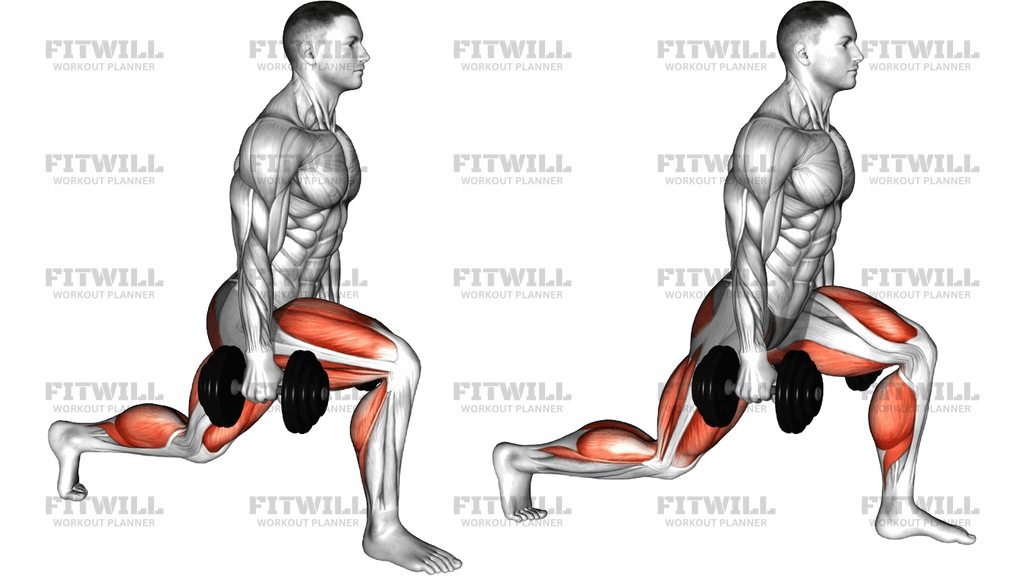
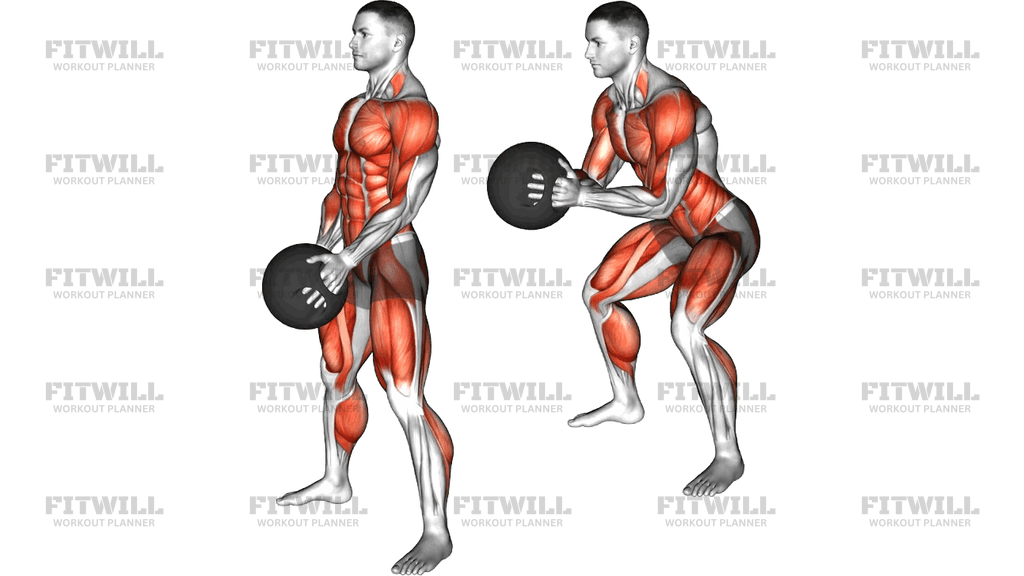
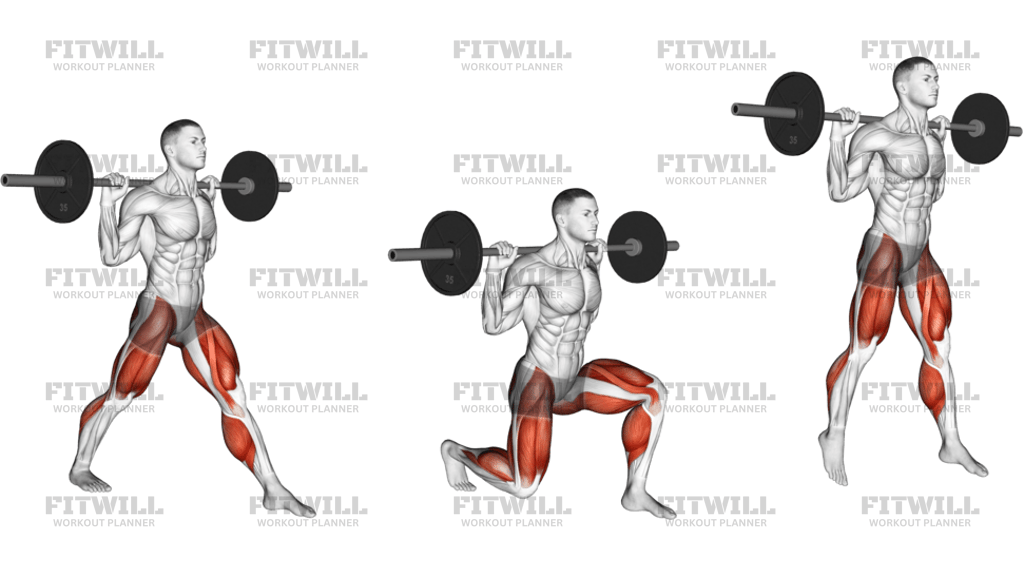
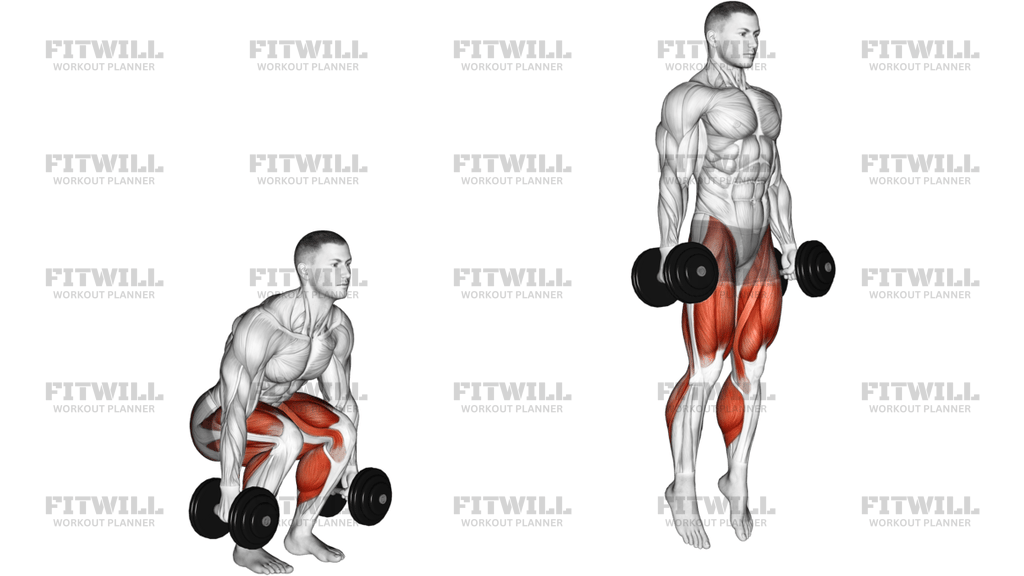
Dumbbell Jumping Squat is a loaded plyometric squat that combines a deep squat with an explosive vertical jump while the dumbbells stay at your sides. It is useful when you want to build lower-body power, speed off the floor, and coordination without turning the movement into a sloppy cardio drill. The image shows a classic dumbbells-at-the-sides setup, so the load should stay low enough that you can squat, jump, and land with the same body position every rep.
The main emphasis is on the quads, with strong help from the glutes, calves, and trunk stabilizers. Because the movement is explosive, the stabilizing muscles of the hips, knees, ankles, and core have to keep the landing organized so the force does not collapse inward through the knees or dump into the lower back. That makes Dumbbell Jumping Squat a good choice for athletes, conditioning blocks, and power-focused leg training when you want more demand than a bodyweight jump squat but still want the freedom of dumbbells.
The setup matters more than people expect. Hold the dumbbells with a neutral grip at your sides, plant your feet about shoulder width apart, and sit into a squat before you jump. Keep your chest tall, your heels grounded on the way down, and your torso braced so the dumbbells do not swing the rep for you. The jump should come from an aggressive leg drive, not from throwing the arms or pitching the torso forward.
On the way up, explode through the floor and leave the ground with both feet at the same time. Land softly on the balls of your feet, then let the heels settle as you absorb the impact into the hips and knees. Sink back into the next squat only as far as you can keep the knees tracking in line with the toes and the spine steady. If your landings get loud, your knees cave in, or the dumbbells start pulling you out of position, the load is too heavy or the pace is too fast.
Dumbbell Jumping Squat works best in small, high-quality sets where every rep looks the same. It can be used as a power drill, a lower-body conditioning finisher, or a primer before heavier strength work, but it should always stay crisp. Treat each rep like a jump you have to own on the landing, not just a squat you happen to leave the floor on.
[ Workout Log & Planner ]
Put your next workout in Fitwill
Keep your plan and training log ready when you are.


Instructions
- Stand tall with a dumbbell in each hand at your sides, feet about shoulder width apart, and toes slightly turned out.
- Brace your trunk, keep your chest lifted, and let the dumbbells hang still beside your thighs.
- Hinge at the hips and sit down into a squat until your thighs are near parallel or as low as you can control.
- Keep your heels down, knees tracking over your toes, and your back flat as you lower.
- Drive hard through the floor to stand up and leave the ground with an explosive jump.
- Keep the dumbbells close to your sides and avoid swinging them to create momentum.
- Land softly on the balls of your feet, then let the heels settle and absorb the landing through the hips and knees.
- Return immediately into the next squat only after the landing is balanced and quiet.
- Finish the set by standing tall under control and lowering the dumbbells safely to the floor or to your sides.
Tips & Tricks
- Choose dumbbells you could squat with for several clean reps, then go lighter for the jump so the landing stays sharp.
- Keep the dumbbells still at your sides; if they start swinging forward, the jump is being driven by momentum instead of legs.
- Think about pushing the floor away and jumping straight up rather than folding forward out of the bottom.
- Land quietly. Loud foot contact usually means you are dropping too fast or collapsing into the bottom position.
- If your knees cave inward, narrow the jump height and focus on driving them in line with the second toe.
- Stop the set when jump height drops or your torso starts leaning forward to save the rep.
- Use a slightly shorter squat depth if your hips or ankles cannot absorb the landing without rounding the lower back.
- Breathe in on the squat down, then exhale as you explode upward and reset after the landing.
- Treat every rep like a power rep, not a fatigue rep; once the jump gets slow, the set is over.
Frequently Asked Questions
What does Dumbbell Jumping Squat train?
It mainly trains the quads and glutes, with the calves and core helping you explode up and control the landing.
How should I hold the dumbbells in Dumbbell Jumping Squat?
Hold them with straight arms at your sides and keep the bells quiet. Do not curl them, swing them, or let them drift in front of your body.
Can beginners do Dumbbell Jumping Squat?
Yes, but only with very light dumbbells or bodyweight first. If you cannot land softly and keep the knees tracking well, the movement is too advanced for that load.
How low should I squat before jumping?
Go as low as you can while keeping the torso braced, heels down, and the lower back neutral. For many people that is around parallel, not a max-depth collapse.
What is the biggest mistake in Dumbbell Jumping Squat?
The biggest mistake is using too much load and turning the jump into a slow, noisy squat. The rep should stay explosive and the landing should stay controlled.
Should my heels leave the floor in Dumbbell Jumping Squat?
Yes, both feet leave the floor during the jump, but you should land under control. On the landing, let the heels settle so you can absorb force through the hips and knees.
How many reps work best for Dumbbell Jumping Squat?
Short sets of 3-6 reps usually work best because power drops quickly as fatigue rises. Stop before jump height and landing quality decline.
Is Dumbbell Jumping Squat hard on the knees?
It can be if you land stiff-legged or let the knees cave inward. Keep the knees tracking over the toes and reduce the load or jump height if the landing feels harsh.
Can I replace bodyweight jump squats with Dumbbell Jumping Squat?
Yes, but only if the added dumbbells do not change your jump mechanics. If the dumbbells make you lean forward or lose speed, bodyweight is the better option.