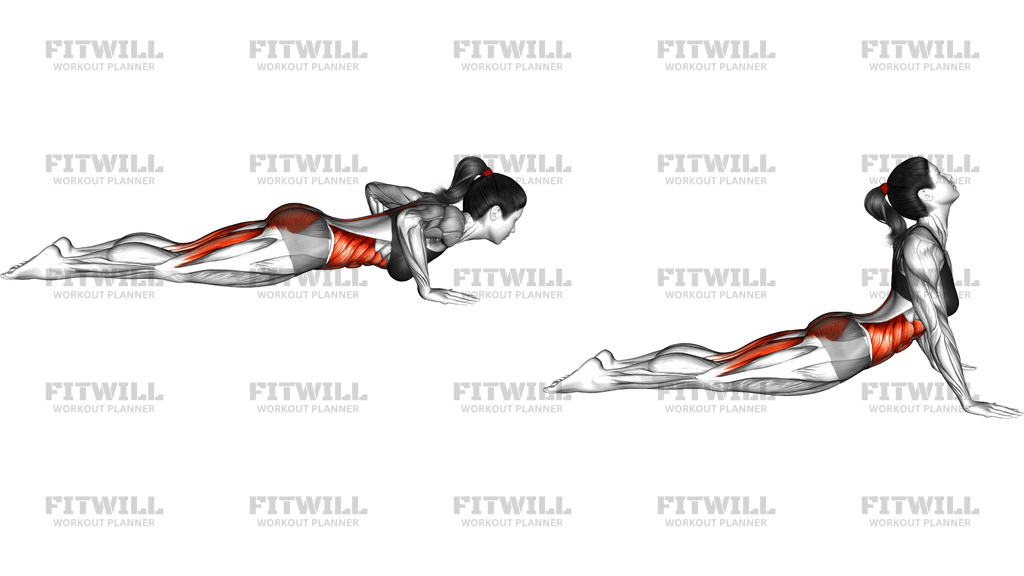
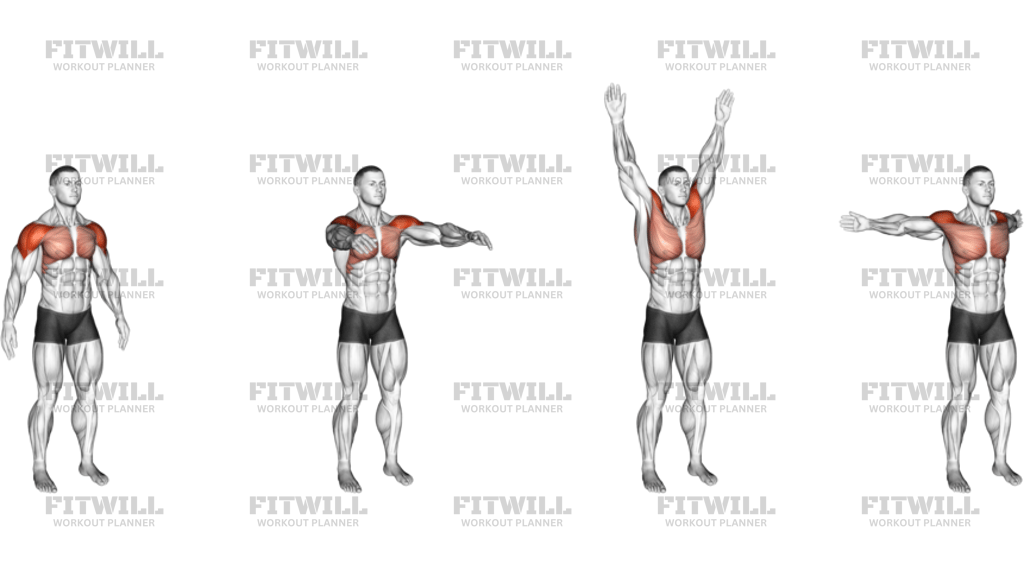
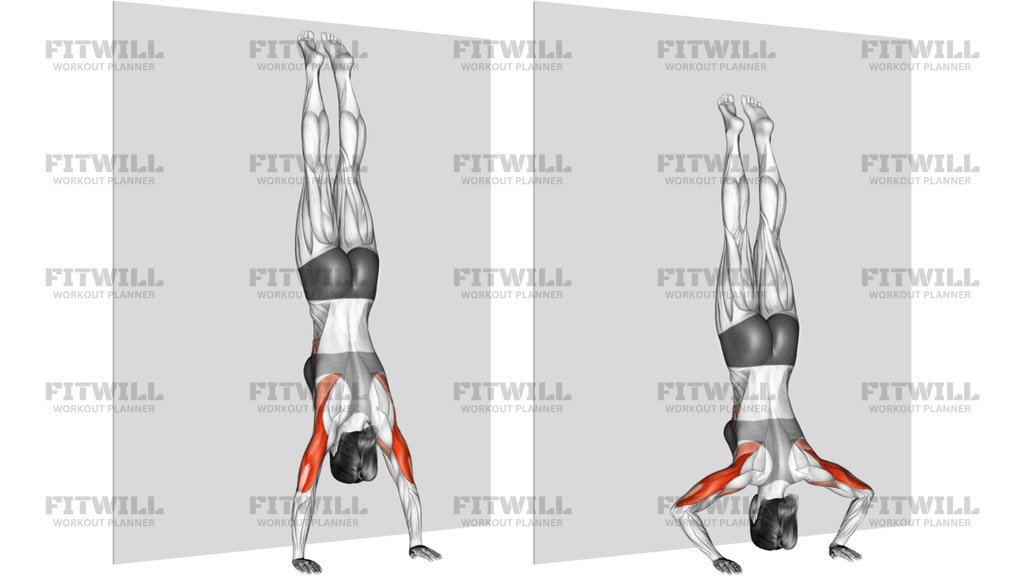
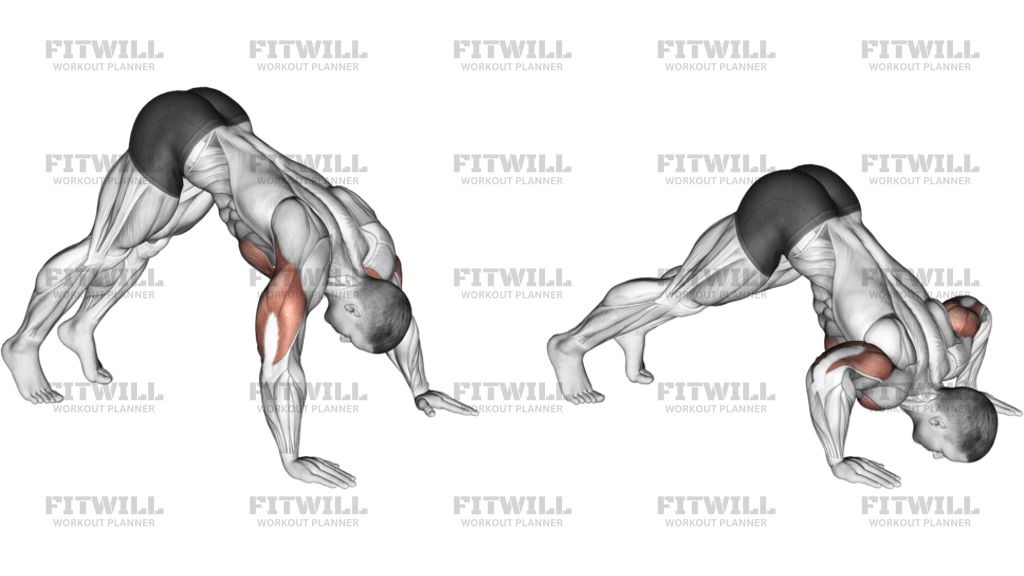
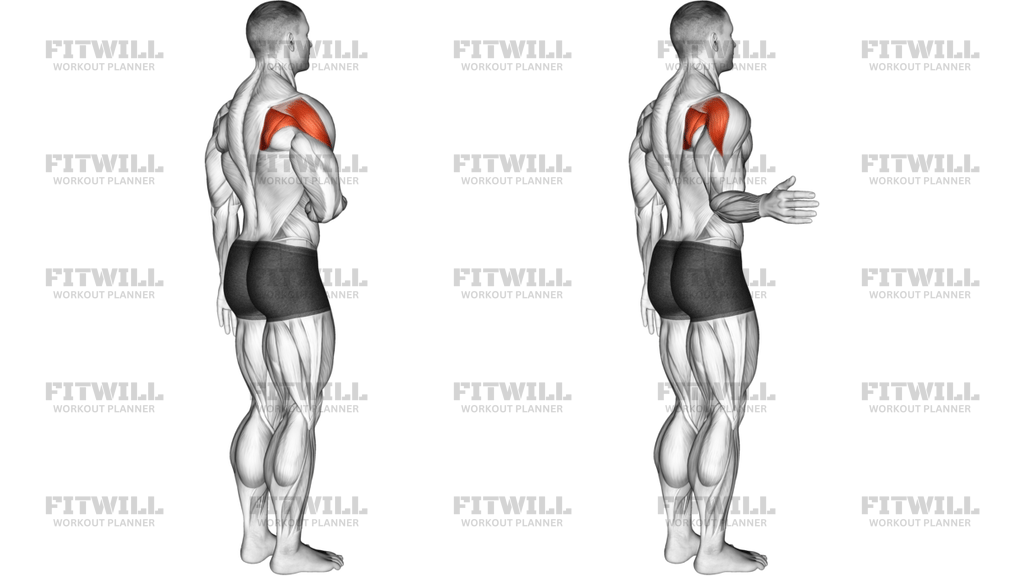
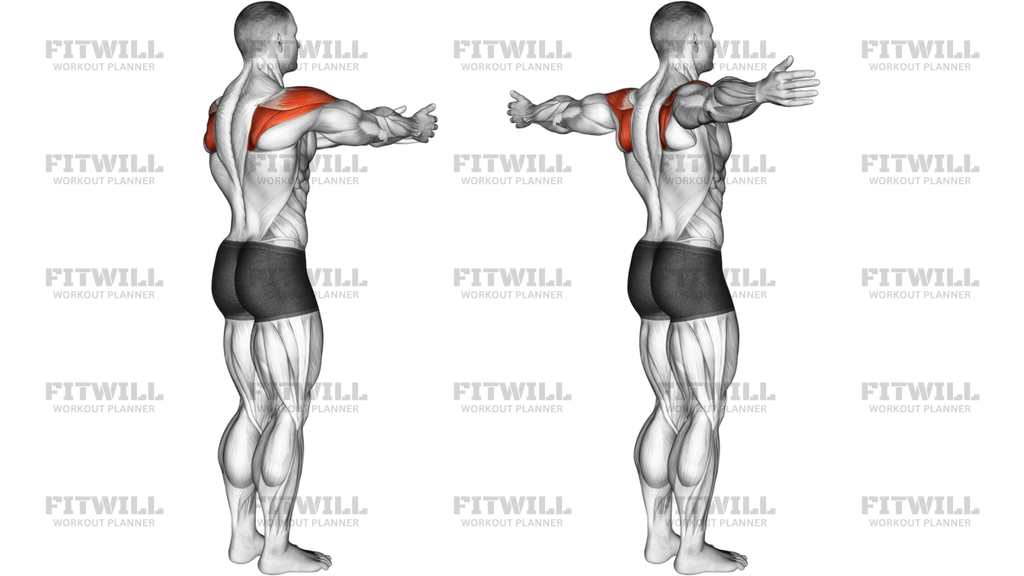
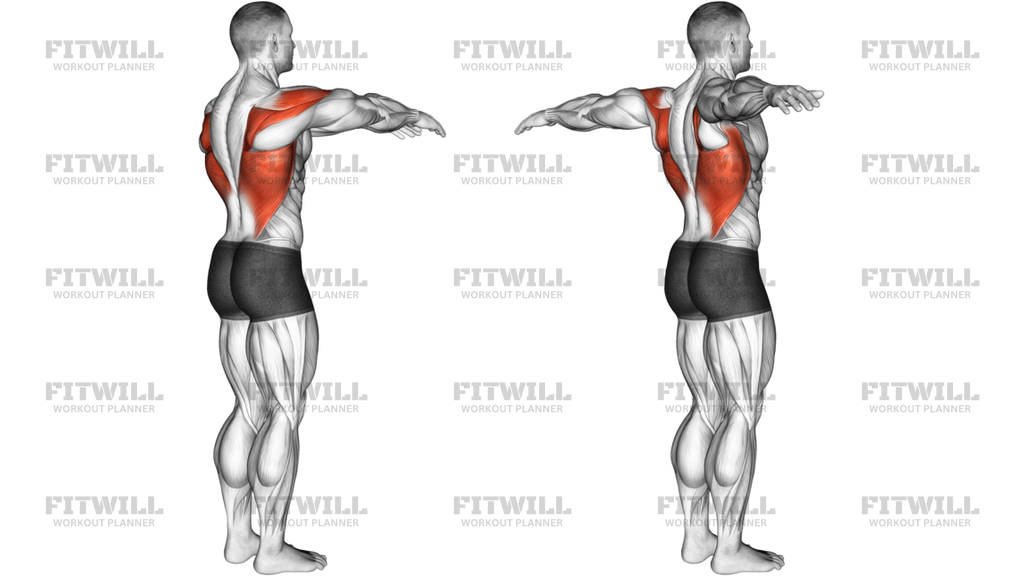
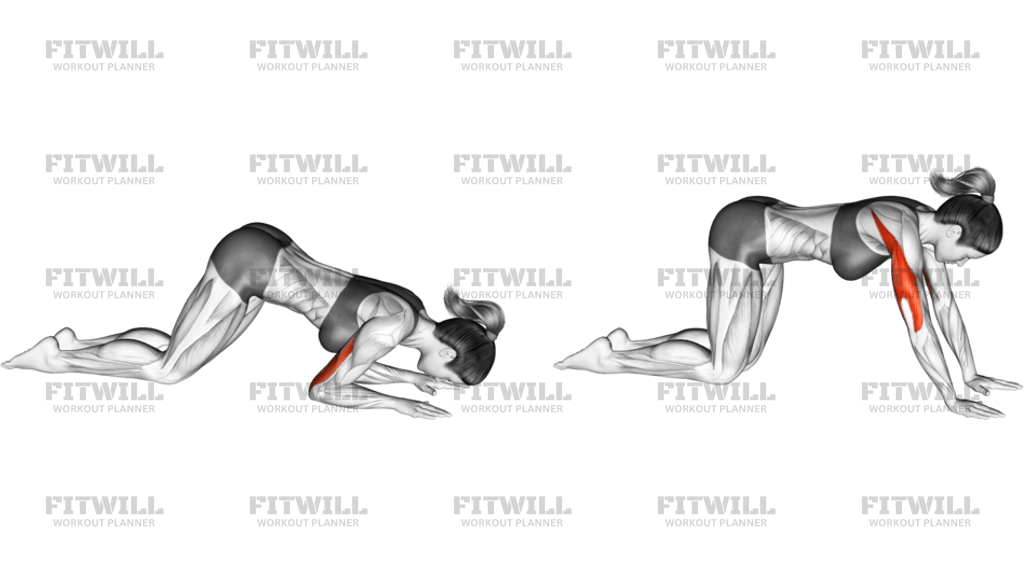
Elbow Extension Articulations
Elbow Extension Articulations is a low-load joint-control drill for the elbow, done standing with the upper arm fixed and the forearm moving through a smooth bend-and-straighten pattern. It is less about building maximal strength and more about teaching the elbow to travel cleanly while the shoulder, wrist, and trunk stay quiet.
The exercise emphasizes the triceps brachii while the forearm flexors, anterior deltoid, and core help stabilize the arm. That makes it useful as a warm-up, recovery drill, or mobility accessory when you want to rehearse a crisp elbow hinge before pressing, carrying, pushing, or arm-dominant training.
The setup matters because the elbow should move like a hinge, not like a loose swing. Stand tall, keep the upper arm close to your side, and hold the wrist in line with the forearm. From there, slowly open the elbow until the arm is nearly straight, then reverse the motion without snapping into lockout or letting the shoulder roll forward.
Clean reps should feel smooth and controlled, with no leaning, shrugging, or twisting through the torso. Use full pain-free range, breathe steadily, and stop if the motion becomes sharp at the elbow or drifts into the shoulder. With light body weight effort and careful control, the drill can also help you notice side-to-side differences in range or smoothness.
Fitwill
Log Workouts, Track Progress & Build Strength.
Achieve more with Fitwill: explore over 9600 exercises with images and videos, access built-in and custom workouts, perfect for both gym and home sessions, and see real results.
Start your journey. Download today!




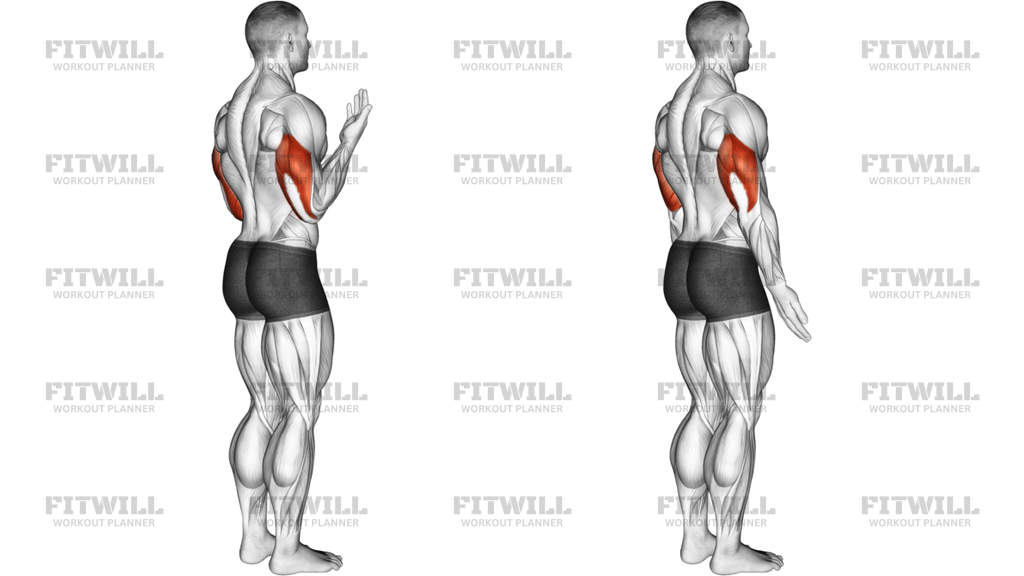
Instructions
- Stand tall with your feet about hip-width apart and stack your ribcage over your pelvis.
- Bring one upper arm close to your side and bend that elbow to about 90 degrees, with the forearm in front of you.
- Keep your wrist neutral and your shoulder relaxed instead of shrugging up.
- Brace lightly so your torso stays still while the forearm moves.
- Slowly straighten the elbow until the arm is nearly fully extended.
- Pause briefly at the end range without snapping into lockout.
- Bend the elbow back to the start under control, keeping the upper arm in place.
- Repeat for the planned reps, then switch sides if you are working one arm at a time.
Tips & Tricks
- Keep the upper arm glued to your side; if it drifts back, the shoulder is helping too much.
- Think hinge at the elbow, not reach with the hand.
- If the wrist bends back or curls forward, reduce tension and keep the forearm aligned.
- Move slowly enough that you can feel the triceps lengthen and shorten instead of bouncing through the motion.
- Do not slam into a hard lockout; finish the rep tall and controlled.
- If one elbow feels rough, shorten the range and work only the pain-free part of the arc.
- Exhale as you straighten the elbow and inhale as you return.
- Use this as a rehearsal drill before pressing or push-up work, not as a fatigue contest.
Frequently Asked Questions
What muscles does this exercise work most?
The triceps are the main movers, with the forearm flexors, anterior deltoid, and core helping to steady the arm.
Is this a strength exercise or a mobility drill?
It is mainly a joint-control and mobility drill, though the triceps still work through the motion.
Should my upper arm move during the rep?
No. Keep the upper arm close to your torso so the elbow does the work instead of the shoulder.
How straight should I make my arm?
Extend to a comfortable near-straight position, but do not force a painful lockout.
Can I do both arms at once?
Yes, if you can keep both shoulders level and both elbows moving at the same pace. One arm at a time is often easier to control.
What is a common mistake with elbow extension articulations?
Letting the shoulder shrug or the torso lean to fake a bigger range.
Can beginners do this exercise?
Yes. It is beginner-friendly when done slowly with a small, pain-free range.
When should I use it in a workout?
It works well in a warm-up, between upper-body sets, or on recovery days to keep the elbows moving well.