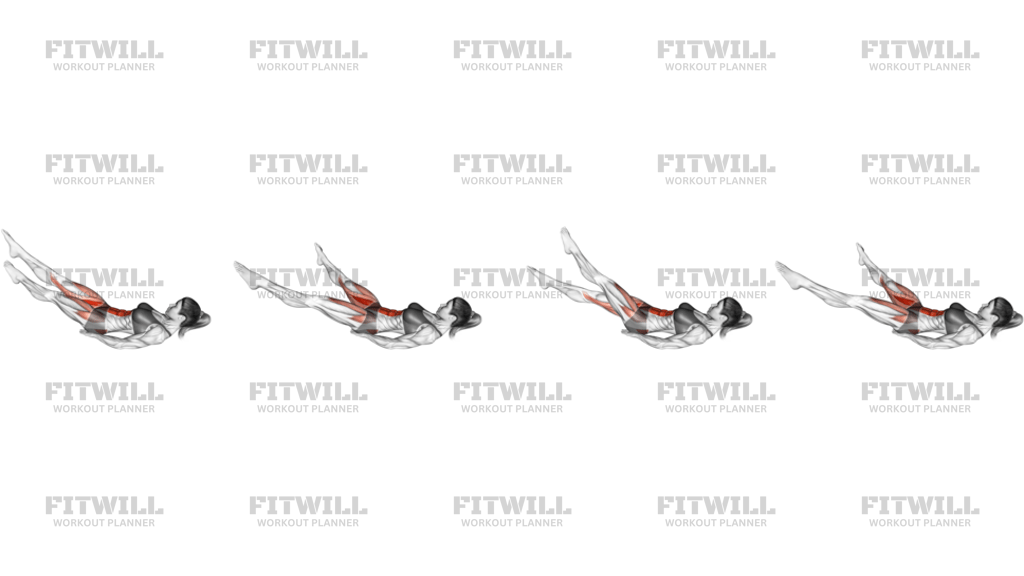
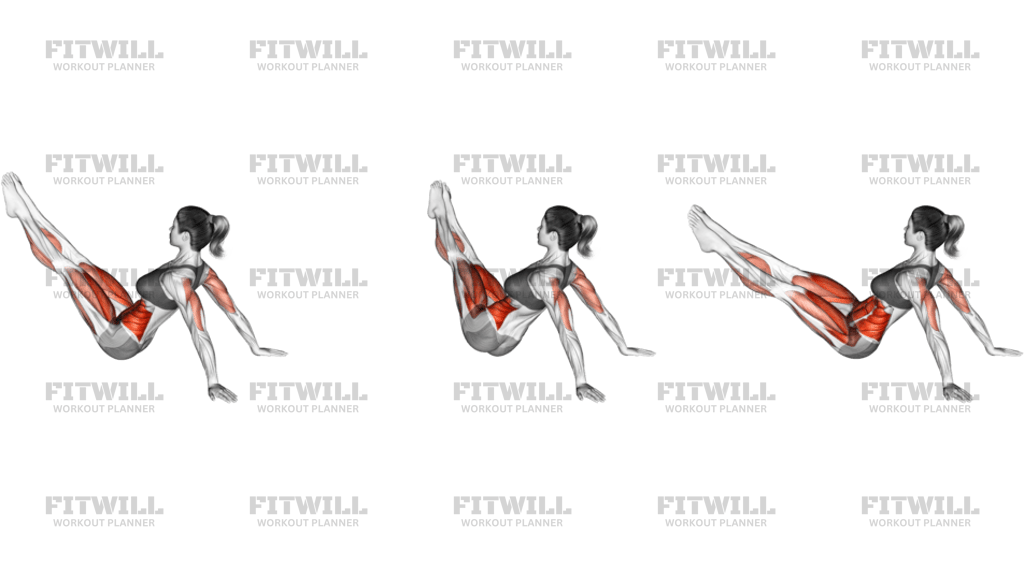
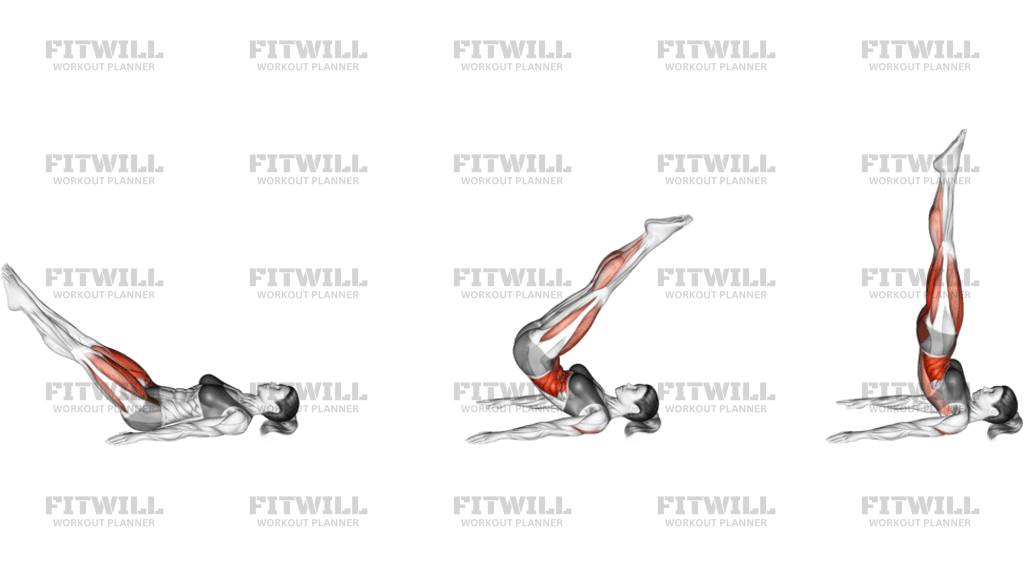
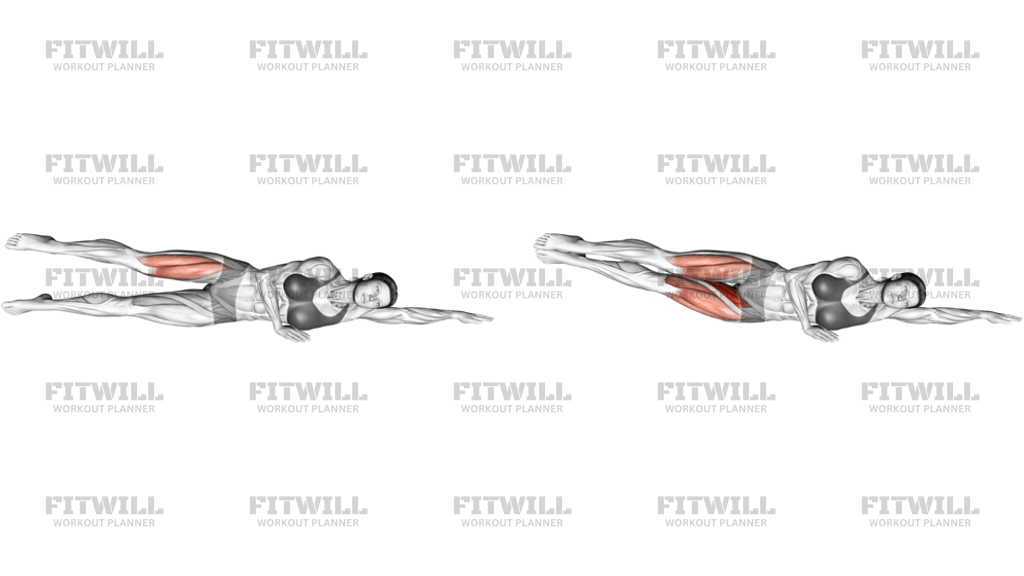
Bicycle
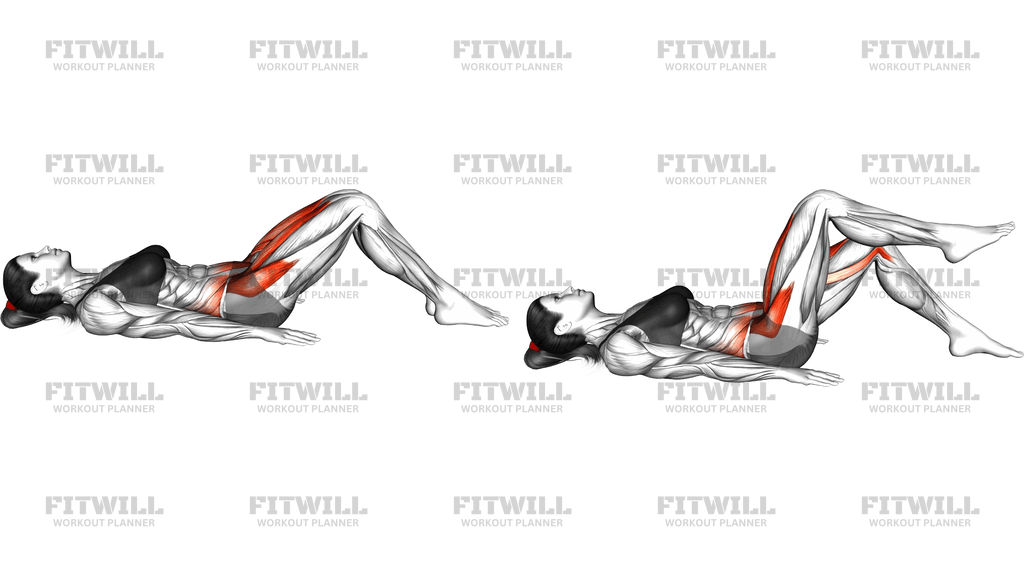
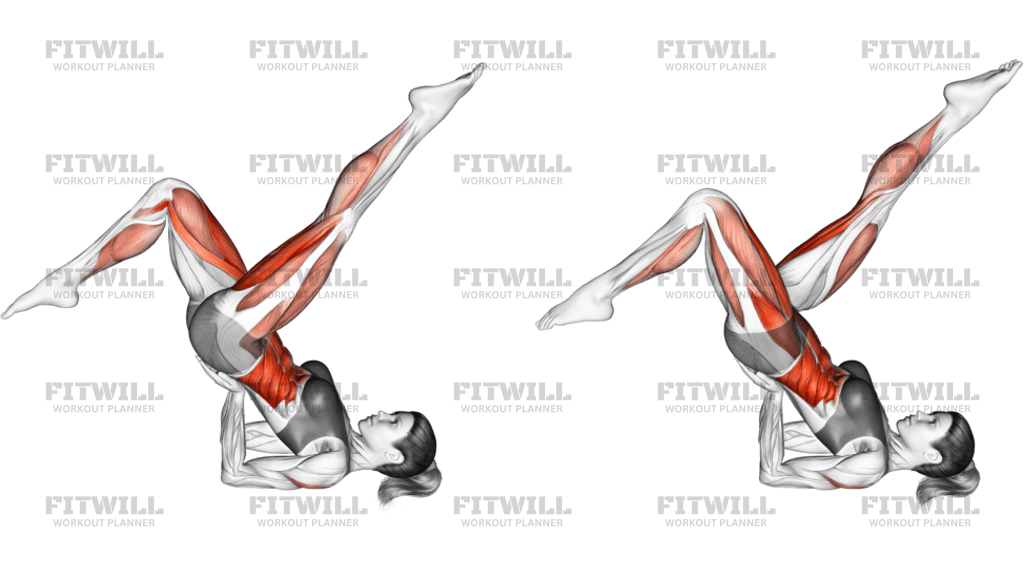
Bicycle is a bodyweight Pilates core exercise performed on the floor with alternating leg action and a stable trunk. In the image, the torso stays curled and the legs move in a cycling pattern, which makes the exercise look simple but much harder than it is once you slow it down and keep the pelvis from rocking. The goal is not to swing the legs through a big range. It is to keep the ribs knitted down, the lower back controlled, and the rotation coming from the torso rather than from momentum.
This movement trains the front of the core, the obliques, and the hip flexors while asking the shoulders and neck to stay relaxed. That combination is useful in Pilates, athletic warmups, and core-focused conditioning because it teaches you to coordinate breathing, trunk position, and alternating leg drive at the same time. If the body opens up too much, the exercise turns into a fast scissor kick and the abdominals stop doing the work. A clean Bicycle rep should feel organized, rhythmic, and deliberate.
The setup matters because the starting curl decides whether the low back stays supported through the whole set. Lie on your back, lightly support the head if needed, lift the shoulders off the floor, and bring the knees into a comfortable tabletop or near-tabletop position. From there, extend one leg while drawing the other knee toward the torso and keep the waistline from flaring. The leg that extends should stay long but controlled, and the returning knee should come back in without yanking the pelvis forward.
Use Bicycle when you want a floor-based core drill that builds control more than load. It works well as part of a Pilates circuit, a warmup before bigger lifts, or a finish after lower-body training when you want the abdominals to keep the pelvis stable under alternating leg motion. The main safety point is to keep the movement smooth enough that the neck does not tense and the low back does not arch. Shorten the lever, slow the pace, or reduce the range if you lose the curl or start pulling from the hip flexors instead of the abs.
[ Workout Log & Planner ]
Put your next workout in Fitwill
Keep your plan and training log ready when you are.


Instructions
- Lie on your back on a mat and lift your shoulders into a small curl so your upper back is off the floor.
- Bring both knees up so the hips are bent and the lower back stays heavy against the mat.
- Place your hands lightly beside your head or keep them relaxed where they do not pull on the neck.
- Press the ribs down, tuck the chin slightly, and prepare to keep the pelvis steady before the first rep.
- Extend one leg away from you while drawing the opposite knee in toward your torso.
- At the same time, rotate your ribcage so the opposite shoulder can move toward the drawn-in knee.
- Switch sides in a smooth cycling rhythm without letting the low back arch or the hips rock side to side.
- Keep the motion continuous and controlled, then lower the shoulders and legs to reset when the set is finished.
Tips & Tricks
- Make the curl small and firm; if your neck is doing the work, the shoulders are too high.
- Keep the extended leg long but not locked so the hip flexor does not yank the pelvis forward.
- Think about pulling the ribs toward the hips on every rep to stop the low back from arching.
- Move slower than you think you need to; Bicycle gets harder when the tempo is honest.
- Let the rotation come from the torso, not from swinging the elbows or flinging the knee across the body.
- Exhale as the leg extends and the ribcage turns, then inhale as you switch sides.
- If the abs are losing tension, shorten the leg extension before you reduce control of the trunk.
- Stop the set when the pelvis starts to wobble or the head starts to tug forward.
Frequently Asked Questions
What muscles does Bicycle work the most?
It primarily targets the abdominals, especially the obliques, while also challenging the hip flexors and deep stabilizers.
How should my shoulders and neck feel during Bicycle?
Your shoulders should stay lightly curled off the floor, but the neck should feel relaxed. If the neck starts to strain, reduce the curl and slow down.
Do I need to keep my lower back on the floor?
Yes. A controlled Bicycle should keep the lower back heavy and supported. If your low back arches, shorten the leg reach and make the movement smaller.
Can beginners do the Bicycle exercise?
Yes, but beginners should use a slow pace, a smaller leg extension, and a small shoulder curl until they can keep the pelvis stable.
Should the movement feel more like abs or legs?
The abs should drive the exercise. The legs move the pattern, but the trunk should stay organized so the hip flexors do not take over.
How do I know if I am doing Bicycle too fast?
If the torso bounces, the hips rock, or the knees swing through without control, the pace is too fast.
What is the best cue for the alternating leg motion?
Think of one knee drawing in while the opposite leg reaches long, with the ribcage rotating toward the working side.
When should I stop the set?
Stop when the curl disappears, the lower back starts to arch, or the neck begins to take over.