Corkscrew
Corkscrew is a Pilates mat core exercise that uses body weight and precise body control to challenge the abdominals, obliques, and deep stabilizers. The movement is built around a controlled pelvic circle with the legs together, so the real training effect comes from keeping the torso quiet while the lower body traces a smooth arc. It is not a speed exercise. It is a test of how well you can keep your ribs, pelvis, and shoulders organized while the legs travel through space.
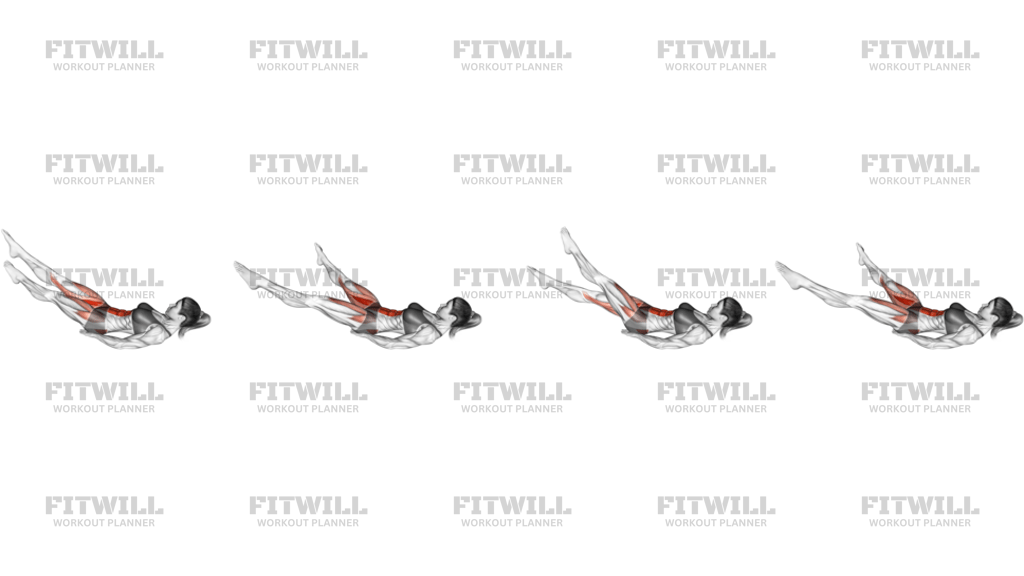
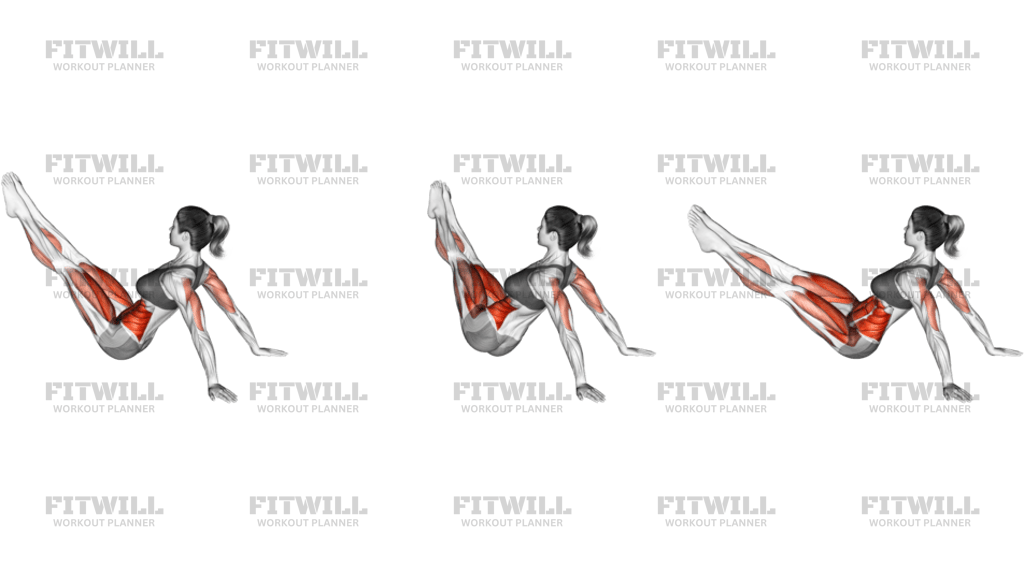
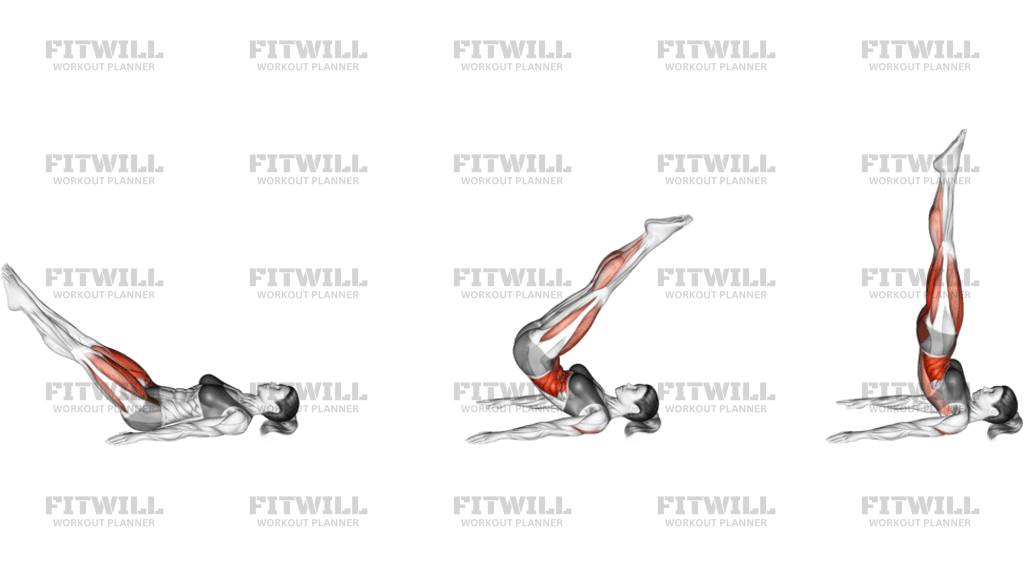
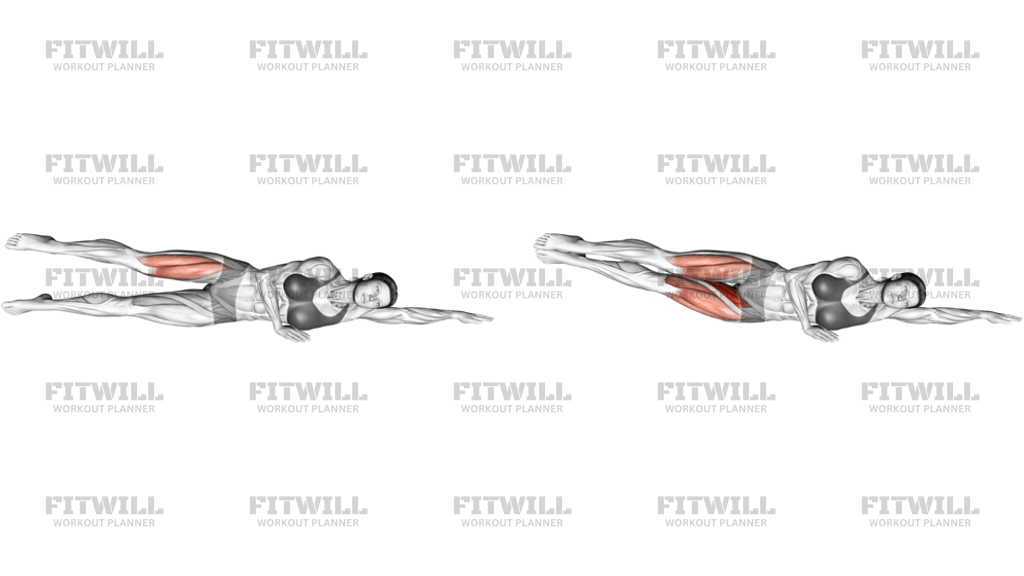
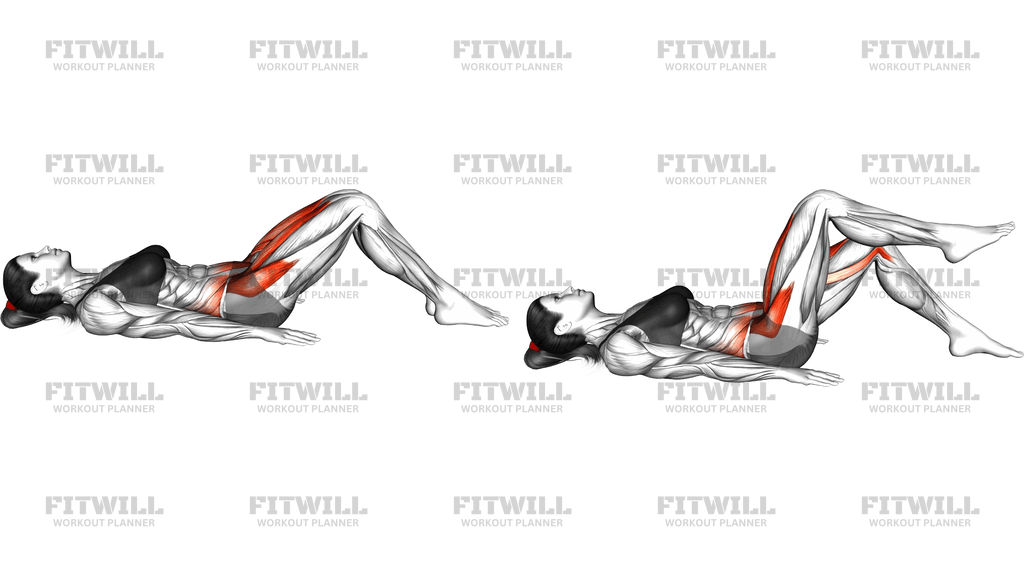
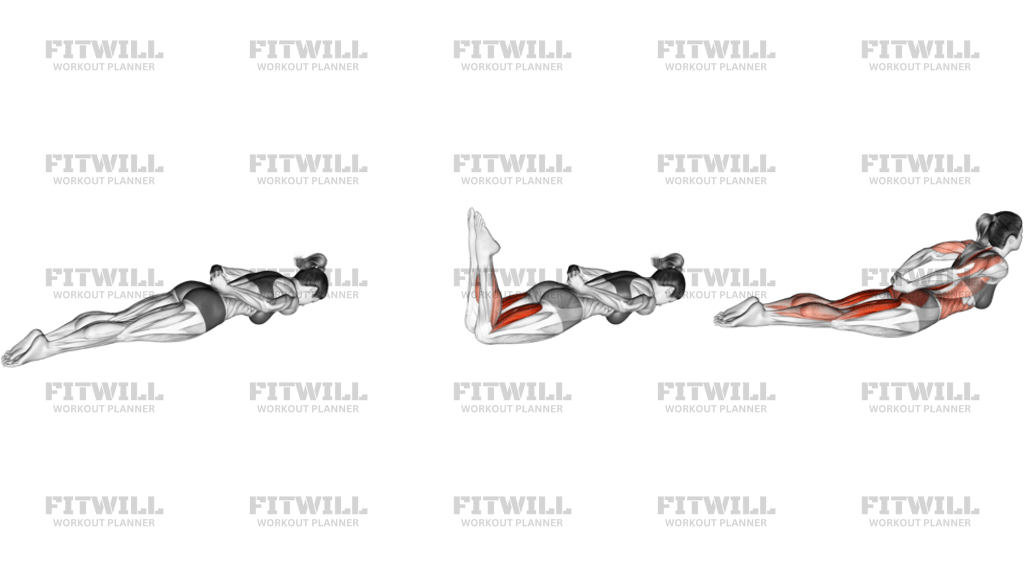
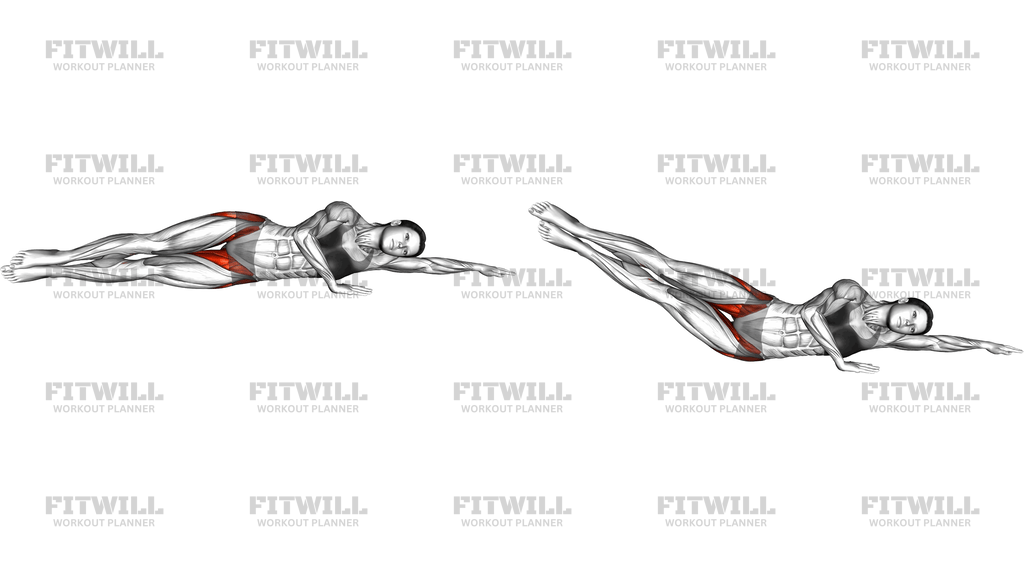
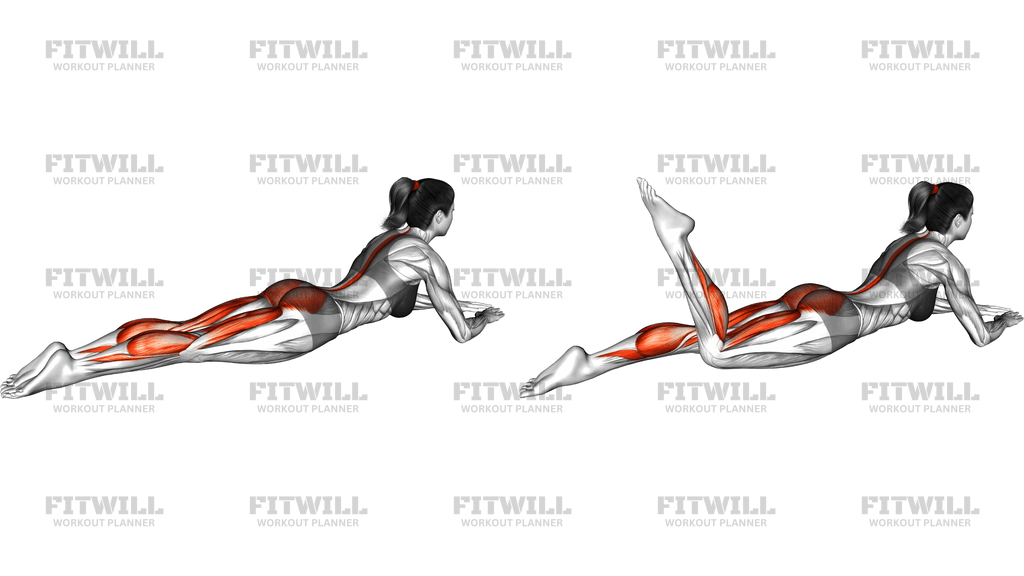
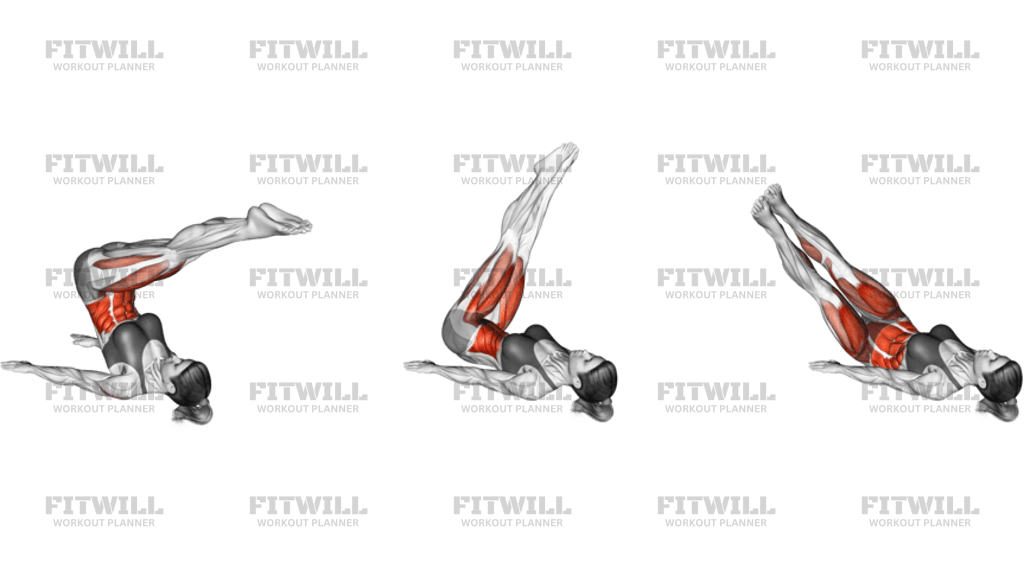
The image shows a supine floor setup with the shoulders anchored to the mat and the legs extended together as they sweep overhead and around in a circular path. That setup matters because the movement should come from the trunk and pelvis, not from swinging the legs or yanking the low back off the floor. The arms stay pressed into the mat for support, the neck stays relaxed, and the shoulders remain heavy so the spine can stay controlled.
Corkscrew trains anti-extension, rotation control, and spinal articulation at the same time. In practice, that means the abs have to keep the lower ribs from flaring while the pelvis rolls through the circle. A small, tidy circle is more useful than a large one that steals shape from the low back or forces the hips to twist off course. If you feel the movement mostly in the hip flexors or hamstrings, the range is usually too big or the control is too loose.
Use this exercise when you want a focused Pilates core drill that rewards precision, breath control, and a smooth tempo. It fits well in a core sequence, warm-up, or movement-quality session where you want to train control rather than load. Beginners can practice a smaller range with the knees slightly softened, while more advanced lifters can keep the legs straighter and the circle lower only as long as the torso stays stable.
The safest version is the one you can repeat without neck tension, shoulder shrugging, or a sharp pull in the lumbar spine. Keep the motion smooth, exhale through the hard part of the circle, and reset if the legs start to swing faster than the trunk can manage. The goal is clean pelvic control and consistent shape from the first rep to the last.
[ Workout Log & Planner ]
Put your next workout in Fitwill
Keep your plan and training log ready when you are.


Instructions
- Lie on your back on the mat with your shoulders relaxed, arms stretched out wide for support, and both legs together and extended upward.
- Press your upper arms and palms into the floor, draw your ribs down, and set your pelvis so your low back stays long instead of arched.
- Keep the legs straight or softly bent if needed, then lift them to a controlled starting angle before the first circle.
- Exhale as you guide both legs across one side, down toward the floor, and around in a smooth circular path.
- Let the pelvis roll only as far as you can control it, keeping the shoulders and upper back anchored to the mat.
- Continue the circle to the other side without snapping the legs or letting the knees separate.
- Inhale through the easier part of the path and keep the neck loose while the abdominals control the return.
- Reset the circle under control and repeat for the planned reps or switch directions after the programmed set.
Tips & Tricks
- Keep the circle small enough that your ribs do not pop up or your lower back does not slam into the mat.
- Press the back of the shoulders into the floor so the upper body stays quiet while the legs travel.
- Think of the legs drawing a clean loop, not a kick or a swing.
- If the hips drift off the mat too early, shorten the range before trying to make the circle bigger.
- Keep both thighs and inner knees lightly squeezed together so one leg does not lead the other.
- Use the exhale to finish the hardest part of the circle and stop the movement from speeding up.
- A soft bend in the knees is a good regression if straight legs pull your pelvis out of position.
- Stop the set if you feel neck tension, pinching in the low back, or loss of control at the bottom of the circle.
Frequently Asked Questions
What does Corkscrew work most?
It mainly trains the deep abdominals and obliques, with the hip flexors, glutes, and spinal stabilizers helping control the leg circle.
Why do the shoulders stay on the mat during Corkscrew?
Keeping the shoulders anchored helps isolate pelvic control and stops the exercise from turning into a neck-driven crunch.
How big should the leg circle be?
Small to moderate is usually best. The circle should stay smooth and controlled without forcing the low back or hips to twist off the mat.
Can I bend my knees in Corkscrew?
Yes. A slight knee bend is a useful regression if straight legs make it hard to keep the pelvis stable and the movement clean.
What is the biggest mistake with this exercise?
The most common error is swinging the legs around the circle instead of controlling the pelvis and trunk through the motion.
Is Corkscrew safe for people with low-back issues?
Only if you can keep a controlled, pain-free range. If the lumbar spine feels pinched or strained, reduce the circle size or choose a simpler Pilates core drill.
Do I need equipment for Corkscrew?
No. This version is a bodyweight mat exercise, usually done on a flat floor or Pilates mat.
How do I progress Corkscrew?
Progress by making the circle smoother and more precise, then gradually straightening the legs or increasing the range only if your torso stays stable.