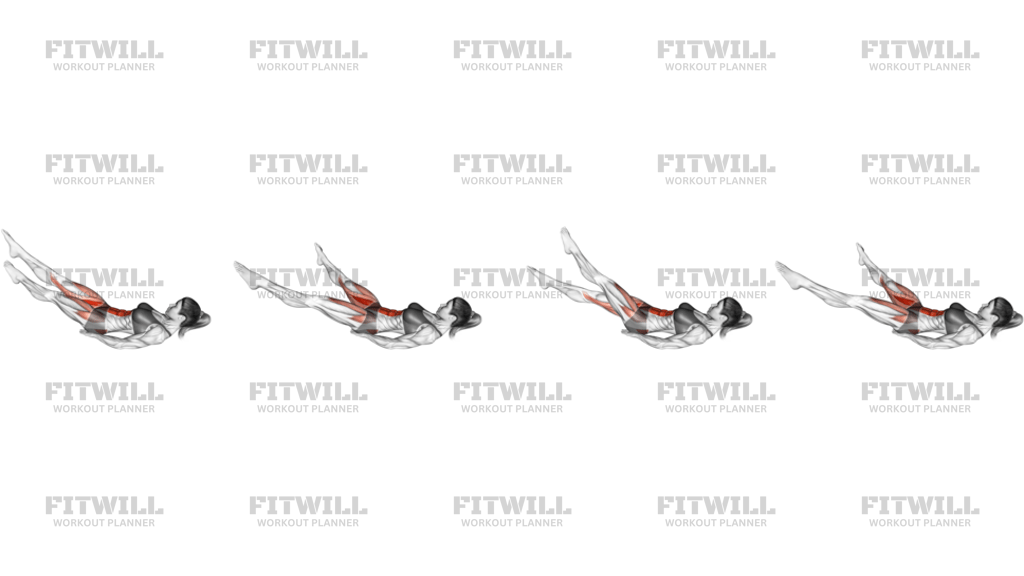
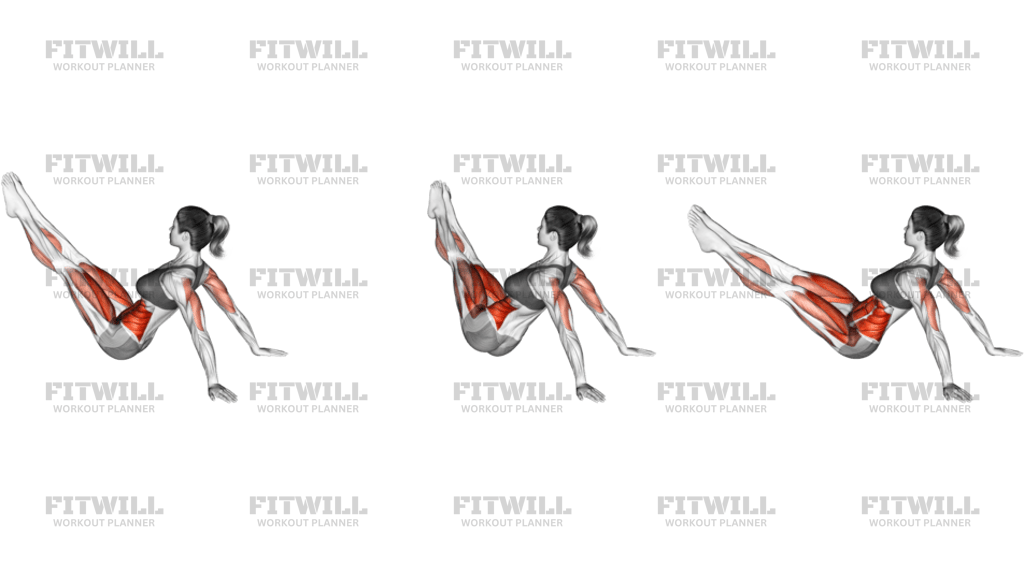
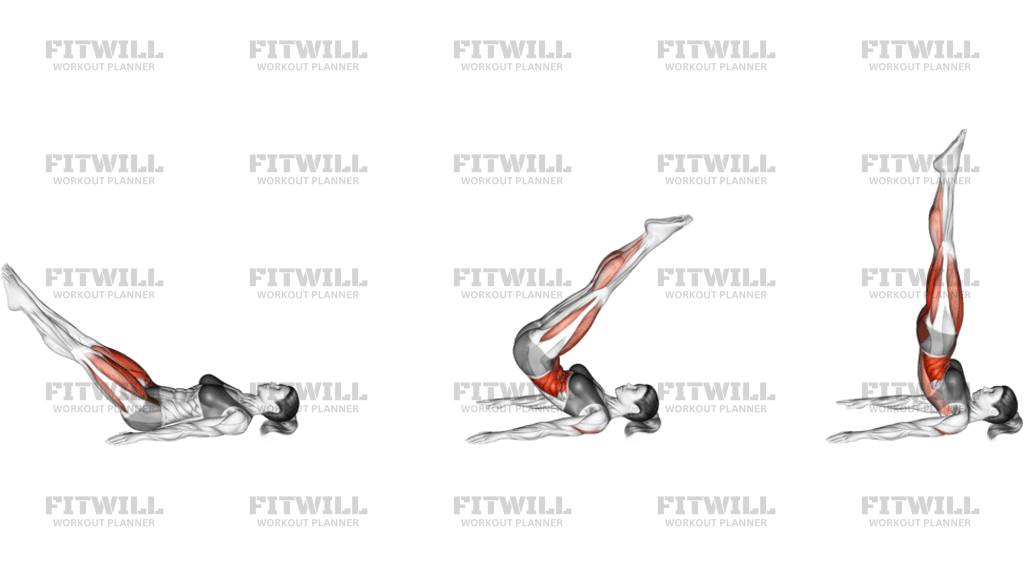
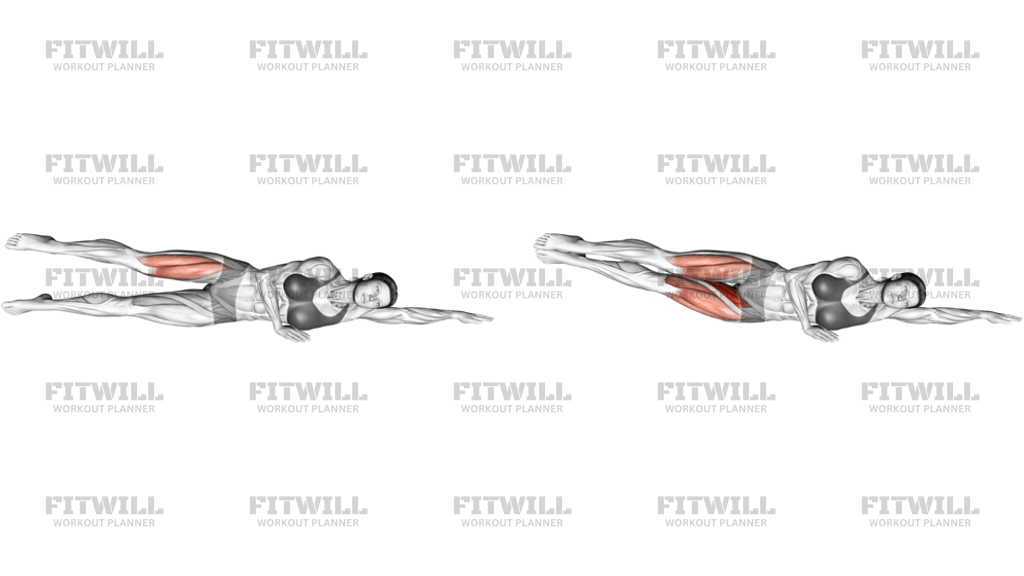
Floor Hyperextension Version 2
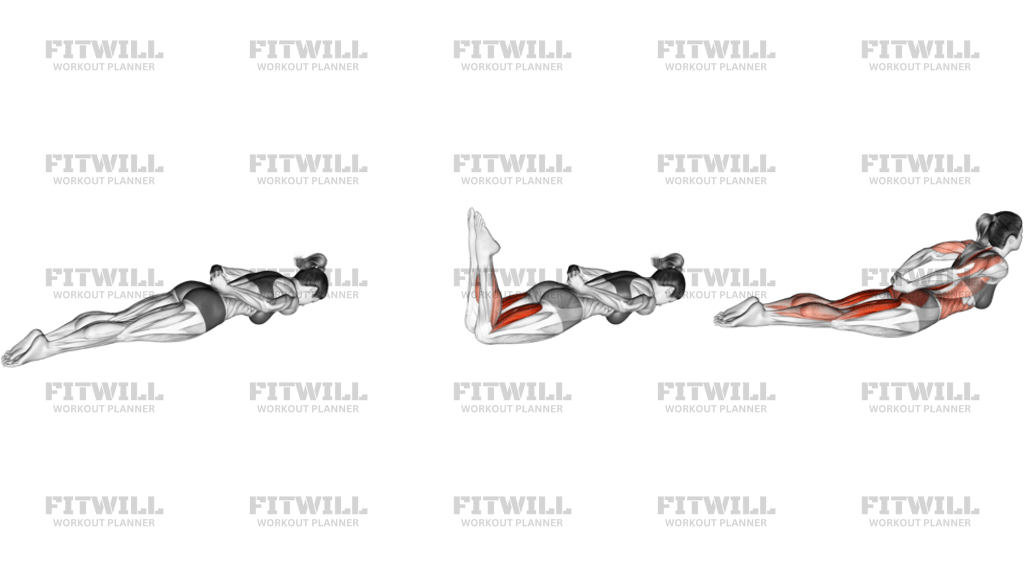
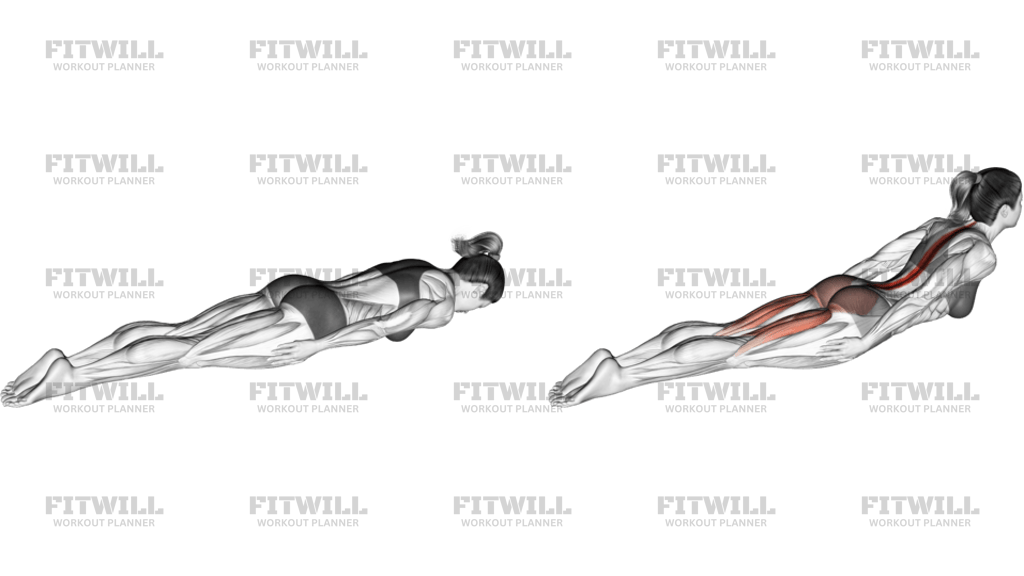
Floor Hyperextension Version 2 is a prone bodyweight extension drill performed flat on the floor with the arms held alongside the body. It asks you to lift the chest and legs just enough to create a controlled arch through the spine, making it a useful Pilates-style posterior-chain exercise for back extension strength, trunk control, and postural endurance.
The setup is what makes the movement work. Lie face down with the legs long, the feet relaxed or lightly pointed, and the arms resting by the sides instead of reaching overhead. Keep the pelvis anchored, the lower ribs close to the floor, and the neck long so the effort stays in the back of the body instead of being taken over by the low back or the upper traps. If you lift too high or let the ribs flare, the exercise turns into a loose back bend rather than a clean hyperextension.
Each repetition should feel deliberate and small. Brace lightly, press the hip bones and pubic bone into the floor, and raise the chest, shoulders, and thighs only a few inches. The aim is to lengthen from the crown of the head to the toes while the spine extends as one controlled shape. Keep the glutes and spinal extensors working together, pause briefly at the top, and lower under control instead of dropping back to the mat.
This variation is often used as a warm-up, accessory drill, or posture exercise because it builds body awareness without external load. It pairs well with core training, glute activation, and mobility work, especially for people who spend a lot of time sitting. Use a pain-free range, keep the motion symmetrical, and stop the set if the neck starts cranking forward or the low back feels pinchy. The quality comes from control, not height.
[ Workout Log & Planner ]
Put your next workout in Fitwill
Keep your plan and training log ready when you are.


Instructions
- Lie face down on the floor with your legs straight, feet together or hip-width apart, and your arms resting along your sides.
- Place your forehead on the floor or hover your chin slightly above it so your neck stays long and neutral.
- Press your pubic bone and hip bones gently into the floor, then brace your lower abdomen lightly before you move.
- Exhale and lift your chest, shoulders, and thighs a few inches off the floor without bending your knees.
- Keep your arms long by your sides and let the shoulders stay down instead of shrugging toward your ears.
- Squeeze the glutes lightly as you raise, but keep the arch small and controlled rather than forcing a big back bend.
- Hold the top position for a brief pause while keeping the ribs from flaring and the gaze down.
- Inhale and lower slowly until your chest and thighs return to the floor, then reset before the next repetition.
Tips & Tricks
- Lift only a few inches. If your chest or thighs are high off the floor, the low back usually takes over.
- Keep the pubic bone and lower ribs heavy against the mat so the movement comes from extension, not rocking the pelvis.
- Think about making your body long from fingertips to toes; that cue helps the spine extend without collapsing into the lower back.
- Keep the chin slightly tucked and the gaze down so the neck matches the rest of the spine.
- If you feel the upper traps more than the back of the body, slide the shoulders away from the ears before each rep.
- Use a slow lowering phase to keep tension on the spinal extensors and glutes instead of dropping straight to the floor.
- Reduce the range immediately if the lumbar spine feels pinchy or if the pelvis starts lifting off the floor.
- The best reps look smooth and almost small; this is a control exercise, not a height contest.
Frequently Asked Questions
What does Floor Hyperextension Version 2 work?
It mainly trains the spinal extensors, glutes, and hamstrings, with the core helping to keep the torso organized.
How is this different from a superman?
In this version the arms stay by your sides, so the emphasis is on a controlled floor back extension rather than a long overhead reach.
How high should I lift my chest and legs?
Only a few inches off the floor. If you chase height, the low back and neck usually start compensating.
Should my knees bend during the rep?
No. Keep the legs straight so the back line of the body does the work and the movement stays clean.
Where should I feel the exercise most?
You should feel it in the lower back, glutes, and hamstrings, with some work in the upper back as the chest lifts.
Is this appropriate for beginners?
Yes, if they keep the range small and controlled. It is easier to learn than loaded back-extension work.
What should I do if my neck feels strained?
Keep your gaze down, lengthen the back of the neck, and reduce how far you lift the chest.
How can I make the movement harder without weights?
Use a slower lowering phase, add a brief pause at the top, or hold the lifted position longer while keeping the arch small.