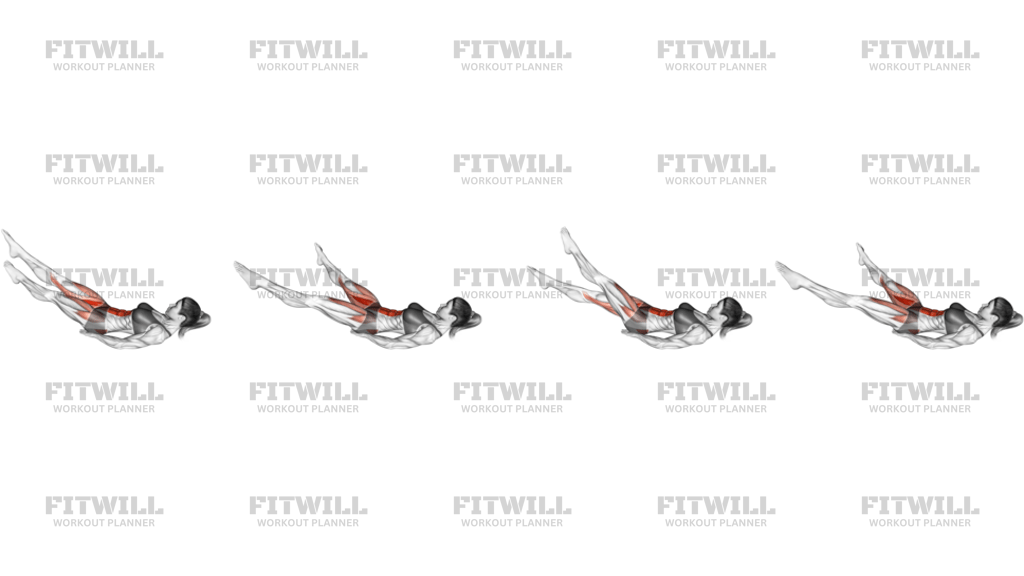
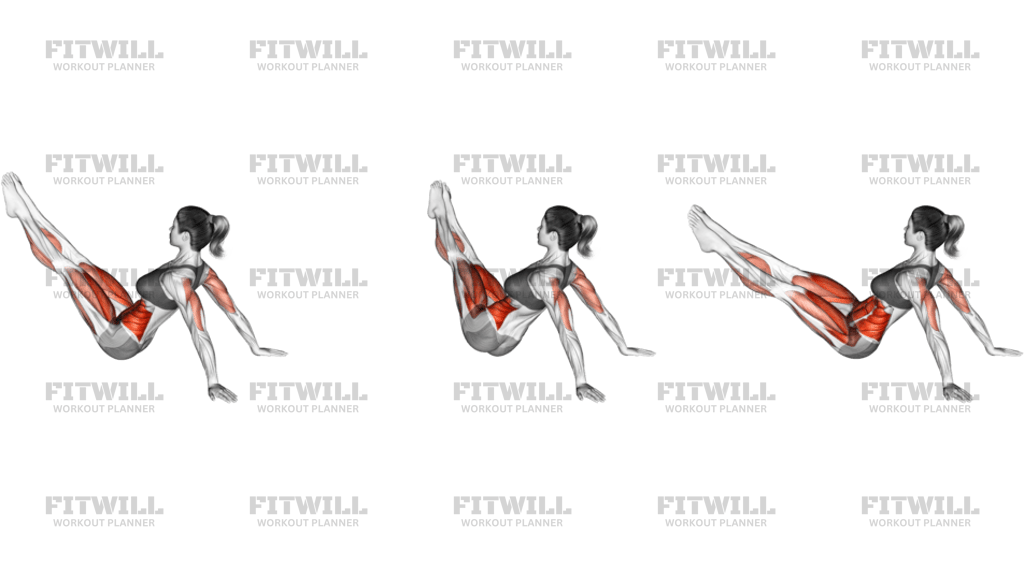
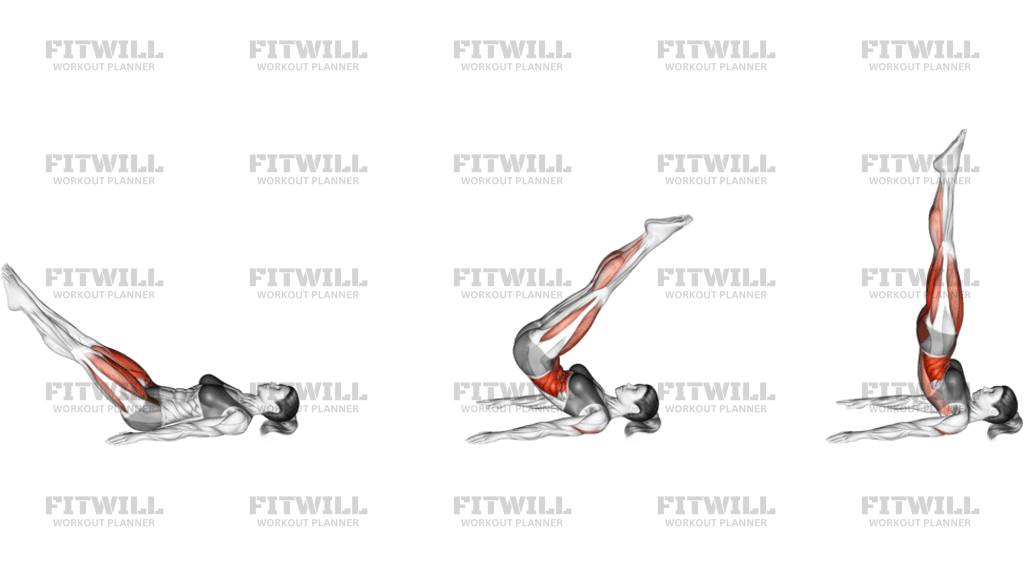
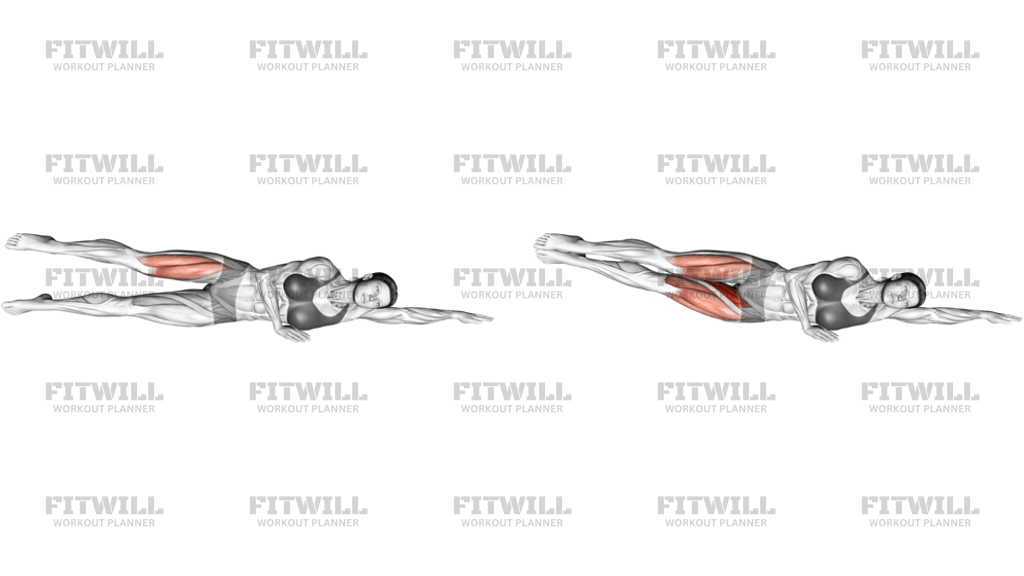
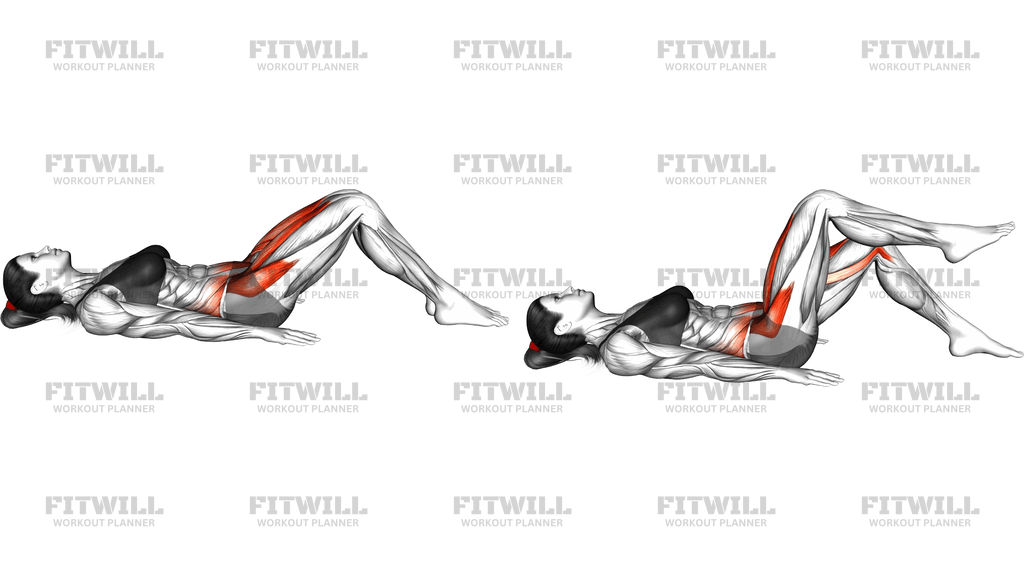
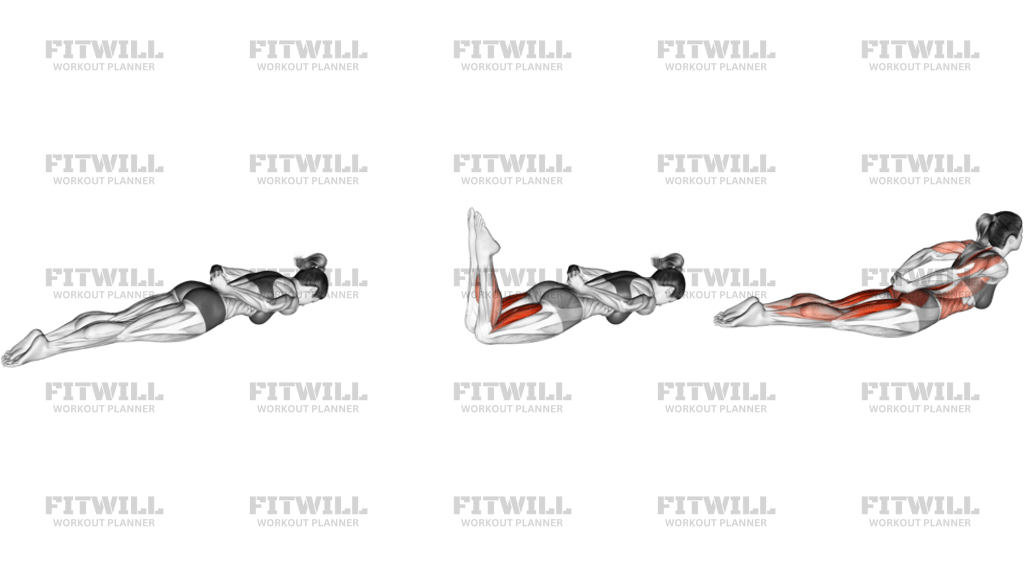
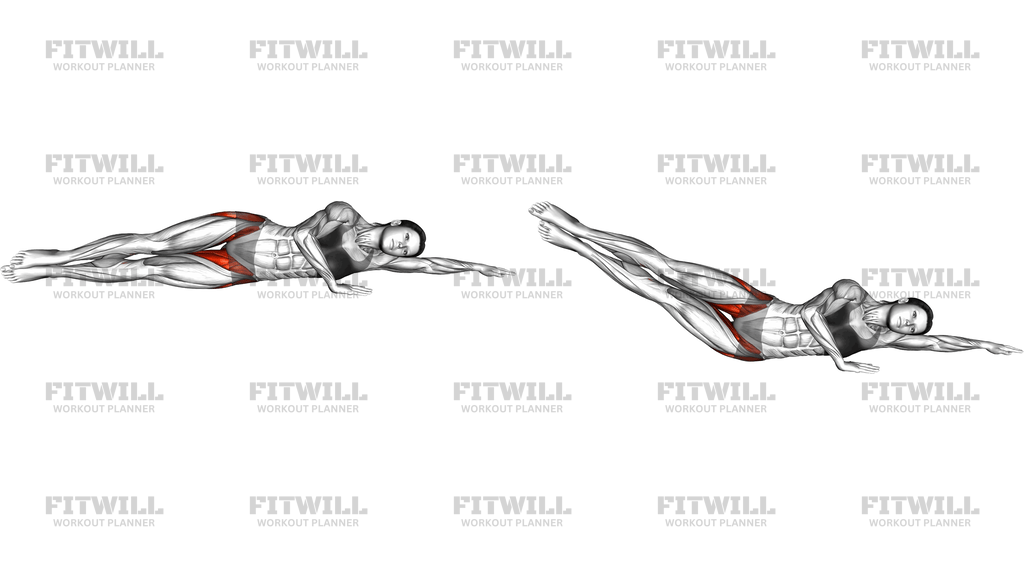
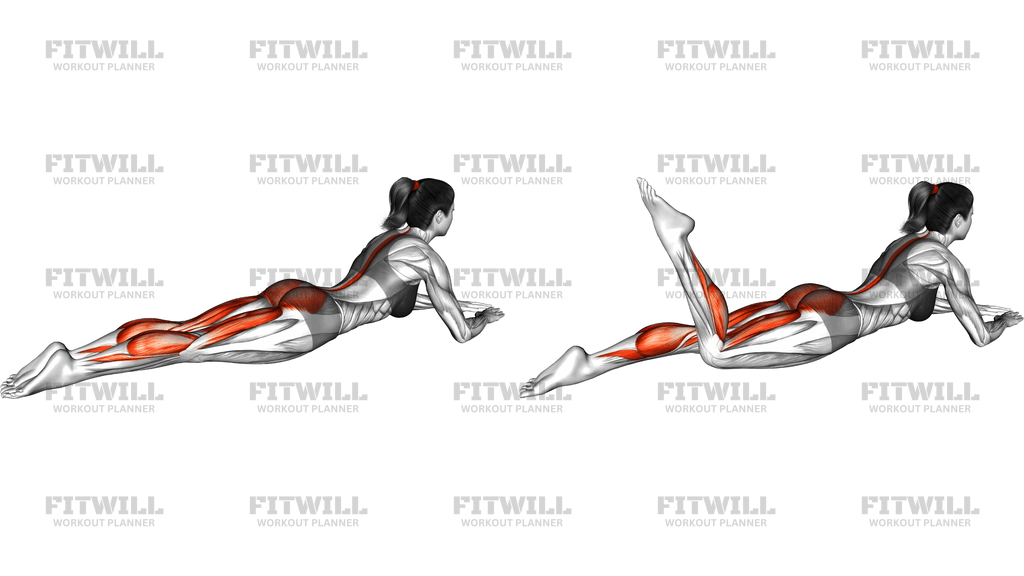
Hundred
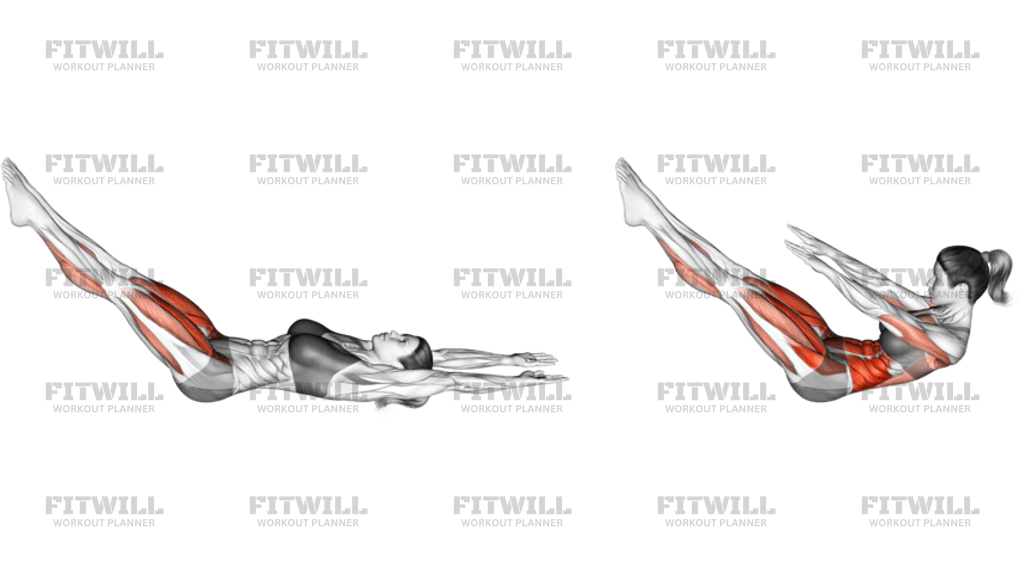
Hundred is a classic Pilates mat exercise that trains trunk endurance, breathing control, and the ability to keep the torso organized while the limbs are working. The version shown here is a body-weight floor drill: you lie on your back, lift the legs into a strong hollow-body position, curl the head and shoulders up, and hold the shape while the arms and breath stay rhythmical. It is less about speed and more about keeping the rib cage, pelvis, and neck steady under continuous tension.
Hundred primarily challenges the deep abdominal wall, the rectus abdominis, the obliques, and the hip flexors, while the shoulders and upper back help maintain the reach through the arms. In practice, the exercise rewards coordination more than brute strength. If the ribs flare or the low back arches, the work shifts away from the core and the position becomes harder to maintain, so the quality of the setup matters as much as the repetition count.
Start by lying supine on a mat with the legs together and extended to a level you can hold without losing pelvic control. Reach the arms long and prepare to lift the head and shoulders into a small curl so the chest stays open and the chin stays slightly tucked. In the strongest version, the legs are long and low enough to challenge the abdominals, but not so low that the lower back peels off the floor or the hip flexors take over.
From there, keep the torso fixed and use the Hundred breathing pattern: short, deliberate inhales and exhales that match the small arm pulses or the held position, depending on the variation you are using. The point is to maintain the same spinal shape from the first breath to the last, with smooth pressure through the abdomen and no jerking through the neck or hips. If you need to simplify the drill, bend the knees or raise the legs a little higher before you begin, then shorten the hold until you can keep the same body position cleanly.
Hundred is often used in Pilates warmups, core circuits, or as a finisher because it teaches the kind of endurance that supports better control in rolling, leg-lowering, and plank-based work. It is also a useful test of whether your breathing stays under control when the abs start to fatigue. Keep the motion small, the posture precise, and the exit deliberate: lower the head, bend the knees if needed, and return to the mat without collapsing through the midsection.
[ Workout Log & Planner ]
Put your next workout in Fitwill
Keep your plan and training log ready when you are.


Instructions
- Lie on your back on a mat with your legs together and either extended long at a low angle or bent into tabletop if you need an easier start.
- Reach both arms long so the fingertips point away from your hips, then press the back of your ribs and pelvis toward the floor.
- Curl your head and shoulders off the mat just enough to see your thighs, keeping the chin slightly tucked and the neck long.
- Set the leg position before you start the hold, lowering them only as far as you can without the low back arching off the mat.
- Begin the Hundred breathing pattern with short, controlled inhales and exhales while you keep the torso fixed.
- If you are using the classic arm-pump version, pulse the arms a few inches up and down from the shoulders rather than swinging the elbows or wrists.
- Keep the ribs knit down and the pelvis still while the legs, arms, and breath stay organized through the entire set.
- Continue for the planned count or number of breath cycles without letting the neck or hip flexors take over.
- To finish, lower the head and shoulders first, then bend the knees and place the feet back on the mat with control.
Tips & Tricks
- If your low back lifts, raise the legs higher or bend the knees before you try to increase the hold time.
- Make the arm pulses small and crisp; the shoulders should work, but the hands should not travel far enough to rock the torso.
- Keep the chin slightly tucked so the back of the neck stays long instead of crumpled toward the chest.
- Exhale fully through the hard part of the set to help the lower abdominals stay active and the ribs stay closed.
- If your hip flexors dominate, shorten the leg lever instead of fighting through a lower position that breaks form.
- Press the back of the upper arms toward the mat on the inhale so the chest stays open and the shoulders do not creep up toward the ears.
- Hold the legs together from inner thigh to ankle so the pelvis does not wobble side to side during the set.
- Stop the set when the head starts bobbing, because neck tension is usually the first sign that the curl is too high or the hold is too long.
Frequently Asked Questions
What muscles does Hundred work most?
Hundred mainly challenges the deep abdominal wall, rectus abdominis, obliques, and hip flexors, with the shoulders helping maintain the arm reach.
Can beginners do Hundred without straight legs?
Yes. Start with the knees bent or the legs higher if needed, then shorten the hold until you can keep the low back and neck relaxed.
Do I have to pump my arms during Hundred?
In the classic version, yes. The arm pumps are small and rhythmic, but the torso should stay still while the arms move.
Why does my neck get tired during Hundred?
Usually the curl is too high or the legs are too low. Keep the chin gently tucked, lift the shoulders only a little, and make the leg position easier.
Why does Hundred use the breathing pattern instead of normal reps?
The breathing rhythm is part of the exercise. It helps you keep the ribs down, build endurance, and hold the Pilates shape without rushing.
How low should my legs be in Hundred?
Only as low as you can keep the pelvis stable. If the low back starts to arch, raise the legs or bend the knees.
What is the main mistake people make in Hundred?
The most common mistake is losing the hollow-body position and letting the ribs flare while the arms pump.
Is Hundred better as a warmup or a finisher?
It works well as either. Many people use Hundred early to wake up the core or late as a breathing-focused finisher.