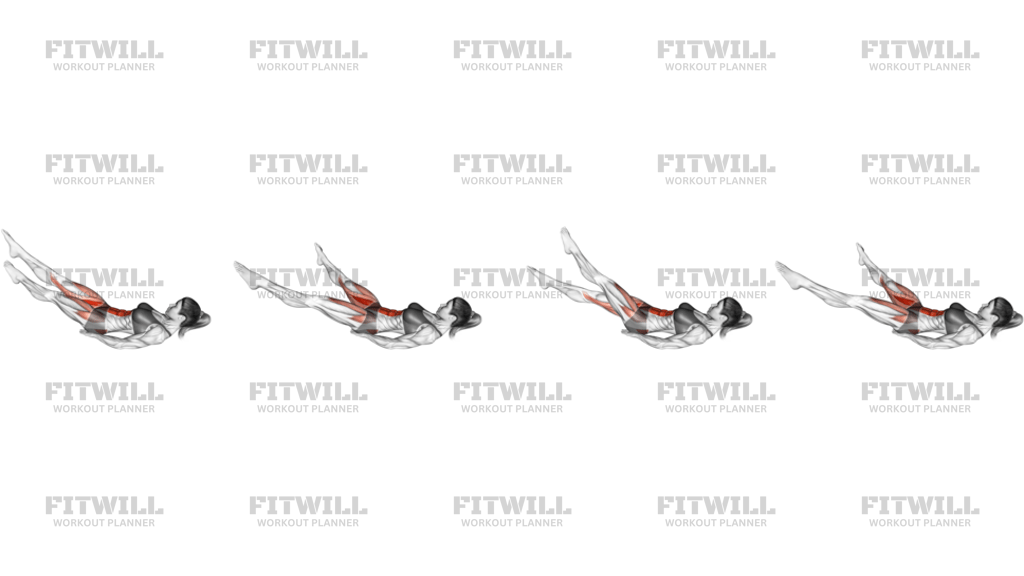
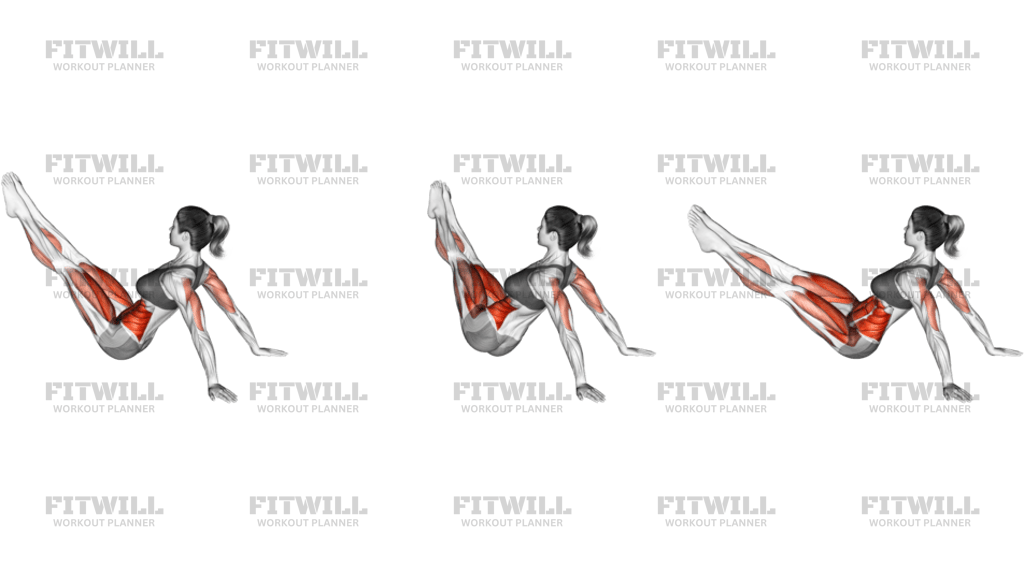
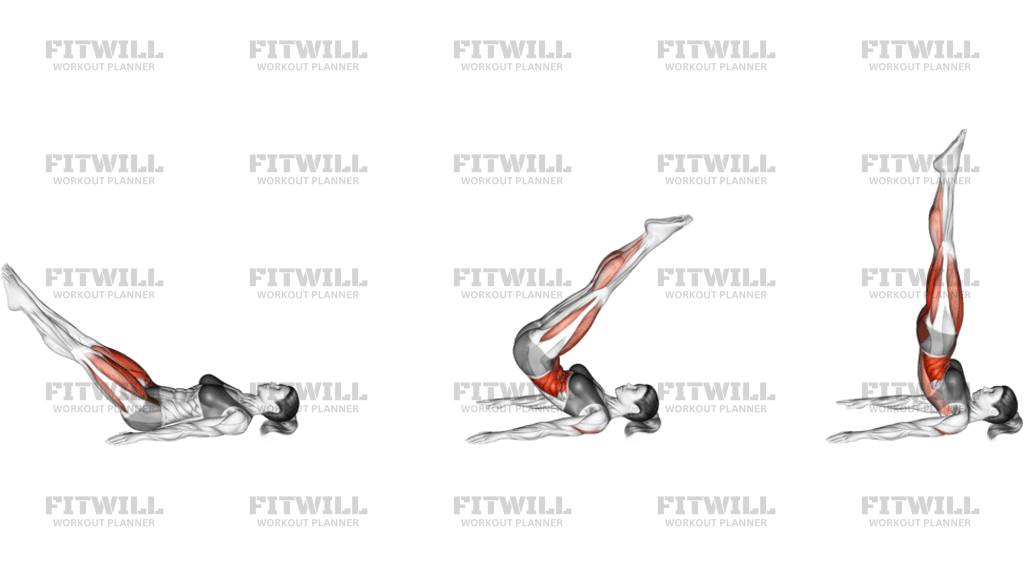
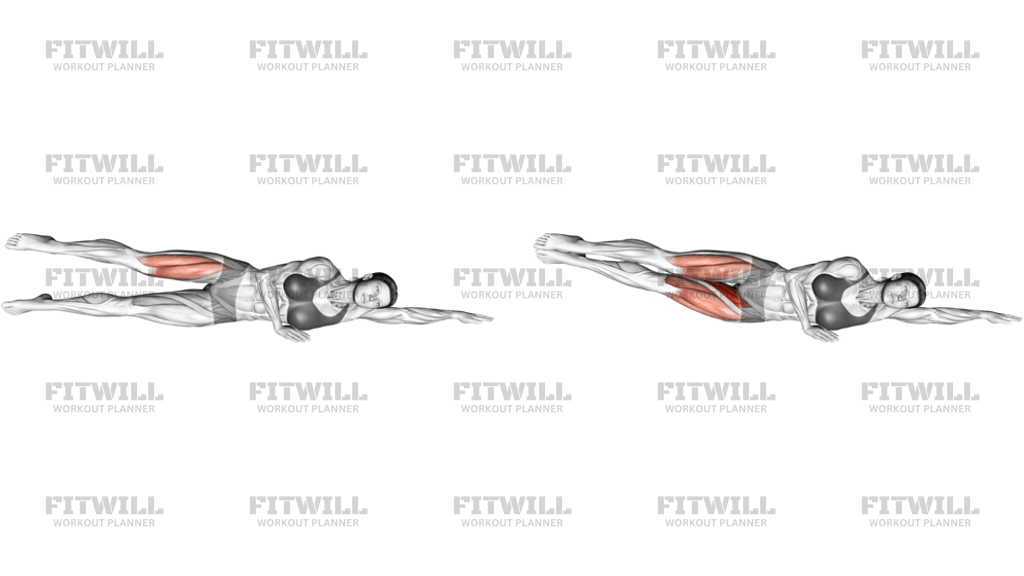
Lying Neck Pull
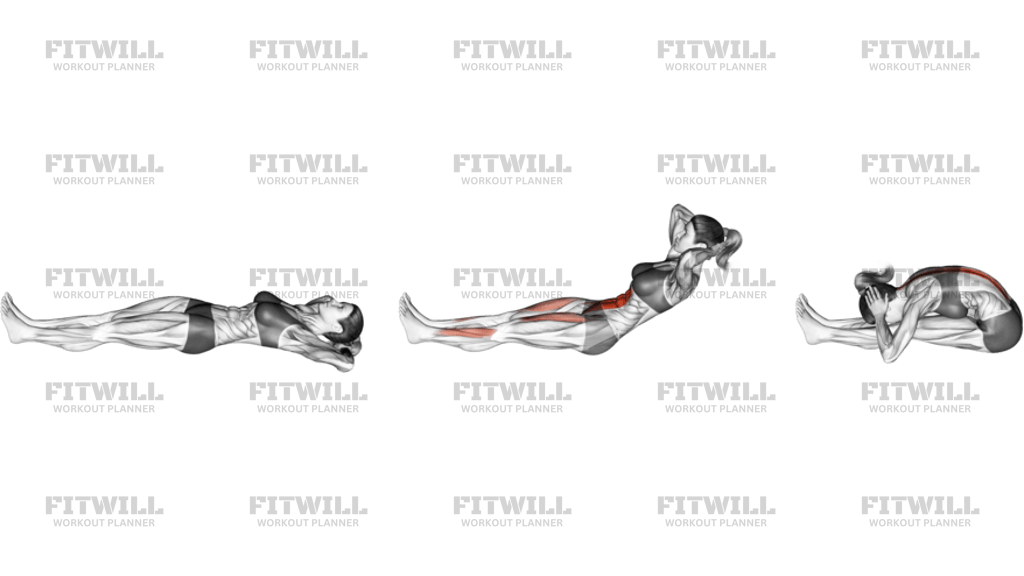
Lying Neck Pull is a classical Pilates mat exercise performed with body weight and careful spinal control. It starts from the floor with the head supported by the hands, then uses a smooth curl and roll to lift the torso without turning the neck into the driver of the movement. The exercise is less about speed or repetition count and more about keeping the trunk organized while the spine flexes and lengthens under control.
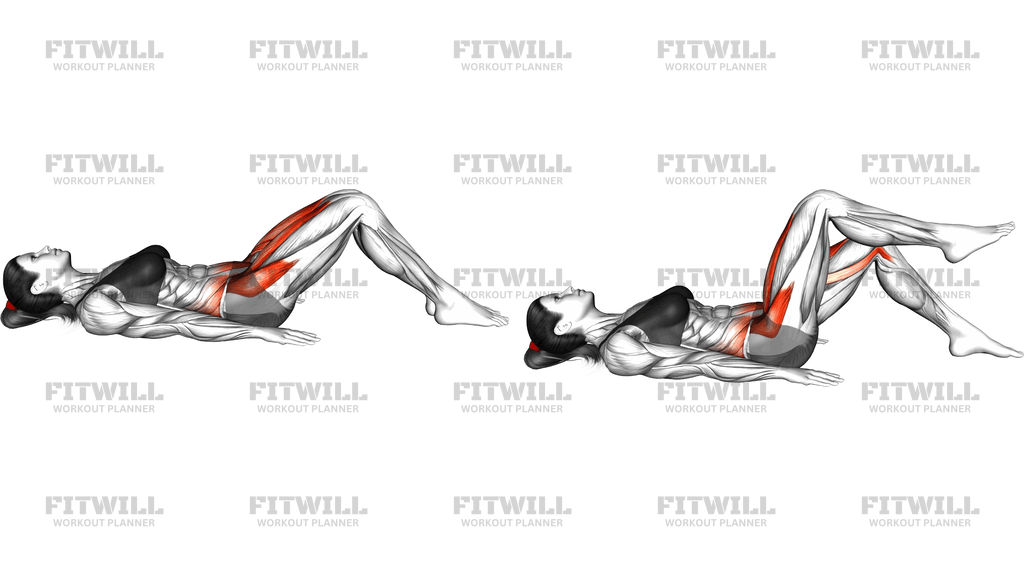
The image shows the key idea clearly: lie on your back, keep the legs long, and let the abdominals initiate the curl while the hands only support the head. The elbows stay open, the shoulders stay relaxed, and the ribs draw inward as the torso peels off the mat. When the position is done well, the chest lifts because the midsection is working, not because the head is being yanked forward.
Lying Neck Pull is useful when you want to train Pilates-style trunk control, body awareness, and clean spinal articulation. It can live in a mat warm-up, a core-focused block, or an accessory section where you want slow, precise work rather than heavy loading. The exercise also teaches how to keep the pelvis steady while the upper spine moves through flexion, which is why the setup and breathing matter so much.
A good repetition feels long and organized. Start by lengthening the back of the neck, then exhale into the curl so the ribs, sternum, and upper back rise in sequence. Keep the legs quiet and the low back from over-arching or snapping away from the floor. At the top, hold a tall, controlled curl or seated hinge depending on the version you are using, then reverse one vertebra at a time back to the mat.
The main coaching points are simple: do not pull with the hands, do not fling the torso up, and do not chase a bigger range than you can control. If the neck feels crowded, shorten the range or bend the knees slightly to reduce tension. Used with patient pacing and clean alignment, Lying Neck Pull becomes a precise trunk-strength and mobility drill rather than a generic crunch.
[ Workout Log & Planner ]
Put your next workout in Fitwill
Keep your plan and training log ready when you are.


Instructions
- Lie on your back on a mat with your legs long and together, and place your hands lightly behind your head at the base of the skull.
- Open your elbows wide, relax your shoulders away from your ears, and lengthen the back of your neck.
- Draw your lower ribs down and lightly brace your abdomen before you begin the rep.
- Exhale and nod your chin slightly as you peel your head, shoulders, and upper back off the floor.
- Keep the hands supportive rather than pulling, and continue curling the spine so your chest moves toward your thighs.
- Lift only as far as you can keep the pelvis steady and the neck relaxed.
- Pause briefly at the top, then inhale and roll back down one vertebra at a time until your head returns to the mat.
- Reset the shoulders and abdomen before the next repetition.
Tips & Tricks
- Keep the movement driven by the abdominals and ribs, not by a tug from the hands.
- Think of the sternum moving toward the thighs instead of forcing the chin to the chest.
- If the low back pops off the mat or the ribs flare, shorten the curl and keep the pelvis heavy.
- A small chin nod before the lift helps the spine flex without jamming the neck.
- Hold the elbows in a wide frame so the chest can stay open as you curl up.
- If your hamstrings are tight, bend the knees slightly or reduce how far you roll back.
- Use a slow three- to four-second lowering phase to keep the roll-down controlled.
- Stop the set as soon as the neck starts doing more work than the abs.
Frequently Asked Questions
What muscle does Lying Neck Pull target most?
It primarily trains the abdominals and deep trunk flexors, with hip flexors, spinal stabilizers, and neck support muscles assisting.
Is this the same as a sit-up?
No. It is a Pilates-style curl and roll sequence, not a fast sit-up, and the goal is controlled spinal articulation.
Should my legs stay straight?
In the classic version they stay long and together. If that pulls on your low back or hamstrings, bend the knees to shorten the lever.
How do I keep from tugging on my neck?
Keep the hands light, elbows open, and start the curl from the ribs and abs. If the neck feels loaded, reduce the height of the lift.
Where should I feel the exercise?
You should feel the front of the trunk working, especially the upper and lower abdominals. Neck strain is a sign to back off.
Can beginners do Lying Neck Pull?
Yes, but usually with a smaller range, bent knees, or a partial curl until they can keep the spine moving smoothly.
What is the most common mistake?
Pulling the head forward and rushing the roll-down usually turns the exercise into a neck exercise instead of a trunk-control drill.
How can I make it harder?
Slow the lowering phase, keep the legs longer, and move through a larger but still controlled spinal curl without losing neck position.