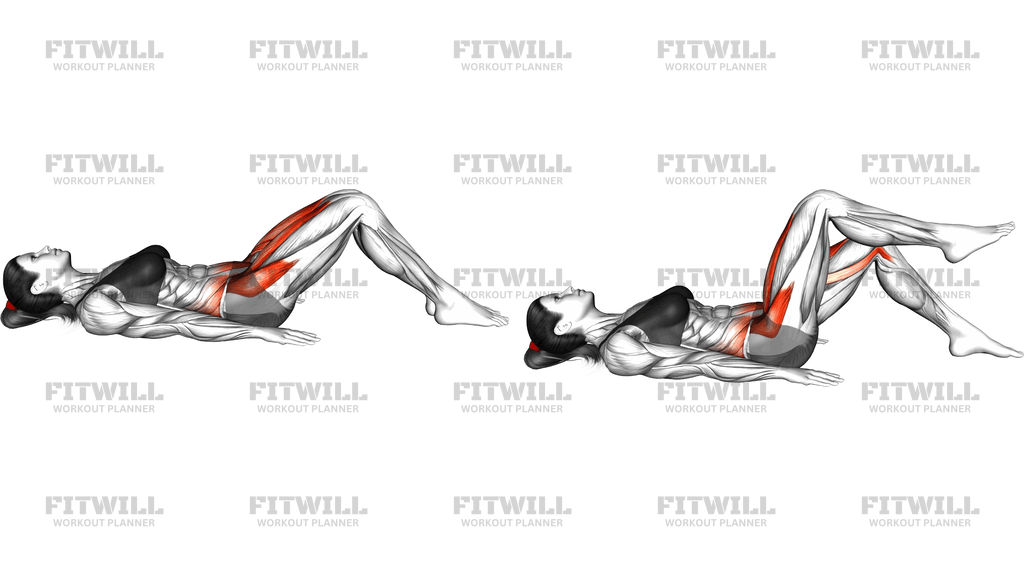
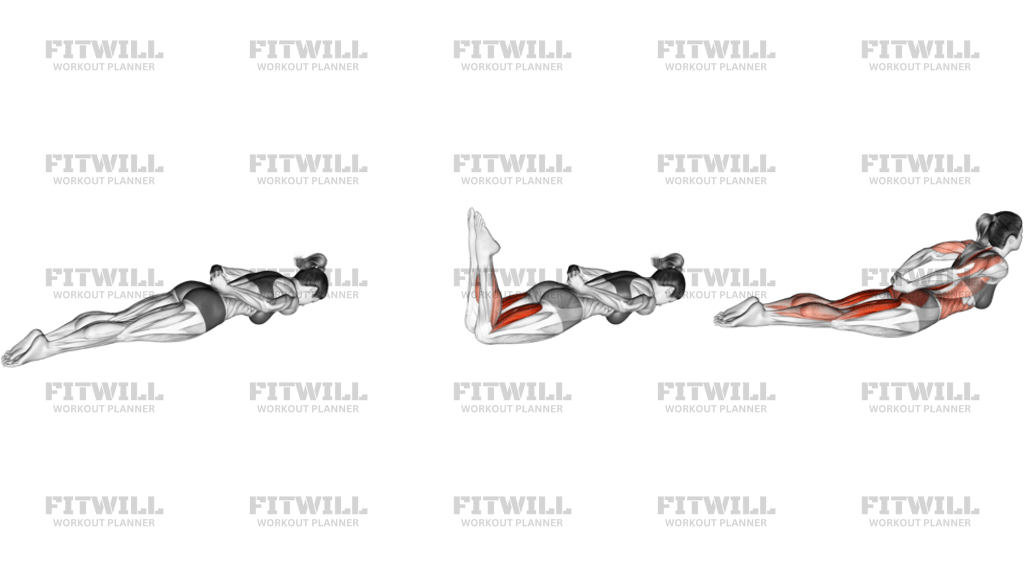
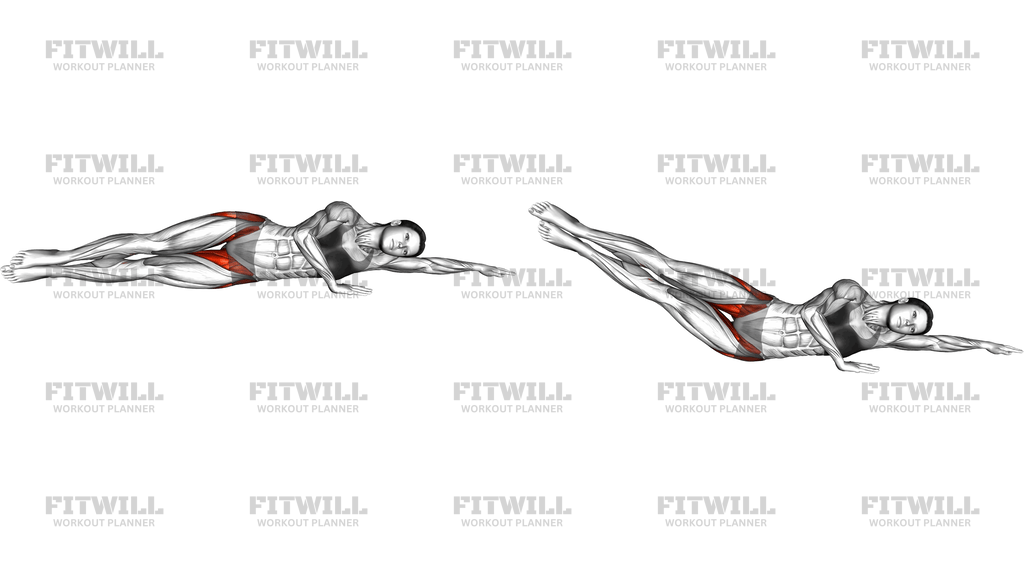
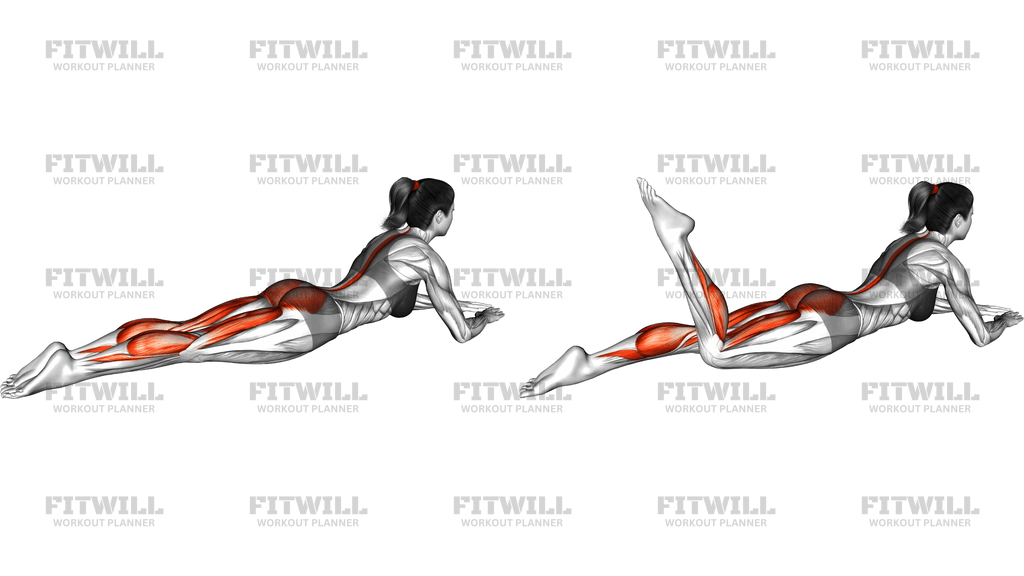
Spine Twist Version 2
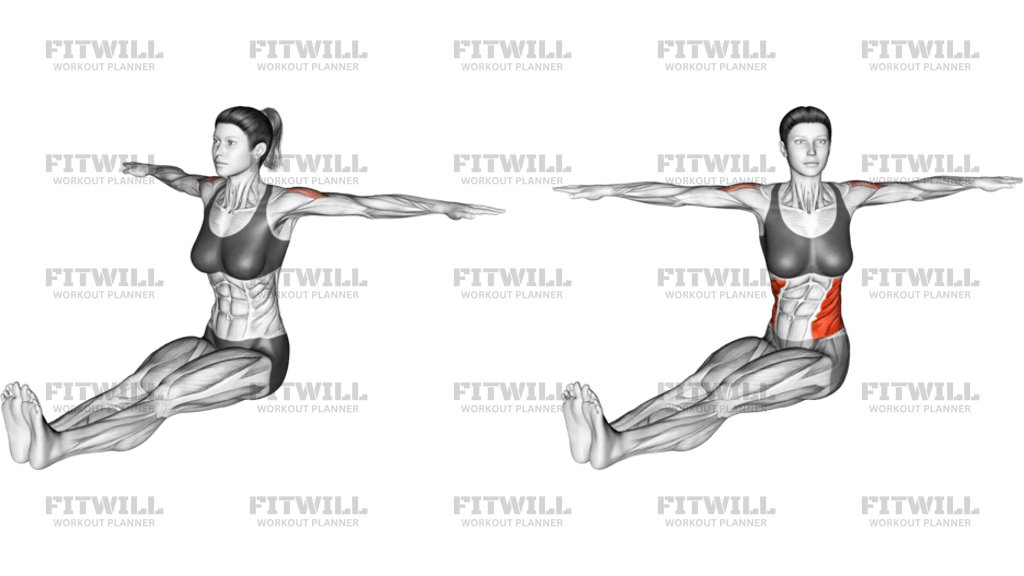
Spine Twist (Version 2) is a seated Pilates-style bodyweight exercise that teaches you how to rotate through the rib cage while keeping the pelvis quiet. In the image, the legs are extended long on the floor and the arms are held out at shoulder height, which turns the torso into a long lever and makes small changes in posture obvious. That is the point of the drill: you are not chasing a huge range, you are practicing clean spinal rotation with control.
The exercise is mainly used to train trunk control, oblique engagement, and postural discipline. Because the legs stay still and the arms stay lifted, the working sensation should come from the midsection and upper back organizing the twist, not from swinging the arms or yanking the shoulders around. The movement is also useful for learning how to keep the spine tall while rotating, which carries over to Pilates work, warm-ups, and general core conditioning.
The setup matters. Sit on a mat with both sit bones grounded, legs long and together, and the chest lifted before the first rep begins. If your hamstrings pull your pelvis under and flatten your lower back, sit on a folded towel or small pad so you can stay upright. From there, reach the arms out to the sides, lengthen through the crown of the head, and keep the shoulders relaxed rather than shrugged.
Each repetition should feel like a smooth turn of the torso around a stable base. Rotate from the ribs, keep the hips facing forward, and return through center without collapsing the spine or bouncing into the next side. The breath should help, not rush the movement: use a controlled exhale as you twist, then come back to center with enough length that the next rep starts from a tall position again.
This version is a good fit when you want a low-load core drill that still demands precision. It is especially useful for beginners who need to learn controlled rotation, but only if they can keep the legs quiet and the spine lifted. If the low back starts to pinch, the shoulders drift upward, or the torso starts swaying, reduce the range and slow the tempo before adding more repetitions.
[ Workout Log & Planner ]
Put your next workout in Fitwill
Keep your plan and training log ready when you are.


Instructions
- Sit on a mat with both legs extended straight in front of you, feet together, and both sit bones rooted into the floor.
- Lengthen your spine, lift your chest, and reach both arms straight out at shoulder height with the palms facing down.
- Keep your hips square to the front and relax the shoulders away from your ears before the first twist.
- Inhale to grow taller through the crown of your head without leaning back or rounding your lower spine.
- Exhale and rotate your rib cage to one side while keeping the pelvis and legs still.
- Turn only as far as you can keep the arms level, the neck long, and the torso lifted.
- Inhale at the end of the twist, then return through center with control and no bounce.
- Repeat to the other side for the planned number of reps, keeping the motion smooth and even.
Tips & Tricks
- If your hamstrings pull your pelvis backward, sit on a folded towel or small pad so you can keep the spine tall.
- Think about turning the rib cage over the pelvis, not swinging the arms from side to side.
- Keep both thighs and both feet quiet; the lower body should feel like a stable anchor for the twist.
- Let the arms stay long and level instead of letting one elbow bend or one hand drop below shoulder height.
- Keep the chin slightly tucked and the back of the neck long so the head does not lead the rotation.
- Use a smaller range if the low back starts to round or if one hip starts lifting off the floor.
- Exhale into the twist and avoid holding your breath at the end range.
- Slow the return to center so you do not snap back through the middle or lose posture on the next rep.
Frequently Asked Questions
What does Spine Twist Version 2 train?
It trains controlled trunk rotation, especially through the obliques and deep core, while teaching you to keep the pelvis steady.
Can beginners do this seated twist?
Yes. Beginners usually do best with a smaller twist, a tall sitting position, and support under the hips if the hamstrings are tight.
Should my legs move during the rep?
No. The legs should stay long and still so the torso has to do the rotating work.
How far should I twist to each side?
Only as far as you can keep both sit bones grounded, the arms level, and the spine lifted.
Why do I feel this in my lower back?
That usually means the rotation is coming from a collapsed lower spine instead of the rib cage. Reduce the range and sit taller.
Do I need to keep my arms at shoulder height?
Yes. The arms act as a lever and help show whether the shoulders stay level during the twist.
Is it okay to bend my knees?
Yes, if tight hamstrings or a tipped-back pelvis make it hard to sit upright with straight legs.
What is the biggest mistake to avoid?
Do not swing through the twist. If the movement gets bouncy, shorten the range and slow the tempo.