Swimming
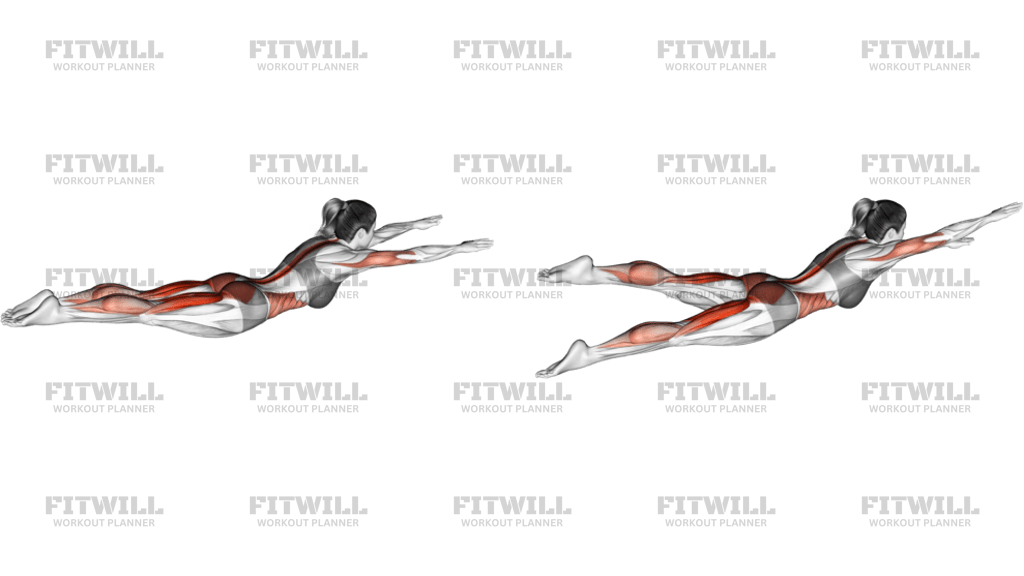
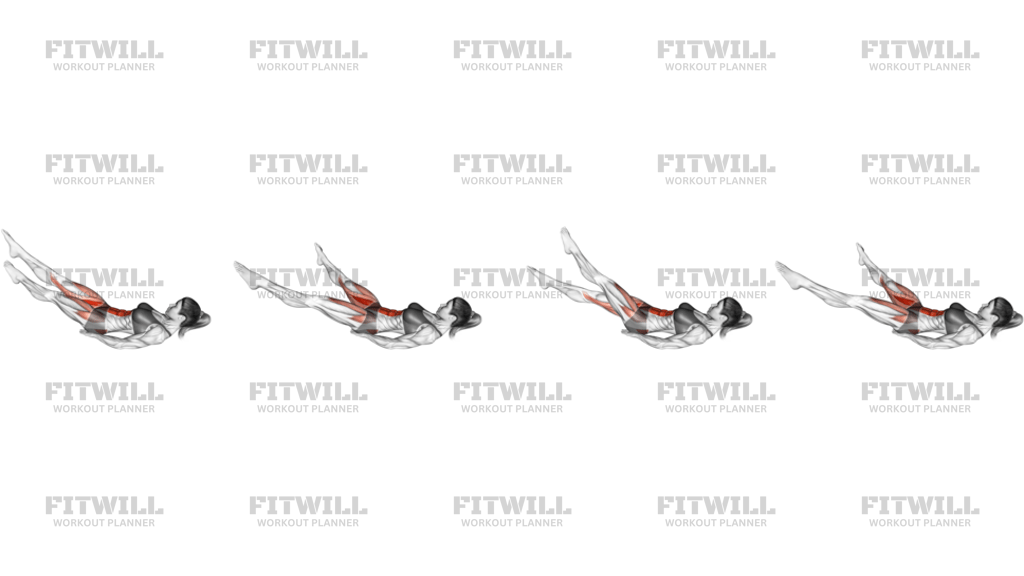
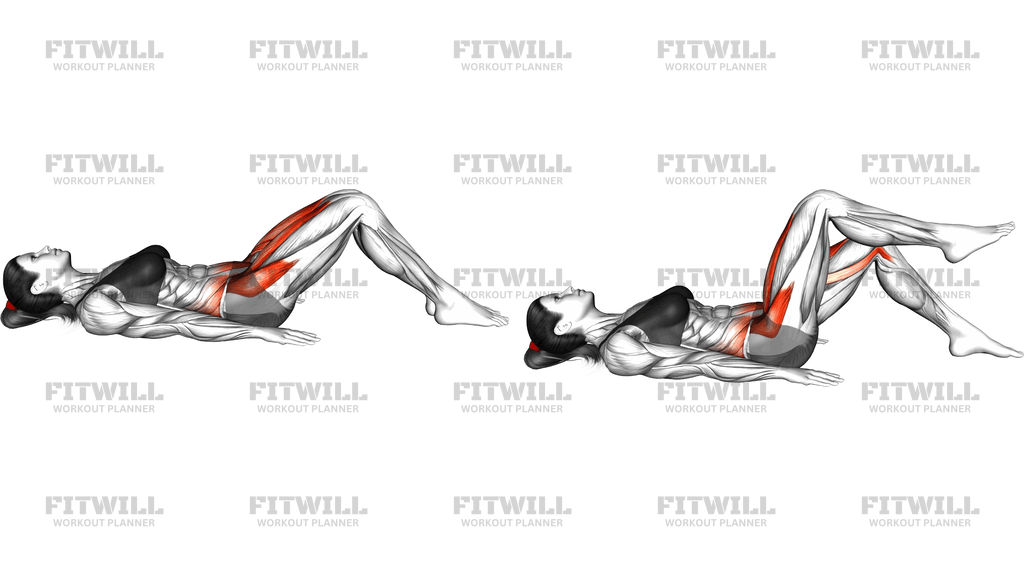
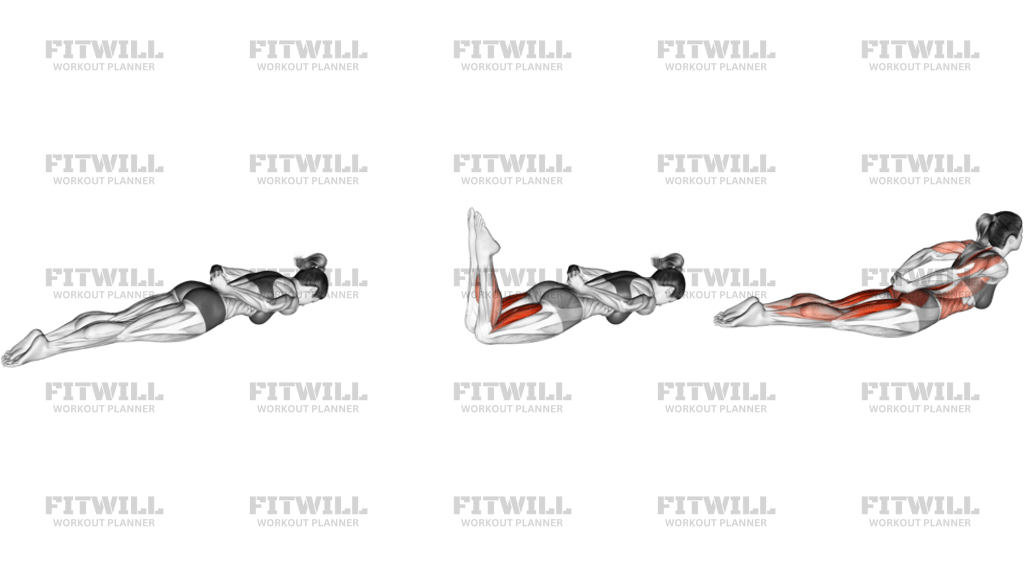
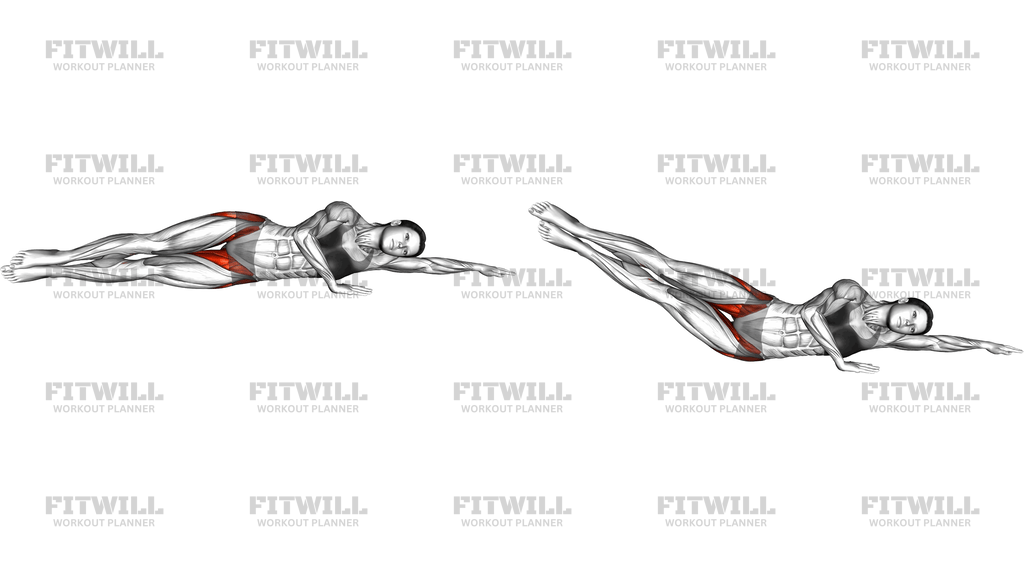
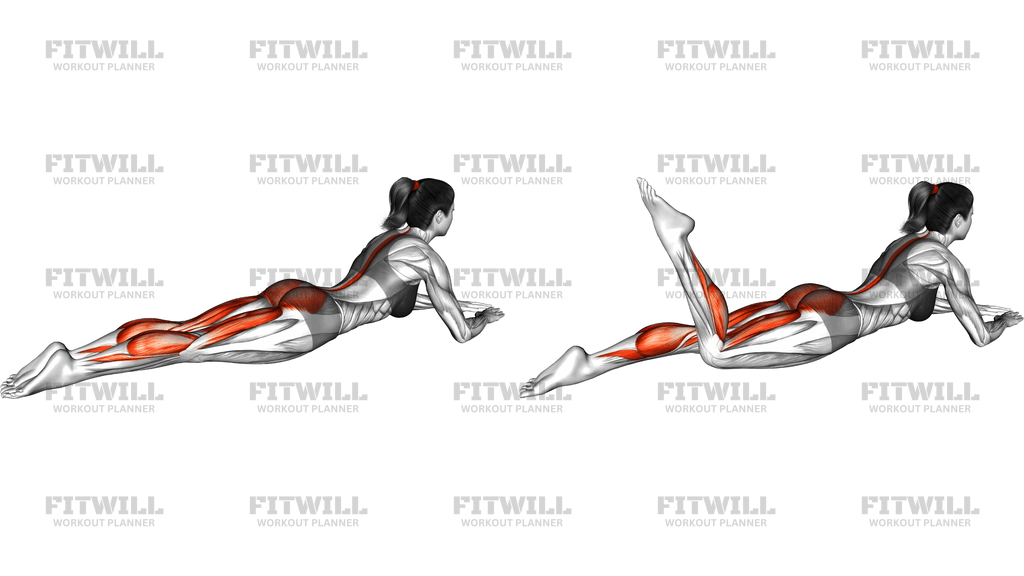
Swimming is a prone Pilates floor exercise that teaches you to lift and alternate the opposite arm and leg while keeping the torso long, the neck quiet, and the lower back under control. It looks simple, but the value comes from coordinating small, precise lifts without letting the ribs flare, the shoulders shrug, or the legs kick from momentum. The exercise is usually performed with bodyweight only, so the quality of each rep depends on position, timing, and how well you keep tension through the back side of the body.
The name fits the movement: you stay face down and alternate the limbs in a steady, swimming-like pattern. That makes the exercise useful for posterior-chain endurance, glute activation, upper-back control, and trunk stability. In practice, the target muscles are working together rather than one area doing all the work, so the torso and pelvis must stay organized while the arms and legs move. If the chest lifts too high or the low back arches aggressively, the set turns into a lower-back exercise instead of a controlled coordination drill.
Set up by lying face down with the arms reaching long overhead, legs straight, and the forehead hovering just above the floor. From there, lightly brace the midsection, lengthen through the crown of the head and heels, and begin lifting one arm and the opposite leg a few inches off the floor. The reach should feel long rather than high. The opposite side stays active and extended, then you switch sides with a smooth rhythm so the movement stays continuous and even.
A good set keeps the pelvis heavy, the ribs tucked in, and the neck in line with the spine. The arms should travel forward and slightly upward without pinching the shoulders, while the legs lift from the glutes and hamstrings instead of the knees. Breathing should stay calm and steady so the trunk does not lose shape as fatigue builds. For many people this is best used as a Pilates accessory, warm-up drill, or low-load core/posterior-chain finisher where precision matters more than speed.
If you want the exercise to train the right pattern, think about length and timing instead of height and force. A shorter, cleaner range with smooth alternation is usually better than forcing exaggerated lifts. Beginners can use tiny lifts and slower tempo, while more advanced lifters can hold the body quieter and increase total time under tension. The goal is to finish feeling organized through the back line of the body, not compressed in the low back or shrugged in the shoulders.
Fitwill
Log Workouts, Track Progress & Build Strength.
Achieve more with Fitwill: explore over 9600 exercises with images and videos, access built-in and custom workouts, perfect for both gym and home sessions, and see real results.
Start your journey. Download today!




Instructions
- Lie face down on the floor with your arms reaching overhead, legs straight, and your forehead hovering just above the mat.
- Set your feet about hip-width apart and point the toes long so the legs can lift without bending the knees.
- Draw your ribs down lightly and brace your midsection before the first rep so the low back stays long.
- Lift one arm and the opposite leg a few inches off the floor without shrugging the shoulder or arching the lumbar spine.
- Reach the raised arm forward and the raised leg back as if you are lengthening through both ends of the body.
- Lower that pair with control while keeping the torso steady and the pelvis quiet.
- Switch to the other arm and leg, then continue alternating in a smooth, rhythmic pattern.
- Breathe evenly through the movement and stop the set if the chest starts bouncing or the low back takes over.
Tips & Tricks
- Keep the lift small; this exercise is about clean alternation, not how high the arm or leg gets.
- Imagine reaching away from the center of the body instead of swinging the limbs.
- Press the pelvis gently into the floor so the low back does not overextend.
- Keep the neck neutral by looking down rather than cranking the chin forward.
- If the shoulders feel pinchy, reduce the arm height and keep the thumbs turned slightly out.
- Move at a pace that lets each side switch without jerking or losing the rhythm.
- Exhale as the opposite arm and leg lift, then inhale as they lower if that helps you stay organized.
- Stop the set when the torso starts rocking side to side or the glutes stop controlling the leg lift.
Frequently Asked Questions
What does Swimming train?
It trains coordination, posterior-chain endurance, shoulder control, and trunk stability while the opposite arm and leg move together.
Why do I need to keep the chest low?
Keeping the chest low prevents the movement from turning into a back-extension hold and helps the limbs work from a neutral trunk.
Should my knees bend during the leg lift?
No, keep the legs long and only lift them a few inches so the glutes and hamstrings do the work instead of a kicking motion.
How high should the arms and legs lift off the floor?
Only high enough to clear the floor and maintain a steady torso; the best reps are usually small and controlled.
Can beginners do Swimming?
Yes, beginners can start with slower alternating lifts, tiny ranges, and short sets before building duration.
What is the most common mistake with this exercise?
The biggest mistake is over-arching the low back or jerking the limbs so the pelvis and ribs lose position.
Where should I feel Swimming most?
You should feel it across the glutes, hamstrings, upper back, and deep trunk, with only mild pressure in the lower back.
How can I make the exercise harder without adding weight?
Slow the alternation, hold each reach a little longer, or keep the torso even quieter while maintaining the same range.