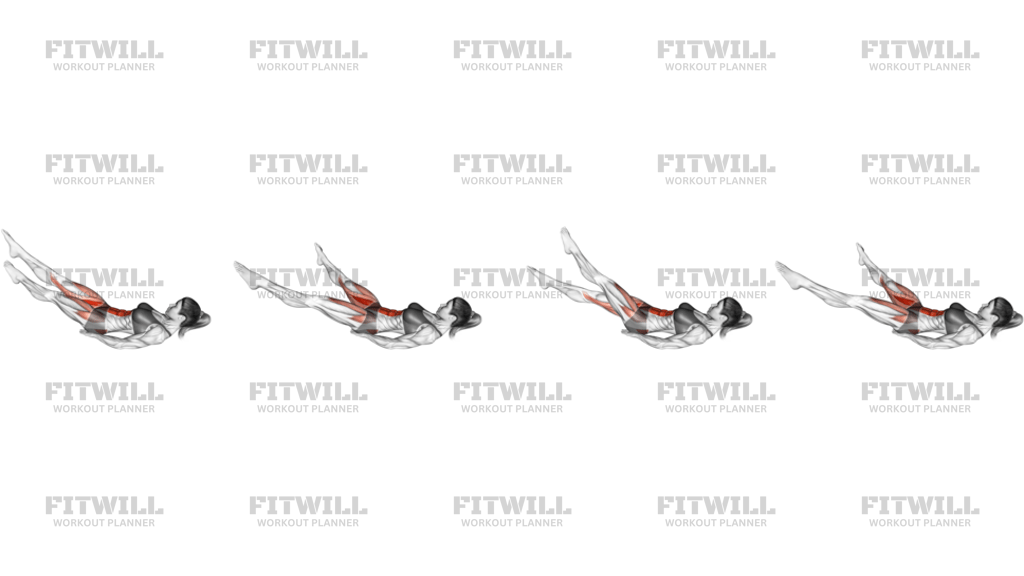
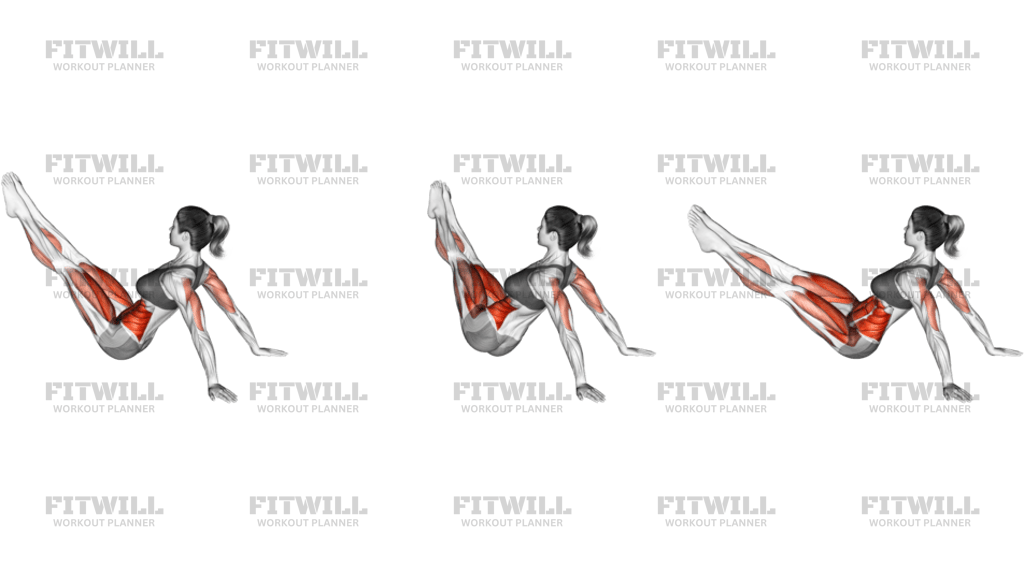
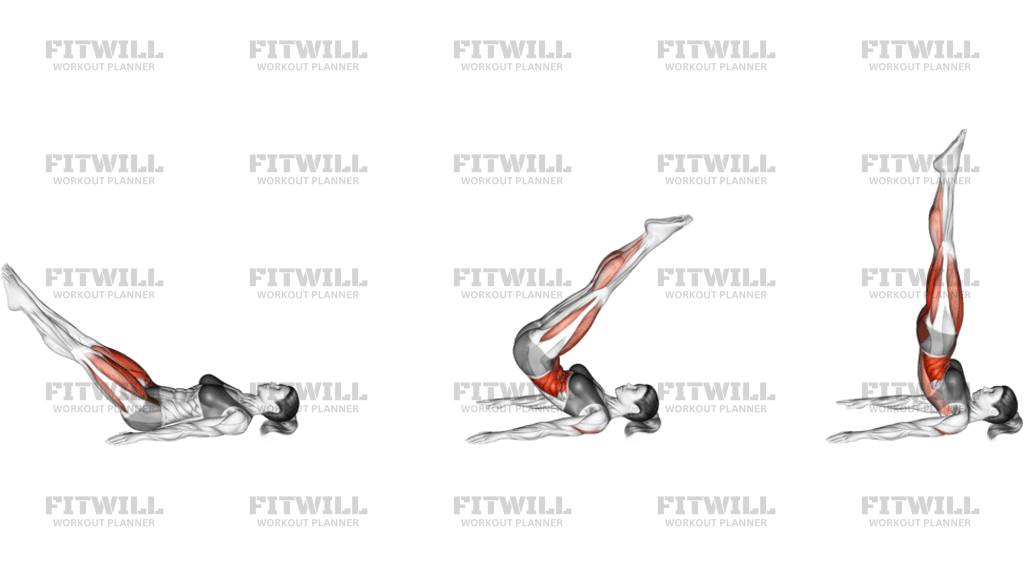
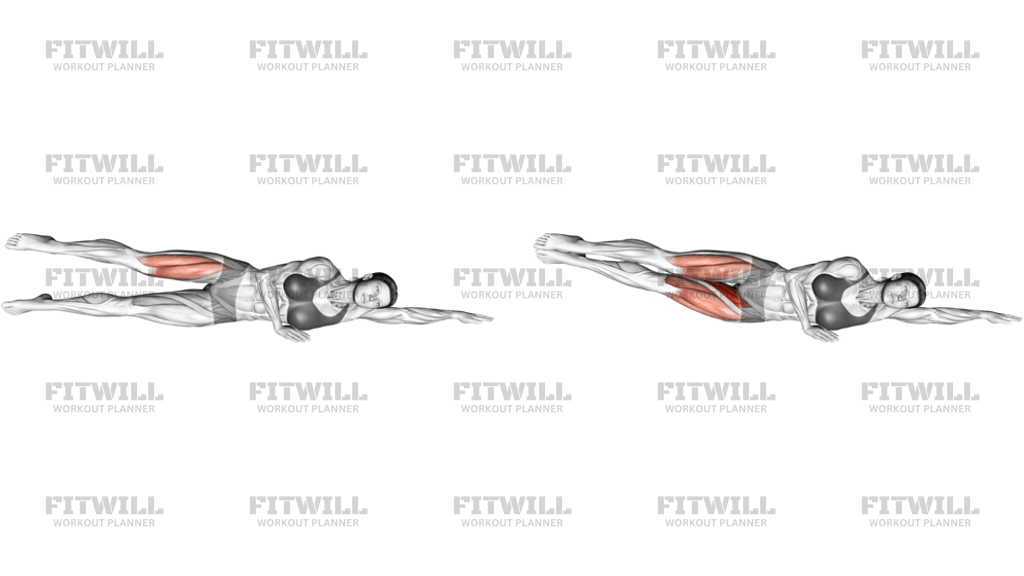
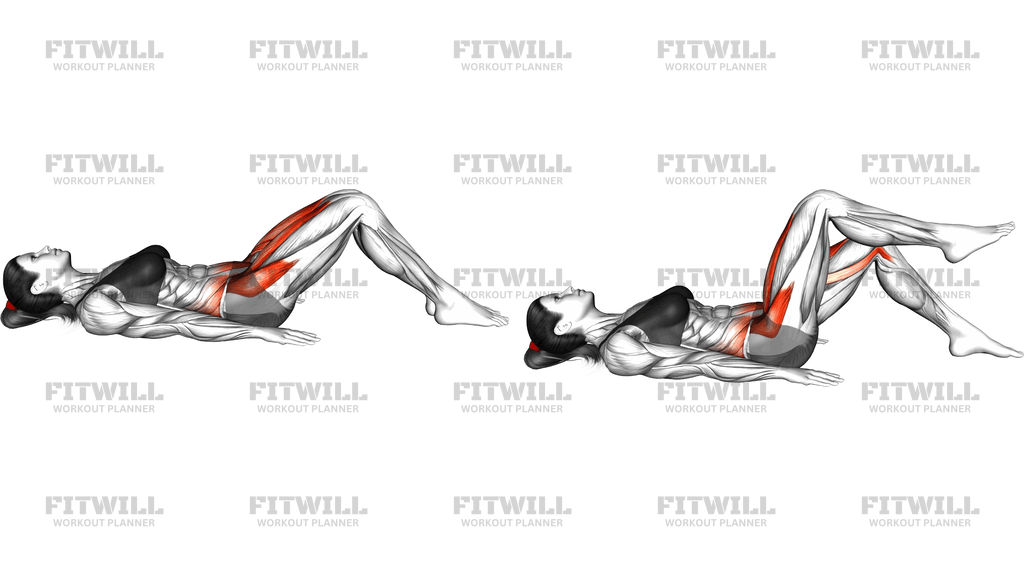
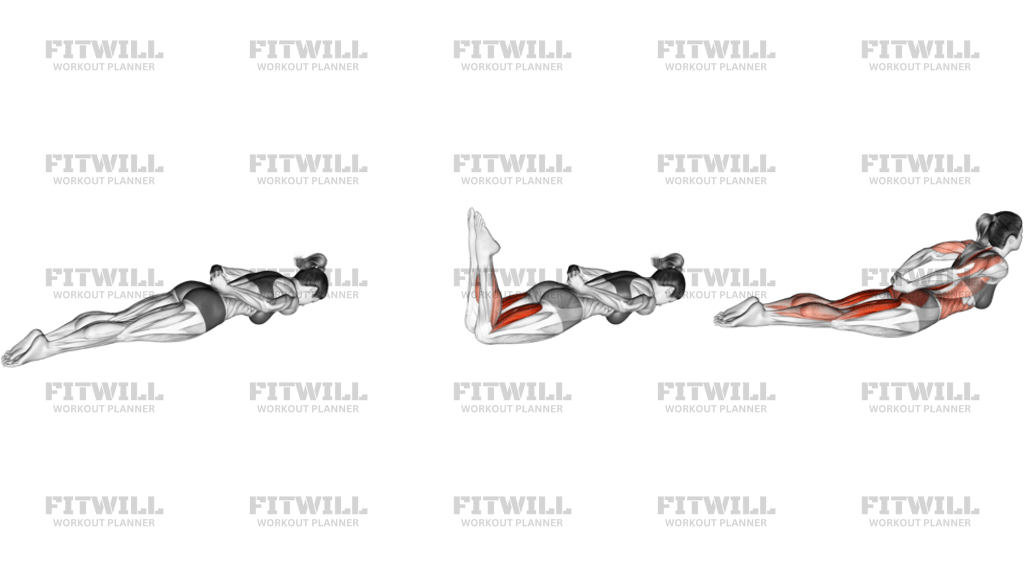
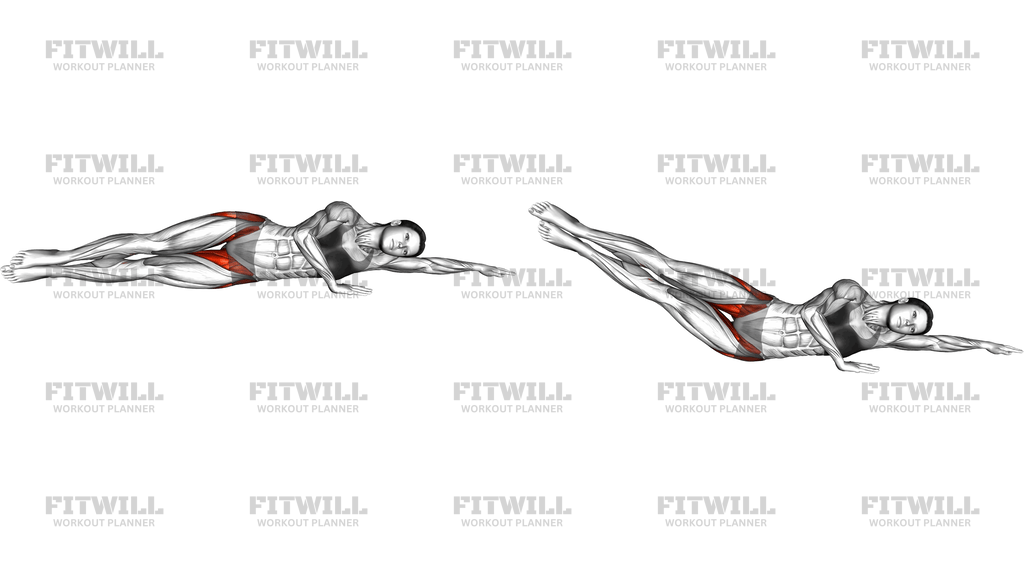
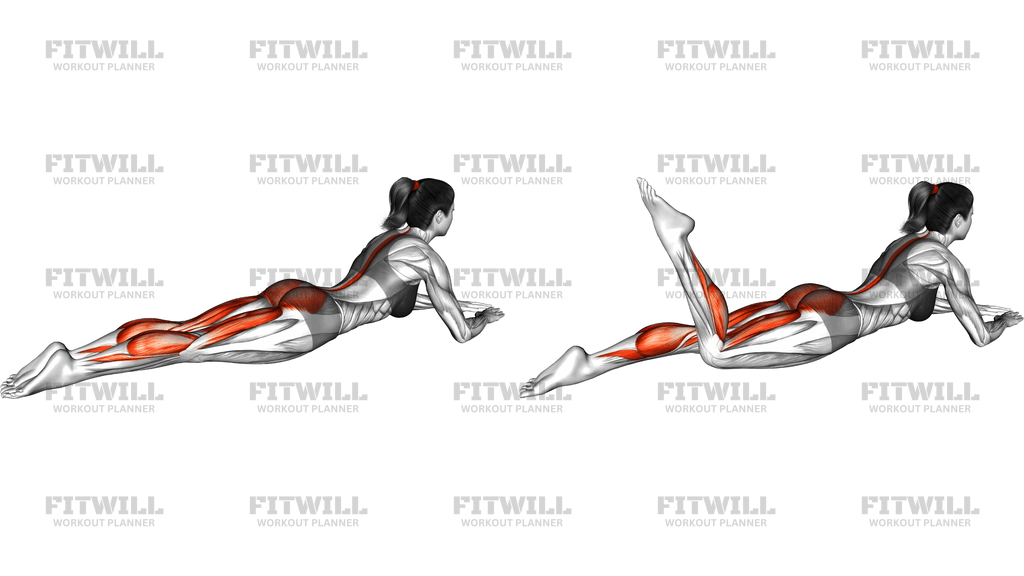
Leg Pull Front Supported
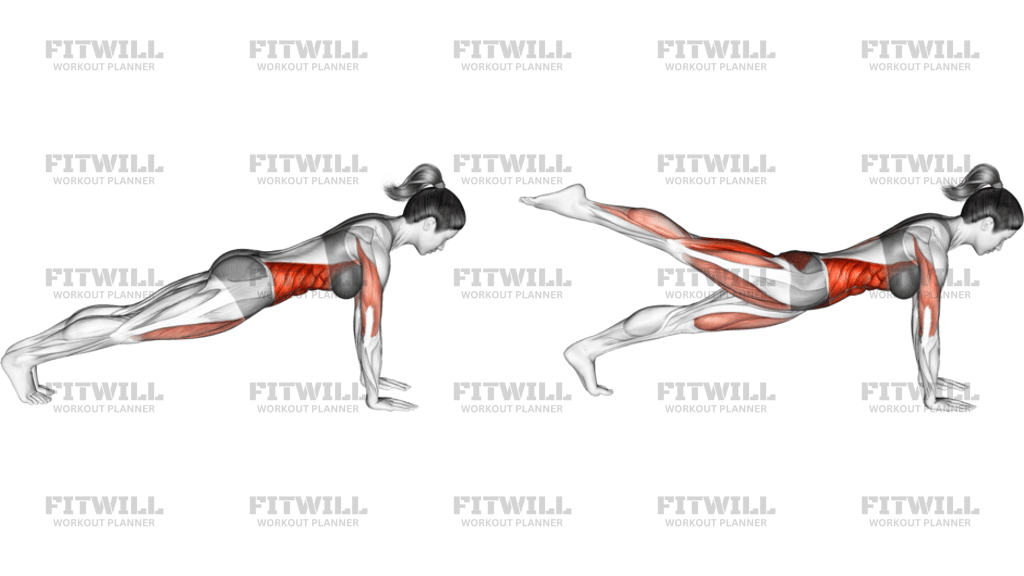
Leg Pull Front Supported is a Pilates plank variation performed from the hands and toes while one leg lifts away from the floor. It trains whole-body support more than raw load, with a strong emphasis on shoulder stability, trunk control, glute engagement, and the ability to keep the pelvis level while the legs move.
The setup matters because the exercise only works well when the plank line is already organized. With the hands under the shoulders, arms straight, legs long, and heels reaching back, the torso has to resist extension and rotation while one leg leaves the floor. If the ribs flare or the hips twist, the set turns into a lower-back exercise instead of a clean support drill.
Think of the movement as a small, precise leg lift rather than a big kick. Press the floor away, keep the chest broad, and lift one straight leg from the hip without letting the pelvis tip or the low back sag. The lifted leg should reach long behind you, not just higher. Lower it with control, switch sides if prescribed, and keep the breathing smooth enough that the plank shape does not change from rep to rep.
This exercise is useful when you want Pilates-style core endurance, scapular control, and hip extension control in the same rep. It also exposes asymmetries quickly, so it is a good quality check for whether a person can hold a strong front support while the lower body moves. For most people, the best version is the one that keeps the spine quiet, the shoulders steady, and the leg lift small and deliberate rather than forced.
Use it as accessory work, core conditioning, or part of a controlled bodyweight sequence. It is appropriate for beginners if the plank position is shortened or modified, but the goal should still be a level pelvis and a stable shoulder line. If the wrists, shoulders, or low back take over, reduce the leverage or stop the set before form breaks down.
[ Workout Log & Planner ]
Put your next workout in Fitwill
Keep your plan and training log ready when you are.


Instructions
- Start in a high plank with your palms flat under your shoulders, fingers spread, arms straight, and legs long behind you.
- Set your feet hip-width or slightly narrower, with your heels reaching back and your body forming one straight line from head to heels.
- Press the floor away, draw your ribs toward your pelvis, and keep your neck long with your eyes slightly ahead of your hands.
- Shift enough weight into both hands that your shoulders stay level and your pelvis does not sway before the leg lift begins.
- Exhale and lift one straight leg a few inches off the floor from the hip while keeping the knee extended and the pelvis square.
- Reach the lifted heel long rather than swinging the leg higher, and keep the lower back from arching as the leg rises.
- Lower the leg slowly until the toes return to the floor without dropping the torso or collapsing into the shoulders.
- Repeat on the same side or alternate sides as programmed, keeping each rep as quiet and controlled as the first.
- Step or lower out of the plank position once the hips start to twist, the ribs flare, or the wrists and shoulders can no longer stay stacked.
Tips & Tricks
- Keep the leg lift small; if the foot goes high, the low back usually takes over.
- Think about reaching the heel long behind you instead of trying to squeeze extra height out of the glute.
- Spread the fingers and press through the full palm so the wrists do not absorb all the load.
- Keep the pelvis level as the leg moves; a visible hip hike usually means the rep is too aggressive.
- Do not let the shoulder blades pinch together; keep pressing the floor away to stay tall through the upper back.
- Exhale into the lift and keep the breath steady on the way down instead of holding tension in the neck.
- If the lumbar spine arches, shorten the range or widen the feet a little to make the plank more stable.
- A slow, quiet leg return is a good sign that you are controlling the hip instead of just swinging the limb.
- Stop the set as soon as the plank shape changes, because compensation shows up quickly in this variation.
Frequently Asked Questions
What does Leg Pull Front Supported train the most?
It is mainly a support and control drill for the shoulders, deep core, glutes, and hip extensors while the body stays in a plank.
Is this just a plank with a leg lift?
Yes, but the single-leg lift makes it much harder because the torso must resist rotation and keep the pelvis level.
How high should I lift the leg?
Only high enough to keep the hips square and the low back quiet, which is usually just a few inches off the floor.
Where should my hands be in the setup?
Place the palms directly under the shoulders so the wrists, elbows, and shoulders stack cleanly in the front support position.
What should I feel if the rep is done well?
You should feel steady work in the shoulders, abdominals, and supporting glute, not a pinch in the low back or a collapse through the chest.
Can beginners do this exercise?
Yes, but they should use a short plank hold, a smaller leg lift, or a knee-supported regression until they can keep the pelvis still.
What is the most common mistake?
The most common mistake is lifting the leg too high and letting the lower back arch or the hips rotate open.
How can I make this harder without adding weight?
Slow the tempo, pause briefly at the top of the leg lift, bring the feet closer together, or hold the plank longer between reps.
Should I alternate legs every rep?
You can alternate, or you can complete a full set on one side first if the program calls for more focused anti-rotation work.