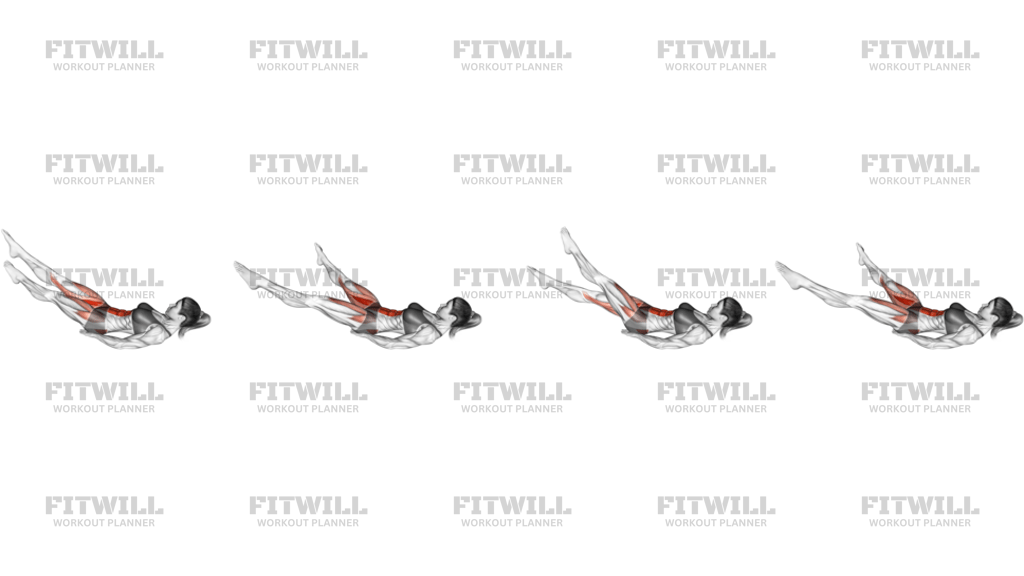
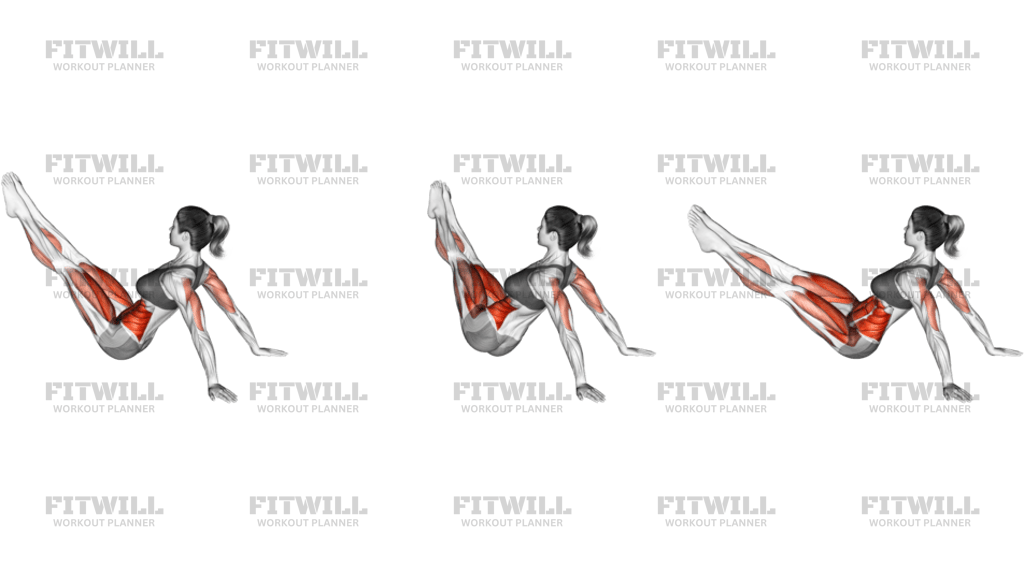
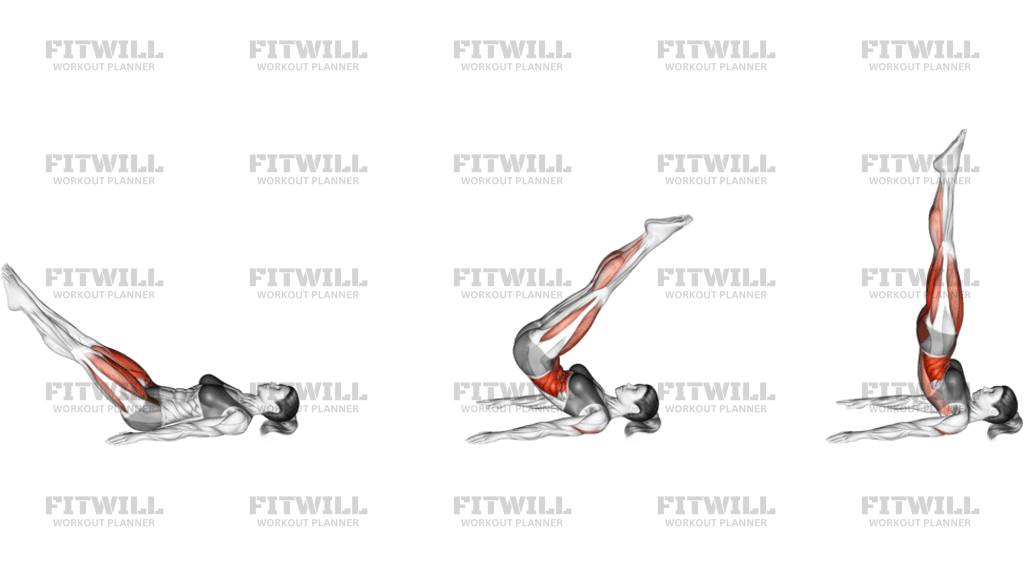
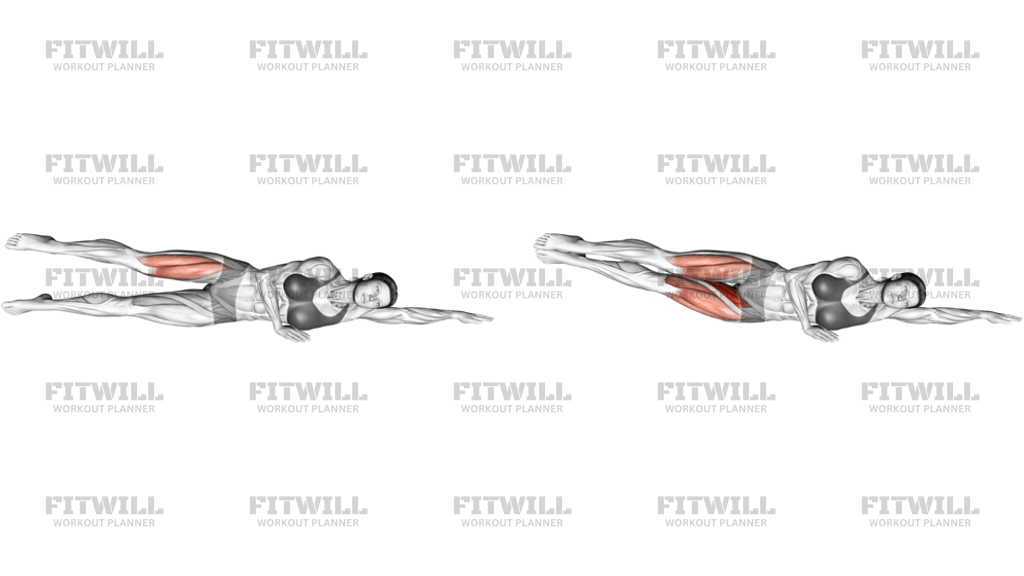
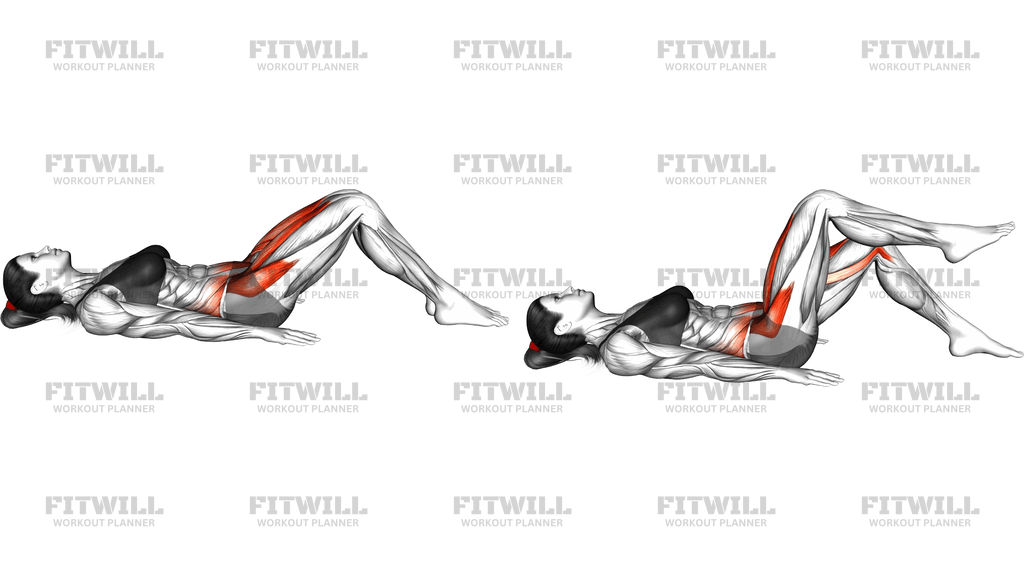
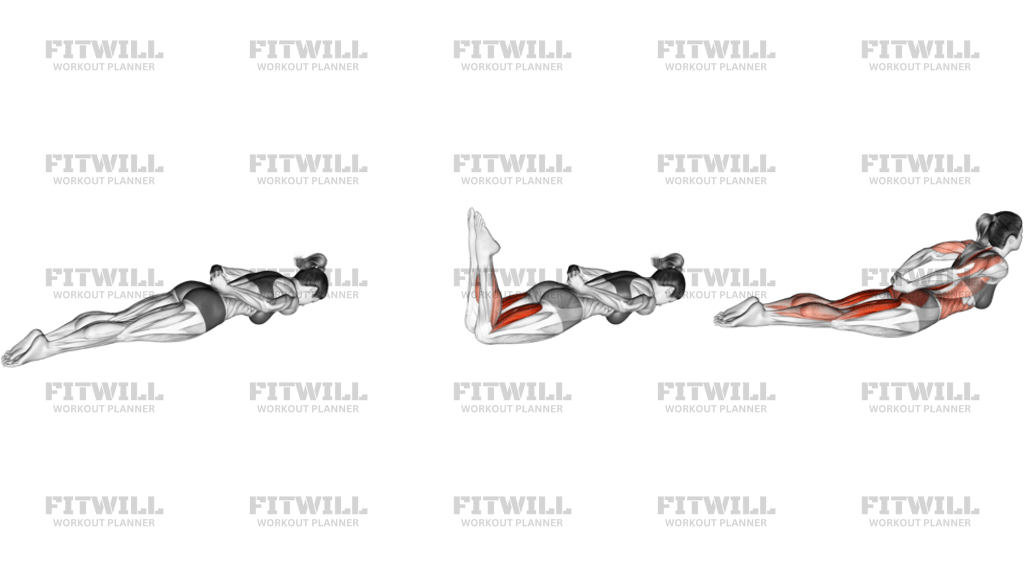
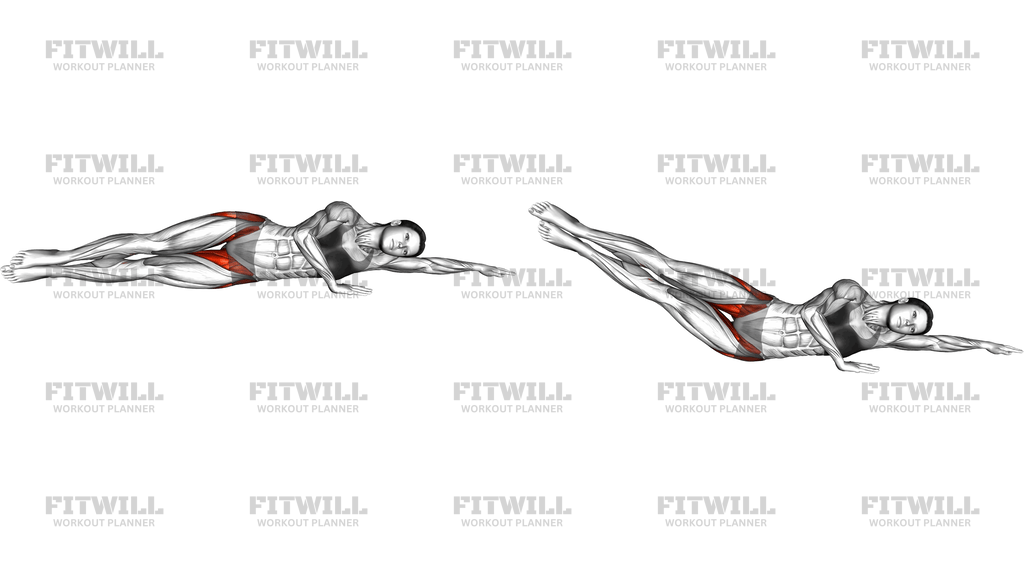
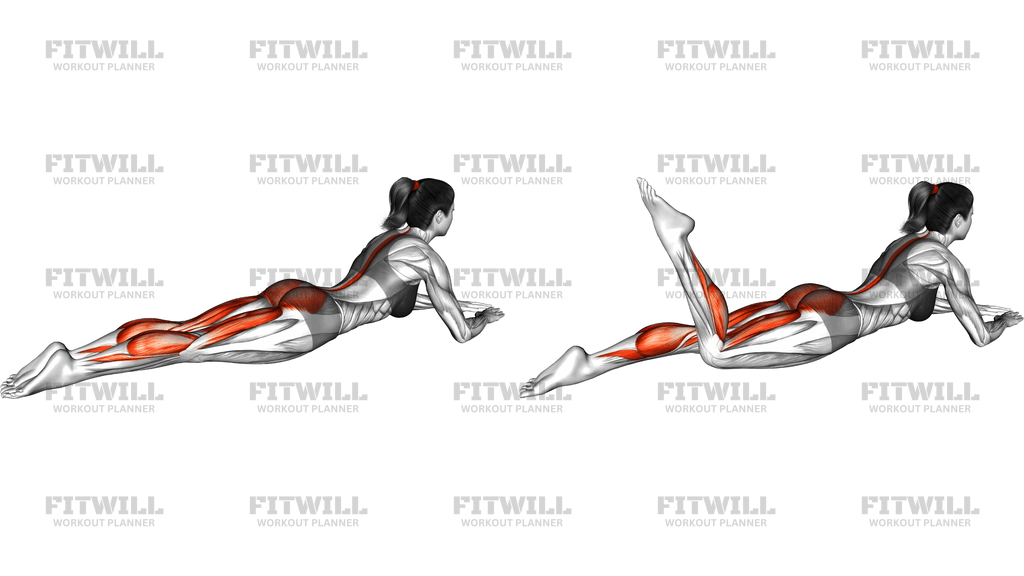
Side Kick Kneeling
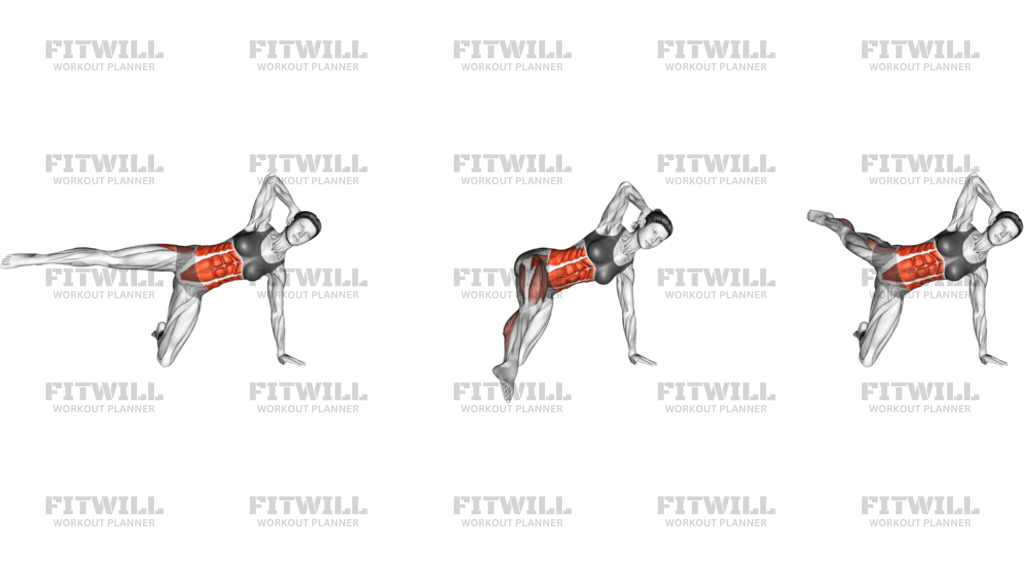
Side Kick Kneeling is a Pilates-style bodyweight core and hip stability exercise performed from a one-hand, one-knee support. In the pictured position, the working side is stacked over the supporting side, the outside hand stays behind the head, and the free leg lifts away from the body in a controlled side kick pattern. The goal is not speed or height. The goal is to keep the torso quiet while the lifted leg and waistline do the work.
This movement is especially useful when you want to train the obliques, glute medius, and deep trunk stabilizers without loading the spine heavily. The support shoulder has to stay packed, the rib cage has to stay under control, and the pelvis has to remain stacked instead of rolling open. That makes the exercise feel small when it is done correctly, but very demanding in the muscles that organize the trunk and hip.
Set the hand directly under the shoulder, press the floor away, and arrange the kneeling leg so the hip is comfortable and stable. From there, the free leg should travel on a clean side path with a long line through the hip and knee. Keep the neck relaxed, the elbow wide if the hand is behind the head, and the waist from collapsing as the leg lifts and lowers. Small, precise reps are more valuable here than chasing a large range.
This is a good accessory exercise for Pilates sessions, core finishers, and glute-med focused warmups because it teaches lateral hip control while the trunk resists side bending and rotation. It works best when the rep cadence is smooth, the pelvis stays level, and the support side does not shrug. If the shoulder, low back, or hip starts to take over, shorten the range and slow the tempo before adding more reps.
Fitwill
Log Workouts, Track Progress & Build Strength.
Achieve more with Fitwill: explore over 9600 exercises with images and videos, access built-in and custom workouts, perfect for both gym and home sessions, and see real results.
Start your journey. Download today!




Instructions
- Start in a side-kneeling support with one hand planted under the shoulder and the other hand behind your head.
- Keep the kneeling knee and supporting hand on the same side so your torso can stay stacked.
- Press the floor away through the support hand and keep the shoulder from collapsing toward the ear.
- Set the free leg long and slightly behind your body line before the first rep.
- Lift the working leg out to the side in a smooth arc while keeping the ribs and pelvis quiet.
- Pause for a moment at the top without twisting open or hiking the hip.
- Lower the leg under control until you feel the outer hip stay engaged.
- Repeat for the planned reps, breathing steadily and resetting the stack after each rep.
Tips & Tricks
- Keep the support hand directly under the shoulder so the joint stack stays solid.
- Think about lifting the leg from the outer hip, not swinging it from the low back.
- Reach long through the heel of the working leg to keep the glute medius engaged.
- Let the top elbow open wide instead of pulling the head forward.
- Keep the bottom waist lifted so the torso does not sag into the floor.
- Use a smaller range if the pelvis rolls open or the shoulder starts to shrug.
- Move slowly through the lower phase because that is where control is usually lost.
- Exhale as the leg lifts and inhale as it returns to the start.
Frequently Asked Questions
What does Side Kick Kneeling train most?
It mainly trains the obliques, deep core stabilizers, and the outer hip of the moving leg.
Can beginners perform this exercise?
Yes, beginners can use it if they keep the range small and focus on staying stacked through the torso.
Where should my hand and shoulder be in the setup?
Plant the hand directly under the shoulder and keep the shoulder packed so you are supporting yourself instead of sinking into the joint.
What is the most common mistake in this movement?
Most people twist the torso open or let the lower waist collapse when the leg lifts.
Should the working leg stay straight?
A straight leg matches the pictured version, but a soft knee is fine if it helps you keep the pelvis still.
Why is the hand behind the head?
It helps keep the chest open and the neck organized while the core resists side-bending.
How high should the leg lift?
Only lift as high as you can without rolling the hips or losing pressure through the support hand.
How can I make Side Kick Kneeling harder?
Slow the lowering phase, add a brief pause at the top, or use a longer lever by keeping the leg fully extended.