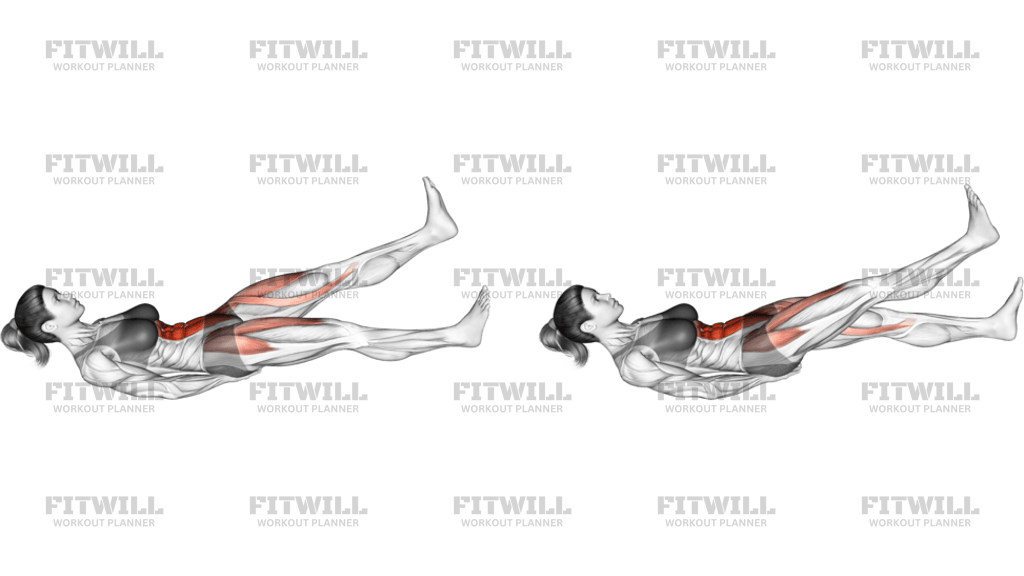
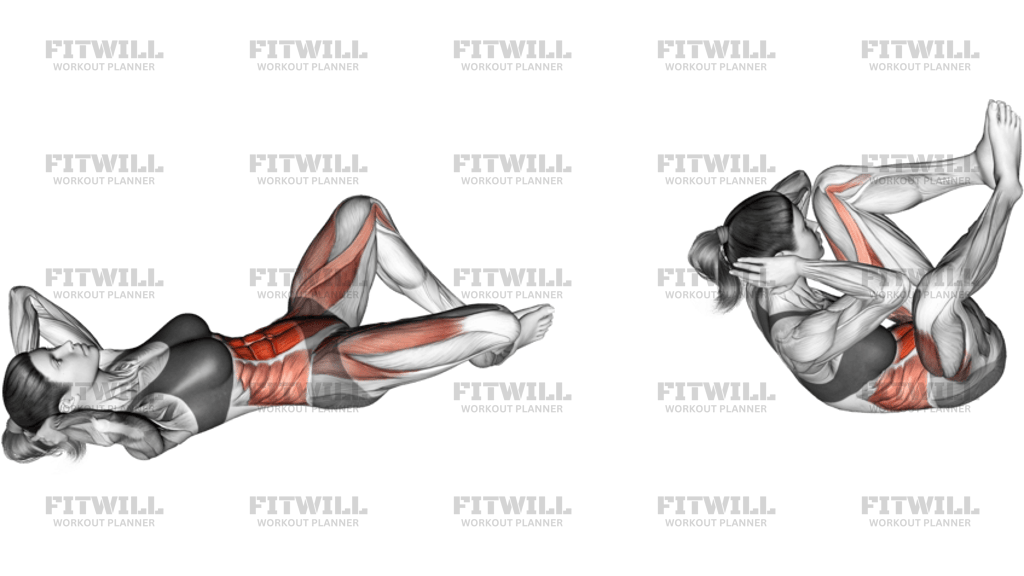
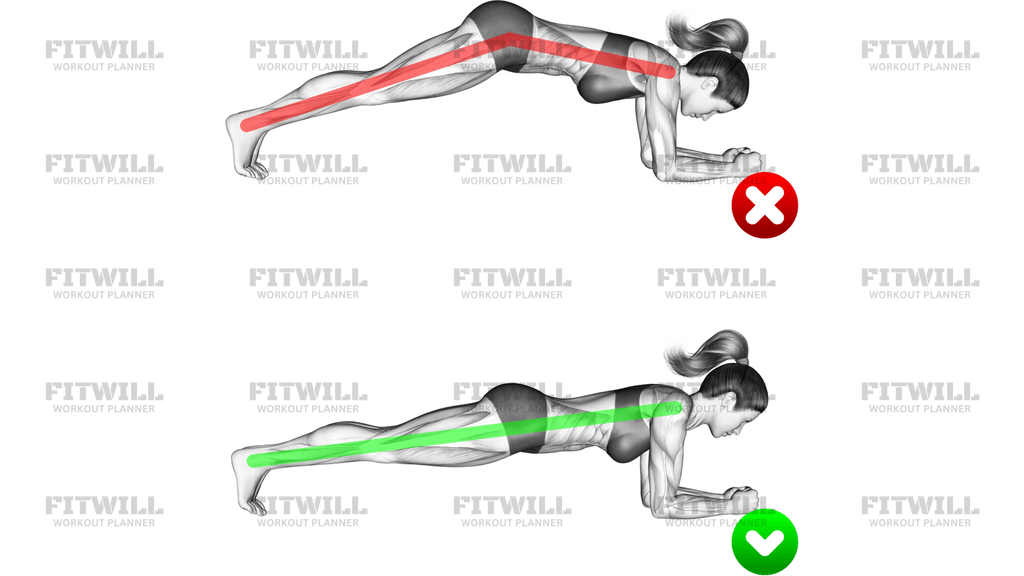
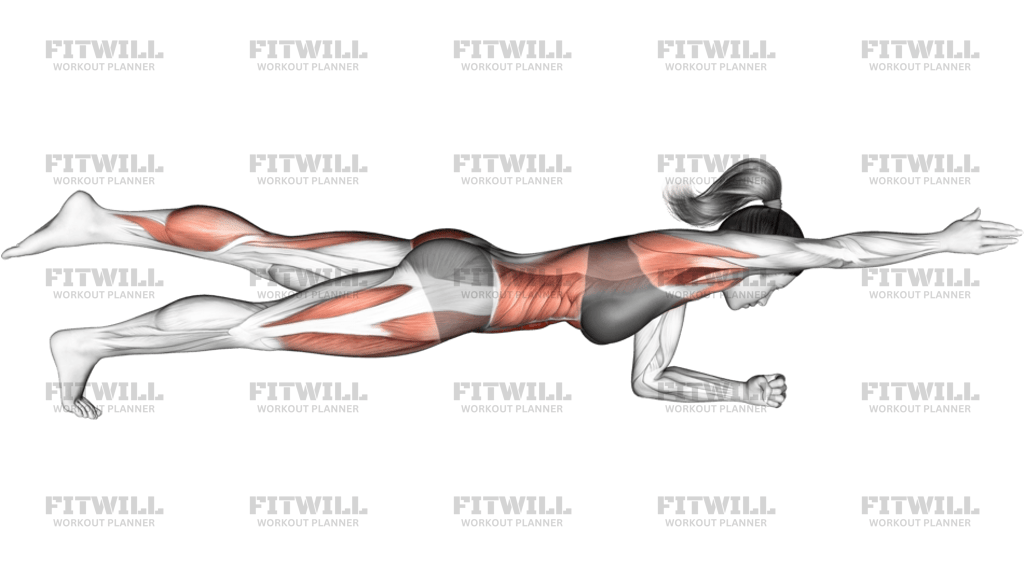
Lying Leg Hip Side Raise On Floor
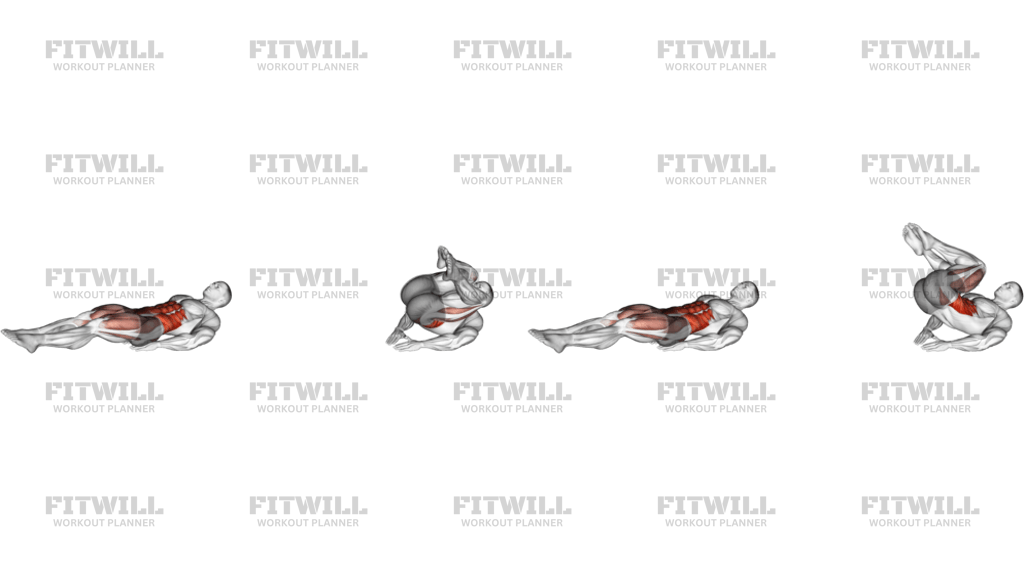
Lying Leg Hip Side Raise On Floor is a side-lying bodyweight floor exercise that trains the outer hip while forcing the abs and obliques to keep the torso from rolling open. The movement is small on purpose: you lie on your side, keep the body stacked, and lift the top leg with enough control that the pelvis stays quiet and the low back does not take over.
Because the setup is fixed on the floor, this drill is useful for cleaning up hip control. The working leg should move from the side of the hip, not from a swing of the trunk or a twist through the lower spine. That makes the exercise valuable for people who want better hip stability, better side-to-side control, or a low-load option for accessory work and warmups.
The best rep feels smooth and deliberate. Start with both hips stacked, ribs down, and the top leg long. Raise the leg only until the pelvis wants to rotate or the torso wants to shift, then pause and lower it under control. If the leg has to travel far to feel hard, the load is usually too much or the body has started cheating the range.
Breathing and bracing matter here because the core is part of the exercise, not just a bystander. Exhale as the leg lifts, keep the waist gently firm, and inhale on the return without letting the ribs flare. If the front of the hip starts to dominate or the lower back arches, shorten the range and keep the movement cleaner instead of trying to force a higher lift.
Use this exercise when you want precise hip work with very low equipment demands. It fits well in activation blocks, core sessions, and rehab-style accessory training, especially when you need a movement that teaches pelvic control before you move on to heavier standing or single-leg work. Beginners can use it as long as they keep the motion small, stacked, and free of momentum.
Fitwill
Log Workouts, Track Progress & Build Strength.
Achieve more with Fitwill: explore over 9600 exercises with images and videos, access built-in and custom workouts, perfect for both gym and home sessions, and see real results.
Start your journey. Download today!




Instructions
- Lie on one side on the floor with your bottom arm under your head and your top hand resting lightly on the floor in front of your chest for balance.
- Stack your shoulders and hips, keep both legs long, and place the top leg slightly in front of the lower leg so the outer hip can lift cleanly.
- Keep your ribs down and gently brace your lower abs before the first rep.
- Lift the top leg upward without rocking your pelvis backward or arching your lower back.
- Stop the lift as soon as your hips start to roll open or your torso wants to shift.
- Pause for a moment at the top with the leg under control.
- Lower the leg slowly until it is just above the bottom leg, then repeat without letting it bounce.
- Exhale as you lift and inhale as you lower, then switch sides when the set is complete.
Tips & Tricks
- Keep the top foot pointed forward or slightly down so the lift comes from the side of the hip instead of the front of the hip.
- Do not let the pelvis roll backward to fake a bigger range; a smaller clean lift is better than a higher sloppy one.
- Press the lower waist gently into the floor so the obliques stay active while the leg moves.
- If the neck starts to tense, relax the head and use the top hand for only light support.
- A slow two-count lift and two-count lower usually works better than fast reps on this exercise.
- Stop the set when the leg can only rise by twisting the torso or shrugging the hip upward.
- If you feel too much front-of-hip tension, shorten the range and keep the leg a little in front of the body.
- Use ankle weights only after you can hold the hips stacked through the entire set.
Frequently Asked Questions
What muscle does Lying Leg Hip Side Raise On Floor target most?
The outer hip does the main lifting, while the abs and obliques keep the torso from rolling open.
Is this just a side-lying leg raise?
It is very similar, but this version emphasizes keeping the body stacked and the trunk quiet while the top leg lifts.
Should my top leg stay straight or bent?
Start with the leg straight. A slight bend is fine if a straight knee makes the pelvis twist or the hip flexor take over.
How high should I raise the leg?
Only lift as high as you can keep the hips stacked. If the pelvis rolls or the low back arches, the range is already too high.
Why do I feel this in my lower back?
Usually the ribs are flaring or the torso is twisting to help the lift. Shorten the range and keep the abs lightly braced.
Can I use this as a warmup exercise?
Yes. It works well in a warmup or activation block because it teaches hip control without heavy loading.
Where should my free hand go?
Place it lightly on the floor in front of your chest or under your head. It should support balance, not drive the movement.
How do I make the movement harder without changing exercises?
Slow the lowering phase, add a brief pause at the top, or use a light ankle weight once your alignment stays solid.