Quick Feet Version 2
Quick Feet Version 2 is a bodyweight speed and conditioning drill built around rapid, low, alternating footwork. The movement looks simple, but the real training effect comes from staying light on the feet while keeping the hips low and the torso organized. It develops coordination, lower-body reactivity, ankle stiffness, and the ability to change weight quickly without letting the upper body bounce or twist out of control.
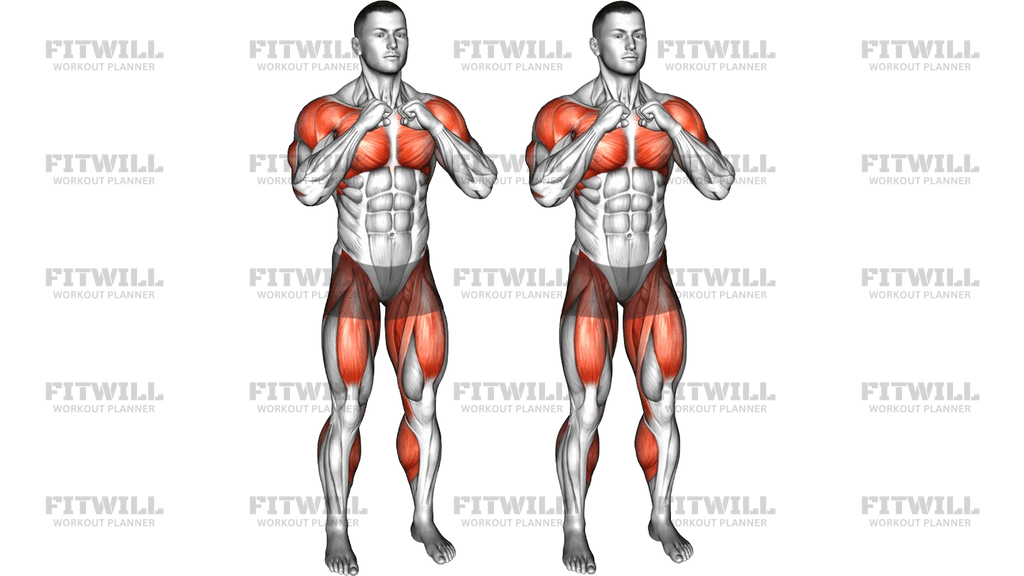
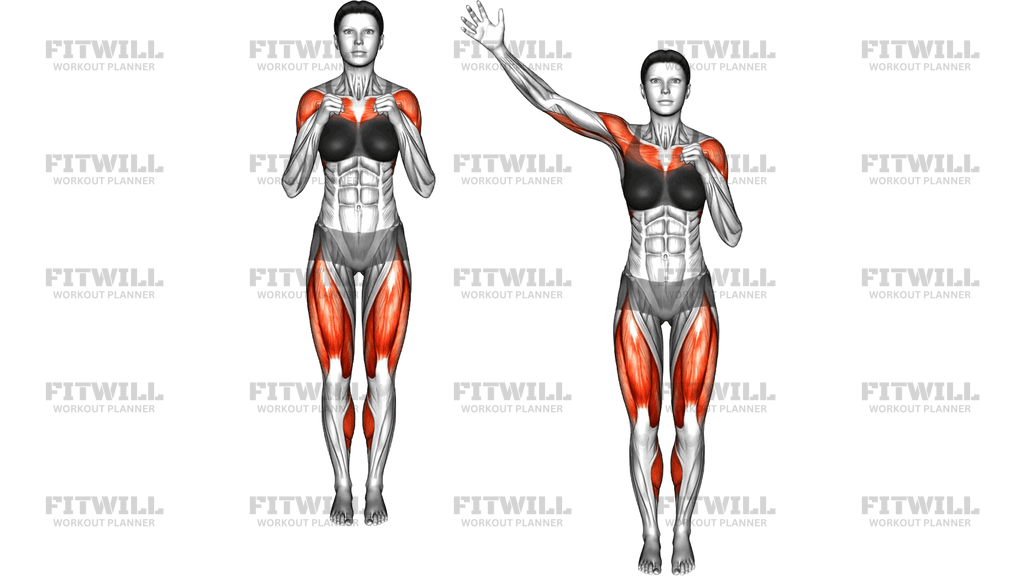
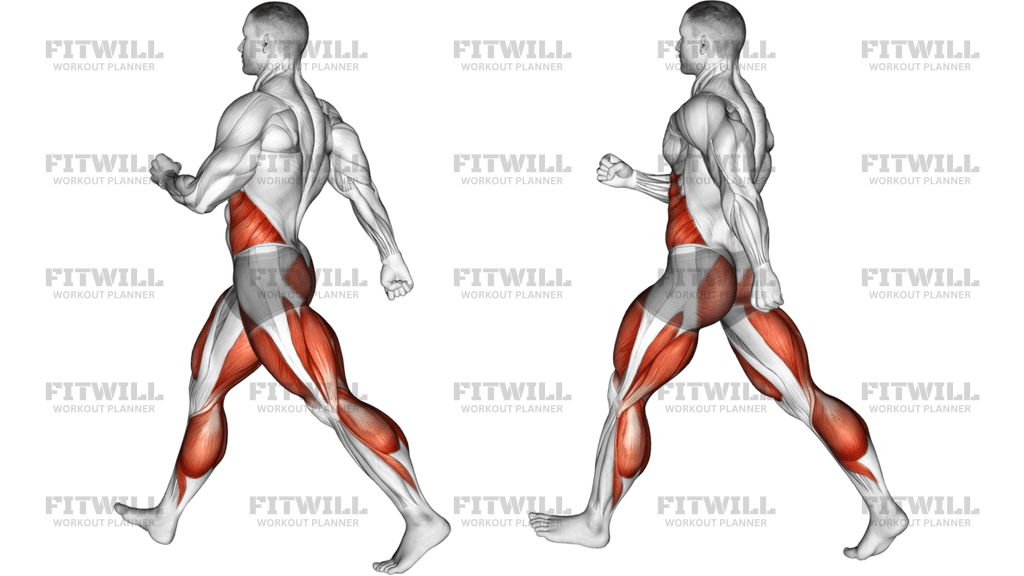
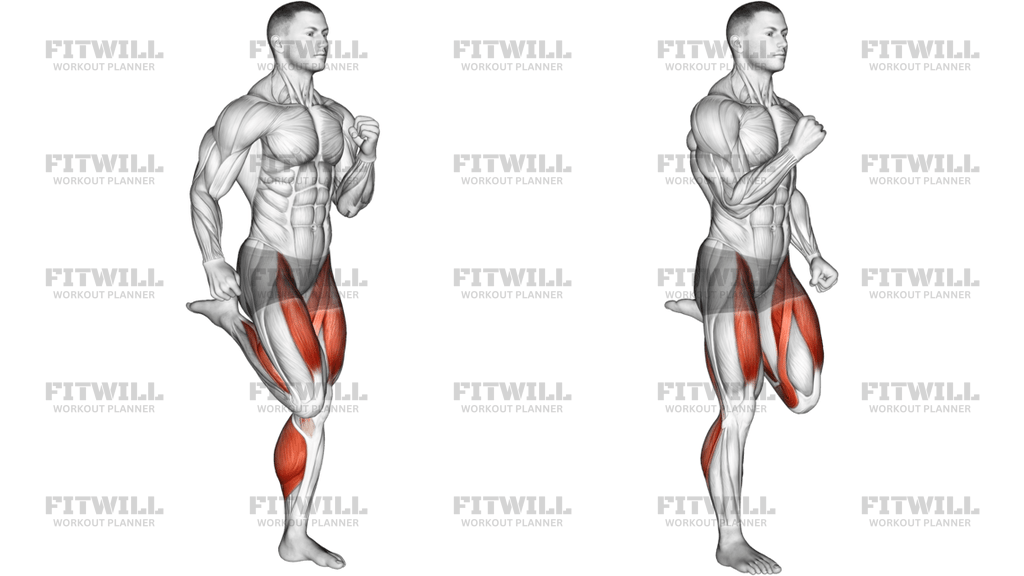
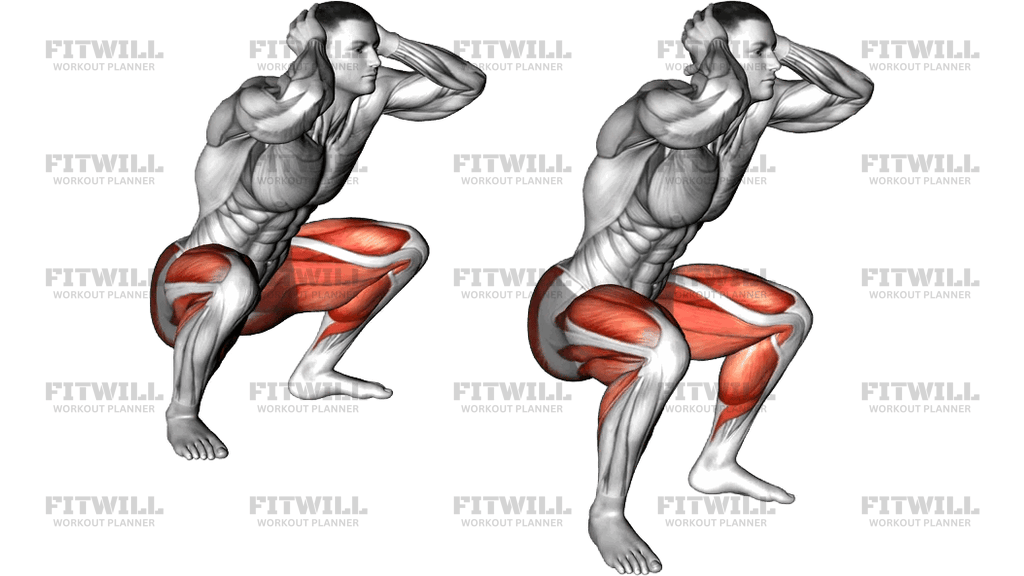
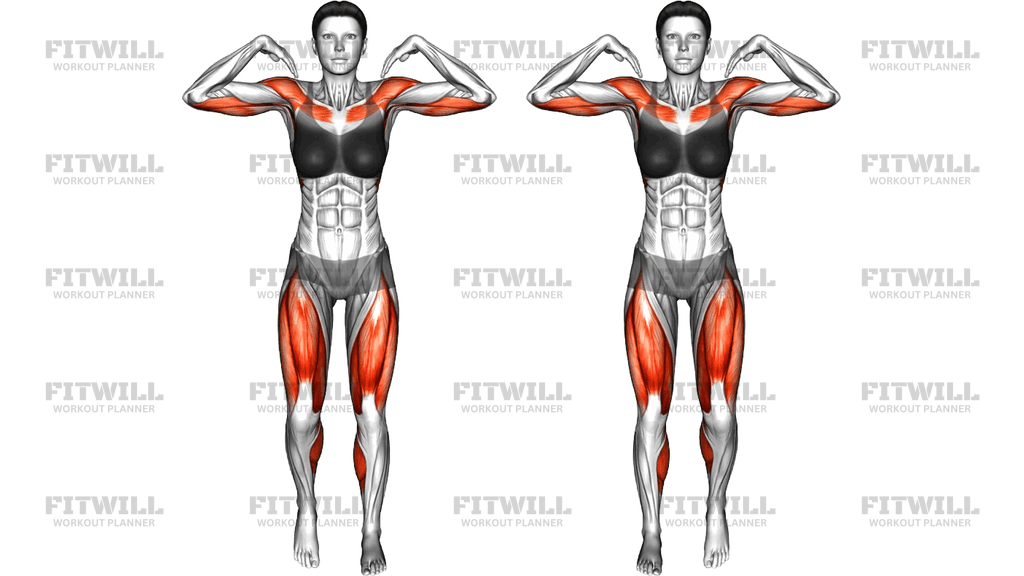
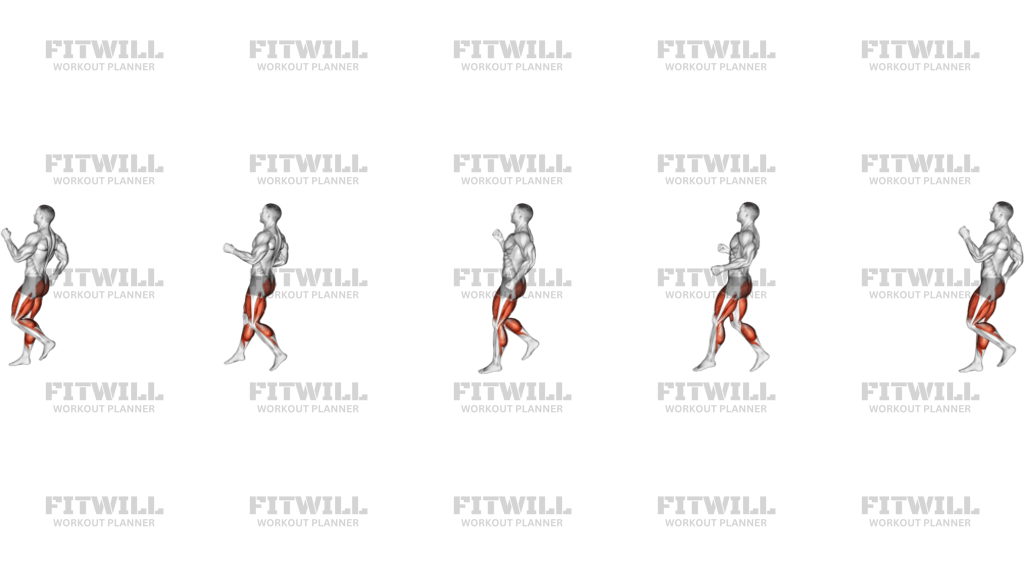
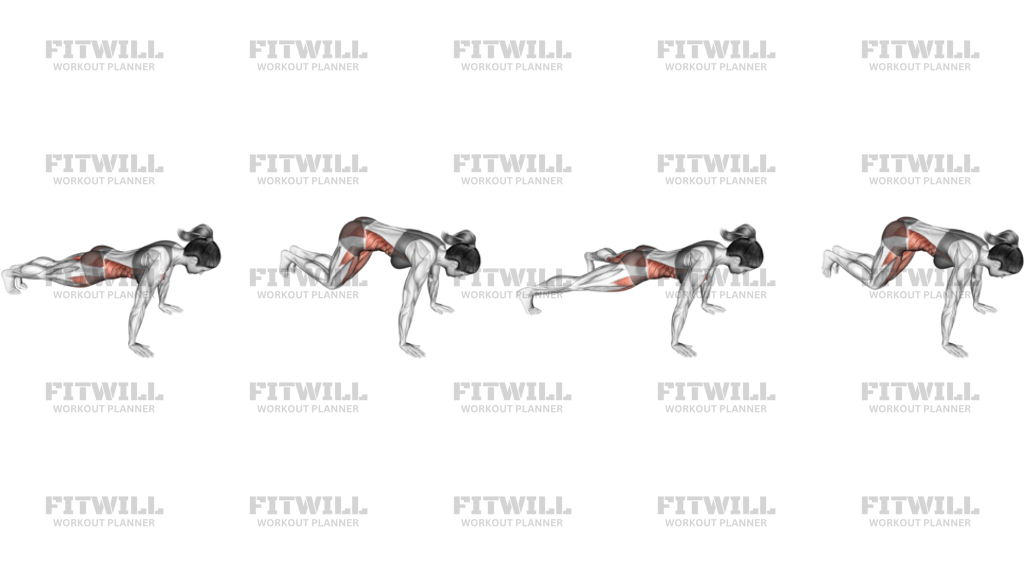
The position shown here is an athletic crouch with the chest slightly forward, the knees bent, and the hands held in front of the torso for balance. One leg takes most of the load while the other stays long, then the body switches sides in a quick rhythm. That alternating pattern keeps the quads, glutes, calves, and core working together to stabilize each landing while the heart rate climbs.
Because this is a speed drill, setup matters more than range. Start with the feet a little wider than hip width, keep the weight toward the balls of the feet, and stay ready to move with short steps instead of big lunges. The goal is to keep the legs loaded and the transitions crisp so every contact with the floor looks quick and controlled rather than slow and heavy.
Quick Feet Version 2 fits well in warmups, conditioning circuits, sport preparation, or low-equipment finishers. It is also useful for teaching beginners how to stay stable in an athletic stance before progressing to jumps, change-of-direction drills, or more demanding agility work. That makes it a useful bridge between simple foot speed and harder field or court work that demands repeated direction changes. If the knees cave inward, the feet slap the floor, or the torso swings side to side, slow the drill down and shorten the travel until the rhythm is clean again.
Keep breathing steady and stop the set before the movement turns into a stumble. Clean foot speed, balanced hips, and quiet landings matter more than brute effort or a huge range. When Quick Feet Version 2 is done well, it builds efficient lower-body mechanics and a strong conditioning stimulus with no external load.
[ Workout Log & Planner ]
Put your next workout in Fitwill
Keep your plan and training log ready when you are.


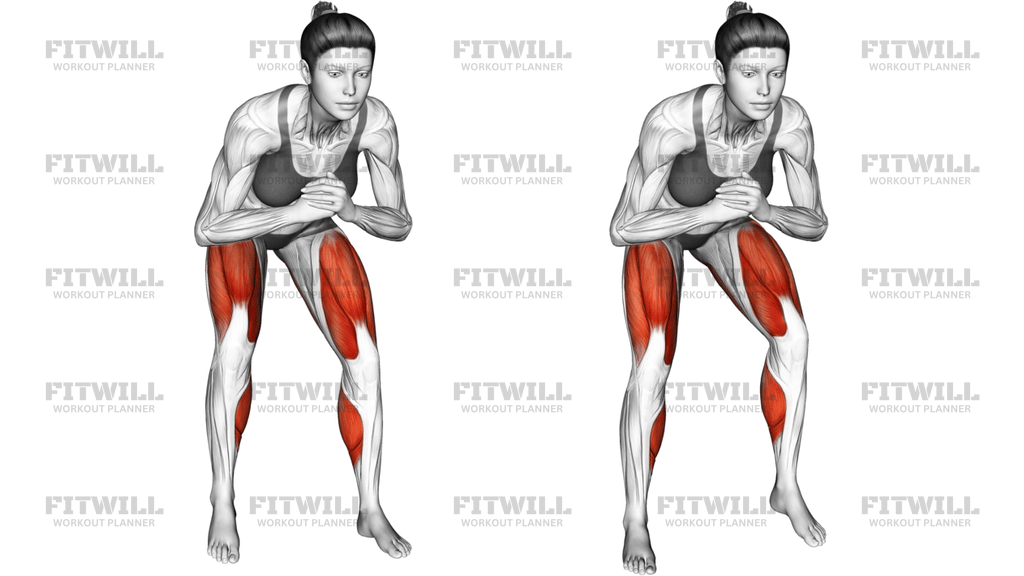
Instructions
- Stand in a slight crouch with your feet a little wider than hip width, toes pointing forward or slightly out, and your hands clasped in front of your chest.
- Shift your weight to one side by bending that knee while keeping the opposite leg long and the heel light.
- Drive off the loaded foot and quickly switch to the other side, landing softly on the balls of both feet.
- Keep your chest angled forward, hips low, and eyes ahead so your torso does not swing with each switch.
- Use short, fast foot contacts instead of taking big lunges or jumping high off the floor.
- Track both knees over the toes as you alternate sides so the knees do not collapse inward.
- Breathe steadily through the rhythm and avoid holding your breath during the faster switches.
- Continue for the planned time or reps, then stand tall and walk it off before the next set.
Tips & Tricks
- Keep the stance wide enough that you can shift side to side without the knees caving inward.
- Think low and quick, not big and far; the drill should look compact rather than exaggerated.
- If the feet start slapping the floor, shorten the step and soften the landing.
- Keep the hands still at chest level so the arms do not create extra torso rotation.
- Use a pace you can maintain for the full interval instead of sprinting early and fading.
- If the calves burn before the legs do, you are staying too high on the toes and need a deeper crouch.
- The drill should feel like repeated athletic positions, not like full lunges with pauses between sides.
- Stop the set as soon as the rhythm gets choppy; sloppy footwork turns this into random stepping.
Frequently Asked Questions
What does Quick Feet Version 2 train most?
It is mainly a speed and conditioning drill for the legs, with the quads, glutes, calves, and core helping you stay stable while you switch sides.
Is Quick Feet Version 2 the same as running in place?
No. This version uses a low athletic stance and quick side-to-side weight shifts instead of upright running steps.
Should my feet stay planted during Quick Feet Version 2?
No. The feet should make short, quick contacts with the floor and change sides rapidly so the drill stays light and reactive.
How low should I stay in Quick Feet Version 2?
Stay low enough that the knees stay bent and the hips are loaded, but not so low that your chest collapses or your steps get sluggish.
Is Quick Feet Version 2 supposed to be a jump?
Not a big jump. The image shows a quick lateral switch and a small shuffle pattern, so the focus should stay on fast feet and soft landings.
Can beginners do Quick Feet Version 2 safely?
Yes. Beginners should use smaller steps, a slower rhythm, and shorter sets until they can keep the knees tracking cleanly over the toes.
What are the most common mistakes in Quick Feet Version 2?
Standing too tall, crossing the feet, letting the knees cave inward, and swinging the torso to create momentum are the biggest form breaks.
When should I use Quick Feet Version 2 in a workout?
It works well in a warmup, agility block, cardio circuit, or finisher when you want quick footwork without adding equipment or heavy impact.