Roll Ball Posterior Tibialis Single Leg Side Lying On Floor
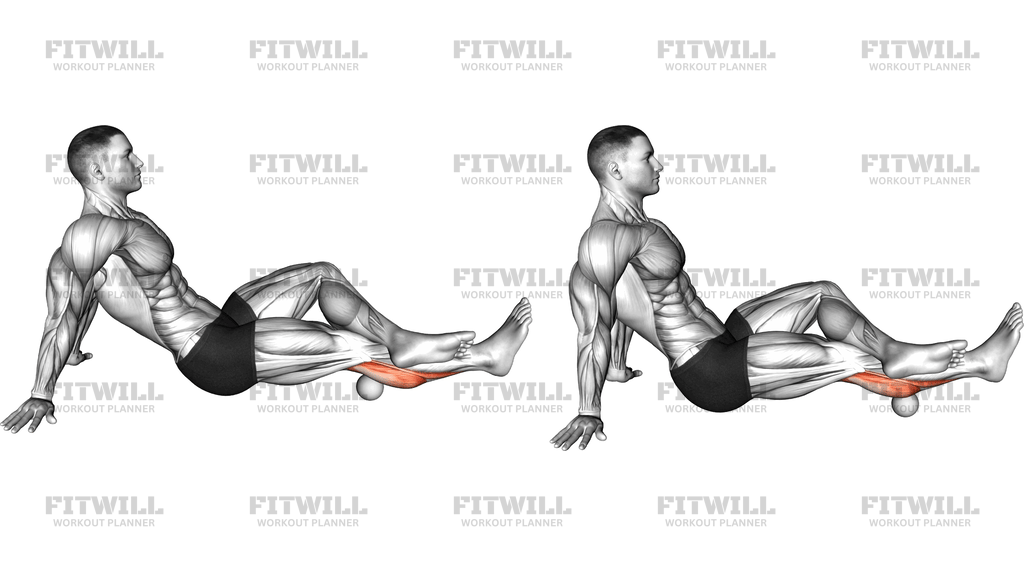
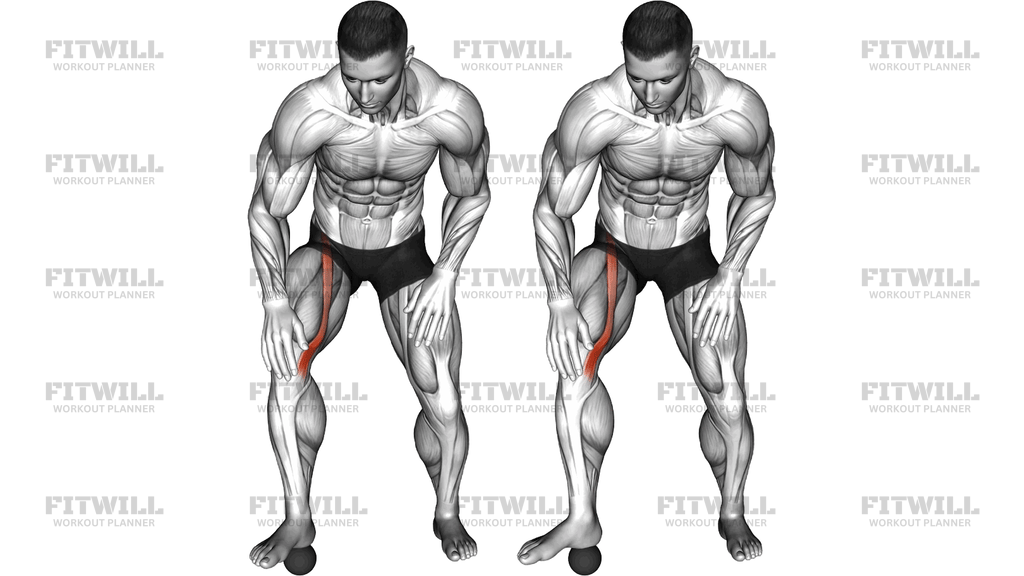
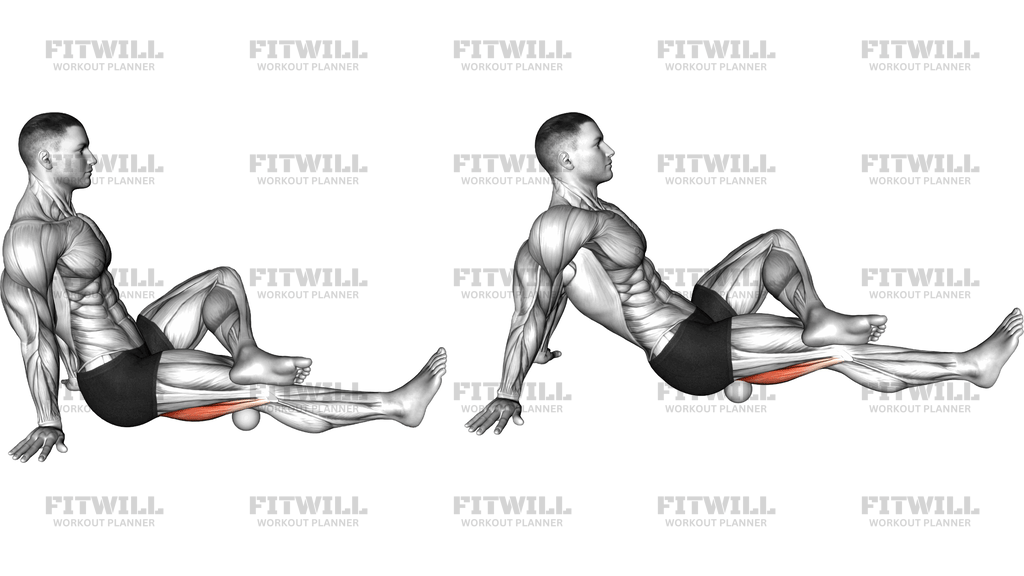
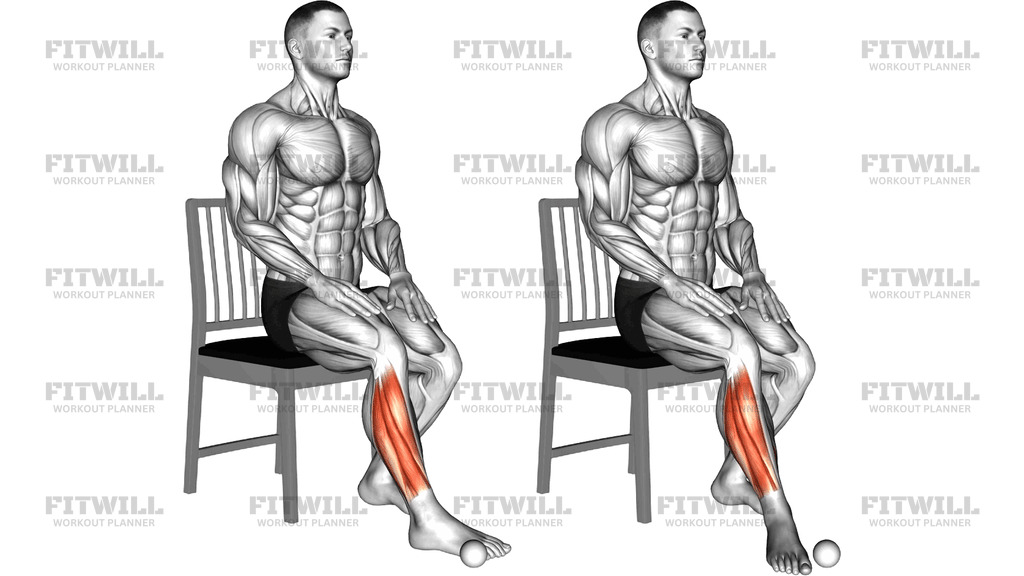
Roll Ball Posterior Tibialis (Single Leg) Side Lying on Floor is a focused soft-tissue release drill for the deep calf and inner lower leg. In the image, you are lying on your side with one forearm and hand supporting you while the rollball sits under the posteromedial calf of the working leg. The position lets you put bodyweight into a very specific strip of tissue without needing to stand, squat, or use a wall.
The posterior tibialis helps control the arch of the foot and supports ankle stability, so it often gets tight when you run, walk a lot, jump, or spend time in narrow or unstable shoes. This drill is not about forcing a big range of motion. It is about finding a tolerable pressure point along the inner calf, then rolling slowly so the muscle can relax and glide instead of guarding against the pressure.
Setup matters because the ball should stay on soft tissue, not on the shin bone or ankle joint. The top leg is parked in front for balance while the lower, working leg rests on the ball. From there, small shifts of bodyweight create the pressure change. If you move too fast or lean too hard, the tissue usually tightens up and the release turns into a bruising grind instead of useful work.
Use this drill before ankle mobility, calf training, running, or any session where your lower leg feels stiff and reactive. The goal is a steady, controlled scan from just above the ankle toward the lower calf, pausing on tender spots and letting the pressure settle. Good reps stay quiet, deliberate, and repeatable, with no twisting through the knee or rolling directly over bony landmarks.
Begin with light pressure and only increase the load enough to feel the tissue soften. If the area feels sharp, numb, or overly irritated, move the ball slightly or come off the spot. Done well, this is a practical way to prepare the foot and ankle for more demanding work while giving the inside of the calf a more specific release than a generic foam roll.
[ Workout Log & Planner ]
Put your next workout in Fitwill
Keep your plan and training log ready when you are.


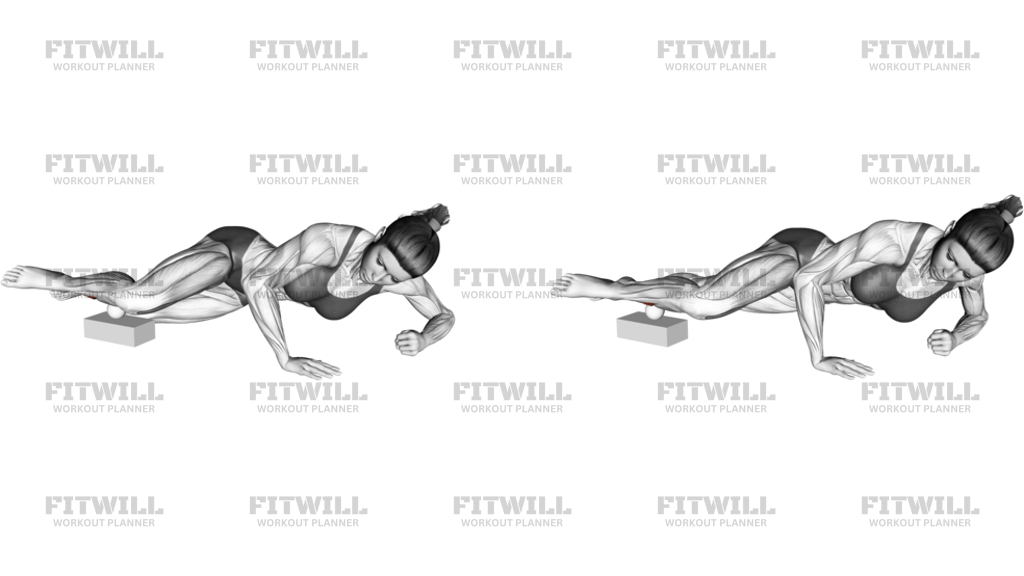
Instructions
- Lie on your side with the rollball under the inside of the lower leg, just above the ankle and below the calf belly.
- Prop your torso on the forearm and free hand so you can control how much bodyweight goes into the ball.
- Bend the top leg and place it in front of you for balance while keeping the working leg relaxed.
- Let the working lower leg rest on the ball with the foot relaxed and the knee pointed in the same direction as the shin.
- Shift your body a few inches forward and back to roll from the inner ankle area toward the lower calf.
- Pause on a tender spot for a few breaths, then make tiny circles or short micro-rolls to let the tissue soften.
- Keep the pressure on soft tissue and avoid rolling directly over the shin bone or ankle joint.
- Breathe slowly throughout the set and ease off the ball before switching sides or repeating.
- Repeat for the planned time or number of passes on each leg.
Tips & Tricks
- Place the ball on the posteromedial calf, not on the sharp edge of the tibia or the ankle bone.
- Use your forearm and free hand to fine-tune pressure; a small shift in bodyweight changes the intensity a lot.
- Keep the toes mostly relaxed so the posterior tibialis can release instead of bracing hard through the foot.
- Short, slow passes usually work better than long fast sweeps on a sensitive lower leg.
- If the ball feels too aggressive, move it slightly closer to the calf belly where there is more soft tissue.
- Stop or reduce pressure if you feel tingling, numbness, or sharp pain instead of a dull release sensation.
- Try a gentle ankle pump after settling on a tender point if the tissue tolerates movement well.
- Use this before running, calf raises, jumps, or ankle mobility work when the inner calf feels stiff.
- Keep the top leg parked out of the way so it does not collapse onto the working leg.
Frequently Asked Questions
What does the rollball work in this side-lying drill?
It targets the posterior tibialis and the soft tissue along the inner lower leg, especially near the ankle and lower calf.
Where should the ball sit on the leg?
Place it on the soft tissue of the posteromedial calf, not directly on the shin bone, ankle joint, or inside ankle bone.
How much pressure should I use?
Use enough pressure to feel a deep but tolerable release. If the spot feels sharp or irritating, reduce the load immediately.
Do I roll the whole leg or just the ankle?
Mostly move your body a few inches at a time so the lower leg rolls over the ball. Small ankle pumps can be added if they feel comfortable.
Is this exercise good before training?
Yes. It can work well before running, calf work, jumping, or ankle mobility drills when the inner calf feels tight.
Can beginners do this drill?
Yes. Start with light pressure, short passes, and a small range so the tissue can settle without getting irritated.
What is the most common mistake?
The biggest mistake is pressing on a bony spot or leaning so hard that the leg tightens up instead of releasing.
How long should I stay on one tender spot?
Hold it for a few slow breaths or about 10 to 20 seconds, then move on and come back later if needed.
Should I feel this in my foot too?
You may notice the foot relaxing as the inner calf lets go, but the main sensation should stay in the lower leg.