Standing Median Nerve Mobilization
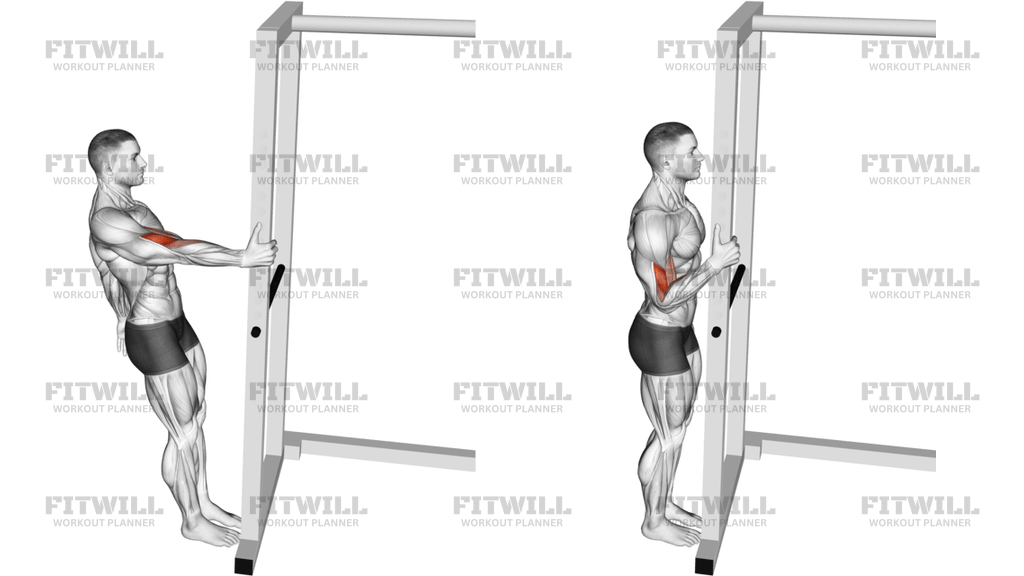
The Standing Median Nerve Mobilization is a gentle nerve glide performed standing, where you take one arm out to the side at shoulder height with the palm turned up, then rhythmically bend and straighten the elbow to create a smooth sliding motion of the median nerve as it travels from the neck, across the shoulder and elbow, and into the wrist and hand. Unlike a strength exercise, the goal is not to contract muscle but to move the nerve through its surrounding tissue without overstretching it, which is why the movement is done slowly and within a comfortable, symptom-free range.
This mobilization is commonly used by people who spend long hours at a desk, drivers, hairdressers, and anyone doing repetitive gripping, typing, or overhead work. Because the median nerve runs a long path from the lower neck to the fingers, tension or restricted sliding anywhere along that route can contribute to sensations of tightness, tingling, or aching in the forearm, wrist, or hand. Gentle glides like this one help maintain the nerve's ability to move freely with everyday arm and neck motion.
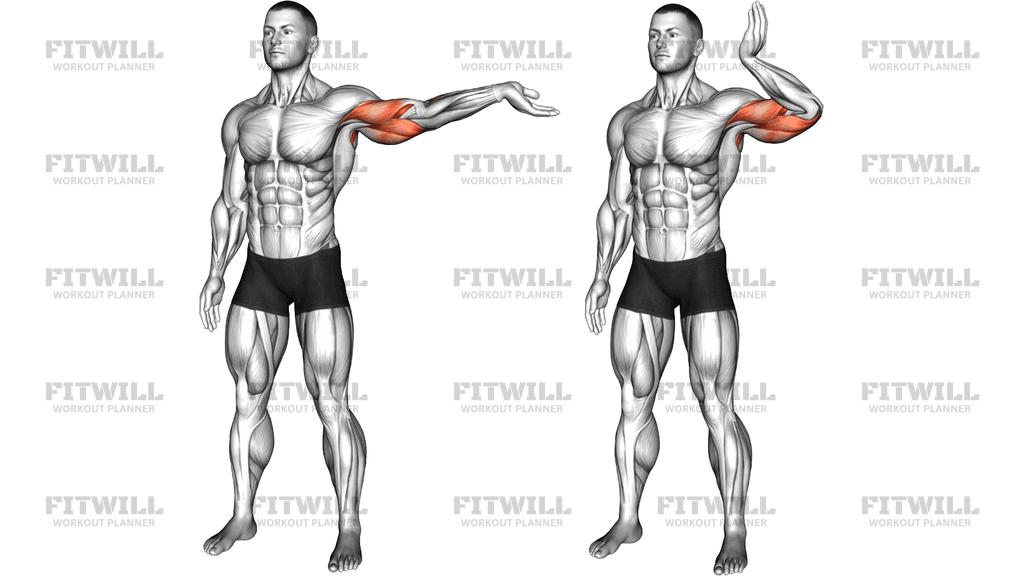
Setup matters more than effort here. Stand tall with your feet about hip-width apart and your shoulders relaxed. Raise one arm straight out to the side to roughly shoulder height, turn the palm upward, and let the wrist and fingers fall back into a gentle extension. That combination of shoulder abduction, elbow extension, and wrist extension is what places a light tension on the median nerve, so the starting position should feel like a mild, tolerable stretch rather than an intense pull.
From there, bend the elbow and bring the hand up toward the side of your head, keeping the palm facing outward and the wrist extended. Some people also side-bend the neck toward or away from the working arm to fine-tune where the glide is felt. Then smoothly return to the straight-arm starting position. The back-and-forth rhythm is the exercise: think of flossing the nerve gently rather than forcing a deep static stretch.
A common cue is to keep the movement pain-free and to stop well before any tingling, numbness, or electric sensation appears. If symptoms show up, reduce the wrist extension, lower the arm slightly, or shorten the range of elbow motion. Nervous tissue responds better to frequent, light doses than to aggressive stretching, so a set of five to ten slow, controlled glides per side, once or twice a day, is plenty for most people.
This exercise pairs well with wrist and forearm mobility work, neck mobility drills, and regular breaks from repetitive hand tasks. It requires no equipment and only a small amount of space, which makes it easy to slot into a warm-up, a mid-day reset, or a cool-down after upper-body training.
[ Workout Log & Planner ]
Put your next workout in Fitwill
Keep your plan and training log ready when you are.


Instructions
- Stand upright with your feet about hip-width apart, your weight balanced evenly, and your shoulders relaxed away from your ears.
- Raise one arm straight out to your side to about shoulder height, keeping the elbow fully extended.
- Turn the palm to face upward and let your wrist and fingers gently fall back so the palm opens toward the ceiling.
- Take a relaxed breath and check that the position feels like a mild stretch only; adjust the wrist or arm height if the sensation is sharp.
- Slowly bend the elbow and bring the hand up toward the side of your head, keeping the palm facing outward and the wrist extended.
- Optionally side-bend your neck slightly toward the opposite shoulder to adjust where the glide is felt, keeping the motion small.
- Smoothly straighten the elbow to return the arm to the starting position out at your side.
- Breathe steadily throughout, exhaling as the elbow bends and inhaling as it returns.
- Complete five to ten slow, continuous glides, then lower the arm and repeat on the other side.
- Between repetitions, drop the arm briefly and shake out the hand if any tension builds up before continuing.
Tips & Tricks
- The most common mistake is cranking the wrist back as far as possible; the median nerve responds to light, repeated motion, so keep wrist extension to a comfortable level.
- If you feel tingling or a zapping sensation into the fingers, that is a sign you have moved past a glide into a stretch; back off by lowering the arm a few inches or relaxing the wrist.
- Keep the shoulder down as the elbow bends; hiking the shoulder toward the ear changes the nerve path and reduces the effectiveness of the glide.
- Move the elbow at the pace of a slow breath rather than snapping it open and shut, since fast repetitive motion can irritate the nerve instead of mobilizing it.
- If turning the palm fully upward is uncomfortable, start with the palm angled halfway and work toward a fuller supination over several sessions.
- Do not hold the bent-elbow end position as a static stretch; this exercise works through continuous motion, not by lingering at the tightest point.
- Keep the neck quiet and tall at first; only add the small side-bend once you can perform the arm motion smoothly without neck tension.
- Perform the easier side first so you have a reference for how the movement should feel on the more restricted side.
- If you spend long stretches typing or gripping, scatter short sets of this glide through the day rather than doing one long, aggressive session.
Frequently Asked Questions
What does the Standing Median Nerve Mobilization actually target?
It targets the median nerve, which runs from the lower neck across the shoulder, down the arm, and into the hand. The glide helps the nerve slide smoothly through the tissues along that path rather than stretching any single muscle.
Why does the palm face up with the wrist pulled back in the starting position?
Shoulder abduction with a supinated palm and extended wrist places gentle, even tension along the full length of the median nerve. That starting shape is what makes the elbow bending and straightening work as a nerve glide.
Is the Standing Median Nerve Mobilization safe for beginners?
Yes, as long as it stays pain-free and symptom-free. Beginners should use a smaller range of wrist extension and fewer repetitions until they learn the difference between a mild glide sensation and nerve irritation.
What is the most common mistake with this exercise?
Pushing into tingling or electric sensations, which means the nerve is being stretched too hard instead of glided. Reduce the wrist extension, lower the arm, or slow the tempo until the movement feels like a mild pulling only.
How many repetitions should I do per side?
Five to ten slow, continuous glides per side is a practical dose, once or twice a day. Nerve mobilizations respond better to frequent light exposure than to high-volume sessions.
Can I do this if I have been diagnosed with carpal tunnel syndrome?
Median nerve glides are often part of conservative management for wrist and hand symptoms, but you should get clearance from a doctor or physical therapist first and stay well within a pain-free range.
What can I substitute if raising my arm to shoulder height is uncomfortable?
Lower the arm to a level where the position is comfortable and perform the same elbow bending with a turned-up palm. A seated version with the same arm path works in a smaller space and reduces balance demands.
Should I hold the end position like a normal stretch?
No, this is a mobilization, not a static stretch. Holding the bent-elbow position for a long time can increase nerve tension; keep the arm moving smoothly between the two positions.
When is the best time to include the Standing Median Nerve Mobilization?
It fits well in a warm-up before upper-body training, during breaks from desk or repetitive hand work, and in a cool-down. Avoid doing it right after heavy pressing or pulling when the arm tissue is already fatigued and sensitive.
Why does the exercise highlight the shoulder and upper arm area?
The highlighted area shows the path the nerve travels near the shoulder and upper arm, not a muscle being built. The biceps and shoulder muscles simply move the arm into the positions that create the glide.