Wrist Push-Up
Wrist Push-Up is a bodyweight wrist-and-forearm conditioning exercise built around a push-up pattern with the hands turned into a much more demanding position than a normal floor push-up. Instead of treating it like a chest movement, think of it as a loaded wrist drill that asks the forearms, wrist flexors, wrist extensors, and hand stabilizers to support and control your body through the whole rep.
The exercise matters because the wrists are doing two jobs at once: they have to hold the hand position against the floor while the elbows bend and extend, and they also have to tolerate the shift of bodyweight as you lower and press. That makes setup important. A small change in hand angle, stance width, or surface firmness can be the difference between clean tension and immediate strain in the wrists or elbows.
The image shows a classic push-up body line with the load carried through the hands in a reversed wrist position. That means the movement should stay strict and deliberate. Keep the shoulders stacked enough to control the descent, keep the torso from sagging or piking, and lower only as far as you can maintain pressure through the hands without collapsing the wrists. This is a precision drill, not a speed test.
Wrist Push-Up is usually best used as an accessory, prehab, or advanced bodyweight strength movement for athletes who need stronger wrists for calisthenics, martial arts, gymnastics, or floor-based pushing. It is not a beginner chest-builder and it should not be forced through sharp pain. Use padding, shorten the range, or regress to a wall or knee-supported version if the wrists are not ready for full bodyweight loading.
Fitwill
Log Workouts, Track Progress & Build Strength.
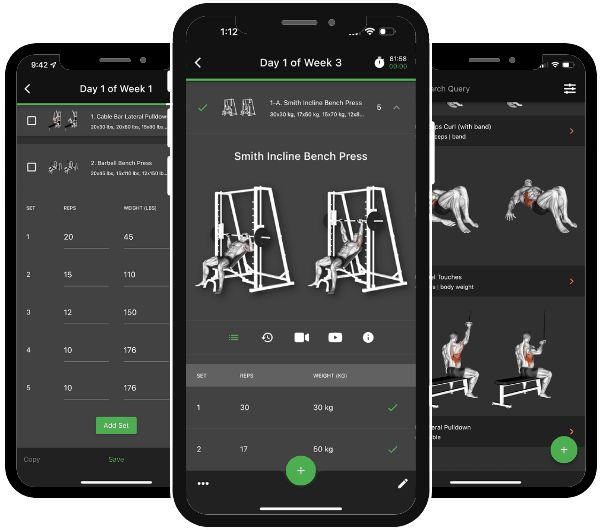
Achieve more with Fitwill: explore over 5000 exercises with images and videos, access built-in and custom workouts, perfect for both gym and home sessions, and see real results.
Start your journey. Download today!


Instructions
- Place a mat or folded towel on the floor and come into a high plank with your hands under your shoulders and the backs of your hands or wrists on the support surface.
- Turn your fingers inward enough that the wrists stay organized and the palms are not bearing the load the way they would in a normal push-up.
- Set your feet hip-width apart, squeeze your glutes, and make a straight line from head to heels before the first rep starts.
- Lower your chest toward the floor by bending your elbows while keeping pressure centered through the hands and knuckles/wrist contact points.
- Stop the descent before the wrists collapse inward or the shoulders drift far past the hands.
- Press the floor away and return to the top by extending the elbows and keeping the forearms active through the whole push.
- Hold the top briefly with locked-in body tension, then begin the next rep without bouncing.
- Breathe in on the way down and exhale as you press back to the starting position.
Tips & Tricks
- Use a soft mat, folded towel, or yoga mat so the backs of the hands or knuckles are not taking the full impact on a hard floor.
- Keep the fingers arranged exactly as the exercise allows; if one hand turns out farther than the other, the wrists will feel uneven and the rep usually becomes sloppy.
- Limit the range before the wrists feel pinched or the palms start to peel away from the floor line.
- Keep the elbows tracking at a natural angle instead of flaring hard to the sides, which shifts the load away from the wrists and into the shoulders.
- Move slowly enough that you can feel pressure through the forearms on both the lowering and pressing phases.
- If the top position causes a sharp stretch, use a smaller range and build tolerance gradually over several sessions.
- Keep the ribcage from flaring up; once the torso sags, the wrists usually take a bigger hit.
- Treat pain in the wrist joint as a stop signal, not as a cue to push through for extra reps.
Frequently Asked Questions
What muscle does Wrist Push-Up target most?
The forearms are the primary target, with the wrist flexors and wrist extensors doing most of the stabilization work.
Can beginners perform this exercise?
Most beginners should start with a wall or knee-supported regression first, because the wrist position can be demanding even without added weight.
Should my hands stay flat like a normal push-up?
No. The hands are set in the reversed wrist position shown in the exercise, so the wrists and forearms have to support the body rather than the palms doing all the work.
How far should I lower on each rep?
Lower only until you can keep pressure through the hands and wrists without collapsing or twisting the contact points.
Why do the wrists need padding?
Padding reduces the stress of the floor contact and helps the hands tolerate the inverted position long enough to train the forearms cleanly.
What are the most common mistakes?
The biggest issues are letting the torso sag, dropping too deep too fast, and forcing the wrist angle before the joint is ready.
What is a good substitute if my wrists do not tolerate it?
Use a wall version, a knee-supported version, or a standard push-up on handles until the wrists can handle the reversed position.
What should I breathe on each repetition?
Inhale as you lower, then exhale as you press back to the top so the trunk stays braced and the rep stays controlled.