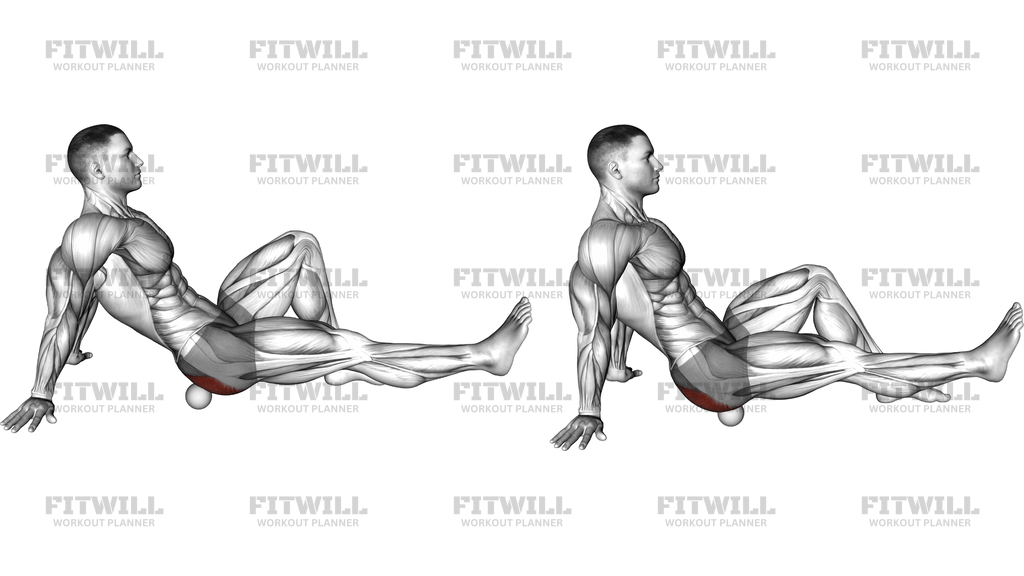
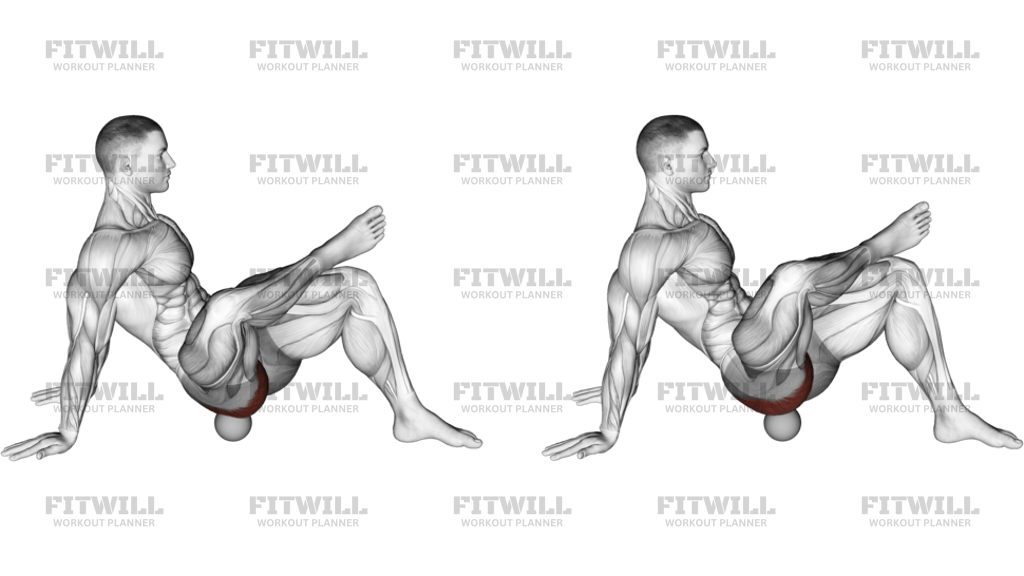
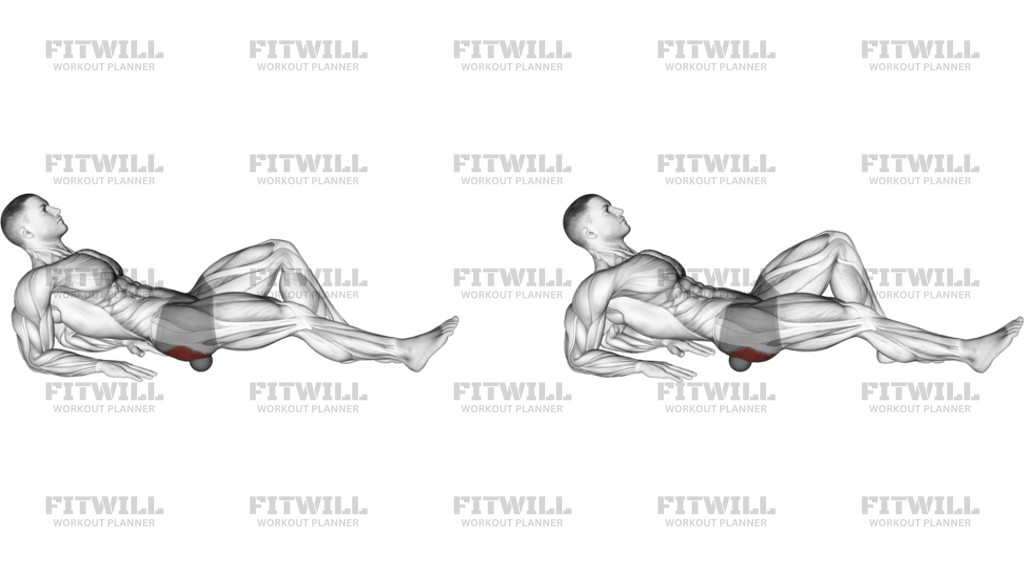
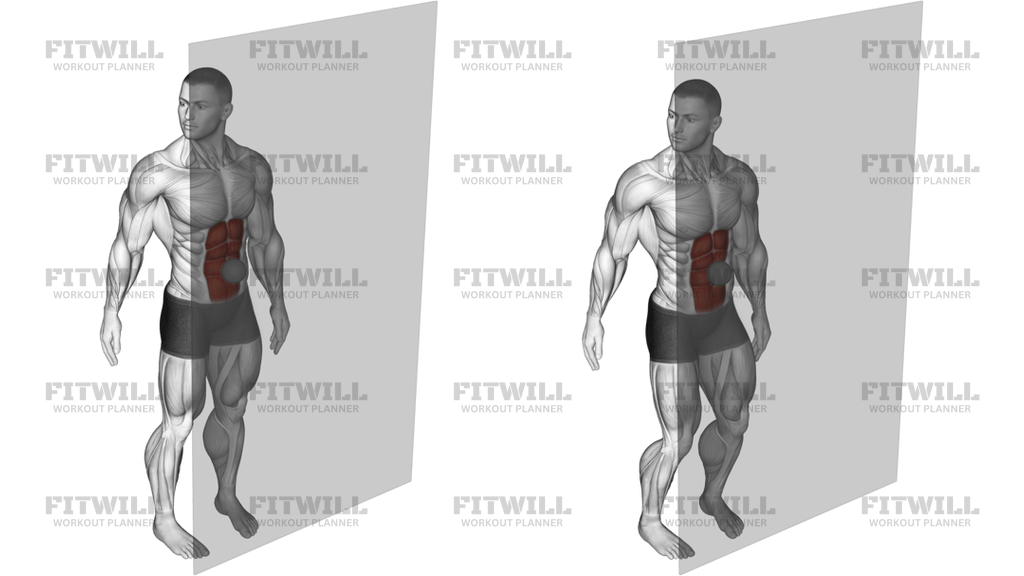
Roll Ball Iliospsoas
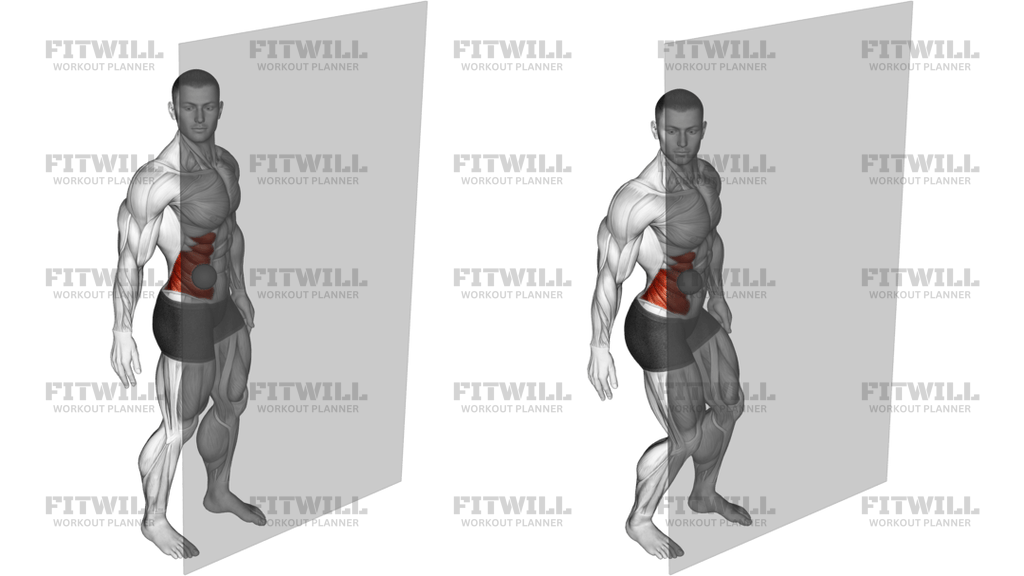
Roll Ball Iliospsoas is a hip-flexor mobility and soft-tissue release exercise that uses body weight over a roll ball to reduce stiffness in the front of the hip. It is aimed at the iliopsoas and nearby tissues that often tighten after sitting, running, sprinting, or heavy lower-body lifting. The goal is not speed or range. The goal is to find a controllable amount of pressure and let the front of the hip open without cranking the low back or pinching the joint.
The setup matters because the ball has to sit on the muscle belly, not on the bony front of the pelvis. Lying prone on the forearms spreads body weight and keeps the chest from collapsing into the floor. From that position, you can bias a little more weight toward one side, or glide a few centimeters forward and back, so the ball works through the iliopsoas rather than drifting into the abdomen, groin, or lumbar spine.
Each repetition or pass should be slow and deliberate. Shift only enough to change the pressure, then pause on the tight spot and breathe out until the area softens. Small knee bends or subtle pelvic tilts can help you explore the tissue without losing alignment. If the pressure spikes or the low back arches, back off immediately and reset the ball position.
This movement fits well in a warm-up, recovery block, or between lower-body sessions when hip extension feels restricted. It can help restore comfortable stride length, better lunge mechanics, and less compensation through the lower back during squats or deadlifts. Because it is a release drill, the best results come from relaxed breathing and controlled pressure rather than a hard grind.
Beginners can use it as long as they keep the pressure mild and the range tiny. You should feel deep front-hip pressure and gradual easing, not sharp pain, numbness, or groin pinching. If the exercise feels more like a joint pinch than a tissue release, move the ball slightly outward, reduce load, or stop and choose a different mobility drill.
[ Workout Log & Planner ]
Put your next workout in Fitwill
Keep your plan and training log ready when you are.


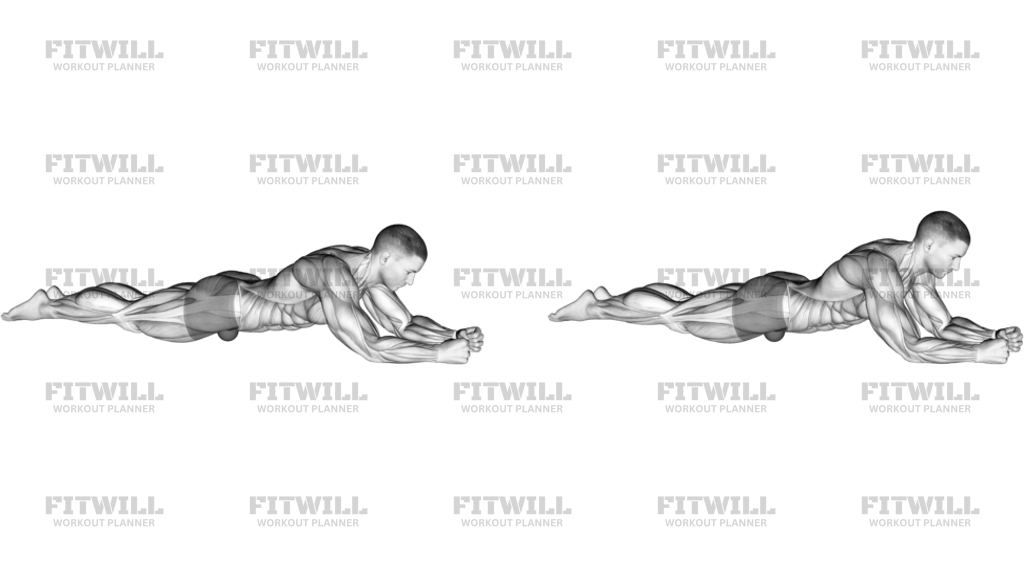
Instructions
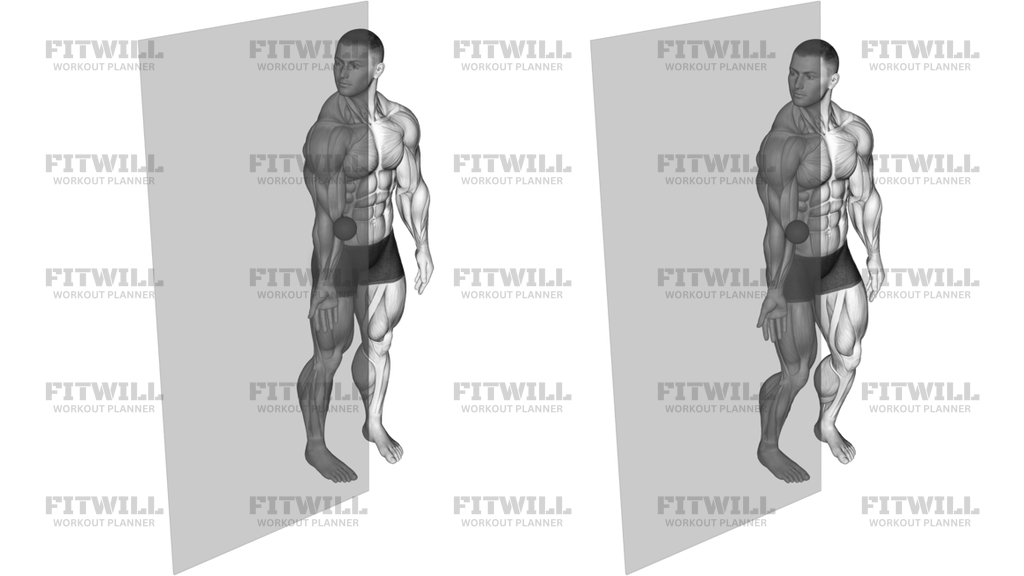
- Place the roll ball under the front of the hip you want to target, just inside the hip bone and below the lower abdomen.
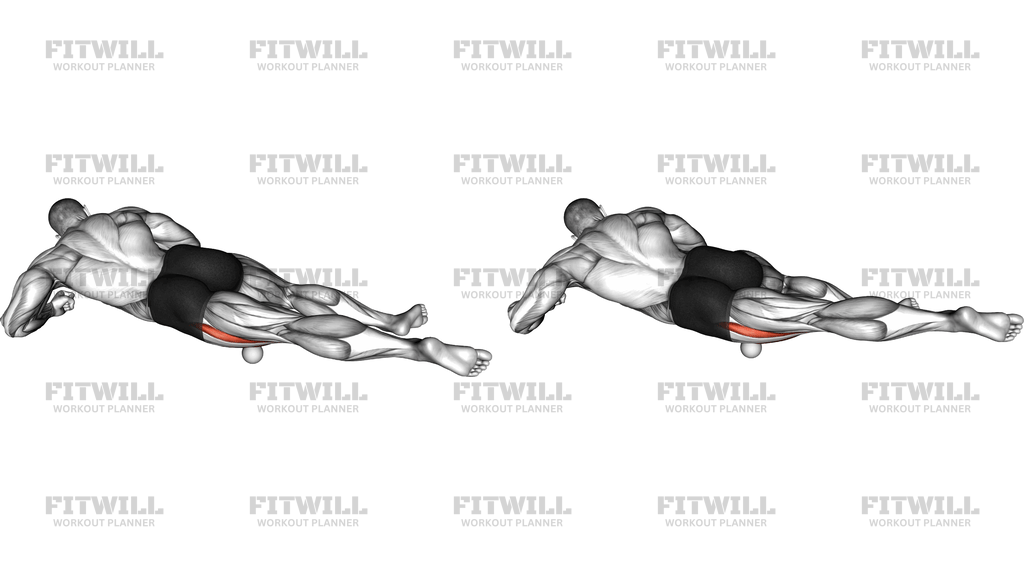
- Lie face down over the ball and support your upper body on your forearms with your head and neck long.
- Extend the working-side leg behind you and keep the pelvis as square as you can.
- Gently shift your body a few centimeters forward, back, and slightly side to side until you find the iliopsoas area.
- Hold steady pressure on the tender spot and breathe slowly through the nose or with a long exhale.
- Add a tiny bend-and-straighten of the same-side knee or a small pelvic tuck if it helps the tissue relax.
- Keep the movement small enough that the low back stays quiet and the ball does not slide into the groin.
- After the hold or brief passes, come off the ball, reset the position, and repeat on the other side if needed.
Tips & Tricks
- The ball should feel like it is pressing into the front-hip muscles, not directly onto the bony point of the pelvis.
- Keep the ribs heavy so the pressure stays in the hip flexor instead of being dumped into a low-back arch.
- A softer ball or a thicker mat makes this much easier for beginners or anyone who is sensitive on the front of the hip.
- Move the ball a few centimeters at a time; big sweeps usually miss the iliopsoas and irritate the groin.
- Long exhales are the main tool here. If you hold your breath, the front of the hip usually guards instead of releasing.
- If one side feels especially tight, spend more time there, but do not chase pain or deep bruising pressure.
- A little knee bend changes the line of pull through the hip flexor and can expose a tighter spot without forcing range.
- Stop immediately if you feel sharp joint pinching, numbness, tingling, or pain that travels into the abdomen or thigh.
Frequently Asked Questions
What does Roll Ball Iliospsoas target?
It targets the iliopsoas and the front of the hip, especially the tissues that feel tight after sitting or hard lower-body training.
Is this more of a stretch or a release drill?
It is a soft-tissue release and mobility drill. You use body weight and breathing to calm tension rather than forcing a big stretch.
Where should the roll ball sit?
Place it on the front of the hip, just inside the pelvic crest and below the lower abdomen, not directly on the bony point or deep in the groin.
Should I feel pressure in my lower abs too?
A little pressure near the lower abdomen can happen, but the main sensation should stay in the front-hip area. If it feels too internal, move the ball slightly outward.
Can beginners do this exercise?
Yes. Beginners usually do best with a softer ball, shorter holds, and very small body shifts until the pressure feels familiar.
How long should I stay on one tender spot?
Start with 15 to 30 seconds of steady pressure and slow breathing, then move on if the tissue softens.
What is the most common mistake?
The usual mistake is arching the low back or rolling too far into the groin. Keep the ribs heavy and the movement small.
When is the best time to use this drill?
It works well before lower-body training, after long periods of sitting, or during recovery work when hip extension feels restricted.