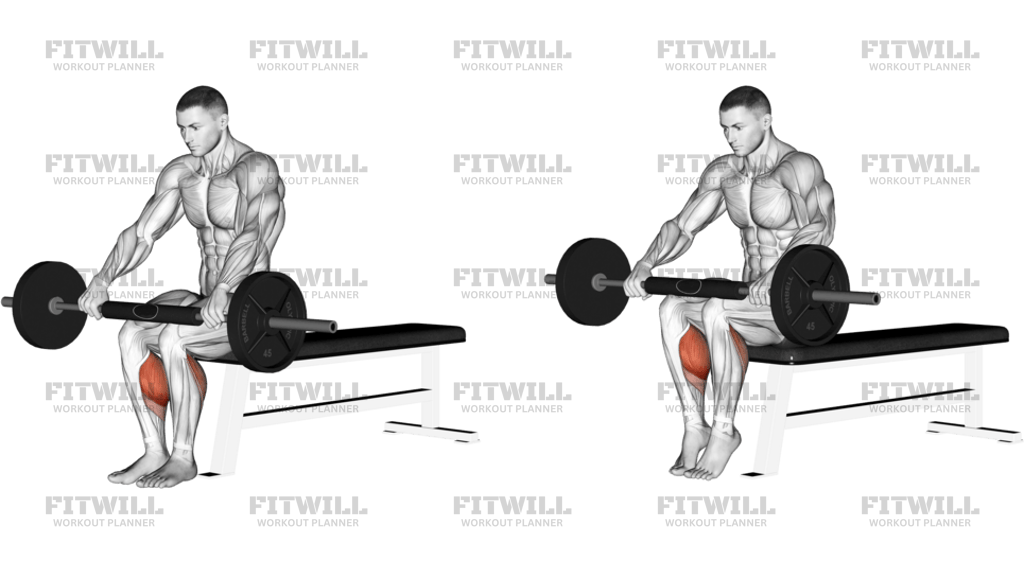
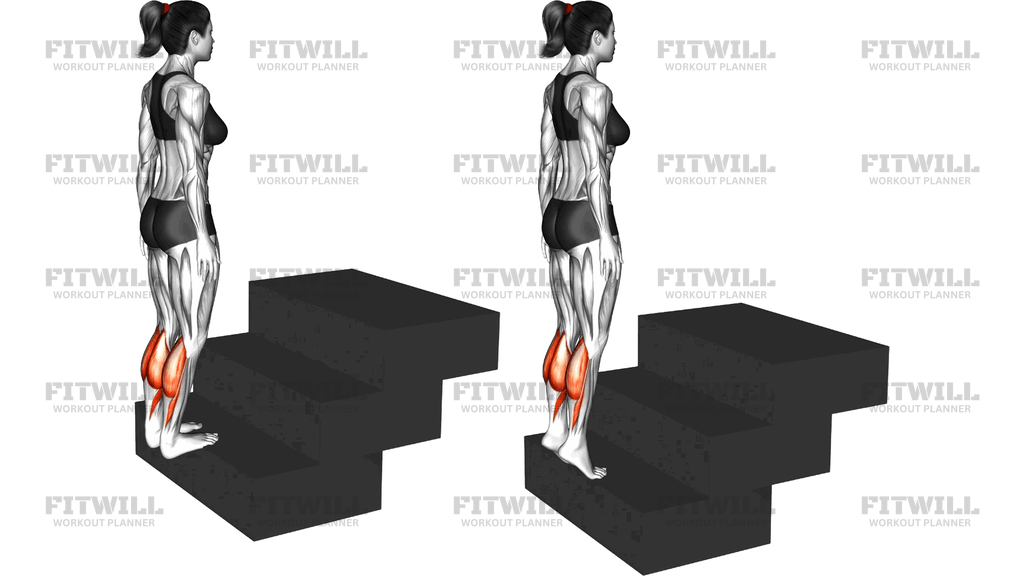
Barbell Standing Rocking Leg Calf Raise
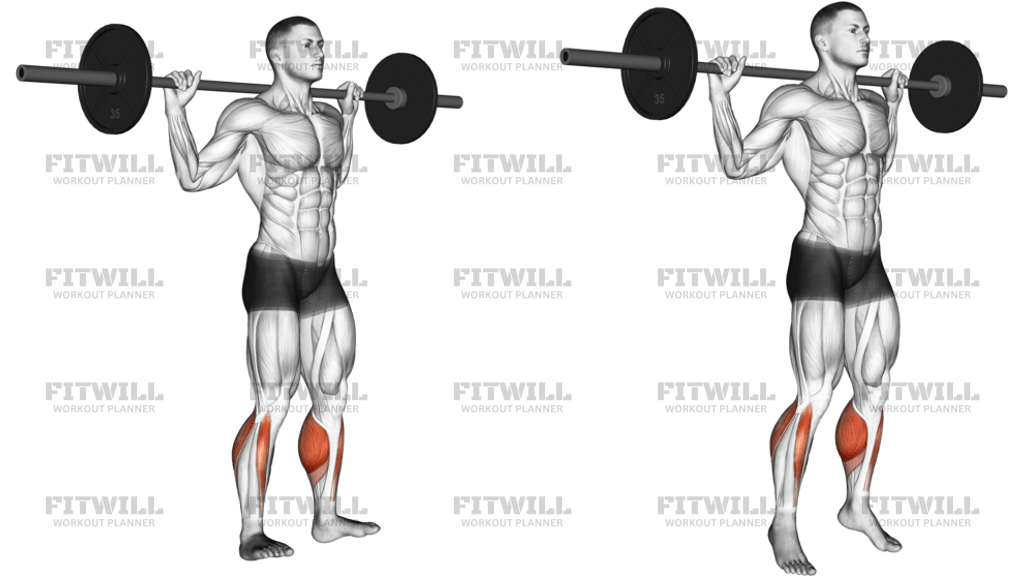
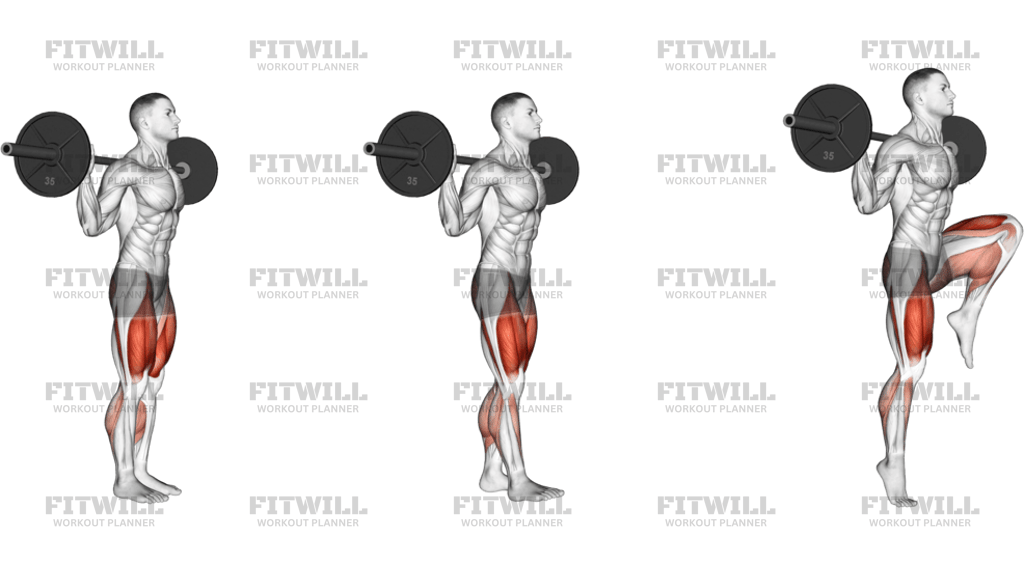
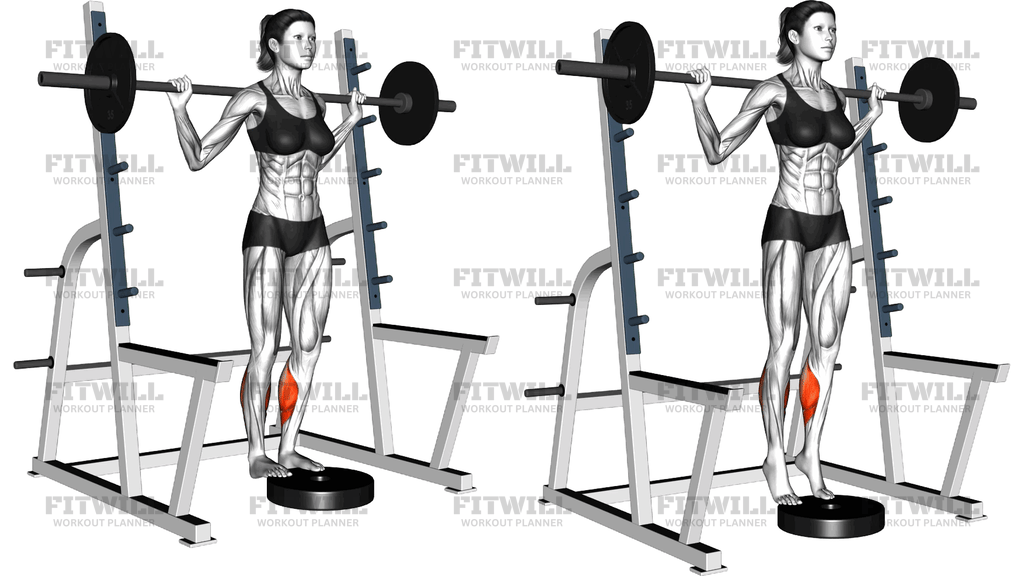
The Barbell Standing Rocking Leg Calf Raise is a standing calf raise variation performed with a barbell across the upper back and a deliberate rocking action through the feet. Instead of simply rising and lowering in place, you shift pressure through the foot as the ankles move, then finish by lifting the heels and squeezing the calves.
The exercise mainly trains the gastrocnemius, with the soleus, tibialis posterior, and other lower-leg stabilizers helping control the ankle. The rocking action can make the foot and ankle work harder than a standard calf raise, but it also requires more balance under the bar. Every rep should stay smooth and controlled.
Set up tall with the bar below the neck, feet about hip width, and the core braced. Move through the feet deliberately as the heels lower and rise, keeping pressure even through the big toe, second toe, and ball of the foot. The bar should remain centered while the ankles create the motion.
Use this variation when you want calf work with more ankle control and foot pressure awareness. Keep the load conservative until the rocking pattern feels stable. Avoid bouncing, rolling the ankles outward, or turning the movement into a fast spring through the Achilles tendon.
[ Workout Log & Planner ]
Put your next workout in Fitwill
Keep your plan and training log ready when you are.


Instructions
- Set the barbell across your upper back and stand with your feet about hip width.
- Keep your torso tall, knees softly extended, and core braced.
- Start with your feet fully planted and pressure balanced across the balls of both feet.
- Lower your heels under control while allowing a smooth rock through the ankles.
- Press through the balls of your feet and raise your heels as high as you can.
- Pause briefly at the top and squeeze the calves without rolling the ankles outward.
- Rock back down into the next controlled lower rather than dropping quickly.
- Continue the smooth foot-to-ankle rhythm while keeping the bar steady.
Tips & Tricks
- Use less weight than a standard standing calf raise until the rocking motion feels predictable.
- Keep pressure through the big toe and second toe so the ankles do not roll outward.
- Avoid snapping through the bottom; the movement should not rely on tendon bounce.
- Use a rack or stable support nearby if balance limits calf tension.
- Keep the knees mostly straight to bias the gastrocnemius.
- Let the ankles move, but keep the hips and torso quiet under the bar.
- Pause at the top long enough to confirm both calves are lifting evenly.
- Shorten the range if the rocking action causes foot or Achilles discomfort.
Frequently Asked Questions
What makes this different from a regular calf raise?
It uses a controlled rocking motion through the feet instead of a simple straight up-and-down rhythm.
What muscles does it work?
It mainly works the calves, especially the gastrocnemius, with help from the soleus and lower-leg stabilizers.
Should I bounce through the reps?
No. The rocking motion should stay smooth and controlled.
Where should the barbell sit?
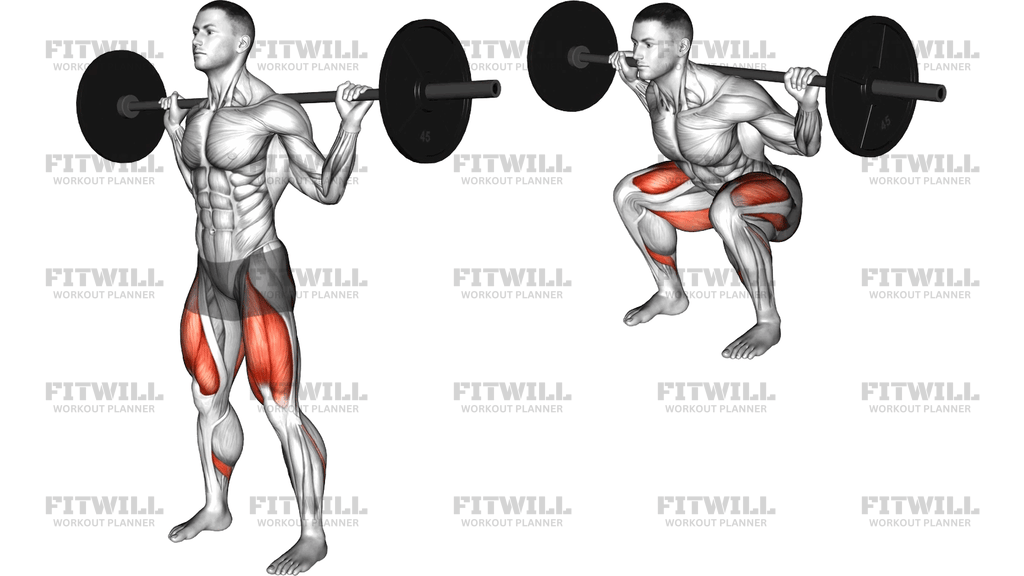
Place it across the upper back below the neck, as you would for a back squat setup.
What does the rocking motion train?
It adds ankle and foot control while the calves still create the main heel raise.
Should my knees bend?
Keep them mostly straight with a soft bend. Too much knee bend shifts emphasis away from the standing calf raise pattern.
Why do my ankles roll outward?
The load may be too heavy or your foot pressure may be uneven. Press through the ball of the foot and big toe.
Can I do this without a barbell?
Yes. Bodyweight or dumbbell rocking calf raises are good options while learning the foot rhythm.