Ankle Circles
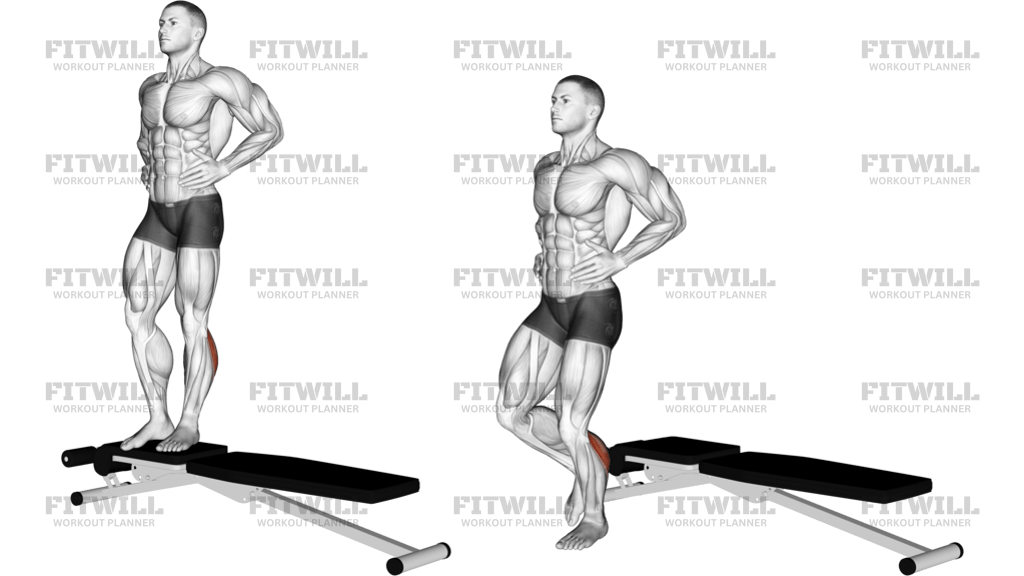
Ankle Circles is a low-load ankle mobility drill that teaches you to move the foot through a smooth, controlled circle without letting the knee, hip, or torso do the work. It is useful for warming up the lower leg, improving awareness around the ankle joint, and waking up the small stabilizers that help you control balance, walking, running, jumping, and squatting patterns.
The movement is small on purpose. The goal is not to swing the foot around as far as possible, but to keep the circle clean while the rest of the body stays quiet. When the ankle moves well, the calf muscles, foot muscles, and surrounding stabilizers can contribute without gripping or cramping. That is why a tall posture, a steady stance, and a light support option matter more here than speed or effort.
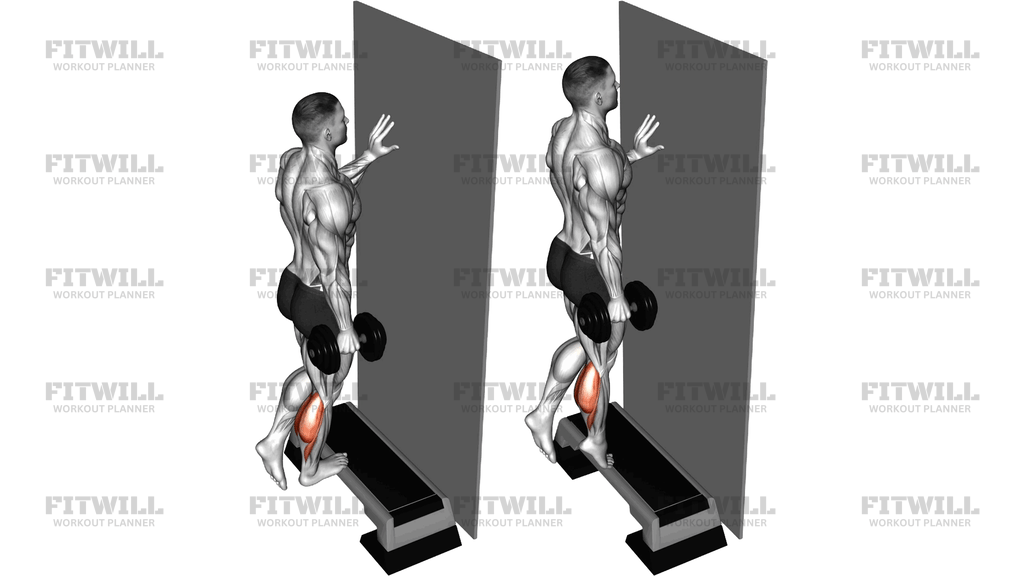
Use a wall, rack, or nearby support if balance is shaky, then shift weight onto one leg and let the working foot trace slow circles in the air or with a very light toe touch for balance. Keep the circle smooth in both directions and make the shape as even as you can. If the foot starts to wobble, the knee turns in, or the hip shifts to cheat the range, shrink the circle until you can control it again.
Ankle Circles fits well in a warm-up, recovery session, or accessory block before lower-body training, running, court sports, or calf work. It is especially helpful when the ankle feels stiff after sitting, when you want to prepare for movement that needs clean foot control, or when you need a simple drill that keeps the joint moving without loading it aggressively. Stay in a pain-free range, keep breathing easy, and stop short of any pinching or sharp discomfort.
[ Workout Log & Planner ]
Put your next workout in Fitwill
Keep your plan and training log ready when you are.


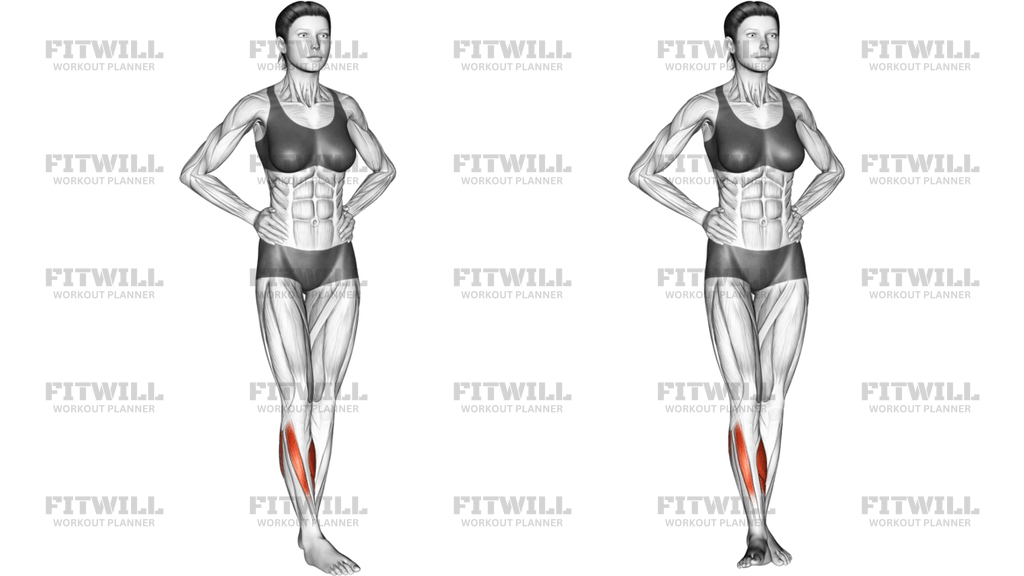
Instructions
- Stand tall beside a wall, rack, or other light support and shift your weight onto one leg.
- Let the working foot hover just off the floor or keep the toes lightly touching for balance.
- Keep your chest lifted, your hips square, and your standing knee softly unlocked.
- Brace lightly through your midsection so the torso stays quiet while the ankle moves.
- Point the toes and draw a slow, smooth circle from the ankle joint.
- Keep the knee, hip, and lower leg as still as possible while the foot traces the circle.
- Complete the planned reps in one direction, then reverse and circle the other way.
- Breathe normally, then switch sides and repeat with the opposite ankle.
Tips & Tricks
- Start with small circles; a clean shape is more useful than a large, sloppy one.
- Use fingertips on a wall or rack if the standing leg starts to sway.
- Keep the movement in the ankle instead of twisting the hip or knee to fake range.
- Match the speed in both directions so one side does not become rushed or jerky.
- If the Achilles or top of the foot feels pinched, shrink the circle immediately.
- A light toe touch is fine, but do not let the working leg take over the support load.
- Keep the standing knee soft rather than locked hard straight.
- Use this as a control drill, not a burn-out set.
Frequently Asked Questions
What muscle does Ankle Circles target most?
The drill mainly challenges the calf complex, ankle stabilizers, and the small muscles around the foot and lower leg.
Can beginners perform this exercise?
Yes. Beginners usually do best with a wall or rack for balance and a very small circle at first.
Should I keep my heel on the floor during ankle circles?
No. The working foot should move freely, either hovering just off the floor or barely brushing the toes for balance.
What is the most common mistake with this drill?
People usually cheat the circle by turning the knee, hip, or whole leg instead of isolating the ankle.
Should I circle clockwise and counterclockwise?
Yes. Do both directions for the same number of controlled reps so the ankle moves evenly.
Can I do Ankle Circles seated instead of standing?
Yes. A seated version removes most balance demand, which can be helpful if you are very stiff or rehabbing.
How big should the circle be?
Keep it as small as needed to stay smooth, pain-free, and controlled. A smaller circle is usually better than forcing range.
When should I use ankle circles in a workout?
They fit best in a warm-up, recovery session, or as a prep drill before lower-body training, running, or jumping.