Cable Lying Curl
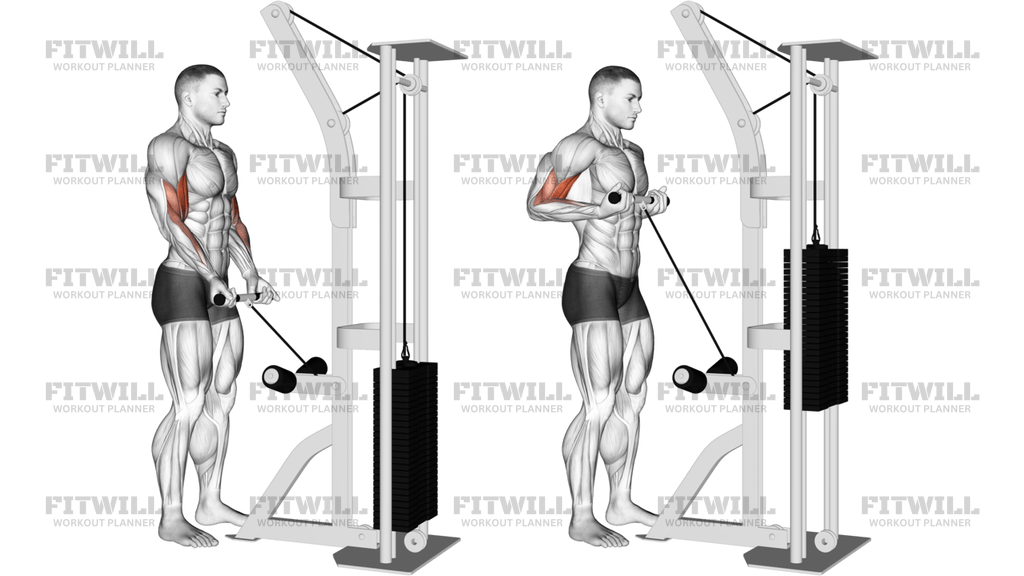
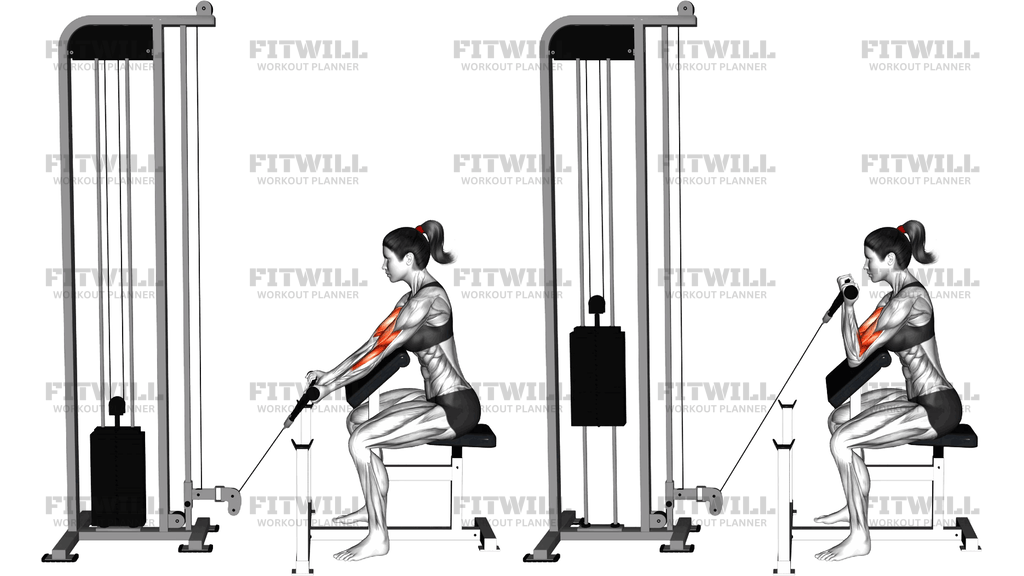
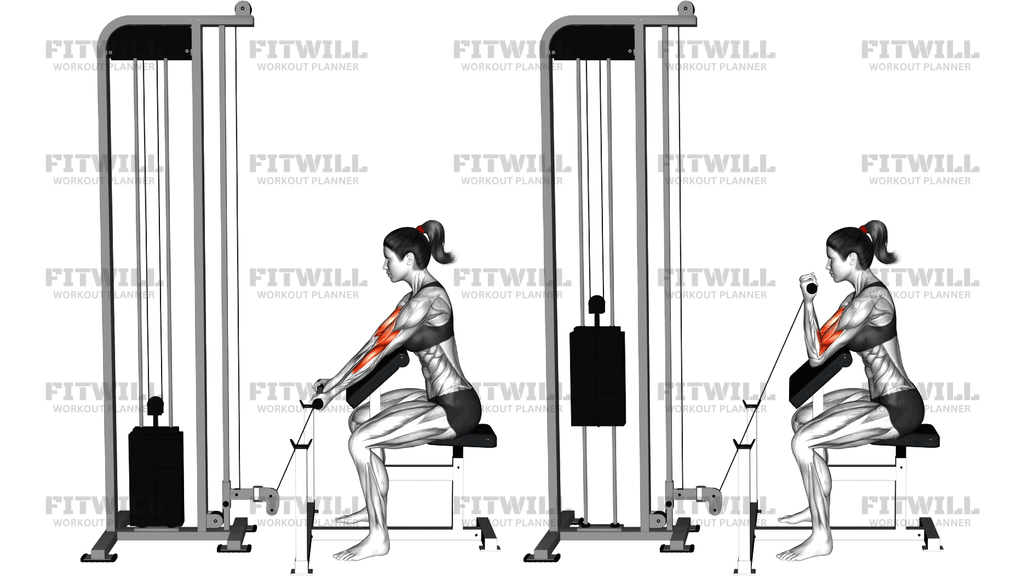
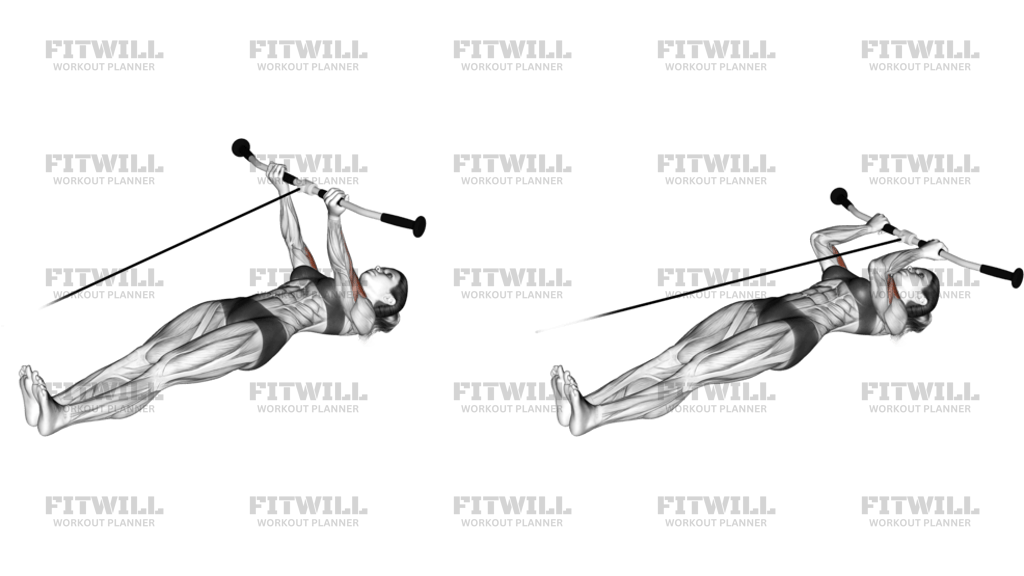
Cable Lying Curl is a strict biceps curl performed while lying down so the torso cannot easily add momentum to the rep. The lying position makes the movement feel more controlled and often exposes whether the arms are truly doing the work or whether the body has been helping too much in standing curl variations.
The exercise primarily targets the biceps, with the brachialis and forearms supporting the motion. Because the upper body is supported, the curl can be more honest through the entire range: the shoulders stay quieter, the elbows are easier to monitor, and the cable keeps tension on the arm even when the rep starts from a long extension. That makes Cable Lying Curl useful for strict arm training, technique work, and higher-quality hypertrophy sets.
Set the cable and your lying position so the handle can travel cleanly through the curl path, then grip the attachment with the curl grip that feels most natural. Lie back with the shoulders set and the core lightly braced, and begin from a fully controlled extended position. Curl by bending the elbows only, bringing the handle toward the upper arms without letting the elbows flare or the ribs pop up, then lower slowly until the arms are long again.
Cable Lying Curl is a good option when standing curls feel too easy to cheat or when you want a variation that keeps the biceps under very steady control. It can be used as a finishing movement, a form reset, or a strict accessory after back work. The best reps are quiet through the torso, smooth through the arms, and deliberate on the way down, because the lying position only helps if the movement itself stays patient.
If the shoulders start helping or the lower back wants to arch, reduce the load and shorten the range a little. The goal is a stable elbow-flexion pattern where the biceps stay in charge from the first inch to the last.
[ Workout Log & Planner ]
Put your next workout in Fitwill
Keep your plan and training log ready when you are.


Instructions
- Set the cable and your lying position so the handle can travel smoothly through the curl path.
- Grip the handle or bar with the curl grip that feels best and lie back with your shoulders set.
- Start from a fully controlled extended position with the elbows pointed in a steady direction.
- Keep your core lightly braced and avoid letting the ribs flare as you curl.
- Bend the elbows to bring the handle toward the upper arms without swinging the torso.
- Pause briefly at the top to contract the biceps, then keep the wrists neutral.
- Lower slowly back to the start until the arms are long again and the cable still feels controlled.
- Repeat the same path for the full set, then sit up only after the stack has settled.
Tips & Tricks
- If the torso starts helping, the load is too heavy for a strict lying curl.
- Keep the shoulders quiet and the elbows stable; that is what makes this version stricter than a normal standing curl.
- Do not chase a huge bottom stretch if it starts to pull the shoulders forward or arch the lower back.
- Use a slower lowering phase than lifting phase so the biceps stay loaded all the way back down.
- Keep the wrists neutral so the forearms do not take over when the handle gets heavy.
- A moderate load with a repeatable arc is usually better than a heavy stack that forces the body to move.
- If the first rep feels jerky, reset the setup before continuing instead of trying to save the set.
- The most useful reps here are the ones that look the same from one repetition to the next.
Frequently Asked Questions
What muscles does Cable Lying Curl work?
It mainly works the biceps, with the brachialis and forearms helping support the curl.
Why use a lying position for Cable Lying Curl?
The lying position limits momentum and makes the curl much stricter.
Can beginners do Cable Lying Curl?
Yes, as long as they keep the load light and the setup controlled.
Is a bar attachment required for Cable Lying Curl?
No, a bar or handle can both work if the grip feels comfortable and the path stays clean.
Should my elbows move in Cable Lying Curl?
Keep them mostly fixed so the biceps do the curling instead of the shoulders or torso.
What rep range works well for Cable Lying Curl?
Moderate-rep isolation sets are usually a good fit because the variation rewards strict control.
What if my forearms fatigue first?
Reduce the load and keep the wrists neutral so the forearms do not take over the curl.