Hip Crunch With Knees Bent
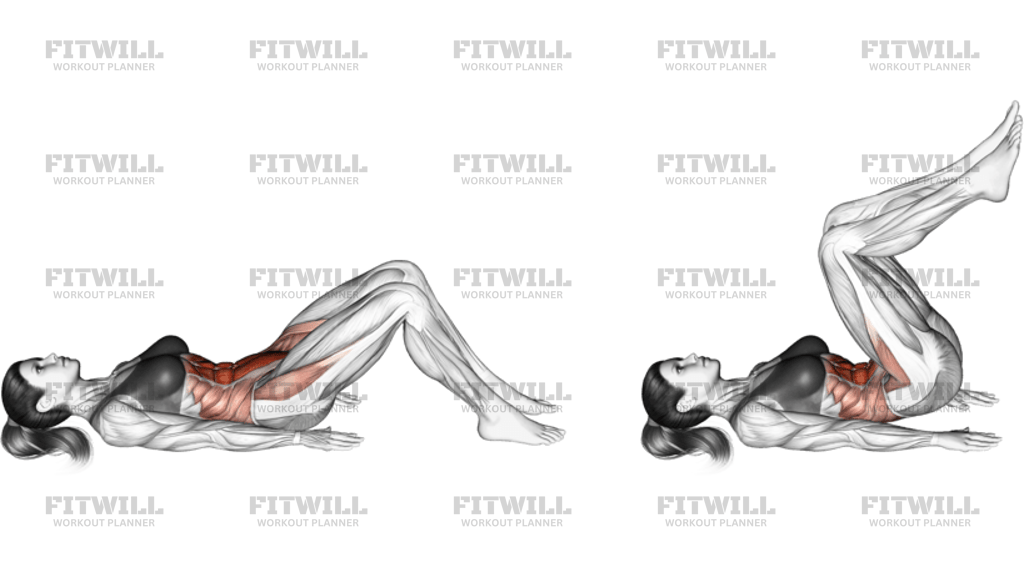
Hip Crunch With Knees Bent is a floor-based abdominal exercise that trains the lower abs through a short, controlled curl of the pelvis. The bent-knee position reduces leverage compared with straight-leg variations, which makes it easier to learn how to posteriorly tilt the pelvis and lift the hips without throwing the legs around.
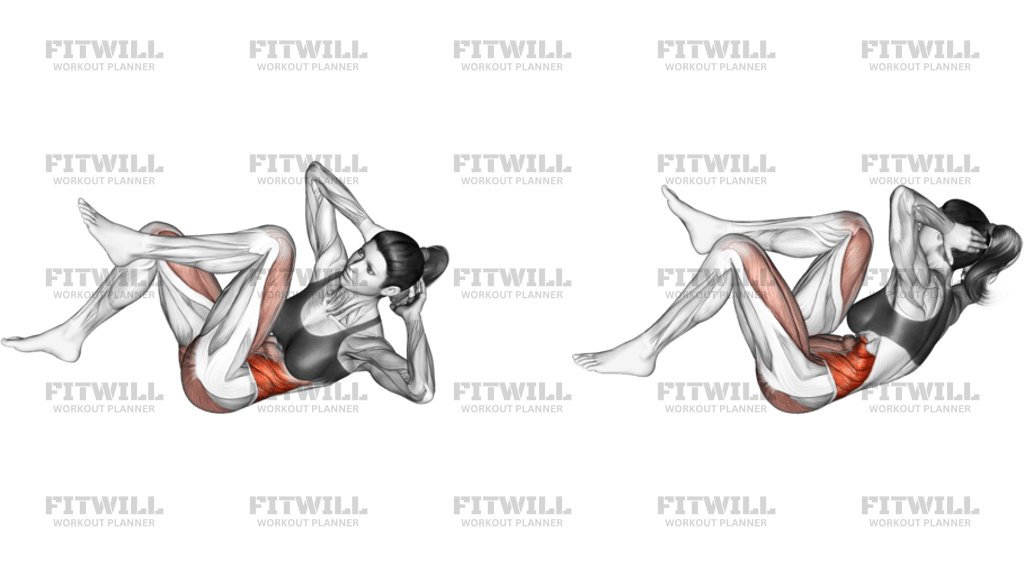
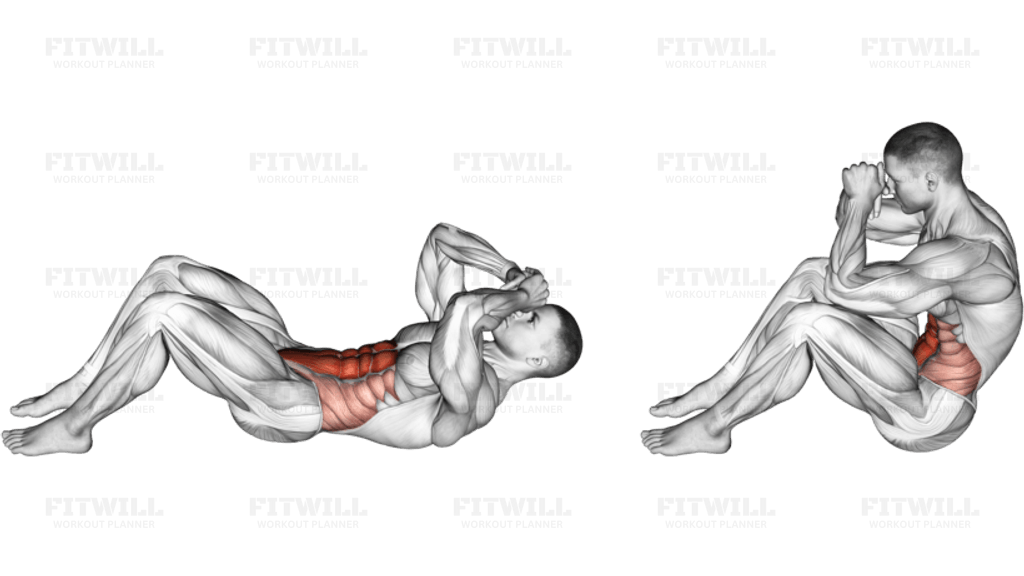
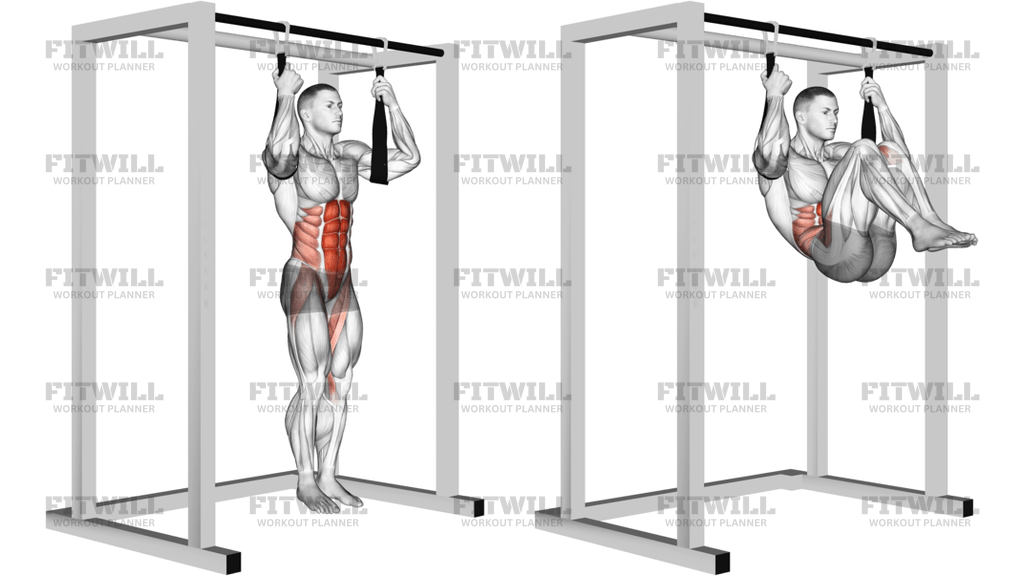
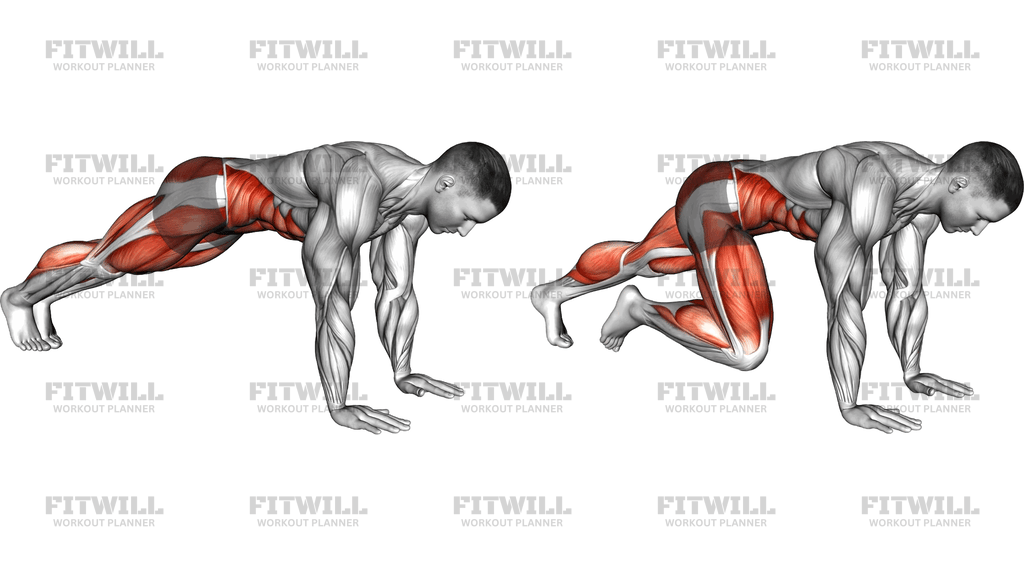
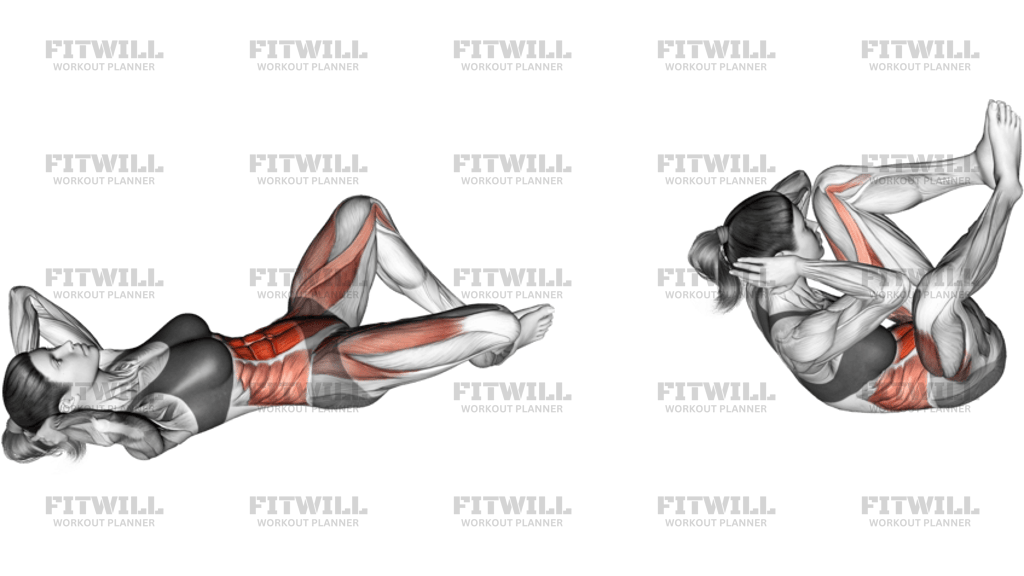
The image shows a supine setup with the shoulders resting on the floor, arms along the sides, and the knees bent before the hips tuck upward. That setup matters because the movement is not a generic crunch. The goal is to roll the pelvis toward the ribs, keep the ribcage from flaring, and let the abs control the lift instead of using momentum from the thighs or a hard swing of the legs.
A good rep starts with the low back gently pressed toward the floor and the chin relaxed, not jammed into the chest. From there, exhale, draw the knees in slightly, and curl the tailbone off the floor by squeezing the lower abs. The hips should rise only as far as you can keep the motion smooth, with no bouncing at the bottom and no shrugging through the neck or upper traps.
This version is useful for core-strength work, ab circuits, and beginner-friendly reverse-crunch progressions because the bent knees shorten the lever arm. It still demands control, though: if the lower back arches, the legs swing, or the movement turns into a hip-flexor drive, the set is too hard or the range is too large.
Use Hip Crunch With Knees Bent when you want a compact abdominal drill that is easy to load with tempo, pauses, or higher reps without needing equipment. Keep each rep crisp, keep the pelvis tucked, and lower under control so the abs do the work through the full range the exercise was meant to train.
[ Workout Log & Planner ]
Put your next workout in Fitwill
Keep your plan and training log ready when you are.


Instructions
- Lie on your back on a mat with your arms along your sides and your palms pressing lightly into the floor for stability.
- Bend your hips and knees so your thighs are up and your knees stay bent throughout the set.
- Gently tuck your pelvis so your low back is close to the floor before the first rep starts.
- Keep your chin relaxed and your ribs down instead of flaring your chest upward.
- Exhale and curl your tailbone off the floor by drawing the knees slightly toward your torso.
- Lift only as far as you can keep the motion smooth and the pelvis under control.
- Pause briefly at the top without kicking or swinging the legs.
- Lower slowly until your tailbone and low back return to the floor, then reset before the next rep.
Tips & Tricks
- Keep the knees bent at roughly the same angle on every rep so the abs, not momentum, control the lift.
- Think about curling the pelvis upward, not just pulling the knees toward your chest.
- If your feet start drifting or kicking, shorten the range and slow the tempo.
- Press the backs of the shoulders lightly into the floor so the neck stays relaxed.
- Exhale during the curl to help keep the ribs from flaring and the core from losing tension.
- Stop the ascent before your lower back starts to arch away from the floor.
- A small pause at the top makes the abs work harder than a fast, jerky rep.
- Choose reps that stay smooth; once the hips start swinging, the set has gone too far.
Frequently Asked Questions
What muscles does Hip Crunch With Knees Bent work?
It mainly trains the rectus abdominis and lower abs, with the hip flexors and deep core helping control the bent-knee curl.
Why are the knees bent in this hip crunch variation?
Bent knees shorten the lever arm, which makes the movement easier to control and reduces the demand compared with straighter-leg reverse crunches.
How high should my hips lift?
Only a few inches, enough to curl the pelvis off the floor without turning the rep into a swing or a full leg raise.
What is the biggest mistake in Hip Crunch With Knees Bent?
The most common mistake is using the thighs or feet to swing the body instead of lifting the pelvis with the abs.
Where should my arms go during the set?
Keep them long at your sides with a light floor press for balance; do not use them to yank your torso or legs.
Can beginners use Hip Crunch With Knees Bent?
Yes. It is usually easier to learn than straight-leg variations as long as the range stays small and controlled.
Should I feel this in my lower abs or hip flexors?
You should feel the abs doing the main work. If the hip flexors dominate, reduce the range and focus on curling the pelvis instead of pulling the knees harder.
How can I make the exercise harder without weights?
Slow the lowering phase, add a pause at the top, or keep the hips lifted for a second before returning to the floor.