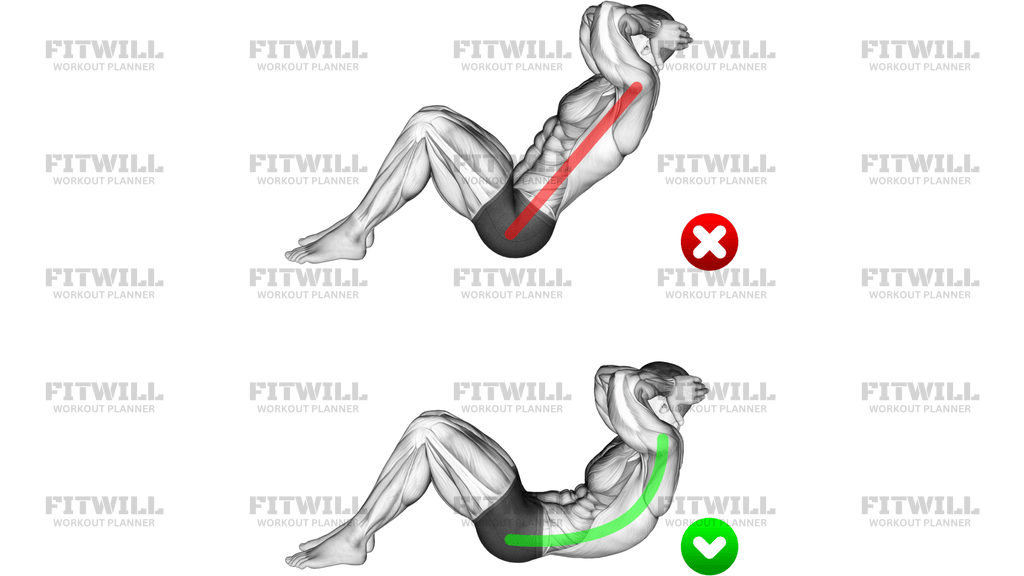
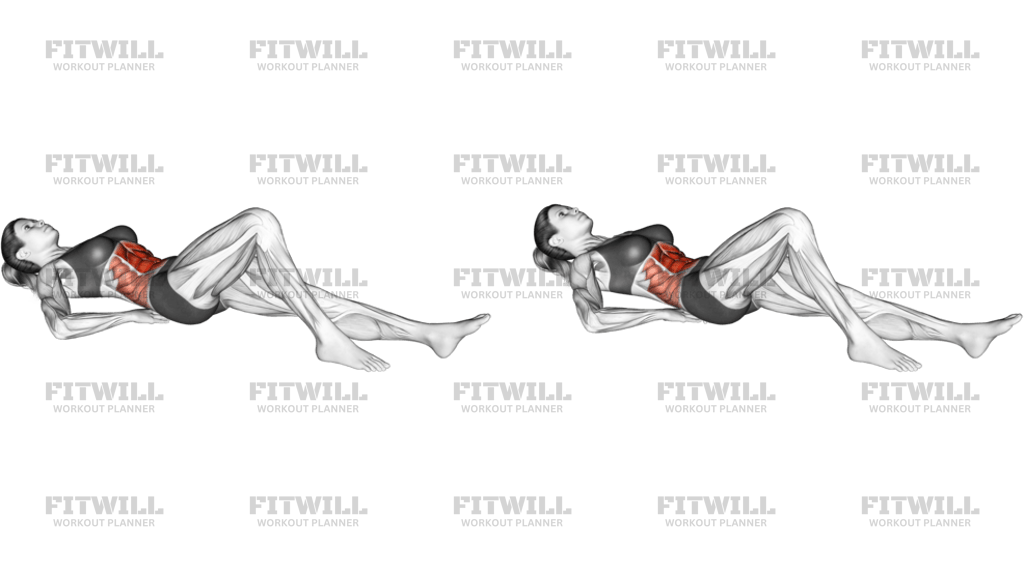
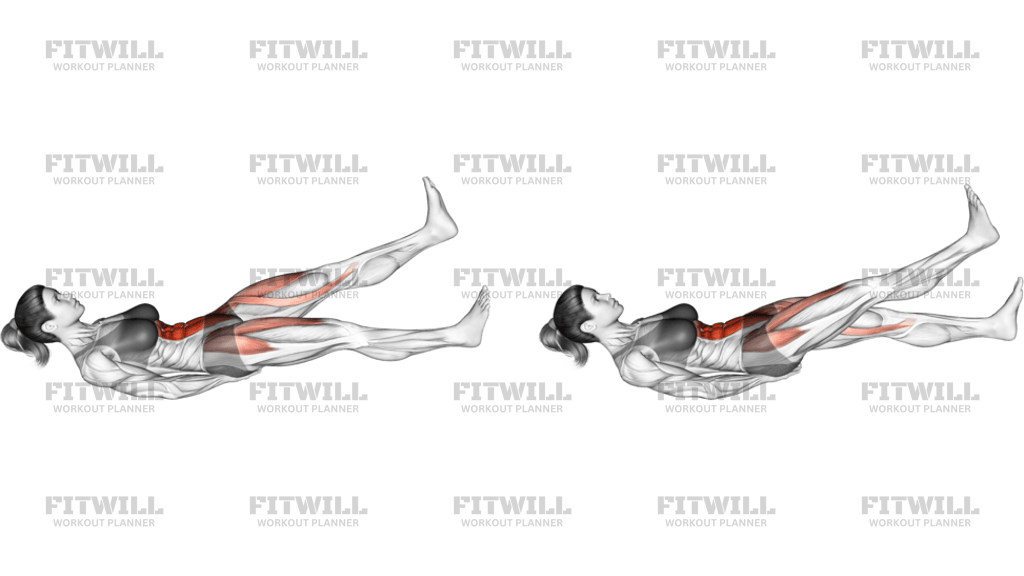
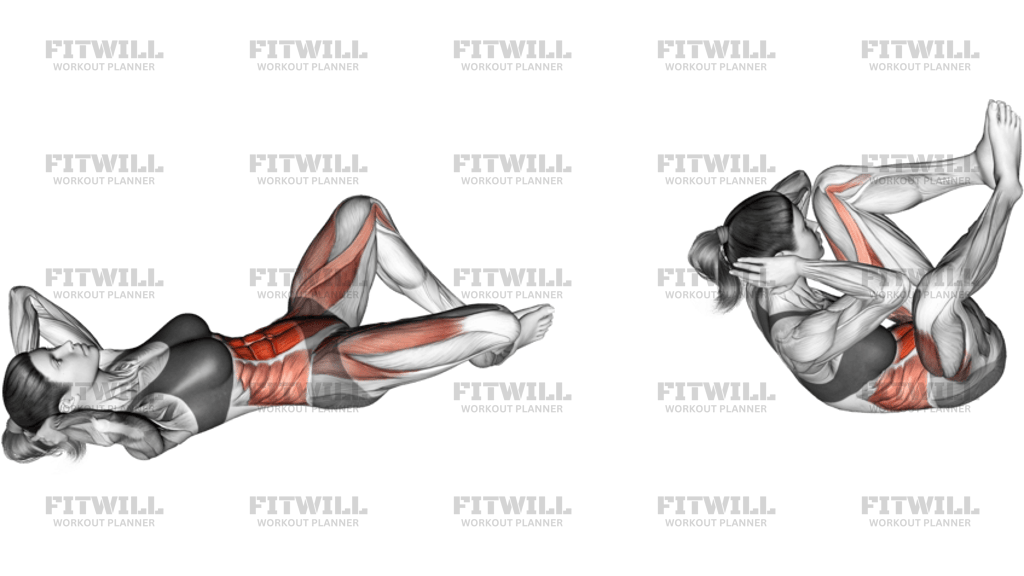
Hip Raise Bridge Version 2
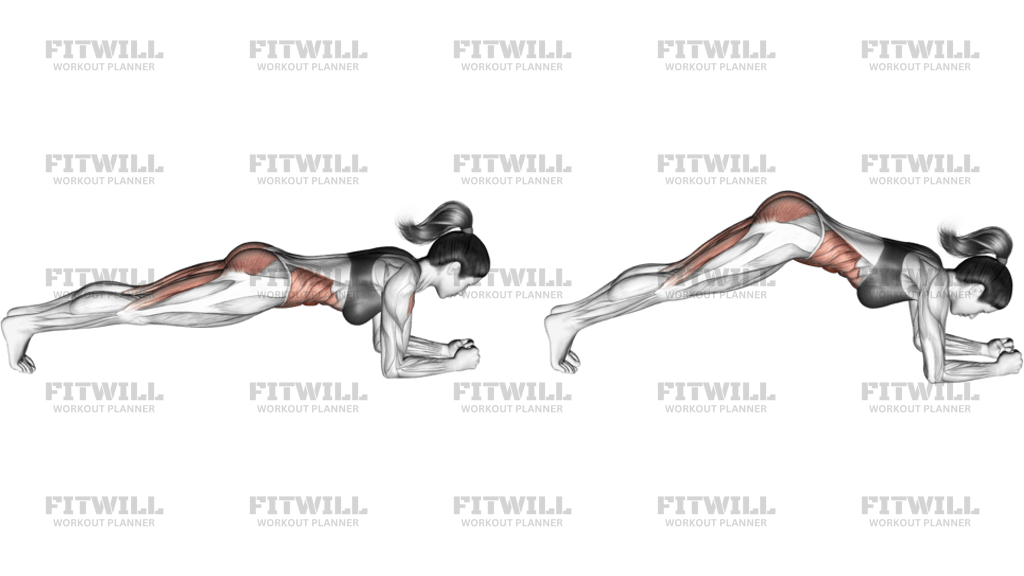
Hip Raise Bridge Version 2 is a forearm-supported bodyweight core drill that moves from a straight plank into a high hip raise. It trains the abs to control pelvic position while the shoulders, glutes, and hamstrings help hold the body in line. The image shows a forearm plank base with the hips lifting toward the ceiling, so the exercise should be coached as a controlled plank-to-bridge pattern rather than a generic floor bridge.
The main demand is anti-extension and hip control. In the starting plank, the torso stays long and the rib cage stays stacked over the pelvis. As the hips rise, the abs keep the lower back from dumping into an arch, and the shoulders keep pressure steady through the forearms. The glutes and hamstrings assist at the top, especially if you keep the knees straight and the heels reaching back.
Set up on the floor with elbows under the shoulders, forearms parallel or lightly angled inward, and feet hip-width apart. Brace before you move so the first rep starts from a stable plank instead of a sagging position. That setup matters because the exercise is judged by the path of the pelvis and the stability of the trunk, not by how high the hips can be thrown with momentum.
Drive the movement by lifting the hips under control until the body forms a strong inverted-V shape without losing pressure through the forearms. Pause briefly at the top, then lower the hips back to a firm plank without letting the low back collapse. The rep should feel like the abs are guiding the pelvis while the shoulders hold the platform steady.
Use this movement as a core-strength accessory, a shoulder-stability drill, or a bodyweight option when you want abdominal work without spinal flexion. It is useful before harder plank progressions, but it should stay pain-free and controlled. If the shoulders shrug, the ribs flare, or the lower back starts to pinch, shorten the range and slow the tempo before adding volume.
Fitwill
Log Workouts, Track Progress & Build Strength.
Achieve more with Fitwill: explore over 9600 exercises with images and videos, access built-in and custom workouts, perfect for both gym and home sessions, and see real results.
Start your journey. Download today!




Instructions
- Set your forearms on the floor with your elbows under your shoulders and your feet behind you hip-width apart.
- Press through your forearms and balls of the feet to hold a straight forearm plank before the first rep.
- Brace your abs, tuck your ribs slightly down, and keep your neck long with your eyes on the floor.
- Lift your hips toward the ceiling in a smooth arc while keeping your forearms planted and your shoulders quiet.
- Keep your legs mostly straight as you raise the pelvis, letting the movement come from the trunk and hips rather than the lower back.
- Pause briefly at the top when you reach the high bridge or inverted-V position.
- Lower your hips back to the original plank under control without letting your stomach sag or your shoulders collapse forward.
- Reset your plank before the next rep and stop the set if you can no longer keep the torso rigid.
Tips & Tricks
- Think about pulling your ribs toward your pelvis before you lift the hips; that keeps the low back from taking over.
- Keep the elbows planted directly under or slightly in front of the shoulders so the forearms stay loaded evenly.
- Push the floor away through the forearms as the hips rise to keep the shoulder blades active instead of sinking between the shoulders.
- Move the pelvis smoothly instead of snapping up fast; a rushed lift usually turns this into a lower-back swing.
- Keep the feet still and the weight balanced between both toes so one side does not twist the body.
- If hamstrings cramp, shorten the top range a little and slow the descent rather than forcing a higher bridge.
- Exhale as the hips lift and keep the breath controlled on the way down so the brace does not disappear.
- Stop the rep at the first sign of shoulder shrugging, rib flare, or lumbar pinching; those are cues that the set is too hard.
Frequently Asked Questions
What muscles does Hip Raise Bridge Version 2 work?
It mainly works the abs and deep core, with help from the glutes, hamstrings, and shoulders. The forearms and upper back also work hard to keep the plank stable.
Is Hip Raise Bridge Version 2 good for beginners?
Yes, if you can hold a solid forearm plank first. Beginners should use a shorter range and focus on a slow hip lift rather than chasing height.
How high should my hips go?
Lift until your body forms a strong inverted-V shape without losing forearm pressure or letting your lower back pinch. Height matters less than control.
What is the biggest mistake in Hip Raise Bridge Version 2?
The biggest mistake is letting the lower back swing the pelvis up. If the ribs flare or the shoulders shrug, the rep has turned into momentum instead of core control.
Should I keep my knees straight or bent?
The image shows a long-leg version, so keep the knees mostly straight and the heels reaching back. A small knee bend is acceptable if it helps you control the pelvis.
Why are my shoulders working so much?
Because the forearms are the base of support. The shoulders have to resist collapsing while the hips move, so some upper-body effort is part of the exercise.
Can I do this if my hamstrings cramp?
Yes, but reduce the range and slow the lowering phase. Hamstring cramping usually means the hips are lifting too aggressively or the set is too hard.
How do I make Hip Raise Bridge Version 2 harder?
Slow the lowering phase, add a brief pause at the top, or increase reps only while the plank stays rigid. Do not make it harder by throwing the hips up faster.