Lever Seated Hip Adduction
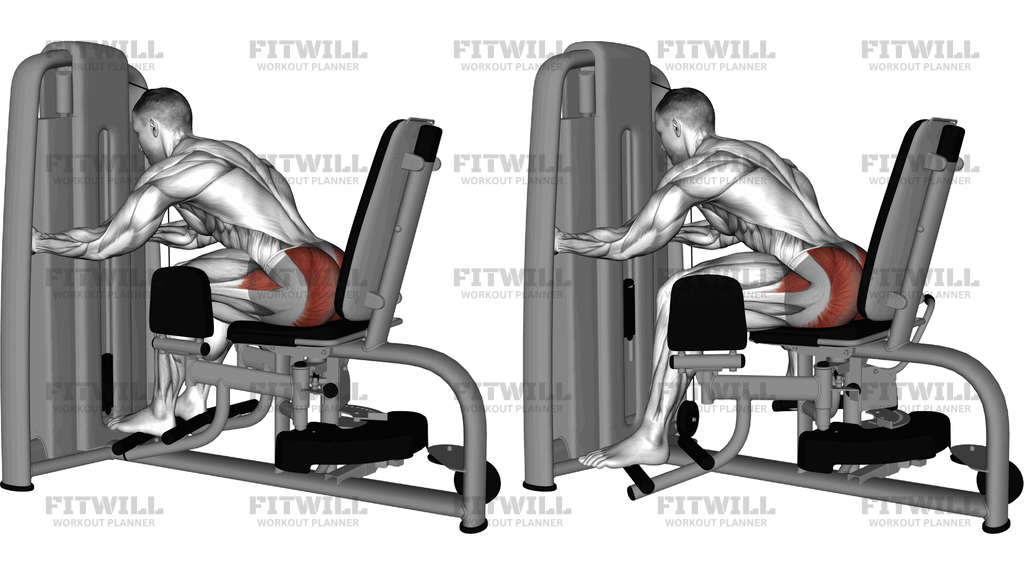
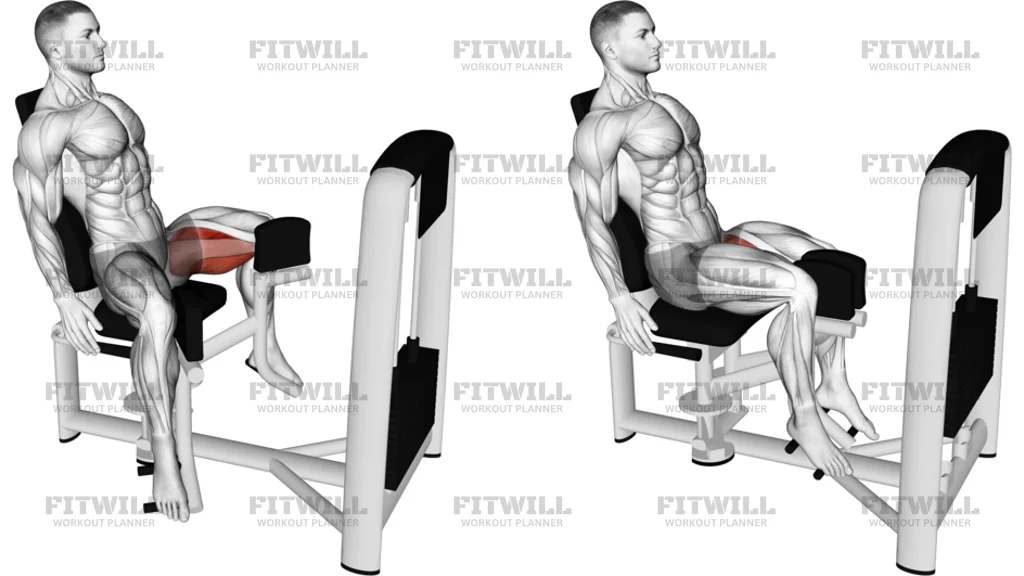
Lever Seated Hip Adduction is a machine-based inner-thigh exercise that brings your legs together against resistance. It is a useful strength and accessory movement when you want to train the hip adductors in a controlled way, especially if you need more stability through the groin, hips, and pelvis during squats, lunges, cutting, or change-of-direction work.
The setup matters because the machine only feels smooth when your hips, knees, and pad position line up correctly. Sit tall with your back against the pad, place the inside of your thighs on the pads, and start from the open position the machine allows. If the seat is too far forward, too far back, or too low, the movement often turns into a hip-flexor or lower-back compensation instead of a clean adduction pattern.
On each rep, squeeze the pads together by drawing your knees inward under control, then pause briefly when the pads meet or nearly meet. The goal is not to slam the stack or create momentum from the torso. Keep your pelvis quiet, keep your feet relaxed, and let the inner thighs do the work while your upper body stays stacked against the backrest.
Lower the pads slowly until you feel a useful stretch through the inner thighs, then reverse the motion without letting the weight drop. A smooth eccentric phase is important here because the adductors often respond well to controlled lengthening as well as the squeeze phase. If the machine allows a large range, use only the range you can own without your hips rolling forward or your seat sliding around.
This exercise is common in lower-body strength blocks, warm-ups, rehab-style accessory work, and sport preparation when controlled hip stability matters. It is also beginner-friendly because the path is guided by the machine, but the load should still be chosen carefully. Use enough resistance to feel the inner thighs working, not so much that you need to twist, bounce, or lean to finish the rep.
[ Workout Log & Planner ]
Put your next workout in Fitwill
Keep your plan and training log ready when you are.


Instructions
- Sit on the Lever Seated Hip Adduction machine with your back flat against the pad and the inside of each thigh resting on the padded arms.
- Adjust the seat so your hips stay planted and your knees line up with the machine's pivot before you start the set.
- Set the pads to the open position, place your feet on the footrests if the machine has them, and hold the side handles for stability.
- Brace lightly and keep your torso tall as you begin the rep from the open position.
- Squeeze your knees inward to bring the pads together, driving the motion from your inner thighs instead of leaning your trunk forward.
- Pause for a moment at the closed position and keep your pelvis quiet against the seat.
- Return the pads outward slowly until you feel a controlled stretch through the inner thighs, stopping before your hips rock or your lower back lifts.
- Keep breathing steady through each rep and reset your starting position before the next repetition.
Tips & Tricks
- If the machine feels pinchy at the groin, lower the resistance and shorten the start range until the pads move smoothly.
- Keep your back and hips pinned to the seat; if you slide forward, the weight is usually too heavy.
- Do not kick the pads together. A clean squeeze with a brief pause trains the adductors better than a fast snap.
- Let the inner thighs control the opening phase instead of letting the stack pull your legs apart.
- Use the handles to stop your torso from rocking when the set gets hard.
- A slightly slower return usually gives better tension than rushing the eccentric and bouncing off the open stop.
- If your knees drift, check that the pads are sitting on the inner thigh rather than too close to the knees.
- Stop the set when you can no longer keep the pelvis quiet; once the hips start shifting, the machine work turns into body English.
Frequently Asked Questions
What does Lever Seated Hip Adduction train?
It mainly trains the hip adductors, the muscles on the inside of the thighs that pull the legs toward the midline. The seated machine also asks your hips and pelvis to stay steady while you squeeze inward.
Where should the pads sit on Lever Seated Hip Adduction?
The pads should rest against the inner thighs, not down on the knees. If they sit too low, the movement usually feels awkward and you lose leverage.
Is Lever Seated Hip Adduction good for beginners?
Yes. The machine guides the path, so beginners can learn the motion with light resistance and a controlled squeeze before adding load.
How far should I open my legs on this machine?
Open only as far as you can without your pelvis tipping or your lower back lifting off the pad. A smaller range is better than forcing a big stretch with the wrong setup.
What is the biggest mistake on Lever Seated Hip Adduction?
Using too much weight and snapping the pads together is the most common problem. That usually turns the exercise into momentum instead of a controlled inner-thigh squeeze.
Should I hold the squeeze at the end of each rep?
A short pause is useful because it removes bounce and makes the contraction more deliberate. You do not need a long hold, just enough to feel the adductors finish the rep.
Can I use Lever Seated Hip Adduction for sport training?
Yes, it is often used as accessory work for athletes who need strong, controlled inner thighs and better hip stability. It is especially useful when you want extra adductor volume without a free-weight balance demand.
What should I feel if the setup is right?
You should feel the work mostly in the inner thighs, with the torso staying quiet and supported against the backrest. If you feel your hips shifting around more than your legs working, adjust the seat or reduce the load.