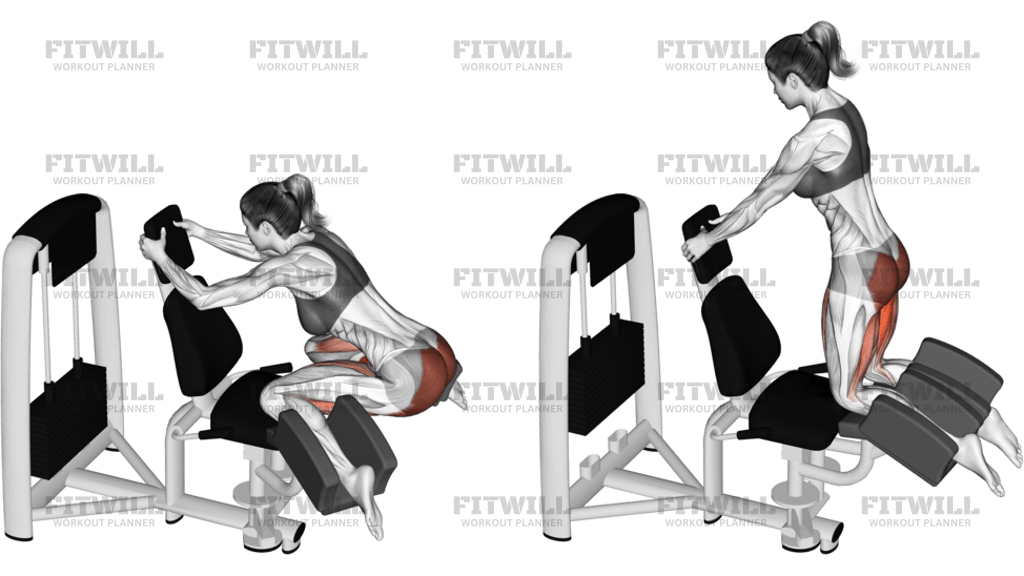
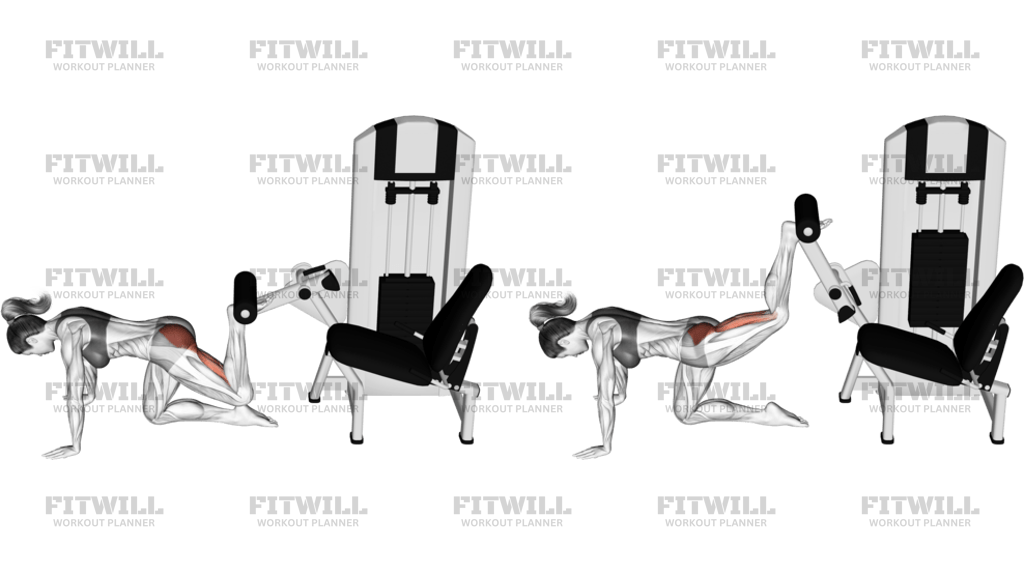
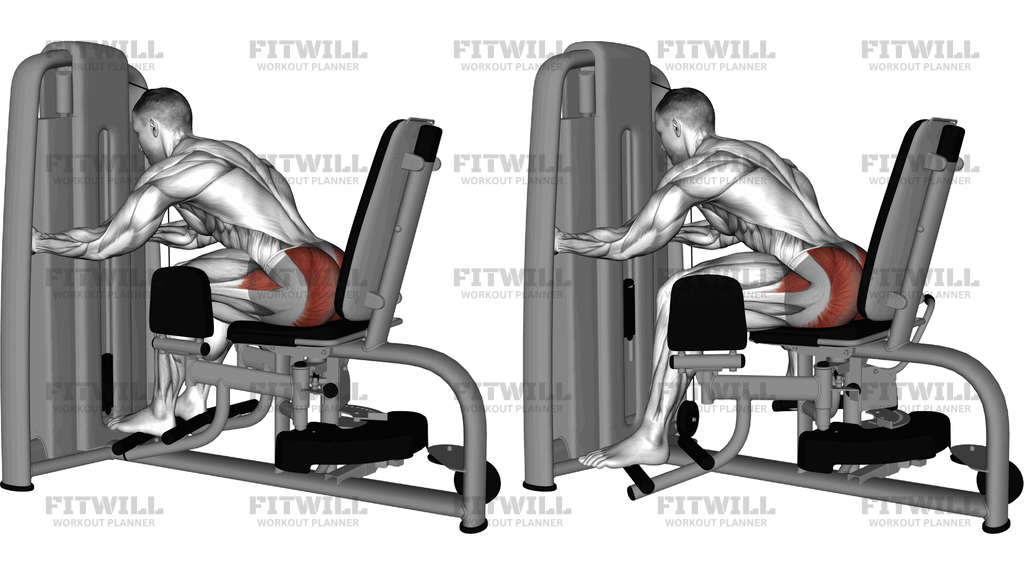
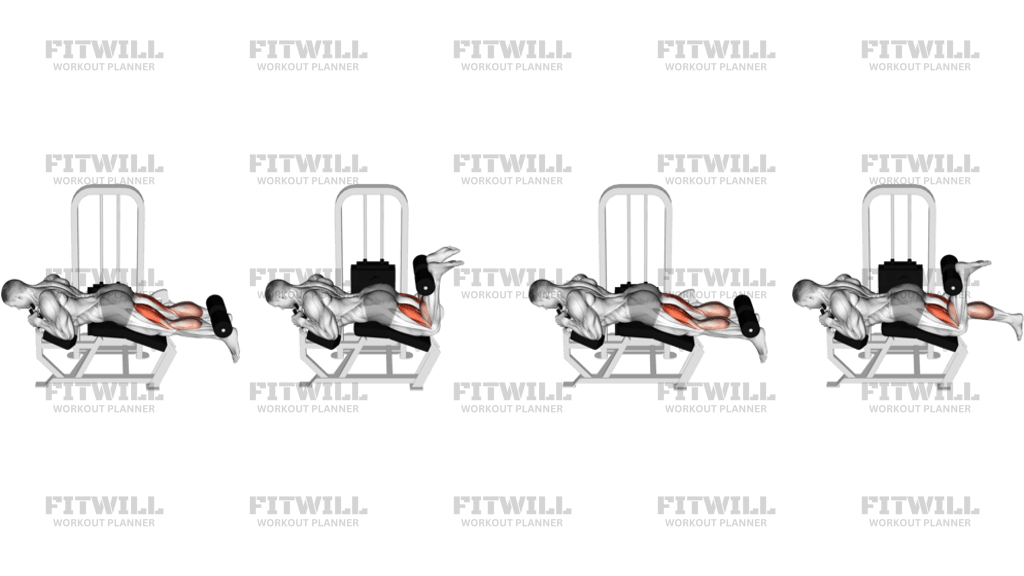
Lever Seated Hip Abduction Version 2
Lever Seated Hip Abduction Version 2 is a machine-based outer-hip exercise built around controlled thigh separation. In the seated position, the padded arms guide your legs away from the midline so the hip abductors do the work without much balance demand. That makes it useful for training the outer glutes, hip stability, and clean lower-body mechanics with a very repeatable path.
The setup matters more than it looks. When you sit all the way back on the pad with the pads resting against the outside of your thighs just above the knees, the machine can load the hips instead of letting you rock your pelvis or twist your torso. A stable seat position also helps you feel the movement in the outer hips rather than turning it into a fast, momentum-driven push.
During the rep, think about opening the knees in a smooth arc rather than flinging the stack outward. The range should be wide enough to challenge the hips, but not so wide that your pelvis lifts or your lower back comes away from the seat. A brief squeeze at the open position is useful if you can hold it without losing position, then the return should stay slow and controlled so the weight stack never slams down.
This exercise fits well as accessory work after squats, deadlifts, lunges, or leg presses, and it is also useful when you want more hip stability work without adding spinal loading. It can be a good choice for beginners because the machine fixes the path, but the load still needs to stay honest. If you feel the movement in your groin, lower back, or front of the hip more than the outer hip, shorten the range, reduce the load, and recheck your seat position.
Fitwill
Log Workouts, Track Progress & Build Strength.
Achieve more with Fitwill: explore over 9600 exercises with images and videos, access built-in and custom workouts, perfect for both gym and home sessions, and see real results.
Start your journey. Download today!




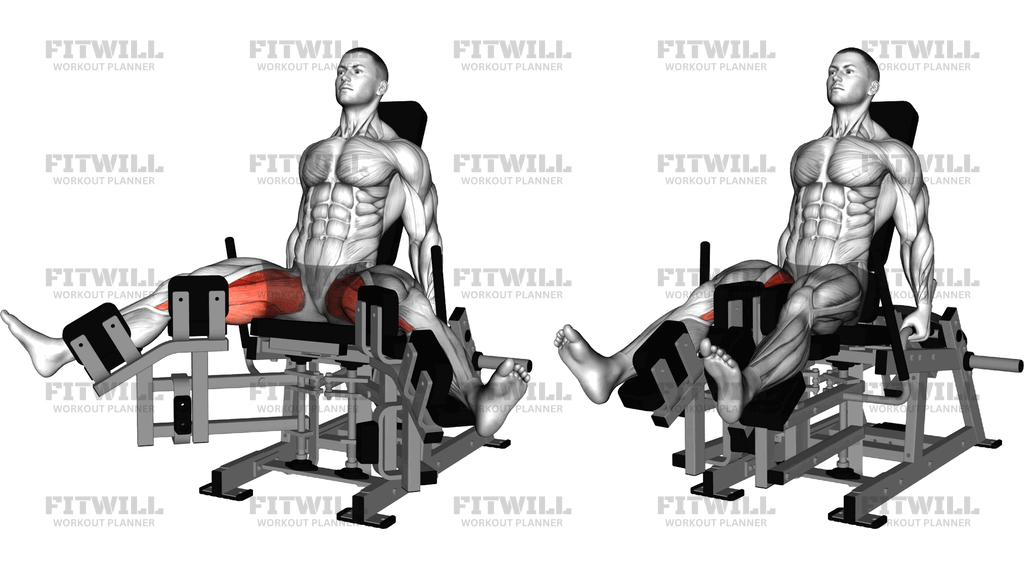
Instructions
- Sit fully back on the machine with your spine against the pad and the thigh pads resting on the outside of your legs just above the knees.
- Set your feet on the machine supports so your legs stay relaxed and your knees start bent, not locked out.
- Adjust the starting width so the pads begin close enough to create tension without forcing your hips open.
- Grip the handles, stack your ribs over your pelvis, and keep your torso still before you begin.
- Exhale and drive both knees outward in a smooth arc until you reach the widest position you can control.
- Pause briefly at the open position while keeping your hips and low back anchored to the seat.
- Inhale and bring the pads back together slowly until the weight is under control again.
- Reset your posture before the next rep and continue for the planned number of repetitions.
Tips & Tricks
- Let the outer thighs move the pads; do not bounce the weight stack open with your torso.
- Keep your pelvis heavy on the seat. If your hips roll or lift, shorten the range.
- A slight forward lean can help you feel the outer glutes more, but keep your back long and neutral.
- Stop just short of a painful stretch in the front of the hip or groin.
- Use a slower return than opening phase so the stack never crashes closed.
- Pick a load that lets you hold the open position for a brief squeeze without wobbling.
- Keep your feet quiet on the supports; the motion should come from the hips, not the ankles.
- If one side opens faster than the other, reduce the load and match both knees to the same path.
Frequently Asked Questions
What muscles does Lever Seated Hip Abduction Version 2 work?
It primarily trains the hip abductors and outer glutes, with the glute medius and glute minimus doing most of the work.
Where should the pads sit on my legs?
Set the pads against the outside of your thighs just above the knees so the force goes through the hips instead of the lower legs.
Should my back stay against the pad the whole time?
Yes. Keeping your back and pelvis stable on the seat helps the machine load your hips instead of letting you rock through the rep.
How far should I open my knees?
Open as far as you can without your pelvis shifting, your lower back arching, or the motion turning into a bounce.
Is this exercise good for beginners?
Yes. The machine gives you a fixed path, so beginners can learn hip abduction with light to moderate resistance and controlled tempo.
What is the most common mistake on this machine?
The most common mistake is using too much load and forcing the pads open with momentum instead of controlled hip work.
Why does the return phase matter?
A slow return keeps tension on the outer hips and prevents the stack from slamming closed, which makes the set cleaner and safer.
Can I use this after squats or leg press?
Yes. It works well as accessory work after big lower-body lifts when you want extra hip stability and outer-glute volume.