Band Alternating V-Up
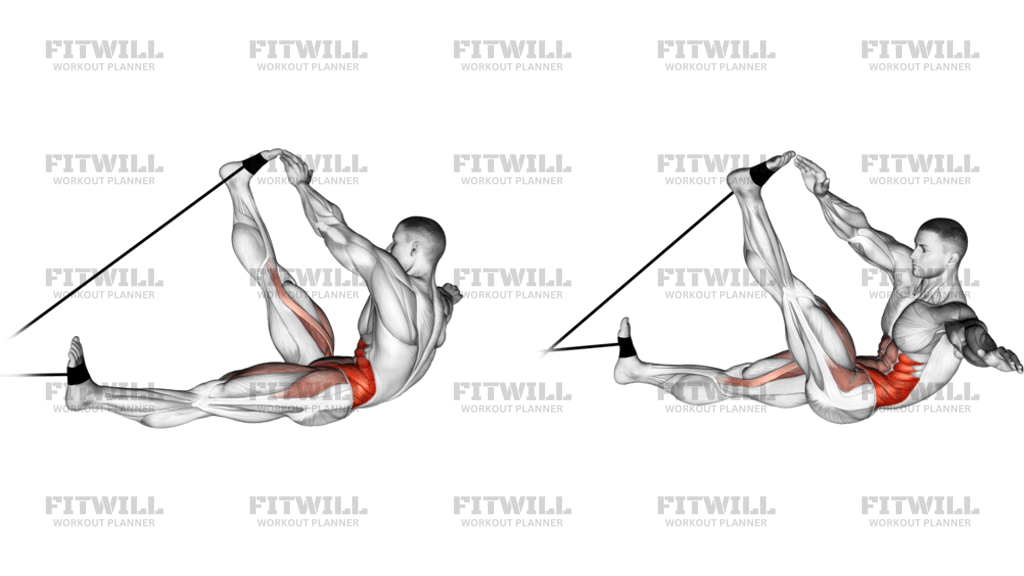
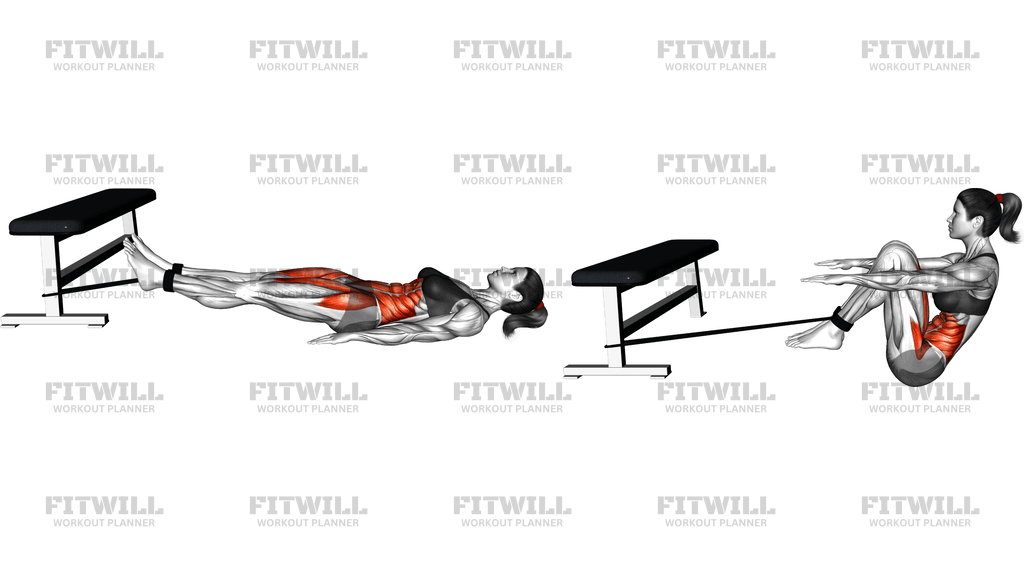
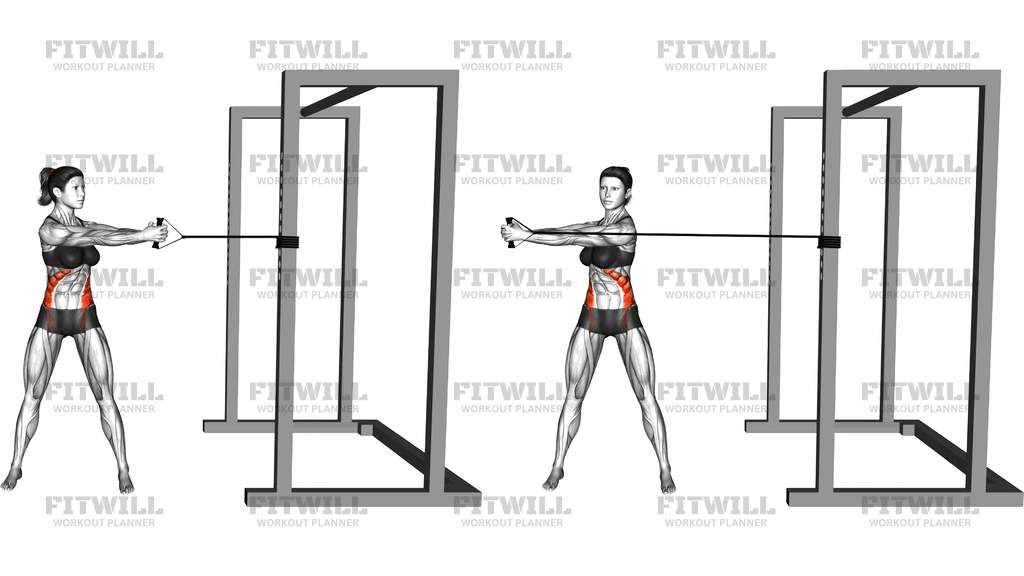
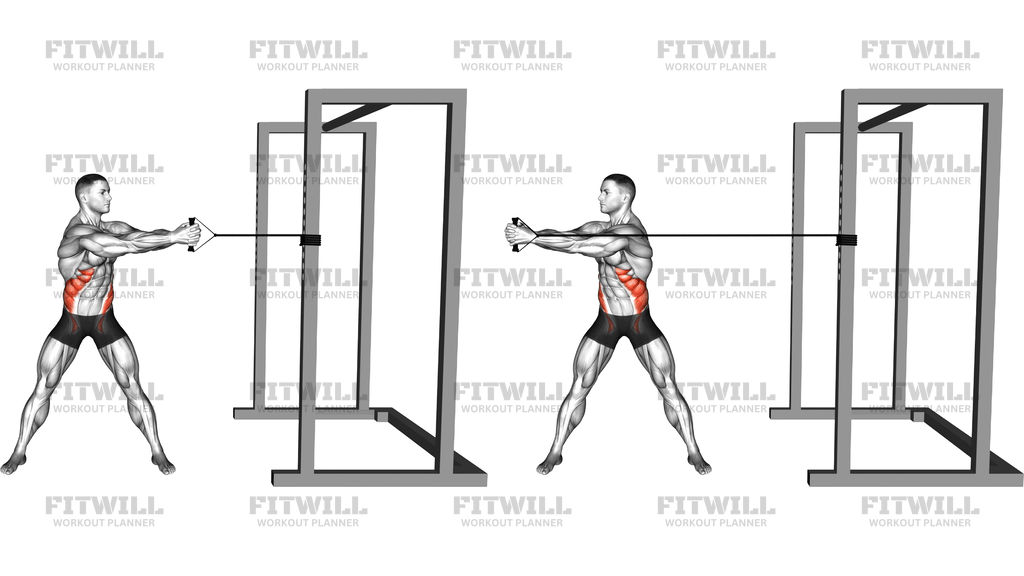
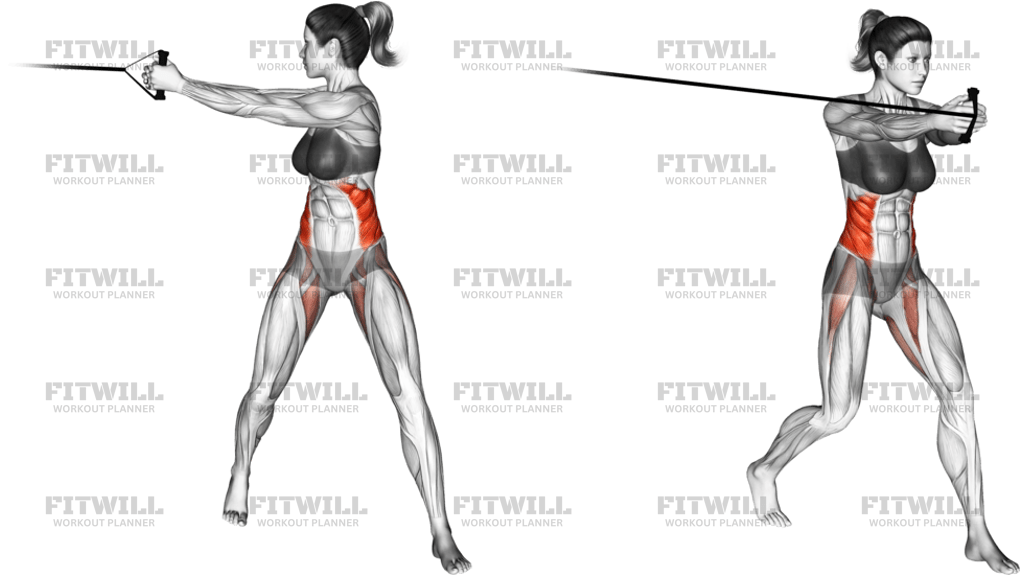
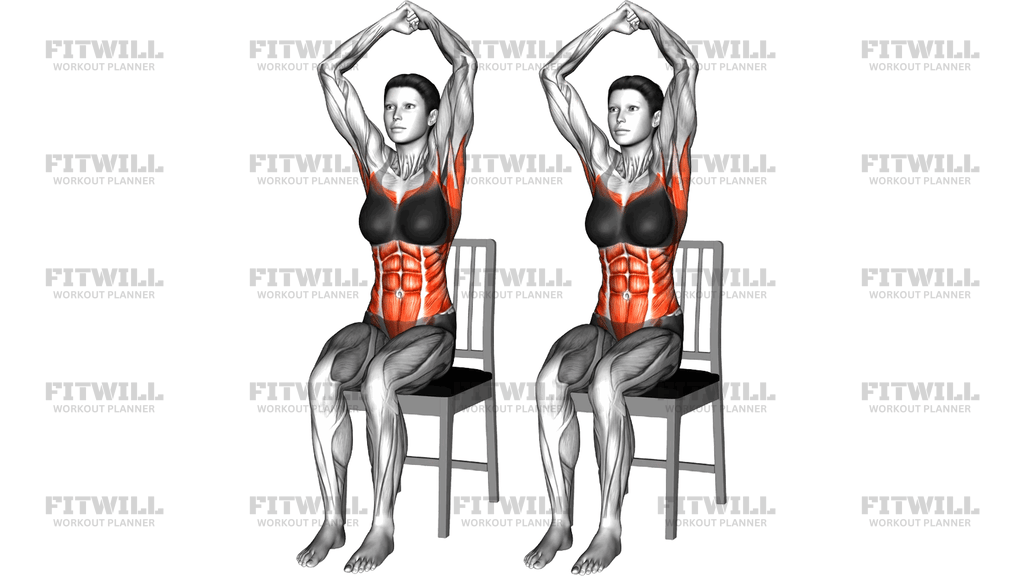
Band Alternating V-Up is a floor-based core exercise that pairs an alternating V-up with band tension on the lifted leg. It is built to train the obliques and the rest of the trunk while you keep the torso organized, the hip flexors active, and the neck relaxed. The band adds a simple but useful layer of resistance so the working side has to stay controlled instead of letting the leg drop or swing freely.
The exercise is most useful when you want a core drill that asks for coordination as much as effort. In the image, the athlete lies on the back and alternates which leg rises toward the ceiling while the opposite shoulder and arm reach toward it. That creates a side-to-side crunch pattern through the waist, with the lower body held long and the free leg staying extended on the floor. The primary work centers on the external obliques, with the rectus abdominis, hip flexors, and spinal stabilizers helping to keep each rep clean.
Setup matters because the band changes the feel of the rep immediately. You want enough tension to challenge the lifted side without pulling you out of position before you start. Lie flat first, then organize the ribcage down, press the lower back into the floor, and set the band so the raised leg can work against a smooth line of pull. Once the body is lined up, the alternating pattern should feel deliberate rather than rushed.
Each rep should be driven by a controlled curl rather than a hard yank from the arms or a snap from the legs. Reach the opposite hand and shoulder toward the raised foot, lift the shoulder blades just enough to clear the floor, and keep the other leg long. Lower under control, switch sides, and make the transition without losing the tension in the midsection. The goal is to feel the waist shorten on the working side while the torso stays braced and the neck stays quiet.
This movement fits well in a core block, warm-up, or accessory circuit when you want focused trunk training without loading the spine heavily. It is also a good option for athletes who need cross-body control and alternating hip flexion under tension. Keep the range of motion honest, stop the set when the band starts pulling you into a twist, and treat every rep as a chance to keep the same shape from side to side.
[ Workout Log & Planner ]
Put your next workout in Fitwill
Keep your plan and training log ready when you are.


Instructions
- Lie on your back with the band set so it creates tension on one raised leg, and keep the other leg extended along the floor.
- Press your lower back gently into the floor, tuck your ribs down, and set your shoulders relaxed before the first rep.
- Raise one leg toward the ceiling and reach the opposite arm toward that foot to create the V-up position.
- Curl the shoulder blades off the floor only as high as you can keep the neck relaxed and the torso controlled.
- Lower the trunk and leg slowly until you are back near the start without letting the band yank the leg off line.
- Switch sides on the next rep so the other leg becomes the working side and the opposite hand reaches across.
- Keep the motion smooth and alternating, using the waist to initiate each curl instead of swinging the arms.
- Exhale as you lift, inhale as you lower, and finish the set before the band tension starts to pull you out of position.
Tips & Tricks
- Set the band tension so the raised leg feels loaded, but not so tight that you have to jerk the first rep into place.
- Keep the bottom leg long and quiet on the floor; if it starts lifting, the set is getting too momentum-driven.
- Reach with the shoulder blade, not just the hand, so the trunk actually flexes instead of the arm doing all the work.
- If your neck starts to take over, shorten the reach and keep the chin slightly tucked rather than forcing a bigger V-up.
- Lower slowly enough that you can feel the band and the abs working on the way back down.
- Keep the ribcage from flaring as the leg rises; that usually means the low back has lost contact with the floor.
- Use a smaller range if the alternating switch makes your hips roll side to side.
- Stop the set when the band starts snapping the leg upward or when the torso begins twisting instead of curling.
Frequently Asked Questions
What muscle does Band Alternating V-Up target most?
The obliques are the main target, with the rectus abdominis and hip flexors helping during the alternating curl.
How should I position the band on this exercise?
Set it so the lifted leg has steady tension through the whole rep, but not so much that the band pulls you out of a controlled curl.
Should my opposite hand touch the foot every rep?
No. Reach toward the foot with a controlled crunch and only go as far as you can keep the shoulders, ribs, and neck organized.
Why does my lower back come off the floor?
That usually means you are reaching too far or letting the ribs flare. Shorten the range and keep the trunk braced before each alternating rep.
Can beginners do Band Alternating V-Up?
Yes, if the band tension is light and the range stays small enough to control the alternating leg switch.
What is a common mistake with the alternating pattern?
A common mistake is twisting the hips instead of curling the torso. Keep the movement centered and let the waist drive the reach.
What if the band makes the leg swing?
Reduce the band tension or shorten the range. The lifted leg should move smoothly, not snap through the rep.
Where does this exercise fit in a workout?
It works well in a core block, warm-up, or accessory circuit when you want alternating trunk flexion without heavy spinal loading.