Seated Bent Knee Abduction Feet Floor Off
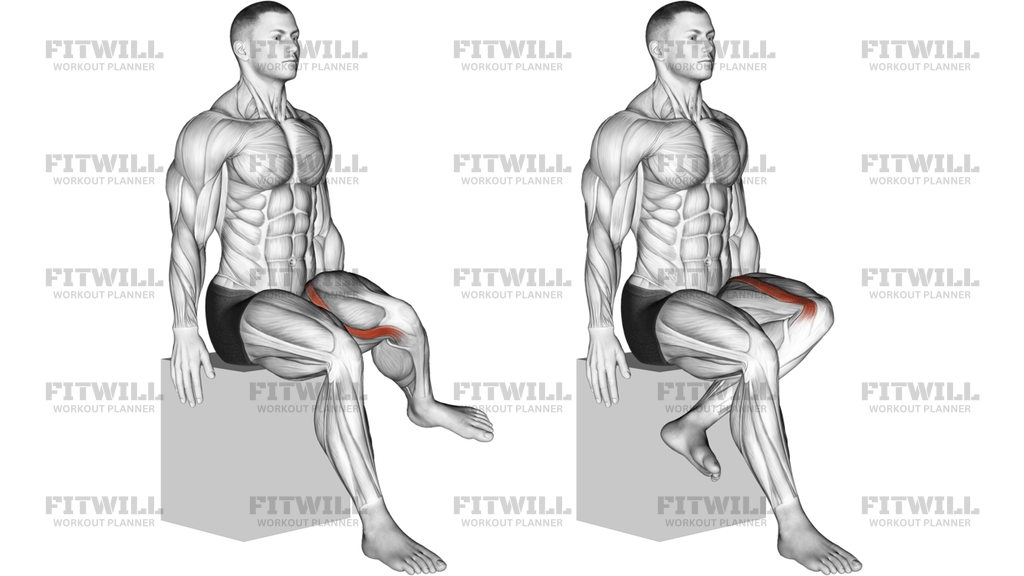
Seated Bent Knee Abduction Feet Floor Off is a body-weight hip exercise performed from the floor with the feet completely off the ground. You sit with your hands planted behind you for support, bend your knees, lift your feet clear of the floor, and open your knees out to the sides before drawing them back together. Because the feet never touch down, your hip flexors and trunk have to work the entire time, which makes this a much more demanding version than a standard seated abduction where the heels stay grounded.
The main workload falls on the outer hip muscles, especially the gluteus medius and the upper fibers of the glutes, which pull the knees apart against gravity. Holding the legs elevated also keeps the hip flexors and the front of the core under continuous tension, so you get two jobs done in one movement: hip strength and trunk stability. The highlighted area around the side of the hip shows exactly where you should expect to feel this working.
This version suits lifters and general trainees who want to target the side of the hips without bands or machines. It is useful for people building hip stability for squats and lunges, runners looking for lateral hip control, and anyone who spends long hours sitting and wants direct work for a region that rarely gets loaded in daily life. Because it requires no equipment beyond a mat or a patch of floor, it fits easily into warm-ups, home sessions, or travel workouts.
The setup matters more than it looks. Your hands behind you act as the only support, so your torso angle determines how hard the exercise is: the more upright you sit, the harder your hip flexors and abs must hold the feet up; the more you lean back, the more comfortable the hold but the more load shifts through the shoulders and arms. Aim for a middle ground with a tall chest, shoulders down away from your ears, and elbows softly bent.
To execute it well, keep the movement coming from the hips rather than from swinging the torso or rocking the shoulders. Open the knees to a range where you still feel the outer hips working, pause briefly, and bring them back together under control without letting the feet drop. If you feel it mostly in the hip crease instead of the side of the glutes, your feet are probably too low or your torso is too far forward, so reposition and reset.
Keep the range moderate and the reps smooth. A common tendency is to flare the lower back or collapse through the chest as fatigue builds, which takes tension off the hips and dumps it into the spine. If your form starts to slip, stop the set rather than forcing extra repetitions, and rebuild the position on the next set.
[ Workout Log & Planner ]
Put your next workout in Fitwill
Keep your plan and training log ready when you are.


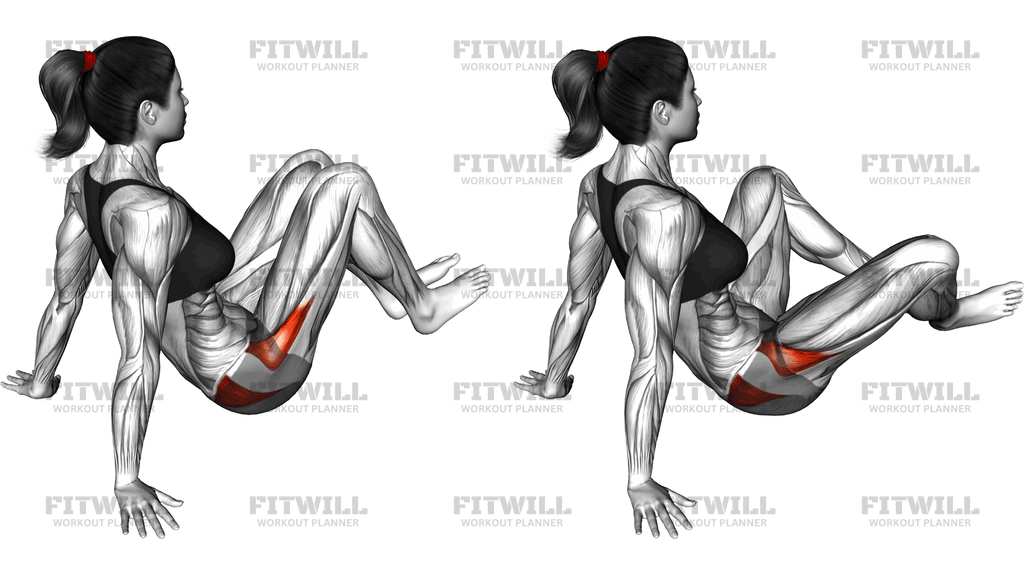
Instructions
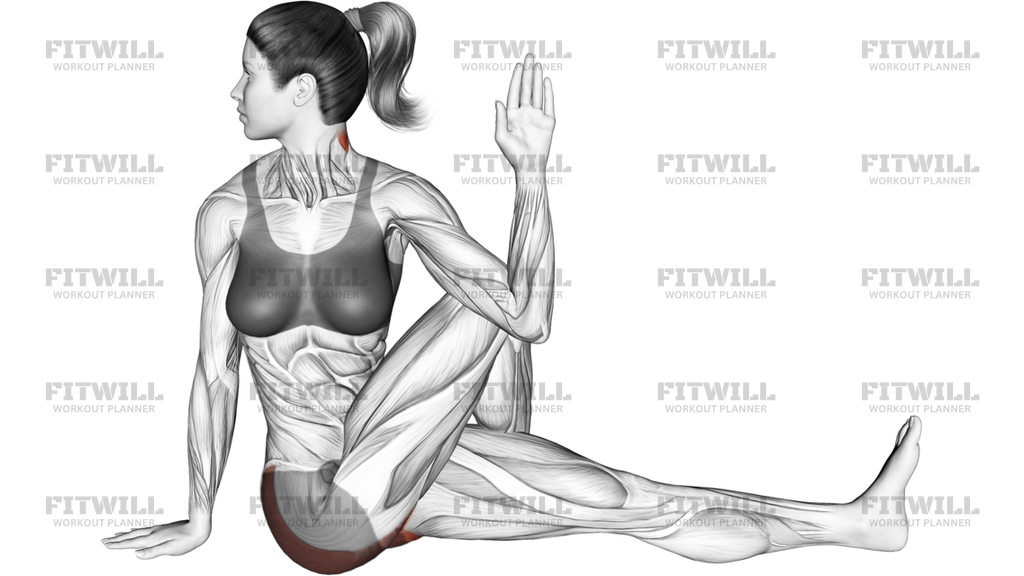
- Sit on a mat with your legs bent and your feet flat on the floor to start, then place your palms on the floor behind your hips with your fingers pointing away from you or slightly outward.
- Lean your torso back until your arms take some of your weight, keeping your chest tall and your shoulders pulled down away from your ears.
- Lift both feet off the floor and hold them hovering, with your knees bent roughly 90 degrees and your thighs angled up toward your torso.
- Brace your abdominals to keep your lower back from arching as the feet come up.
- From this held position, let your knees fall outward and apart as far as you can control, feeling the contraction along the outer hips and upper glutes.
- Pause for a beat at the widest point without letting your feet drop toward the floor.
- Bring your knees back together slowly until they are close but not touching, keeping constant tension in the hips.
- Breathe steadily throughout: exhale as you open the knees, inhale as you bring them back together.
- Complete your repetitions, then lower both feet back to the floor and rest before starting the next set.
- If you lose the hover or your chest collapses, stop the set and reset your torso angle before continuing.
Tips & Tricks
- If your hip flexors cramp before you feel the outer hips, sit slightly farther back so your arms take more load and your thighs can relax a little while the knees still do the work.
- Keep your heels close to each other and near your body as you open the knees; letting the feet drift wide turns this into a hip rotation and changes which muscles you target.
- Rocking your torso with each rep is the most common fault in this setup. Plant your palms firmly and think of pushing the floor away to keep the upper body quiet.
- Your arms and wrists take real load here. Spread your fingers wide and grip the floor; if your wrists complain, shift your hands an inch further out or make loose fists to take pressure off the joints.
- Do not chase maximum knee width. A controlled half range with the feet hovering beats a full splat with the feet dropping back to the floor.
- The pause at the top of the opening phase is where this exercise earns its value. Skip it and the movement becomes momentum-driven swinging.
- Point your toes gently rather than clenching them; hard toe-gripping tends to build tension through the calves and quads and distracts from the hips.
- Breathe out as the knees open. Holding your breath while your feet are off the floor makes it far harder to keep the trunk braced.
- Start with shorter sets than you think you need. This position fatigues quickly and the hover is the first thing to fail.
- If your hamstrings or hip flexors are too tight to hold the bent-knee position comfortably, reduce how far the thighs pull toward your chest until you can hold it without rounding.
Frequently Asked Questions
What muscles does Seated Bent Knee Abduction Feet Floor Off work?
The primary muscles are the outer hips, mainly the gluteus medius and upper glutes, which pull the knees apart. Because your feet stay off the floor, your hip flexors and abdominal muscles also work continuously to hold the legs up and keep your torso steady.
Why do my feet have to stay off the floor in this exercise?
Keeping the feet hovering removes support from the legs, so your hip flexors and core stay under tension through the entire set. It also forces you to control the knee movement with the hip muscles rather than pushing against the ground.
Is Seated Bent Knee Abduction Feet Floor Off suitable for beginners?
Yes, as long as you reduce the demands. Lean back a little more to lighten the hip flexors, use a smaller knee range, and keep sets short. If the hover is too hard at first, practice the same opening motion with your heels lightly resting on the floor and progress to lifting the feet.
Why do I feel this more in the front of my hips than in my glutes?
The hip flexors work hard just to hold your feet up, so some front-of-hip fatigue is normal. If it dominates completely, sit slightly farther back so more weight rests on your arms, and focus on driving the knee-opening effort from the sides of your hips.
How many repetitions should I do?
Aim for sets of 10 to 15 controlled repetitions, ending the set when you can no longer keep the feet hovering or your chest starts to fall. Two to three sets fit well as part of a warm-up or a hip-focused block.
Can I do this exercise without a mat?
Yes, any firm surface works, but a mat makes the seated position and the pressure on your hands and tailbone more comfortable. On a hard floor, a folded towel under the sit bones helps.
What should I do if my wrists hurt from supporting myself behind me?
Spread your fingers and press through the whole palm to distribute the load, keep your elbows softly bent rather than locked, and shift your hands slightly outward. If discomfort persists, choose a supported abduction variation that does not load the wrists.
Is my lower back supposed to move during this exercise?
No. Keep your trunk braced and quiet while only the legs move. If your lower back arches or rocks, your range is too large or your torso has drifted too far back, so reduce the knee width and reset your posture.
How is this different from a seated abduction with the feet on the floor?
With the feet down, your legs are supported and the effort is isolated to opening the knees. Lifting the feet adds a continuous hip flexor and core demand, making the movement harder and less stable, which is why the reps are usually lower and the position needs more attention.
Can I use a resistance band with Seated Bent Knee Abduction Feet Floor Off?
You can loop a band above your knees for extra outer-hip resistance once the body-weight version feels easy, but only do this if you can keep the feet hovering and your torso steady. Adding tension before you control the base position usually breaks the form.