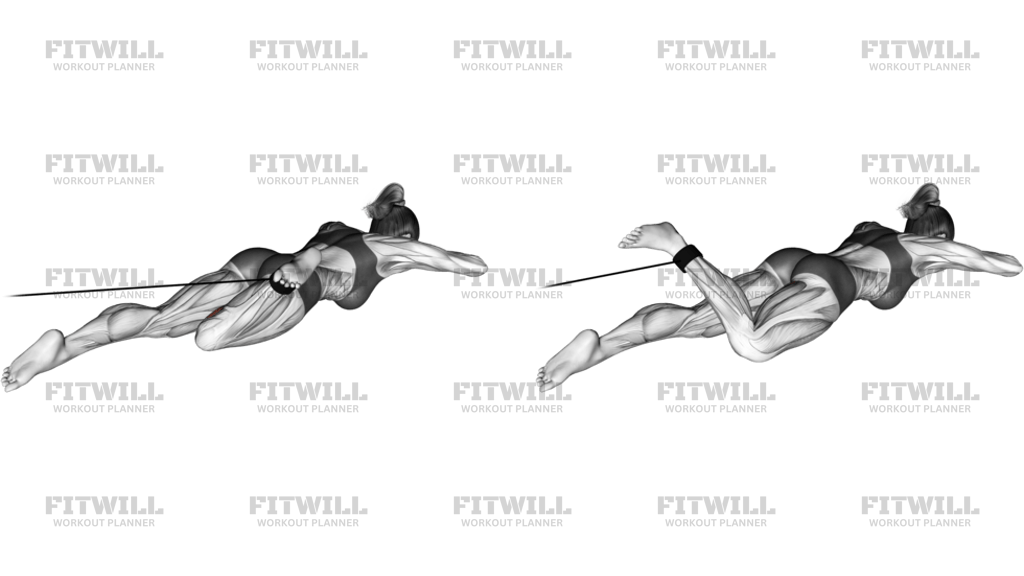
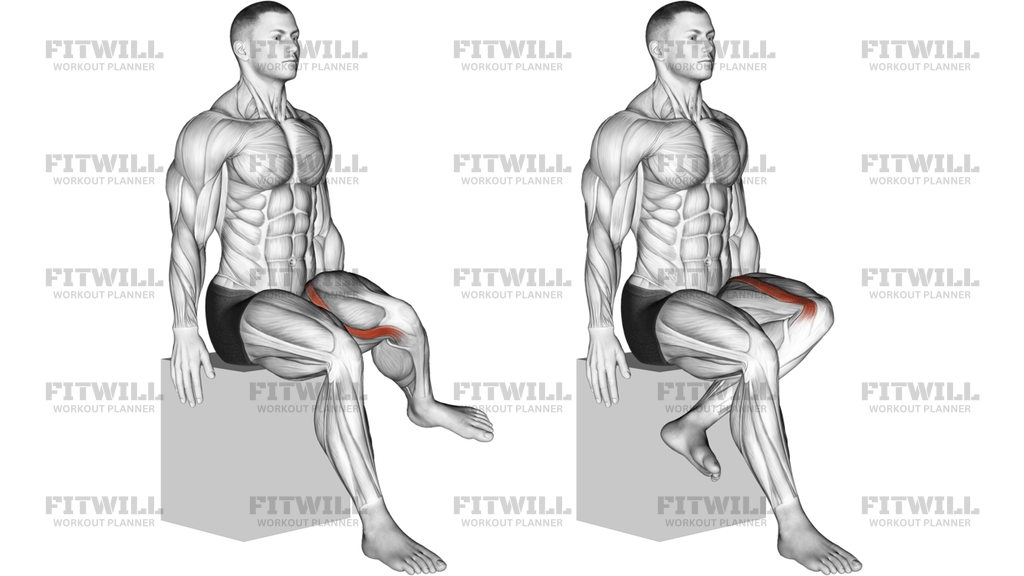
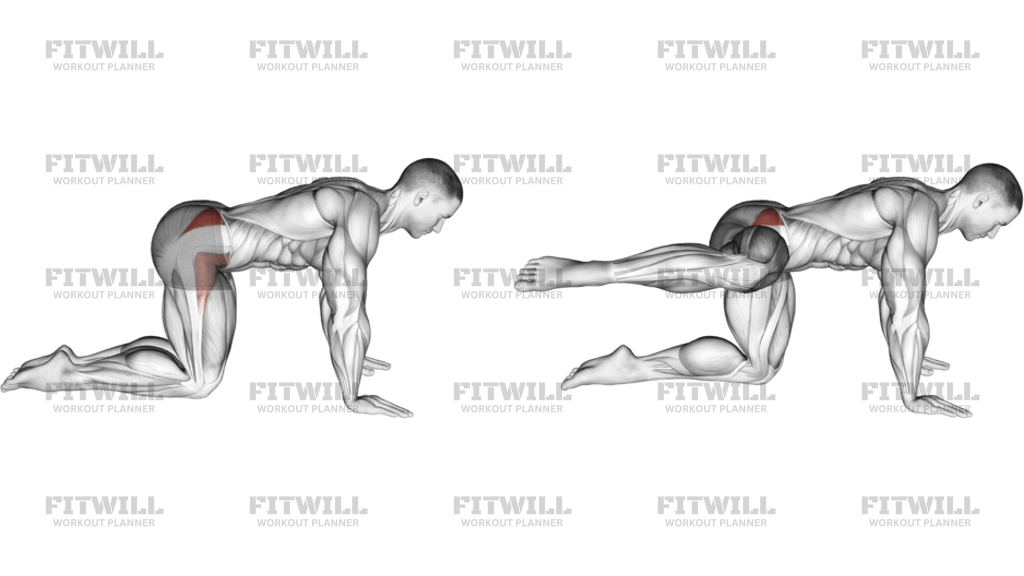
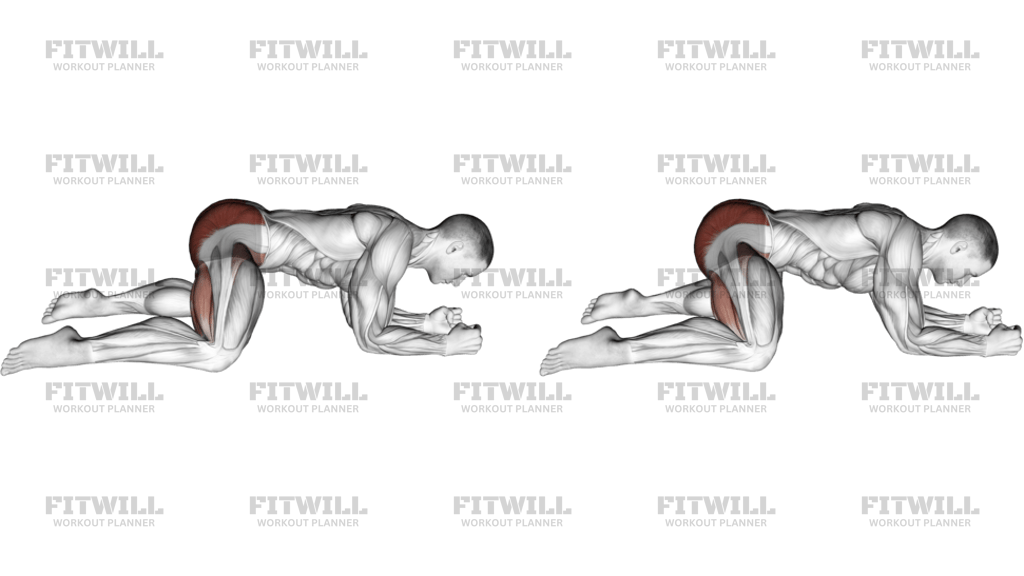
Lateral Side Plank Bent Leg
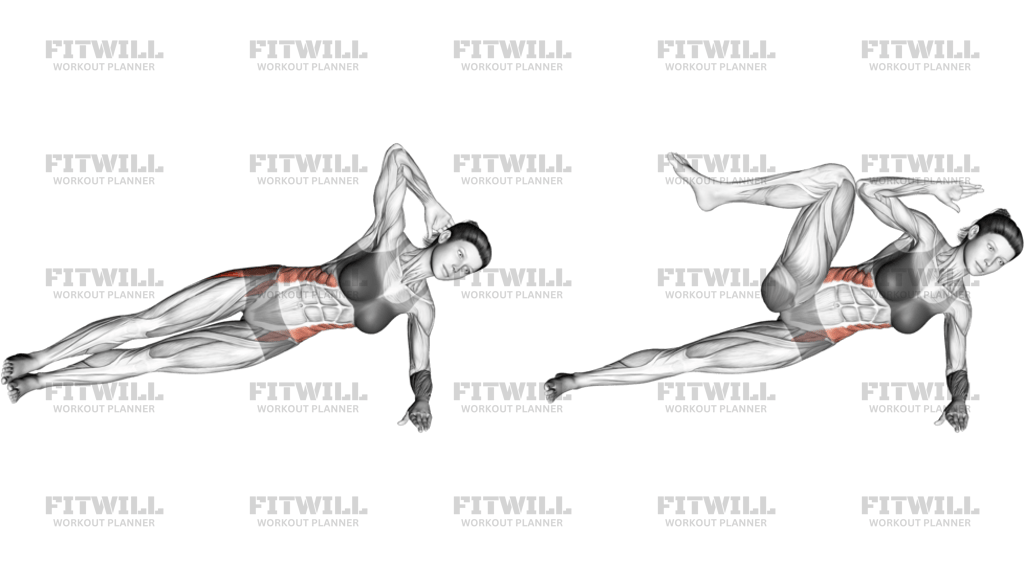
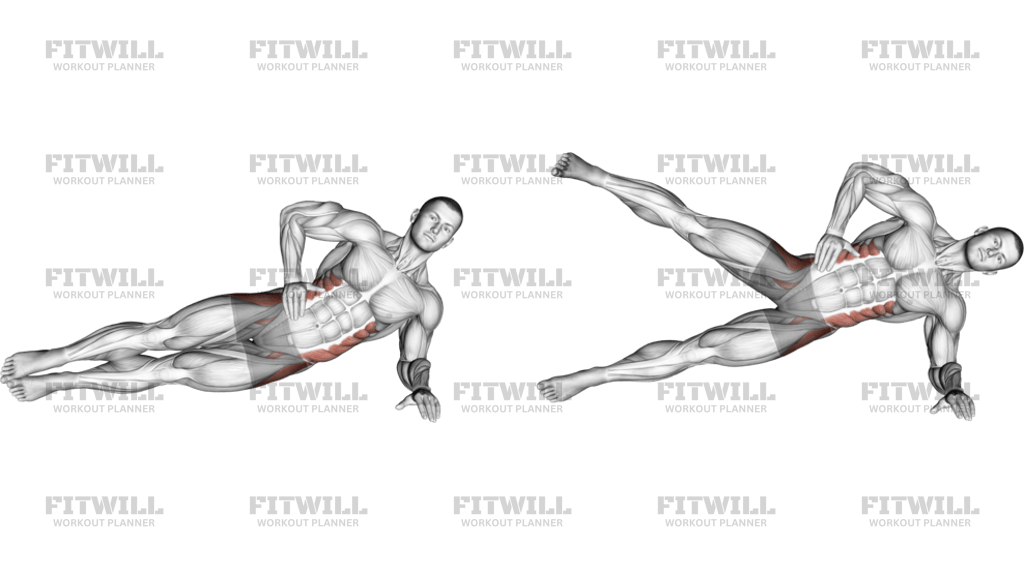
Lateral Side Plank Bent Leg is a bodyweight side-plank variation that challenges the glutes, hips, and lateral core. One forearm supports the body while the torso stays stacked and the top leg stays bent, which creates a strong anti-rotation demand through the waist and pelvis. It is useful when you want more hip and trunk control than a standard side plank, without needing external load.
The setup matters because the shoulder, ribs, and hips have to form one line before the leg starts moving. Place the supporting elbow under the shoulder, keep the forearm active, and square the pelvis so the lower waist does not collapse toward the floor. The bent top leg changes the leverage and makes the glute on the working side do more stabilizing work.
From that stacked position, keep the chest open and lift or pulse the bent leg under control while the torso stays quiet. The motion should come from the hip, not from swinging the low back or twisting the ribs. At the top, the outer hip and side waist should feel engaged; on the way down, keep tension instead of relaxing into the bottom shoulder.
This variation works well in core, glute, and warm-up blocks because it trains control at the pelvis as much as strength in the side body. It is especially useful for athletes or lifters who need better single-side stability, hip control, and cleaner plank mechanics. Quality matters more than range, so a small, precise lift is better than a bigger rep that causes the pelvis to rotate.
If the shoulder feels crowded or the low back takes over, reduce the lever by shortening the hold, lowering the top leg travel, or resetting the stack before each rep. Beginners can use this exercise successfully as long as they keep the setup strict and stop each set before the support side starts to sag.
Fitwill
Log Workouts, Track Progress & Build Strength.
Achieve more with Fitwill: explore over 9600 exercises with images and videos, access built-in and custom workouts, perfect for both gym and home sessions, and see real results.
Start your journey. Download today!




Instructions
- Lie on your side and set the supporting forearm on the floor with the elbow directly under the shoulder.
- Extend the bottom leg long and bend the top leg so the knee is in front of the torso and the foot stays off the floor.
- Press through the forearm and the edge of the bottom foot, then lift the hips until the shoulder, ribs, and pelvis are stacked.
- Keep the top hand behind the head or lightly across the chest, and keep the neck long with the chin slightly tucked.
- Brace the waist, squeeze the glute on the supporting side, and keep the pelvis from rolling backward or forward.
- Lift or pulse the bent top leg from the hip while the torso stays still; do not swing the knee or arch the lower back.
- Pause briefly at the top of each rep with the side glute and oblique fully engaged.
- Lower the leg and hips with control, reset the stack if needed, and repeat before switching sides.
Tips & Tricks
- Stack the elbow under the shoulder so the joint does not drift toward the ear.
- Keep the ribs from flaring open; a stacked rib cage helps the glute work instead of the low back.
- If the neck feels tight, rest the top hand on the hip instead of pulling on the head.
- A smaller leg lift is better than letting the pelvis twist or the torso wobble.
- Keep pressure through the bottom foot so the support hip does not sag.
- Exhale during the lift and inhale as you lower to stay braced without holding your breath.
- Think about the bent knee moving from the hip socket, not the knee swinging forward.
- Stop the set when the supporting shoulder starts to collapse or the hip line breaks.
Frequently Asked Questions
What does Lateral Side Plank Bent Leg work most?
Mostly the glutes and side core, with the hamstrings, lower back, and shoulder helping stabilize the position.
Is the bent leg supposed to move?
Yes, the bent top leg lifts or pulses while the plank stays stacked and steady.
Where should my elbow and shoulder be?
The elbow should sit directly under the shoulder so the forearm can support you without collapsing into the joint.
Can I keep my top hand behind my head?
Yes, but keep the neck relaxed; if that pulls you out of position, place the hand on the hip instead.
Why does my lower back feel this more than my glutes?
Usually the pelvis is rotating or the ribs are flaring, so shorten the lift and reset the stack before each rep.
How can I make this easier?
Reduce the height of the leg lift, shorten the hold, or keep the reps slower and smaller until you can hold the side line cleanly.
What should I feel at the top of the rep?
A strong squeeze through the side glute and obliques, not pressure in the shoulder or pinch in the lumbar spine.
Can I use this in a warm-up or accessory block?
Yes, it works well as a glute and trunk activation drill or as controlled accessory work between heavier lifts.