Cable Pulldown Bicep Curl
Cable Pulldown Bicep Curl is a seated cable curl variation that loads the biceps from an overhead line of pull. With a bench placed under a high pulley and a bar or long attachment in hand, you curl the handle down while keeping the upper arms organized and the torso quiet. The movement is simple, but the cable angle changes the feel compared with a free-weight curl because tension stays present through the whole rep instead of disappearing at the top.
This exercise primarily targets the biceps brachii, with the brachialis, brachioradialis, and forearm flexors helping to stabilize the wrist and elbow. Because the attachment starts overhead, the setup matters: if the bench is too close, too far, or angled poorly, the shoulders take over and the curl turns into a shrug or a pulldown. A good setup keeps the elbows in a strong line under the cable so the biceps can do the work.
Use a seated position with both feet planted and the chest tall. From the top, extend the elbows under control until the arms are long but not loose, then curl the bar down by bending the elbows and keeping the wrists stacked over the forearms. The handles should travel in a smooth arc toward the forehead or upper chest depending on arm length and the attachment used. The return phase should be just as deliberate, with no swinging or bouncing to restart the next rep.
Cable Pulldown Bicep Curl is useful when you want arm work with constant tension, a stable seated setup, and a cleaner resistance profile than a loose standing curl. It works well in accessory blocks, arm-focused sessions, or as a lighter biceps movement when you want to limit body English. Keep the load modest enough that the shoulders stay down, the elbows do not drift backward, and the last rep looks the same as the first. If the torso starts rocking, the weight is too heavy or the bench position needs adjustment.
Fitwill
Log Workouts, Track Progress & Build Strength.
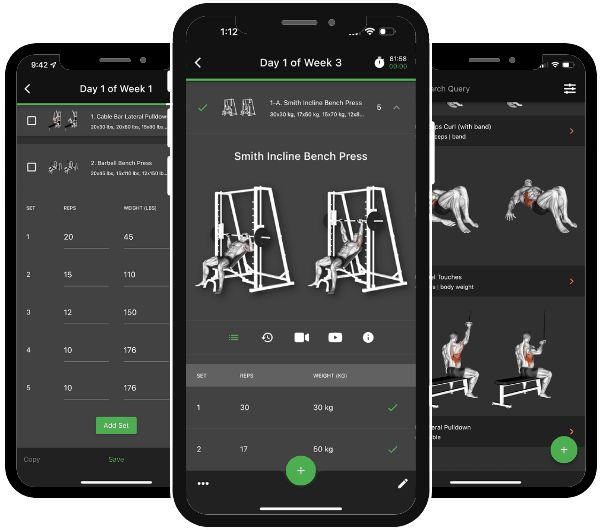
Achieve more with Fitwill: explore over 5000 exercises with images and videos, access built-in and custom workouts, perfect for both gym and home sessions, and see real results.
Start your journey. Download today!


Instructions
- Place a flat bench under the high cable pulley so the bar hangs slightly in front of your face when you sit down.
- Sit tall on the bench with both feet flat on the floor and the cable line centered over your upper body.
- Grip the bar with a palms-up hold and set your hands about shoulder width or slightly wider if that keeps the wrists comfortable.
- Start with your elbows extended but not locked, your shoulders down, and your chest lifted without leaning back.
- Exhale and curl the bar down by bending only at the elbows, keeping your upper arms mostly fixed in place.
- Guide the bar toward your forehead or upper chest in a smooth arc while keeping your wrists straight and your torso still.
- Squeeze the biceps briefly at the bottom without shrugging your shoulders or letting the elbows drift behind you.
- Inhale and return the bar overhead under control until the arms are long again, then repeat for the planned reps.
Tips & Tricks
- Keep the bench far enough back that the cable pulls almost straight up and down over your shoulders, not forward into a shrug.
- If your elbows flare open, narrow the grip a little so the forearms can stay stacked under the bar.
- Think about pulling your hands toward your forehead with the elbows staying in front of the ribs, not driving the shoulders back.
- Use a load that lets you lower the attachment slowly; the return phase should not snap the weight stack down.
- Keep the wrists neutral instead of curling them back, especially near the top where the biceps are doing the most work.
- A small torso lean is acceptable, but if you have to rock to move the bar, the set is too heavy.
- Stop the rep before the shoulders start shrugging or the neck tightens.
- If the top position bothers your shoulders, shorten the range slightly and keep the elbows a little in front of the body.
Frequently Asked Questions
What muscles do Cable Pulldown Bicep Curl work most?
The biceps brachii is the main target, with the brachialis, brachioradialis, and forearm flexors helping throughout the curl.
Why is this done seated on a bench instead of standing?
The seated setup removes most body sway and makes it easier to keep the elbows working under the cable instead of turning the rep into a whole-body pull.
Where should the bar travel during the curl?
It should move from overhead down in a smooth arc toward the forehead or upper chest, depending on your arm length and the attachment you use.
Should my elbows stay fixed in place?
Keep them mostly steady and in front of the torso, but allow a small natural adjustment so you can stay aligned with the cable without forcing the shoulders back.
Can beginners use Cable Pulldown Bicep Curl?
Yes. Start with light resistance and learn to keep the torso quiet before adding load.
What is the most common mistake on this exercise?
People usually lean back and shrug the shoulders, which turns the curl into a pulldown and takes tension off the biceps.
What grip works best on the bar?
A palms-up grip with hands around shoulder width or slightly wider usually keeps the wrists and elbows in a comfortable line.
How should I progress this movement over time?
Add reps or a small amount of load only when you can lower the bar slowly, keep the elbows organized, and finish every rep without swinging.