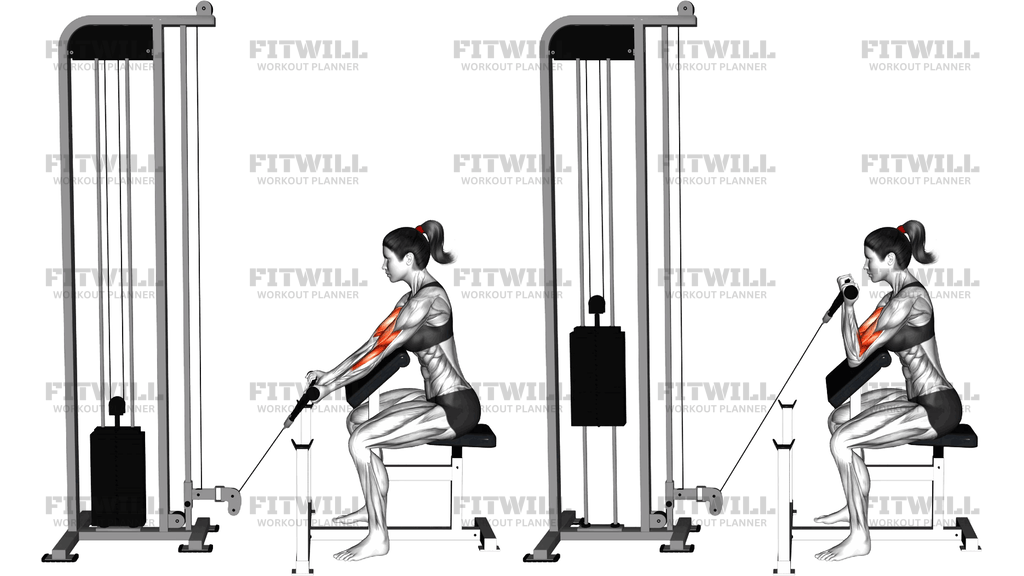
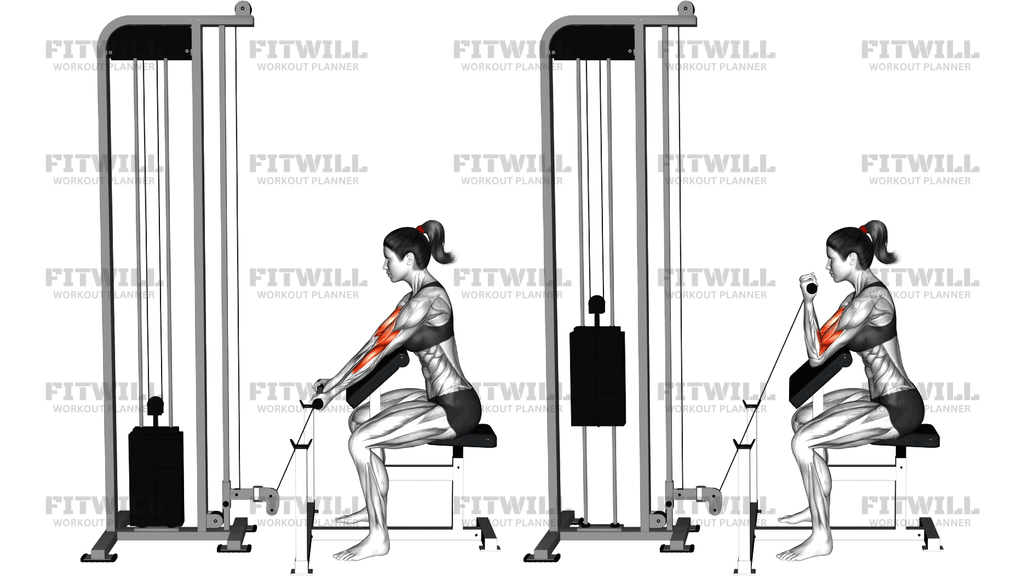
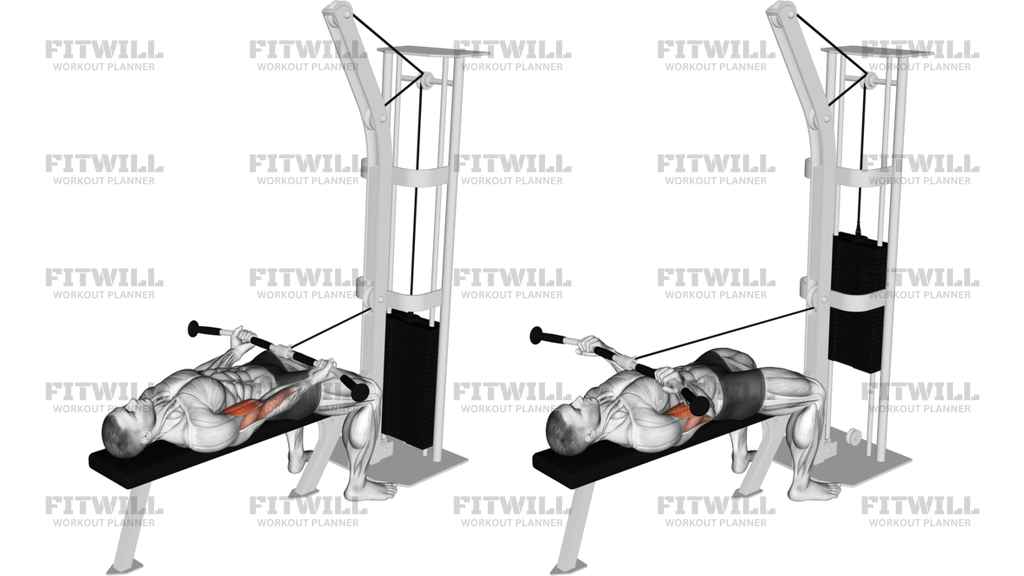
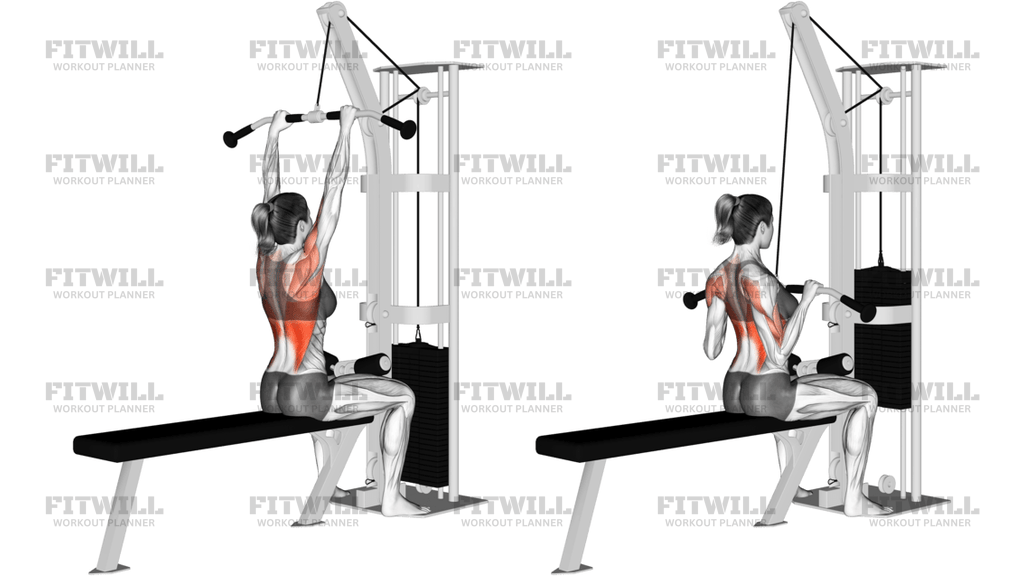
Cable Two Arm Curl On Incline Bench
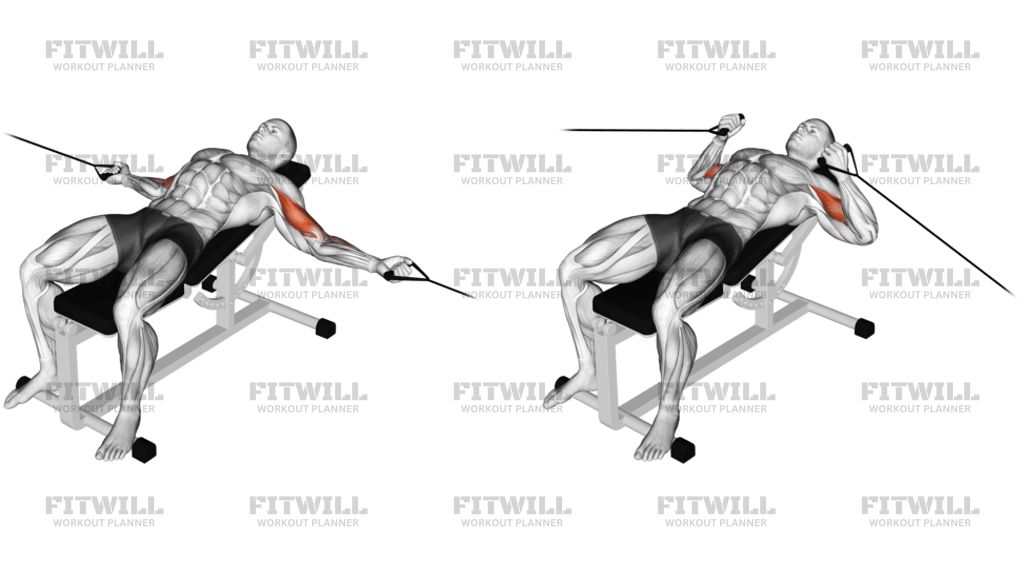
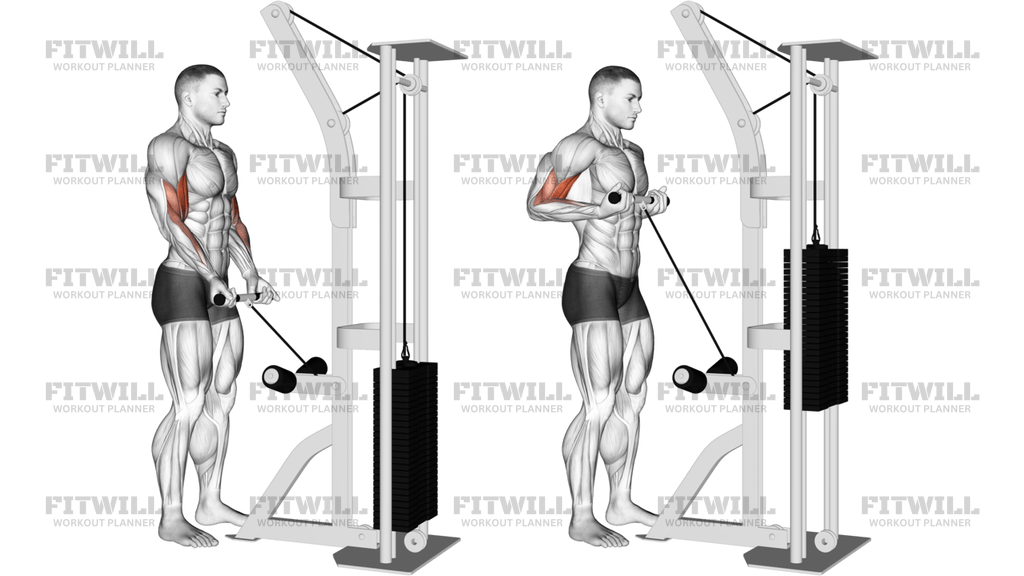
Cable Two Arm Curl On Incline Bench is a supported biceps curl performed while lying back on an incline bench between two cable handles. The setup keeps constant tension on the arms from the first inch of the rep, so the muscles never fully relax at the bottom the way they often do with dumbbells. Because the shoulders start slightly open and the arms work from a stretched position, this variation is especially good for training the biceps through a long range of motion.
The main action is elbow flexion, not body movement. With the bench centered between the cable stacks, the upper back and head supported, and the wrists kept straight, the forearms can travel in a clean arc while the upper arms stay mostly quiet. That makes the exercise useful for lifters who want a strict curl that reduces swinging, leaning, and torso cheating. It also gives both arms the same cable path, which helps expose side-to-side differences in strength or control.
A good rep starts before the curl begins. Set the bench at a moderate incline, plant the feet firmly, and let the arms open under control until you feel a strong but manageable stretch through the front of the upper arms. From there, curl both handles together toward the shoulders without letting the elbows shoot forward or the chest lift off the bench. At the top, squeeze the biceps briefly, then lower slowly until the elbows are almost straight again while keeping steady tension on the cables.
This is best used as an accessory biceps movement after heavier pulling work or as a focused arm exercise when you want constant resistance and a stable torso. The bench support makes it easier to keep the neck relaxed, the ribs down, and the shoulder blades from taking over the rep. Choose a load that lets both sides move smoothly and finish together. If you have to arch, shrug, or yank the handles to complete the curl, the weight is too heavy for this variation.
Fitwill
Log Workouts, Track Progress & Build Strength.
Achieve more with Fitwill: explore over 9600 exercises with images and videos, access built-in and custom workouts, perfect for both gym and home sessions, and see real results.
Start your journey. Download today!




Instructions
- Set an incline bench between the cable towers so the handles can travel beside your shoulders without rubbing the frame.
- Sit back on the bench, then lie with your head and upper back supported, feet planted, and your hips staying in contact with the pad.
- Grasp the handles with your palms facing up, wrists straight, and your upper arms opened slightly away from your torso.
- Let your elbows extend until you feel a strong stretch through the biceps, but stop before the shoulders roll forward or the elbows lock hard.
- Brace your ribs down and keep your shoulder blades set on the bench before you start the curl.
- Curl both handles together in a smooth arc toward the front of your shoulders while keeping the upper arms mostly still.
- Squeeze the biceps briefly at the top without lifting your chest or pulling the elbows far forward.
- Lower the handles slowly until your elbows are nearly straight again, keeping tension on the cables the whole way down.
- Exhale as you curl and inhale as you return, then reset the shoulder position before the next repetition.
Tips & Tricks
- Use a moderate bench angle so the arms can open behind the torso without pinching the front of the shoulder.
- Keep the wrists stacked over the forearms; bent wrists usually steal tension from the biceps and irritate the forearms.
- If one handle starts to drift higher than the other, reduce the load until both arms rise at the same speed.
- Think about moving the hands toward the shoulders, not pulling the elbows forward to shorten the curl.
- Stop the descent just short of a hard elbow lockout so the cables keep tension on the biceps at the bottom.
- Keep the ribs down against the bench; flaring the chest turns the rep into a body-English curl.
- Choose a load that lets you pause briefly at the top without shrugging the shoulders off the pad.
- A slower lowering phase usually suits this movement better than a fast drop because the stretched position is part of the exercise.
- If the handles force your forearms into an awkward angle, adjust the bench placement before changing the movement pattern.
Frequently Asked Questions
What muscles does Cable Two Arm Curl On Incline Bench work most?
The biceps brachii are the primary target, with the brachialis, brachioradialis, and forearm flexors helping stabilize the curl.
Why use an incline bench instead of curling standing?
The bench keeps your torso supported and puts the biceps under load from a stretched shoulder position, which makes cheating much harder.
How should my elbows move during the cable curl?
They should bend and straighten smoothly while staying mostly in place, with only a small natural drift as the handles travel.
Should my palms stay fully supinated the whole time?
Use the hand position that feels natural on the handles, but keep the curl driven by elbow flexion rather than wrist rotation.
How heavy should I go on this movement?
Use a load that lets your upper back stay on the bench, the wrists stay straight, and both arms finish every rep together.
Can beginners use the cable incline curl?
Yes, as long as the resistance is light enough to keep the shoulders relaxed and the rep path smooth.
What is the most common mistake on the incline bench?
Letting the ribs flare and the chest lift off the pad to finish the curl instead of keeping the movement isolated to the elbows.
Where should I feel the stretch at the bottom?
You should feel it mainly in the front of the upper arms, especially through the long head of the biceps, not in the shoulders.
Can I swap this for an incline dumbbell curl?
Yes, but the cable version keeps tension on the biceps throughout the whole rep, while dumbbells lose load near the bottom.