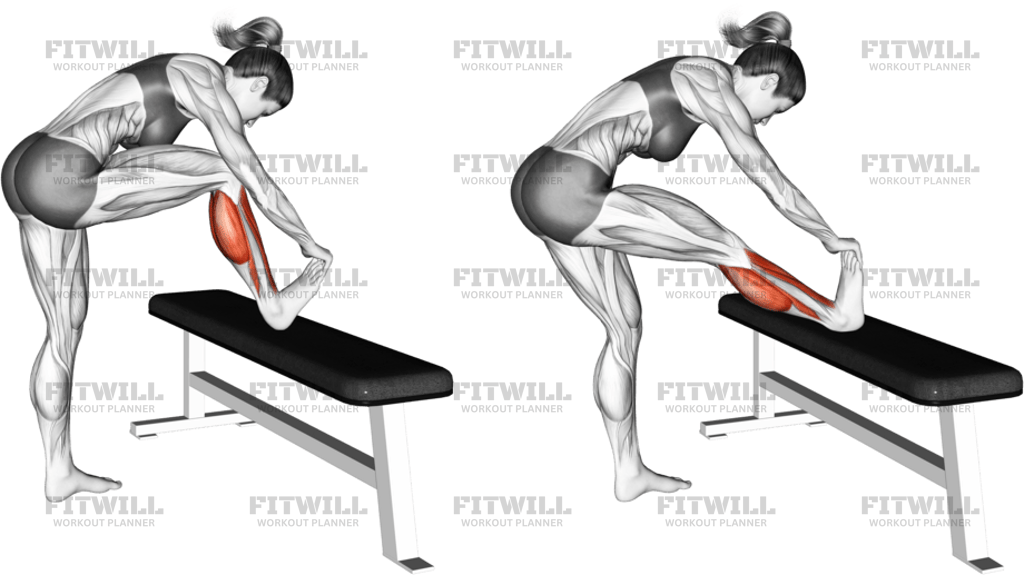
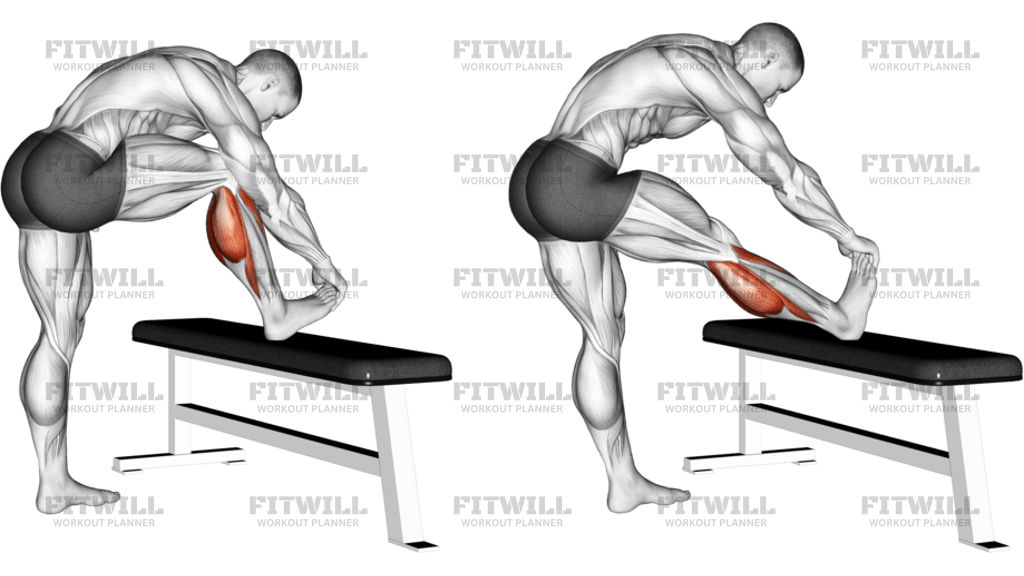
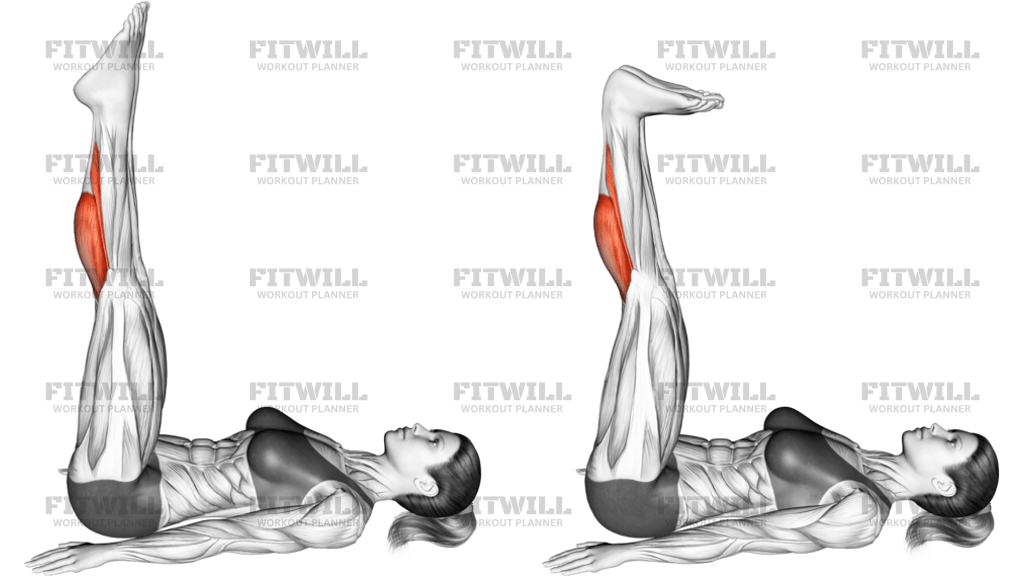
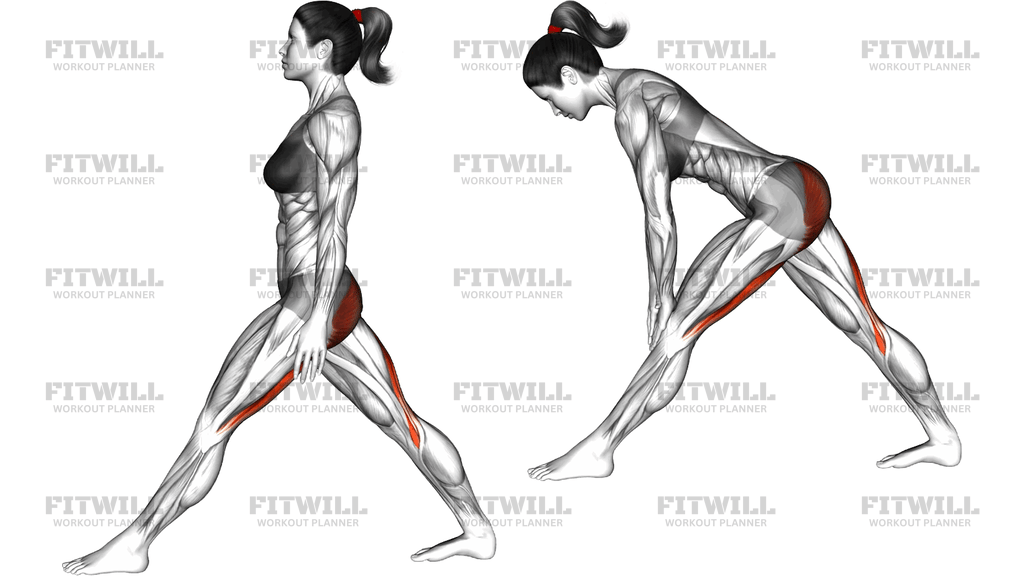
Sitting Toe Pull Calf Stretch
Sitting Toe Pull Calf Stretch is a seated calf mobility exercise performed on the floor or a mat by pulling the toes and forefoot back toward the shin. The setup keeps the heel anchored while the ankle moves into dorsiflexion, which creates a direct stretch through the calf complex instead of letting the motion leak into the knee, hip, or lower back.
The main target is the calf group, especially the gastrocnemius and soleus, with the Achilles region and ankle joint receiving a strong stretch as well. Because the exercise is done seated, it is easy to control the range and pressure, which makes it useful for warming up stiff ankles, cooling down after running or leg training, or restoring some comfort after a day of standing.
The position matters. Sit tall on the mat, square your hips to the working leg, and keep the heel down so the pull comes from the ankle. A straight knee will bias the upper calf more, while a slight knee bend shifts some of the stretch lower into the soleus. The stretch should feel firm but manageable along the back of the lower leg, not sharp in the Achilles tendon, arch, or outside of the ankle.
Perform each side with patience and clean breathing rather than trying to force extra range. A strap, towel, or your own hands can help hold the forefoot if your reach is limited, but the goal is still the same: gently draw the toes toward the shin, hold the end position long enough for the calf to relax, and release slowly. That controlled approach helps improve ankle dorsiflexion without bouncing or yanking on the joint.
Fitwill
Log Workouts, Track Progress & Build Strength.
Achieve more with Fitwill: explore over 9600 exercises with images and videos, access built-in and custom workouts, perfect for both gym and home sessions, and see real results.
Start your journey. Download today!




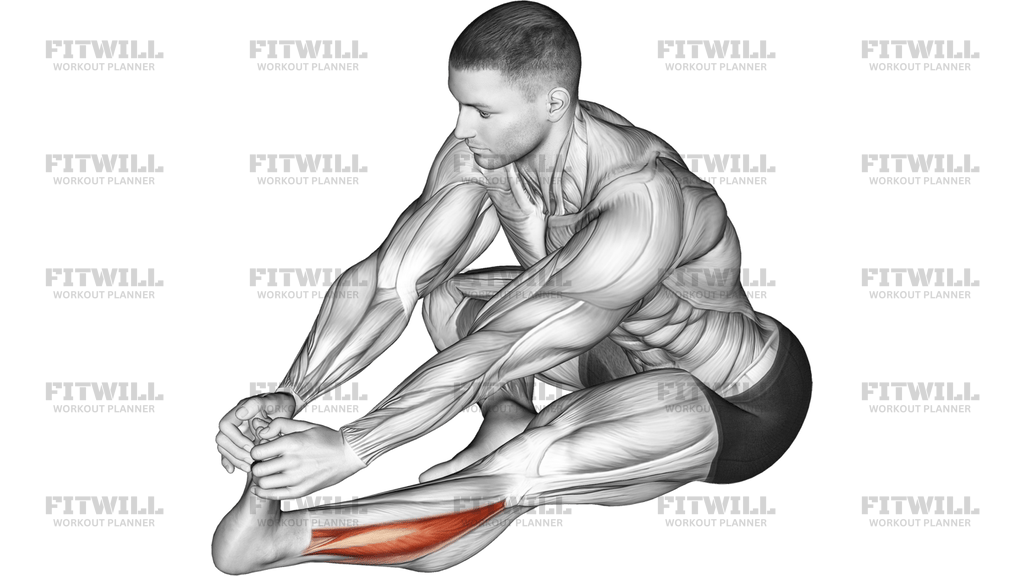
Instructions
- Sit on a mat with one leg extended and the other leg bent or relaxed for support.
- Keep the working heel on the floor and point the toes up toward the ceiling.
- Reach for the forefoot or toes with your hand, strap, or towel.
- Square your hips to the extended leg and sit tall through the spine.
- Pull the toes back toward the shin until you feel a stretch through the calf and back of the ankle.
- Keep the knee straight if you want more upper-calf tension, or soften it slightly for a lower-calf bias.
- Breathe in to settle into position, then exhale and hold the stretch without bouncing.
- Release the foot slowly back to neutral before repeating on the same side or switching sides.
Tips & Tricks
- Keep the heel rooted so the stretch comes from the ankle rather than the whole leg sliding around.
- Pull from the forefoot or toes, not by twisting the knee inward or outward.
- A straight knee shifts more tension into gastrocnemius; a small knee bend moves some work toward soleus.
- Stay tall on your sit bones instead of rounding your back to fake extra range.
- If your hands cannot reach cleanly, use a towel or strap so the pull stays steady instead of jerky.
- Aim for a strong stretch, but back off if the sensation moves from muscle tension to tendon pain.
- Exhale as the toes come back toward the shin to reduce calf guarding.
- If one ankle is much stiffer, spend a little longer there before moving to the other side.
Frequently Asked Questions
What does Sitting Toe Pull Calf Stretch target most?
It mainly stretches the calf complex, especially the gastrocnemius and soleus, with the Achilles area and ankle also involved.
Do I need a strap or towel for the toe pull?
No, but a strap or towel makes the setup easier if you cannot comfortably reach the forefoot.
Should my knee be straight during the stretch?
A straight knee emphasizes the upper calf. A slight bend can make the stretch feel more focused in the lower calf.
Where should I feel the stretch?
You should feel it through the back of the lower leg, with some tension near the Achilles, but not sharp pain in the tendon or arch.
Can I use this before squats or running?
Yes, a gentle version can help prepare the ankle and calf, especially if you keep the hold brief and controlled.
What if my calf cramps while I pull the toes back?
Reduce the pull, bend the knee slightly, and ease into a smaller range until the muscle relaxes.
Is this more of a warm-up or cooldown exercise?
It fits both, but it is especially useful after lower-body training, running, or long periods of standing.
What is the biggest form mistake to avoid?
Do not yank on the foot or round the spine to create more range; keep the pull steady and let the ankle do the work.