Leaning Heel Back Achilles Stretch
Leaning Heel Back Achilles Stretch is a wall-assisted calf and ankle mobility stretch used to open the back of the lower leg while keeping the heel rooted on the floor. The movement is simple, but the setup matters: the back foot, heel, and hip position determine whether you get a clean stretch through the calf and Achilles or a sloppy lean that shifts stress into the foot, knee, or lower back.
This stretch is most useful when your calves feel tight before squats, lunges, running, jumping, or any session that asks the ankle to move freely over the foot. It is also helpful after training, especially if standing work, calf raises, or sprinting leave the lower leg feeling stiff. The primary target is the calf complex, with the Achilles tendon and surrounding ankle tissues lengthening as you lean forward under control.
In Leaning Heel Back Achilles Stretch, the back leg stays long and grounded while the front leg bends just enough to let your body travel toward the wall. Keep the back heel heavy, the toes pointing forward, and the pelvis square so the stretch stays on the back side of the lower leg. If the heel lifts, the stance is too short or the lean is too aggressive, and the exercise stops behaving like a true Achilles stretch.
The best version feels steady and specific, not abrupt. Move into the stretch slowly, pause where you can breathe normally, and let the calf lengthen without bouncing or twisting. You should feel a firm pull along the back of the lower leg, especially near the calf muscle belly and down toward the Achilles, but not sharp pain in the heel, arch, or ankle joint.
Use Leaning Heel Back Achilles Stretch as part of a warmup, cooldown, or recovery block when ankle mobility affects how well you squat, hinge, or run. It is beginner friendly because the load is just your bodyweight and the wall provides clear feedback, but the stretch still rewards precision. Keep the neck relaxed, the torso long, and the pressure even through the back heel so every rep or hold improves position instead of forcing range.
Fitwill
Log Workouts, Track Progress & Build Strength.
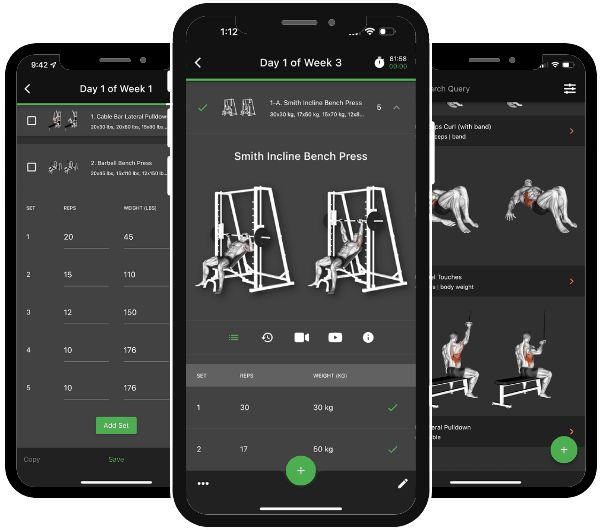
Achieve more with Fitwill: explore over 5000 exercises with images and videos, access built-in and custom workouts, perfect for both gym and home sessions, and see real results.
Start your journey. Download today!


Instructions
- Stand facing a wall and place both hands flat on it at about chest height.
- Step one foot back into a long split stance, with the back toes pointing forward and the back heel flat on the floor.
- Keep the front foot planted under the shoulder and bend the front knee slightly while the back leg stays straight.
- Square both hips toward the wall and keep your rear arch lifted only enough to stay natural, not collapsed.
- Brace lightly through your midsection and keep your chest tall as you begin to lean your body toward the wall.
- Shift forward until you feel a steady stretch through the back calf and down toward the Achilles tendon.
- Hold the end position without bouncing, breathing slowly while keeping the back heel heavy and the back knee straight.
- Ease out of the stretch by pushing gently away from the wall, then repeat on the other side with the same stance length and heel pressure.
Tips & Tricks
- If the back heel starts to lift, shorten the stance a little and reset before leaning farther forward.
- Keep the back toes pointed straight ahead; turning them out shifts the stretch away from the Achilles and into the calf differently.
- Think about moving your whole body toward the wall instead of folding at the waist, which keeps the stretch cleaner through the back leg.
- A soft bend in the front knee helps you find the ankle range without forcing the back heel to come off the floor.
- Keep the pelvis square; opening the back hip to the side usually means the stretch is leaking into a hip rotation drill instead.
- Use a slow exhale as you settle deeper into the stretch to reduce guarding in the calf and ankle.
- If you feel the stretch mostly in the arch or under the heel, back off and rebuild the stance so pressure stays on the lower calf and tendon.
- Hold long enough for the calf to relax, but do not chase pain or numbness in the foot.
Frequently Asked Questions
What muscle does Leaning Heel Back Achilles Stretch target most?
It mainly targets the calf complex and the Achilles tendon on the back leg.
Should the back knee stay straight in Leaning Heel Back Achilles Stretch?
Yes. A straighter back knee puts more of the stretch into the calf and Achilles. If you bend it too much, the stretch shifts away from the target.
How far should I stand from the wall?
Far enough that the back heel can stay flat while your front knee bends and your chest leans forward. If the heel pops up, step in closer.
Why is the back heel so important in Leaning Heel Back Achilles Stretch?
The heel staying down is what keeps the stretch on the back of the lower leg instead of letting you turn it into a toe-loaded lean.
Can I bend the front knee more to feel the stretch?
Yes, a small front-knee bend is normal. It lets your torso travel forward while the back leg stays long and the heel stays anchored.
Is Leaning Heel Back Achilles Stretch good before running or squats?
Yes, it can work well in a warmup if your calves feel tight or your ankles feel restricted. Keep the hold brief and controlled before training.
What should I do if I feel the stretch in my arch instead of my calf?
Shorten the stance and reduce the lean. That usually shifts the tension back toward the calf and away from the foot.
How long should I hold Leaning Heel Back Achilles Stretch?
A steady 20 to 30 second hold is a common choice, especially after training. Use a shorter hold in the warmup if you only need a quick mobility check.