Strongman Deadlift
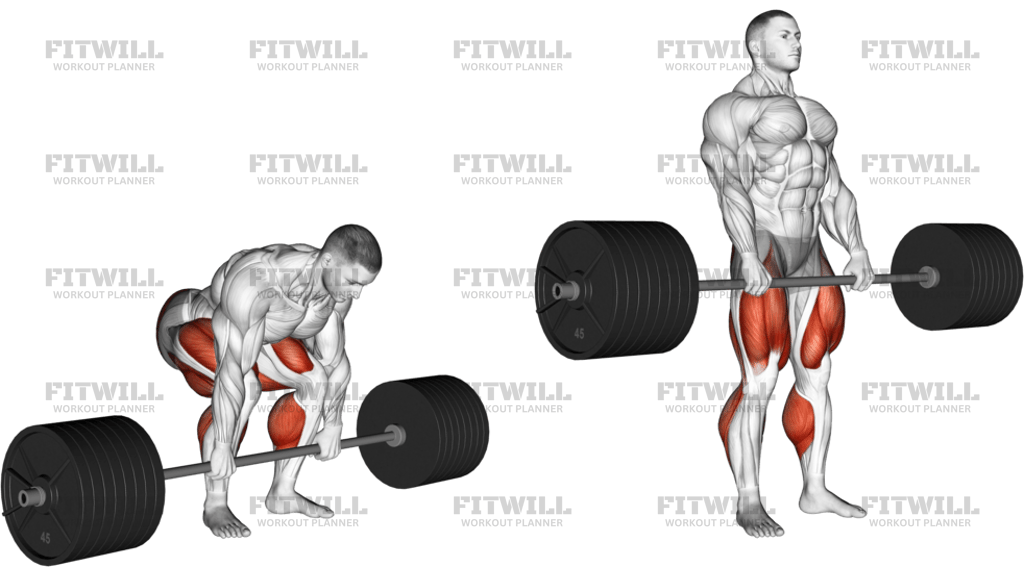
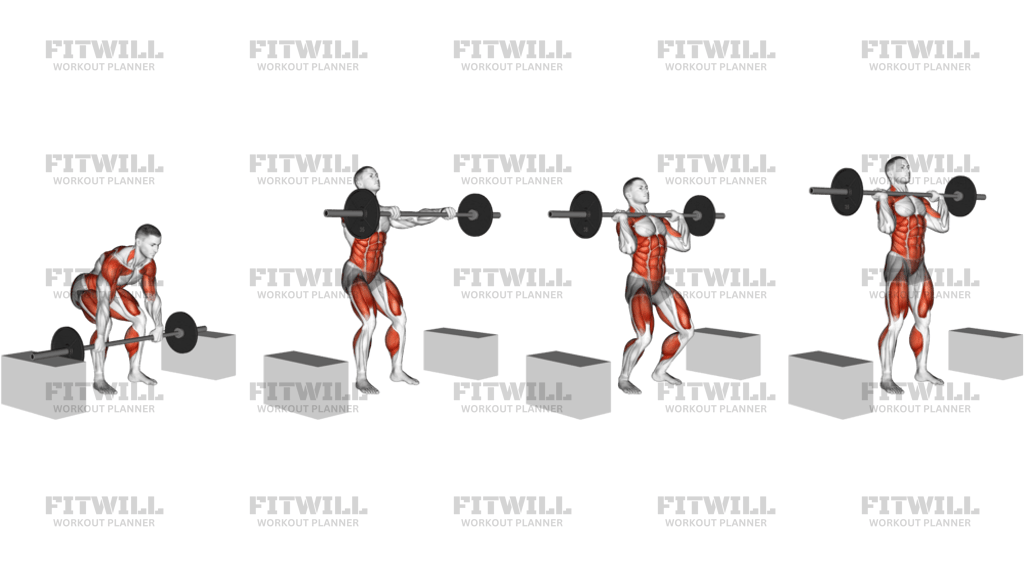
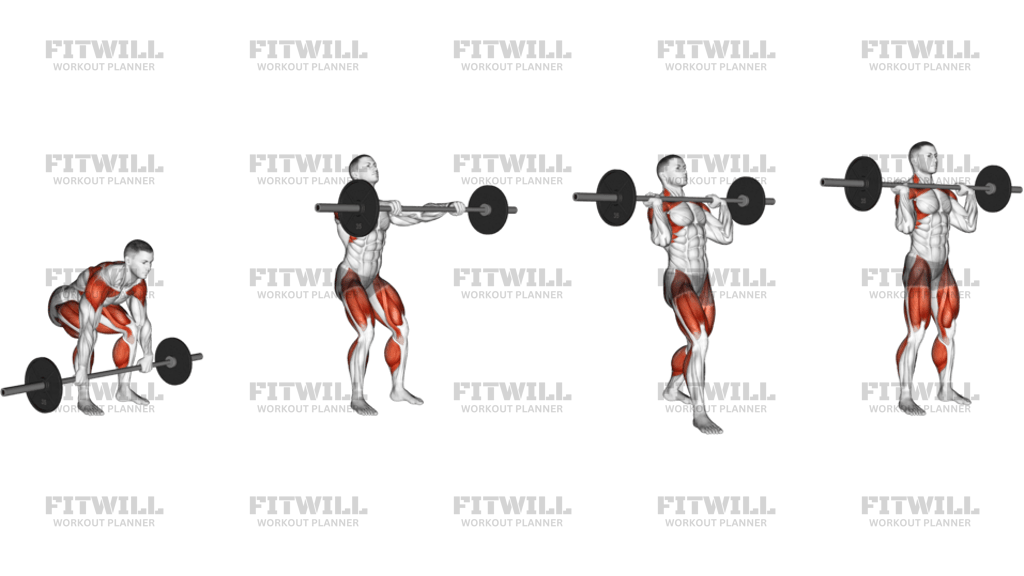
Strongman Deadlift is a heavy floor pull performed with a thick axle-style bar or strongman deadlift implement. The image shows a straight bar loaded with large plates, which makes the setup feel more demanding on the grip and upper back than a standard barbell deadlift. This is a compound hinge pattern built to train total-body force production, with the legs, glutes, hamstrings, spinal erectors, traps, and forearms all contributing to the lift.
The thick bar is part of what makes the exercise distinct. Because the bar is harder to hold, you have to set your hands, brace your torso, and lock your back position before the plates leave the floor. That extra demand is useful in strongman training, but it also makes the start position more important than the top of the lift. If the bar drifts forward or your chest collapses early, the pull becomes much less efficient.
A good strongman deadlift starts with the bar over midfoot, the shins close to the bar, and the hips set high enough to keep the spine long and the shoulders slightly in front of the bar. From there, the goal is to push the floor away, keep the bar close to the legs, and extend the hips and knees together until you stand tall. The lift should look powerful, but it should not be yanked off the ground or finished by leaning back.
Because the implement is thick and the load is usually substantial, this exercise is often used for maximal strength, grip development, and posterior-chain work. It is useful in strongman programming, but it also fits well in general strength training when you want a deadlift variation that challenges bracing and lockout control. The best reps are repeatable reps: the same setup, the same bar path, and the same finish every time.
Keep the descent deliberate and controlled so you can reset the hinge before the next rep. Lower the bar back to the floor by sending the hips back first, then bending the knees once the bar clears them. If your lower back rounds, the bar drifts away from your body, or the grip starts to fail before the hips finish, reduce the load and clean up the setup before adding weight again.
[ Workout Log & Planner ]
Put your next workout in Fitwill
Keep your plan and training log ready when you are.


Instructions
- Stand with the thick bar over your midfoot, feet about hip-width apart, and toes turned slightly out.
- Hinge down and bend your knees until your shins are close to the bar, then grip it just outside your legs.
- Set your chest up, pull your shoulders slightly in front of the bar, and brace your torso before the plates leave the floor.
- Drive your feet into the ground and push the floor away so the bar breaks from the floor without jerking.
- Keep the bar close to your shins and thighs as you extend your knees and hips together.
- Stand tall at the top with your glutes tight, ribs stacked, and shoulders level instead of leaning back.
- Lower the bar by hinging your hips back first, then bending your knees once the bar passes them.
- Reset your breath and body position on the floor before the next repetition.
Tips & Tricks
- The thick bar will limit grip before your legs do, so use chalk and pick a load you can actually hold from the floor to the lockout.
- Keep the bar brushing the legs on the way up; if it swings forward, the lift turns into a back-dominant pull.
- If your hips shoot up before the bar moves, set the hips a little lower and build more tension before you pull.
- Think about driving the floor away instead of yanking with the arms, which should stay straight the whole time.
- Take a breath and brace before each rep; once the plates leave the floor, keep the torso locked until you are standing tall.
- Do not shrug hard at the top. Finish by extending the hips, not by leaning back and overextending the low back.
- Lower the bar under control so you can reset your hinge and grip for the next repetition instead of bouncing the plates off the floor.
- If the bar starts drifting away from your shins, stop the set and reduce the load before the pattern breaks down.
Frequently Asked Questions
What muscle does Strongman Deadlift target most?
It primarily trains the glutes, hamstrings, spinal erectors, and upper back, with the forearms working hard because of the thick bar.
How is this different from a regular deadlift?
The strongman version usually uses a thicker bar or axle-style implement, so grip and upper-back tension become more limiting.
Where should the bar be before I pull?
Set the bar over the middle of your foot with your shins close to it so the pull starts from a balanced hinge.
Should my arms bend during the lift?
No. Keep the arms straight and use them like hooks while the legs and hips drive the bar upward.
Can I use straps on this movement?
Yes, if the goal is posterior-chain strength or heavy work. If grip is part of the goal, keep some sets strap-free.
What should I do if my lower back rounds?
Reduce the load, raise the hips slightly, and reset your brace so the bar stays close and the spine stays long.
Is this exercise beginner friendly?
Yes, if you start light and can hold the bar with a stable hinge, but the thick bar makes it more demanding than a standard deadlift.
Where should I feel the top of the rep?
You should finish with the glutes locked in and the torso stacked, not with a hard lean-back or shrug.