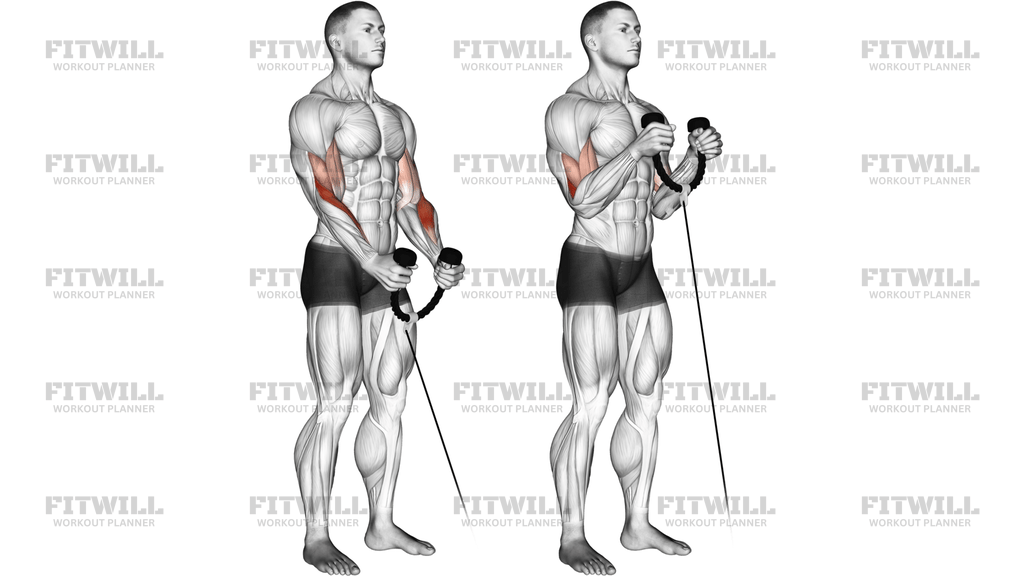
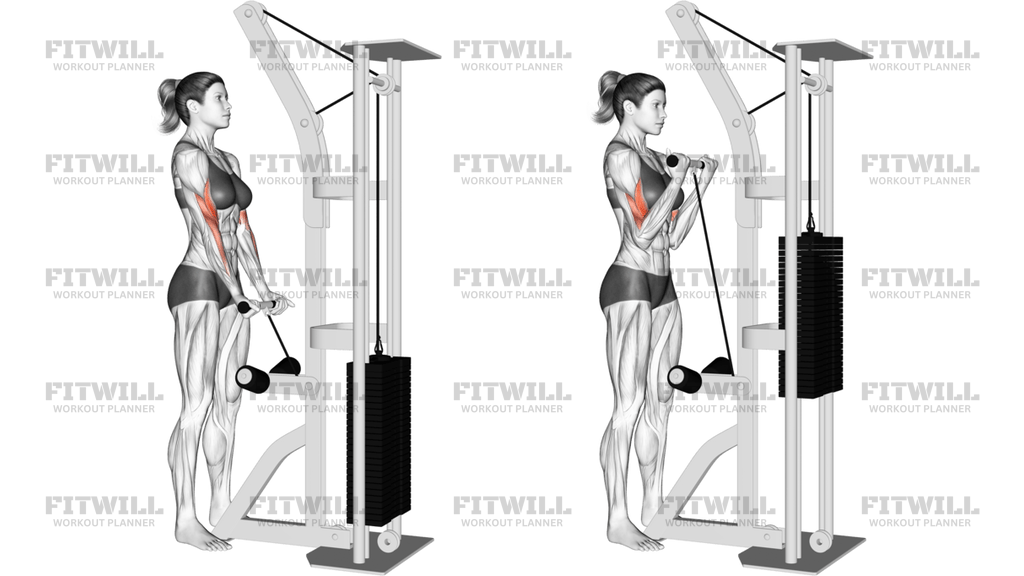
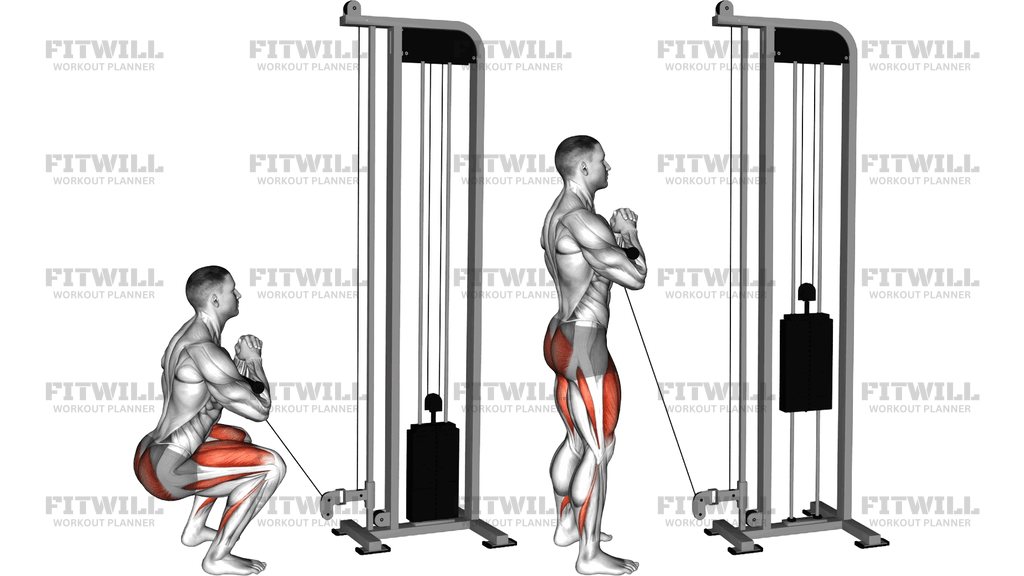
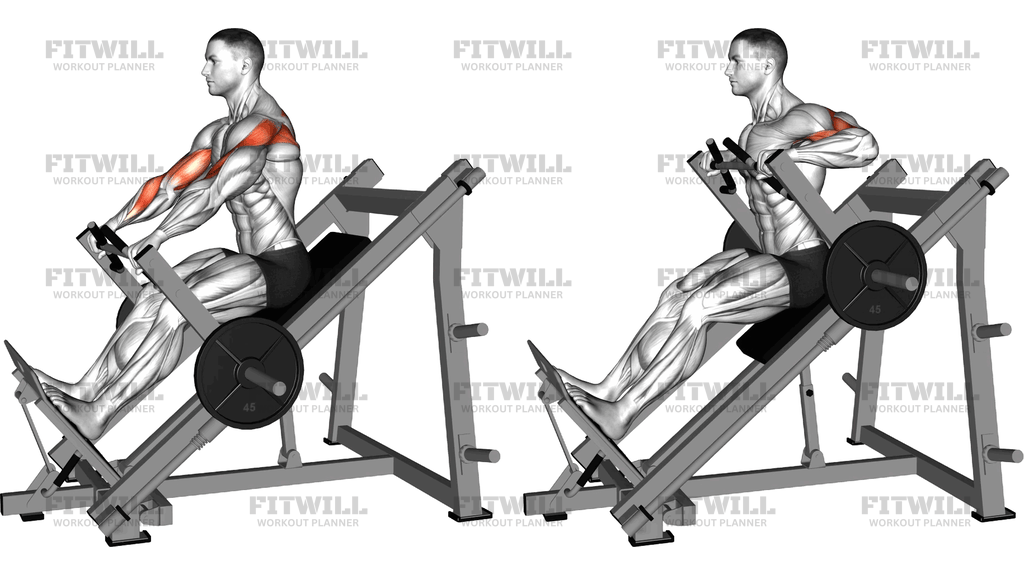
Cable Reverse One-Arm Curl
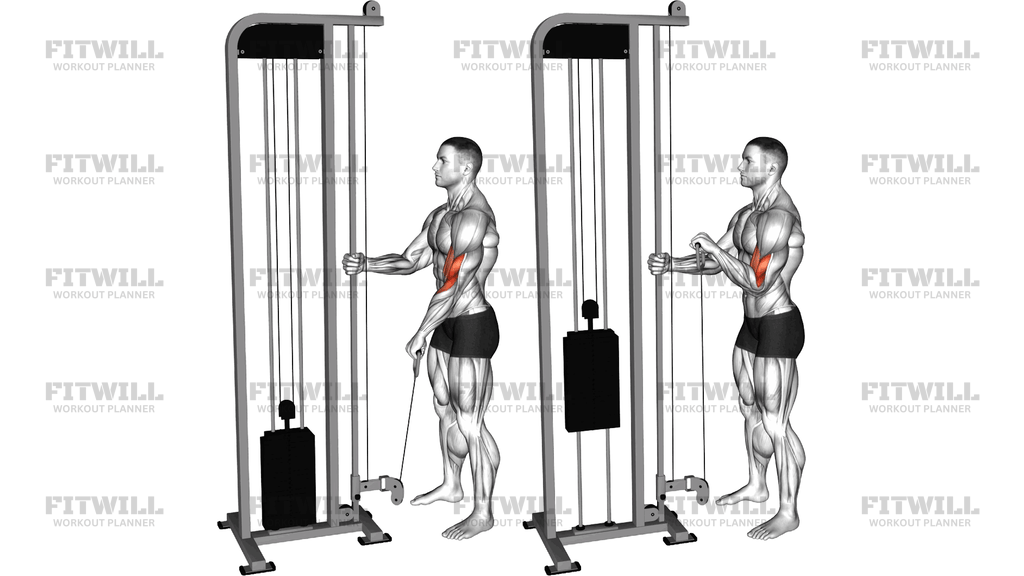
Cable Reverse One-Arm Curl is a single-arm cable curling movement performed with an overhand grip and a low pulley. It is used to load the elbow flexors and forearm musculature in a very controlled path, which makes it a useful accessory exercise when you want direct arm work without the free-weight swing that often shows up in standing curls.
The reverse grip shifts the feel away from a classic palm-up curl and toward the brachioradialis, brachialis, and forearm flexors, while the biceps still help finish the rep. That makes Cable Reverse One-Arm Curl a good choice when you want more forearm-heavy elbow flexion, better grip awareness, and cleaner left-to-right loading than a two-arm variation.
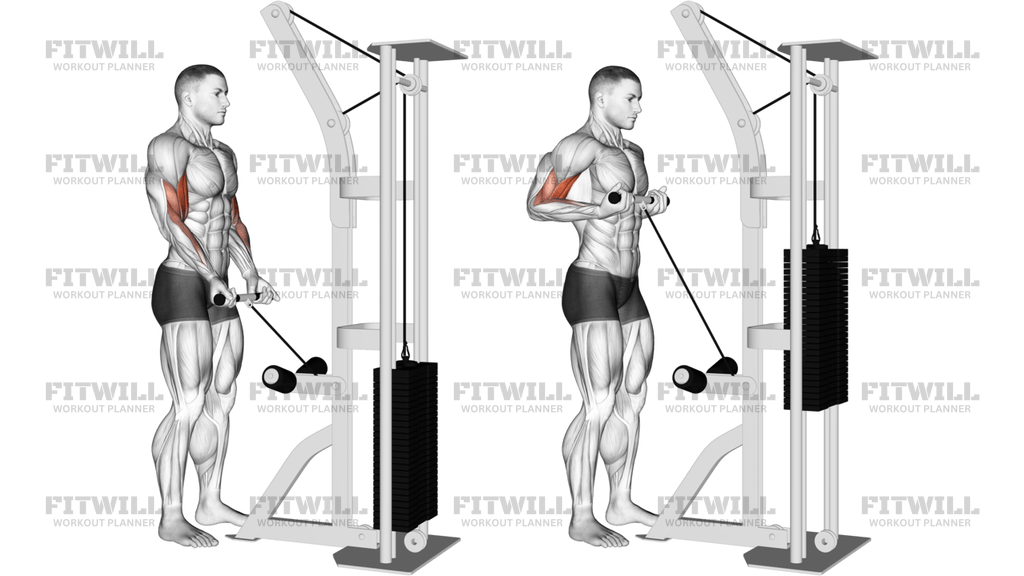
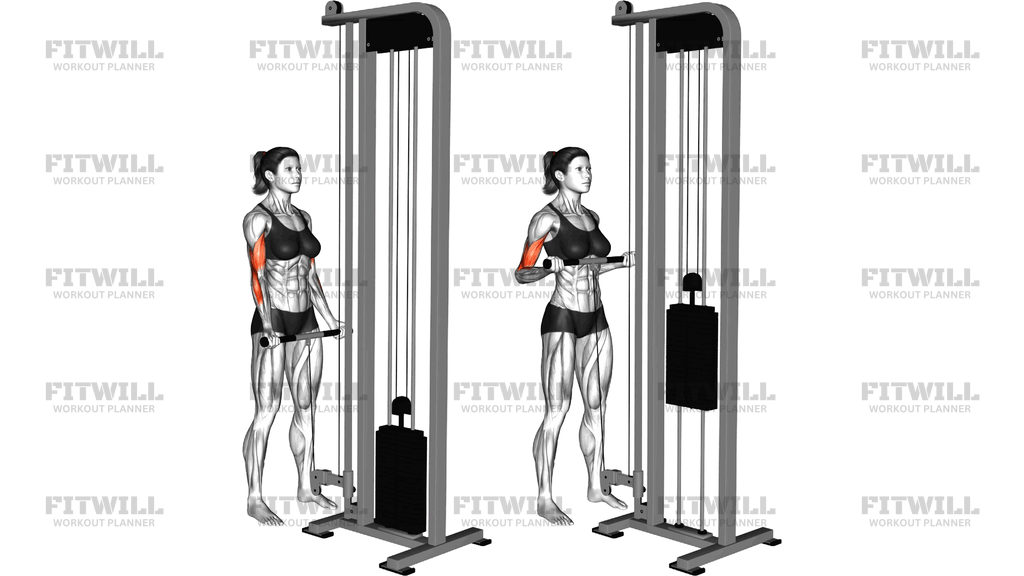
The setup matters because the cable must stay loaded from the bottom position. Stand beside the stack, hold the handle with your palm facing down, and let the working arm hang slightly in front of your thigh before you start the first rep. If you stand too close, the cable goes slack; if you lean back or twist, the movement turns into a body English curl instead of a strict arm exercise.
Each repetition should stay anchored at the elbow. Curl the handle upward by bending the arm, keep the upper arm quiet, and avoid letting the shoulder roll forward or the wrist fold back. At the top, the handle should come toward the front of the shoulder or upper chest with the forearm nearly vertical, then lower under control until the arm is straight again and the cable tension is back in the bottom position.
This exercise fits well in arm day work, upper-body accessory blocks, or any session where you want single-sided elbow flexion with a cable's constant tension. It is also useful when one side is weaker or less coordinated than the other, because the one-arm setup makes compensations obvious. Keep the load honest, the torso still, and the range smooth so the forearm and upper arm do the work instead of momentum.
Fitwill
Log Workouts, Track Progress & Build Strength.
Achieve more with Fitwill: explore over 9600 exercises with images and videos, access built-in and custom workouts, perfect for both gym and home sessions, and see real results.
Start your journey. Download today!




Instructions
- Attach a single handle to a low cable pulley and stand side-on to the stack with enough space for the cable to stay tight at the bottom.
- Grip the handle with one hand using a pronated, palm-down grip and let the arm hang straight in front of your thigh.
- Set your feet firmly, keep your chest tall, and let the free hand rest behind your back or on your hip so the torso stays quiet.
- Keep your working elbow close to your side and your wrist stacked over the forearm before the first rep starts.
- Curl the handle upward by bending only at the elbow and keep the upper arm from drifting forward.
- Bring the handle toward the front of your shoulder or upper chest until the forearm is nearly vertical.
- Pause briefly at the top without shrugging the shoulder or letting the wrist bend back.
- Lower the handle slowly until the arm is almost straight and the cable pulls from the bottom again.
- Inhale on the way down, exhale as you curl up, and reset your posture before the next repetition.
Tips & Tricks
- Stand far enough from the stack that the cable still pulls on your arm when it reaches full extension.
- Keep the knuckles, wrist, and forearm in one line so the handle does not fold your wrist back at the top.
- A lighter load usually works better here than on a normal curl because the pronated grip removes some leverage.
- If your shoulder drifts forward on the way up, pin the elbow a little closer to your ribs and shorten the range slightly.
- Use a slow lowering phase so the forearm keeps working after the top contraction is over.
- Avoid twisting your torso to finish the rep; that usually means the cable is too heavy or you are too close to the stack.
- Keep the free hand out of the way so it does not help the pulling side with hidden momentum.
- Stop the set when the cable starts bouncing the weight stack instead of your forearm controlling the handle.
Frequently Asked Questions
What muscles does Cable Reverse One-Arm Curl train?
It emphasizes the brachioradialis and brachialis while the biceps still assist, so the exercise feels heavier through the forearm side of the arm than a palm-up curl.
Should my palm face up or down on Cable Reverse One-Arm Curl?
Palm down. The pronated grip is the point of the exercise and is what shifts the work toward the forearm and upper-arm elbow flexors.
How far should I stand from the cable stack?
Far enough that the handle is still pulling your arm at the bottom, but not so far that you have to lean back. The cable should stay loaded without forcing your torso to cheat.
Why does Cable Reverse One-Arm Curl feel different from a regular curl?
The overhand grip reduces biceps advantage and puts more demand on the brachioradialis and brachialis, so the top of the rep feels less like a chest-high curl and more like a forearm-driven arm flexion.
Is Cable Reverse One-Arm Curl good for beginners?
Yes, if the load is light and the elbow stays pinned near the ribcage. Beginners usually benefit from the cable's smooth resistance because it makes cheating obvious.
What is the biggest form mistake on this movement?
Letting the shoulder roll forward or the torso twist to finish the curl. That usually means the cable is too heavy or the stance is too loose.
Can I use an EZ bar or straight bar instead?
Yes, but the single handle and one-arm setup make it easier to keep the elbow path strict. A bar version removes some of that side-to-side control.
Where should I feel the top of Cable Reverse One-Arm Curl?
You should feel the front and thumb-side of the forearm working hard, along with the elbow flexors. If the wrist or shoulder feels like the limiter, reduce the load and clean up the path.