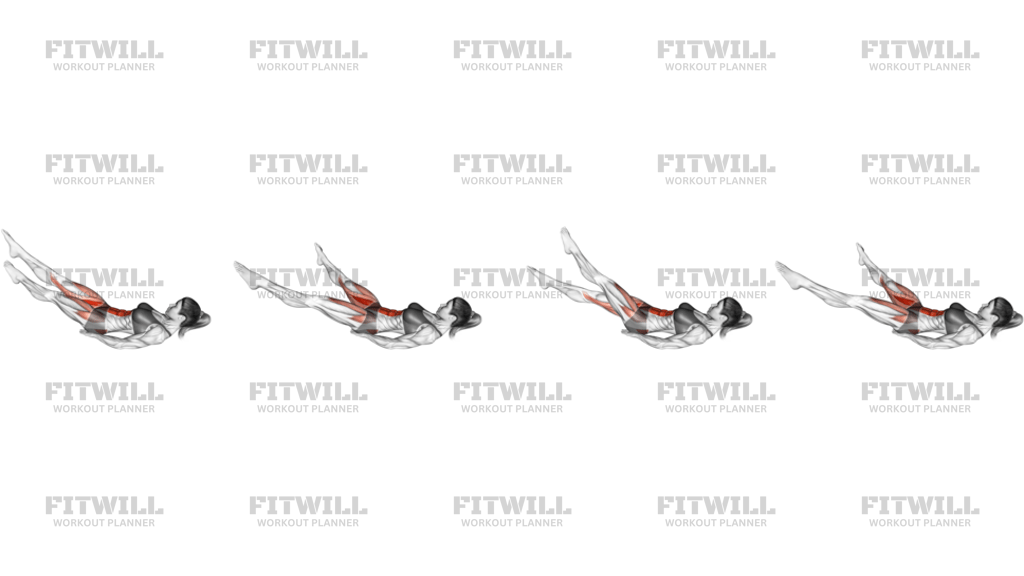
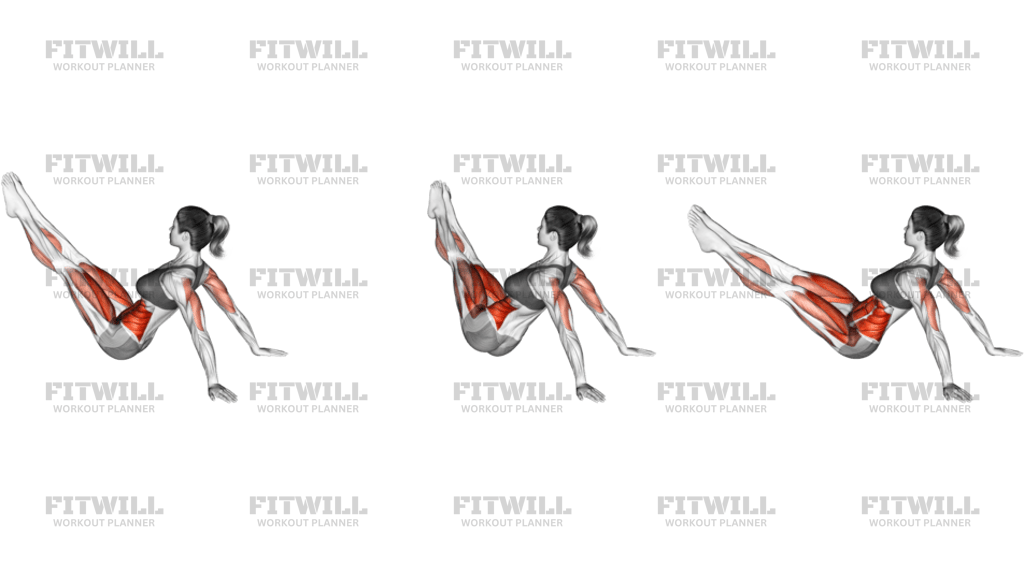
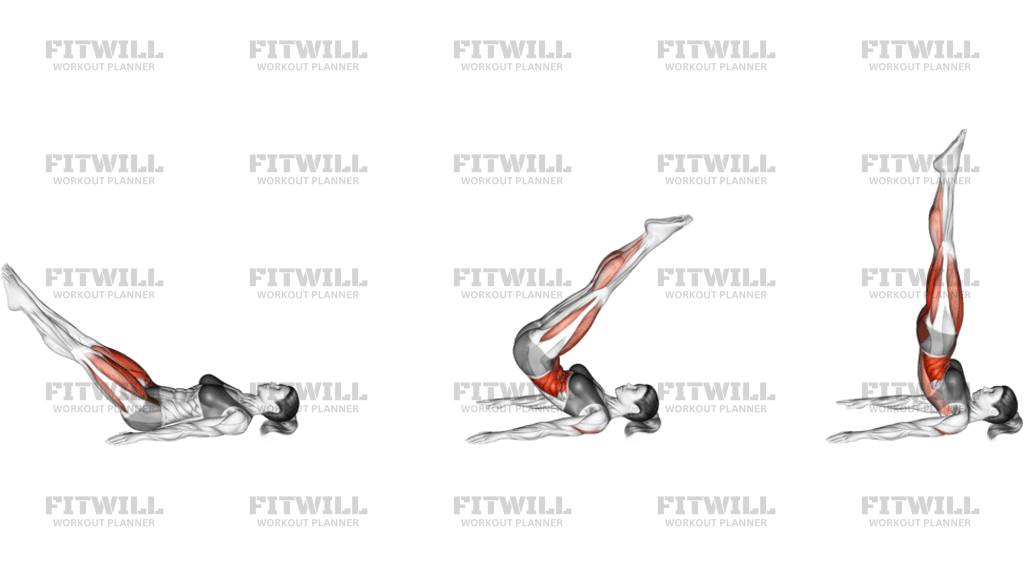
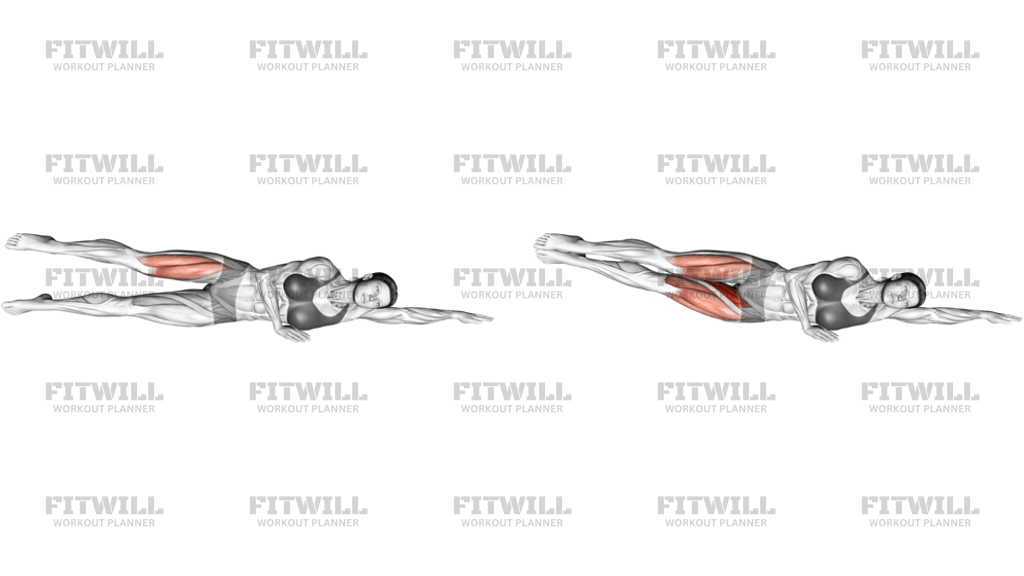
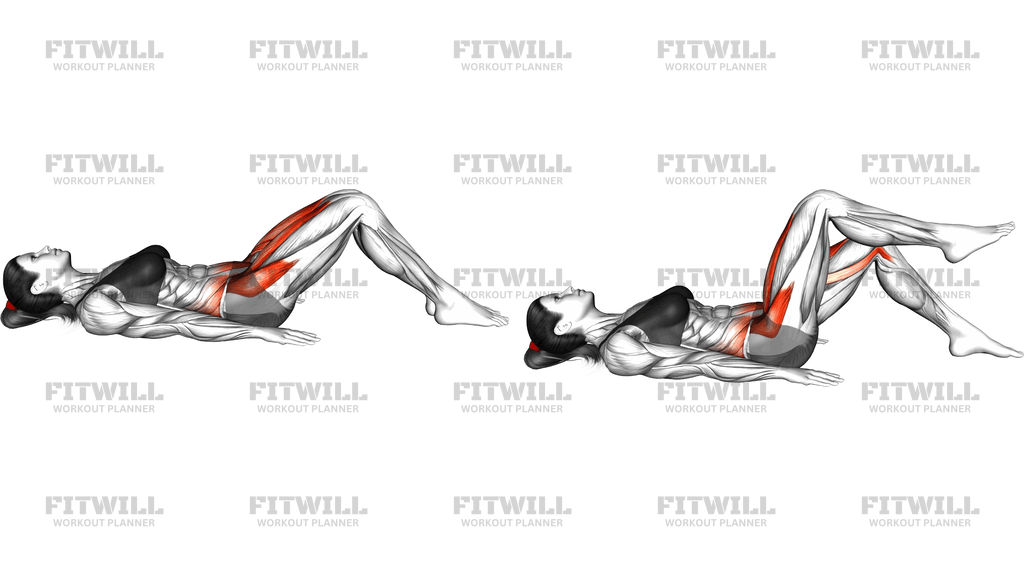
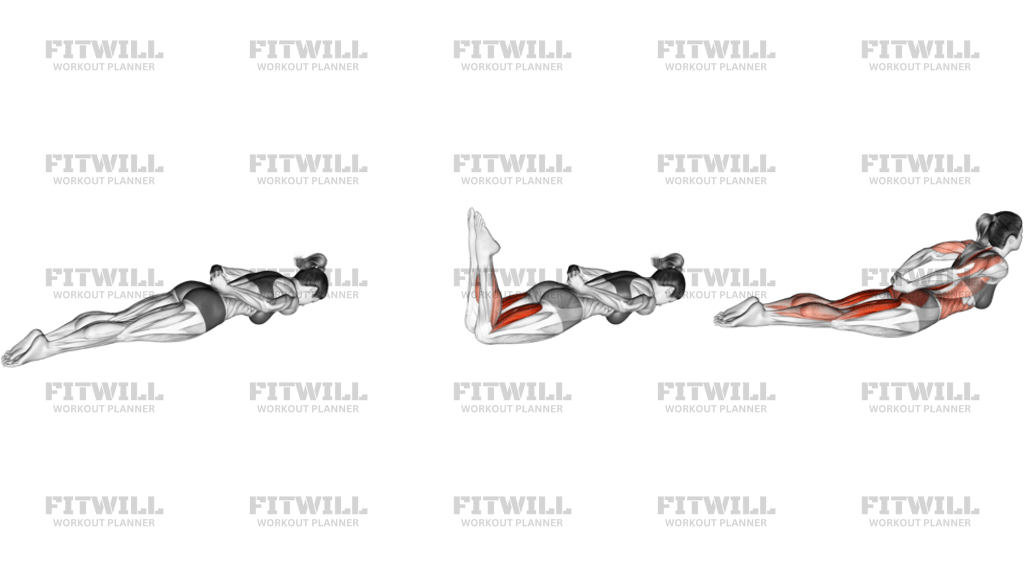
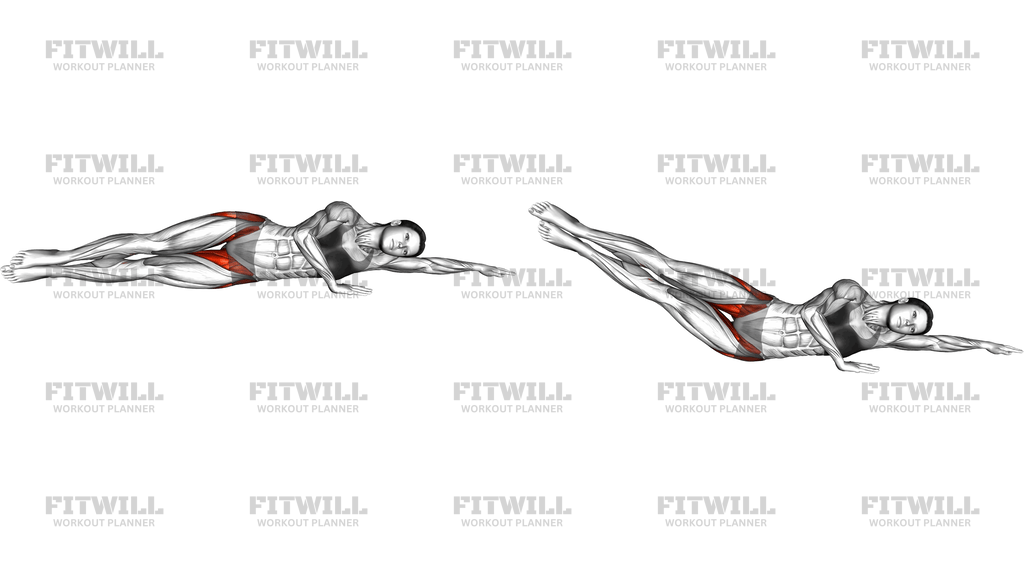
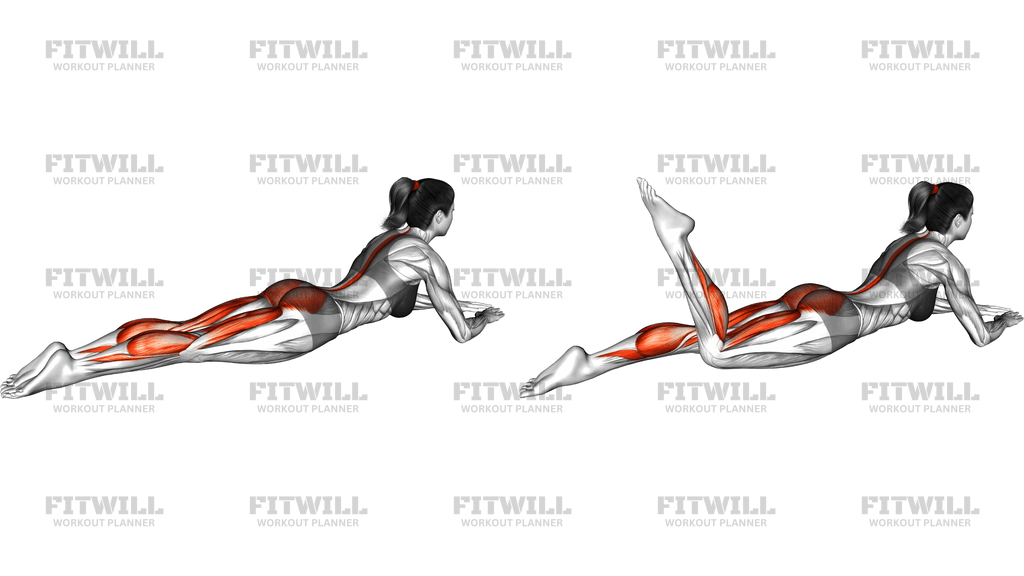
Rocker With Open Legs
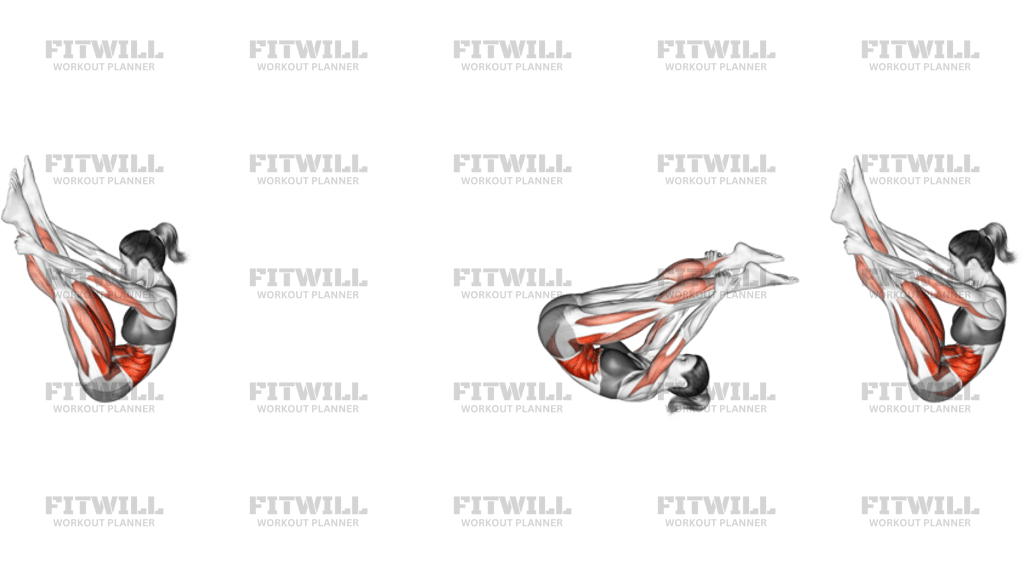
Rocker With Open Legs is a classic Pilates mat exercise performed from a seated balance with the legs lifted and opened into a V shape. From that rounded starting position, you rock back onto the lower spine and then return to a controlled balance on the sit bones without losing the open-leg position. The exercise is bodyweight only and depends on precision, timing, and trunk control more than force.
This variation trains deep abdominal control, spinal articulation, balance, and hamstring length under tension. The open-leg position makes the movement more demanding because each leg has to stay active while the pelvis remains organized. If the knees collapse inward, the feet drop, or the torso swings, the exercise stops feeling like a Pilates control drill and starts turning into momentum work.
Setup matters because the first position decides whether the rep feels stable or wobbly. Sit tall first, then round the spine into a controlled C-curve, hold the ankles or lower legs, and find your balance point on the sit bones. Keep the chest open, shoulders relaxed, and neck long so the roll happens through the spine instead of dumping into the neck or lower back.
Use a smooth breathing rhythm and rock only as far as you can maintain the open legs and steady return. In Pilates, the goal is a clean, repeatable arc, not a bigger swing. This movement is often used as a progression after simpler rocker or roll-up work, or as part of a control-focused core sequence when you want balance, spinal mobility, and abdominal coordination in the same drill.
If your hamstrings are tight or your balance is still developing, shorten the range, soften the knees slightly, or keep the rocking smaller until you can return without jerking. The best rep keeps the shoulders calm, the pelvis controlled, and the legs separated from start to finish.
[ Workout Log & Planner ]
Put your next workout in Fitwill
Keep your plan and training log ready when you are.


Instructions
- Sit on a mat with your weight balanced on the sit bones, then lift both legs and open them into a comfortable V shape.
- Hold the ankles or lower legs, round the spine into a controlled C-curve, and keep the chest broad rather than collapsing forward.
- Find a stable balance point before you rock, with the shoulders relaxed and the neck long.
- Keep the legs active as you roll back, and let the movement travel only as far as you can control.
- Use your abdominal wall to bring the body back to the balance point instead of swinging the legs.
- Maintain the open-leg position as you return, keeping the knees from drifting inward.
- Breathe smoothly through each rock so the torso stays organized and the movement does not rush.
- Repeat for the planned number of reps, then lower the feet with control when the set is finished.
Tips & Tricks
- Hold the ankles only as a guide; do not pull yourself through the rock with the arms.
- Keep the legs open enough to challenge balance, but not so wide that the pelvis tucks or twists.
- Think about rolling onto the lower part of the back, not onto the neck or top of the shoulders.
- A smaller, cleaner rocking arc is better than a bigger swing that breaks the C-curve.
- If the feet drift lower on the return, shorten the range before you add more speed.
- Keep the chin gently tucked so the back of the neck stays long during the backward roll.
- Exhale to bring yourself back to balance and inhale as you rock away if that rhythm helps you stay organized.
- If the hamstrings are tight, allow a small bend in the knees rather than forcing the legs straighter.
Frequently Asked Questions
What does Rocker With Open Legs work the most?
It primarily challenges the deep abdominals and spinal control, with the hip flexors and hamstrings helping maintain the lifted open-leg position.
Can beginners perform this exercise?
Yes, but beginners should keep the rocking range small and may need a slight knee bend until the balance pattern feels stable.
Where should I hold my legs during the setup?
Hold the ankles or lower legs in a way that keeps the chest open and the shoulders relaxed; avoid yanking on the feet.
Why do the legs stay open instead of together?
The open-leg shape increases the balance challenge and forces the pelvis and trunk to stay organized while each leg stays active.
How far back should I rock?
Only as far as you can keep the neck long, the legs open, and the return smooth; the movement should feel controlled, not like a fall.
What is the most common mistake?
Letting momentum take over, closing the legs, or collapsing into the neck are the biggest form breaks.
Can I bend my knees if my hamstrings are tight?
Yes. A small knee bend is better than forcing straight legs and losing the rounded spine or the open-leg position.
Should I feel this in my neck?
No. You may feel the midline abs, hip flexors, and hamstrings working, but neck strain usually means the range is too large or the chin is not tucked enough.