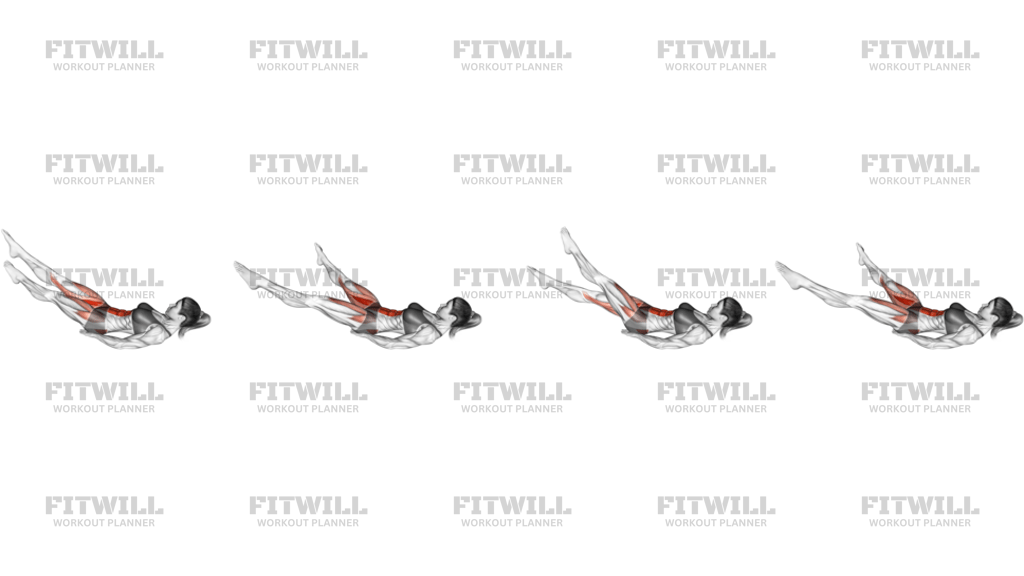
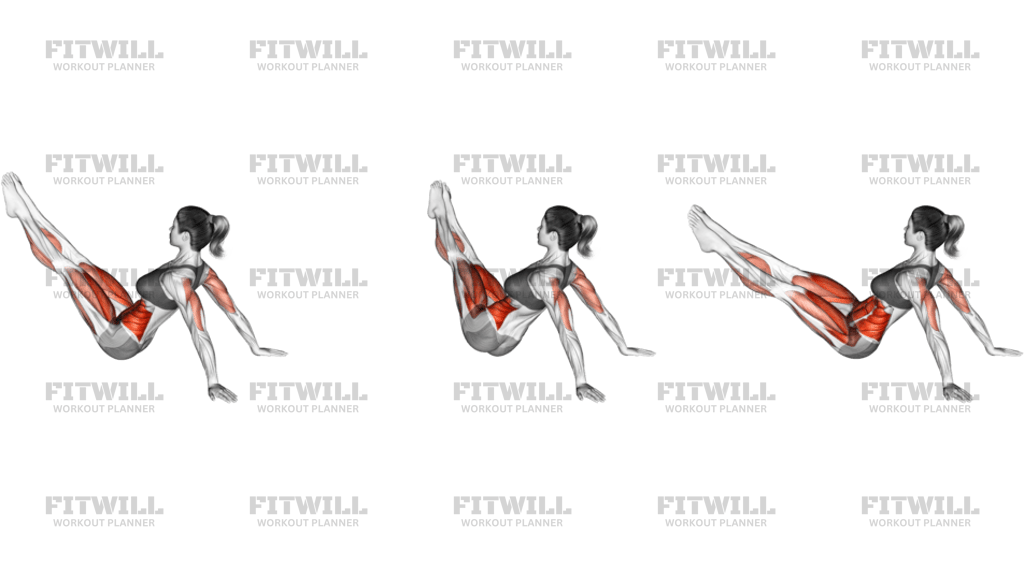
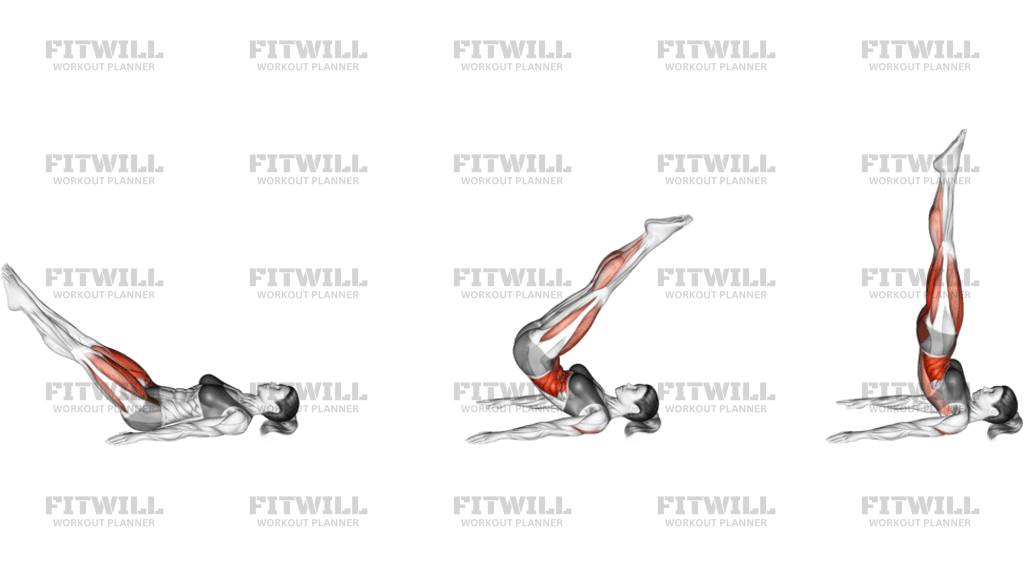
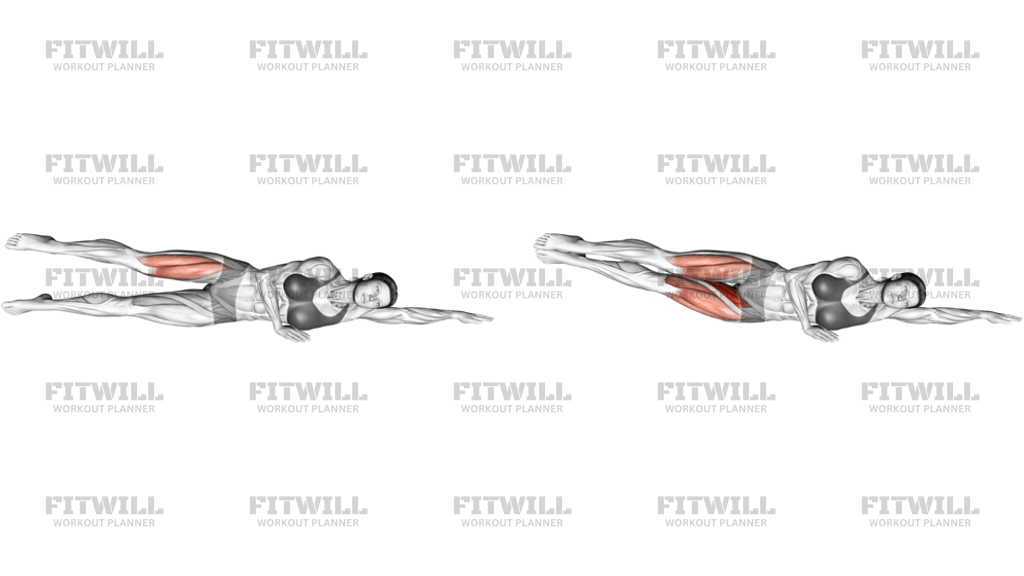
Side Kick
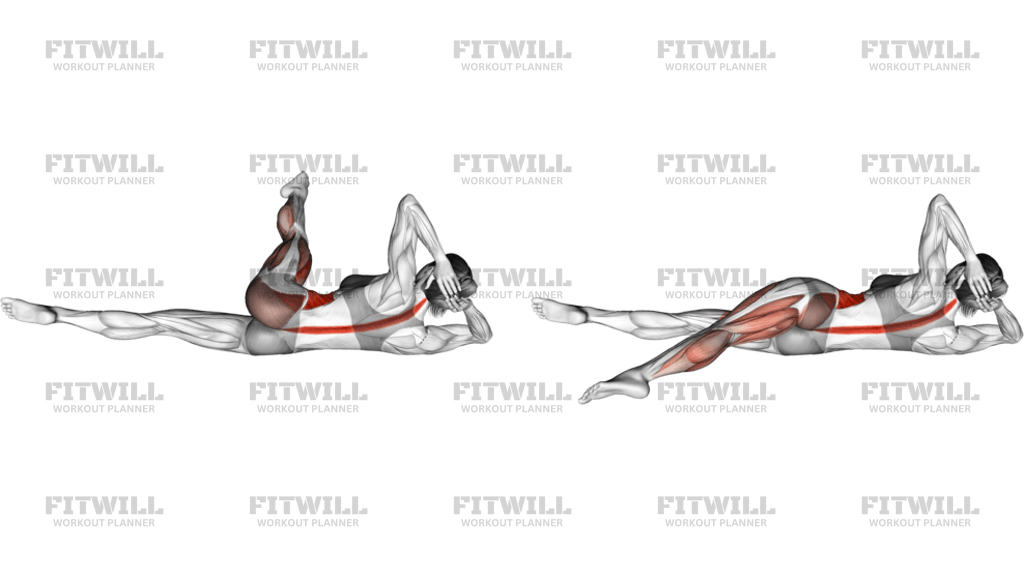
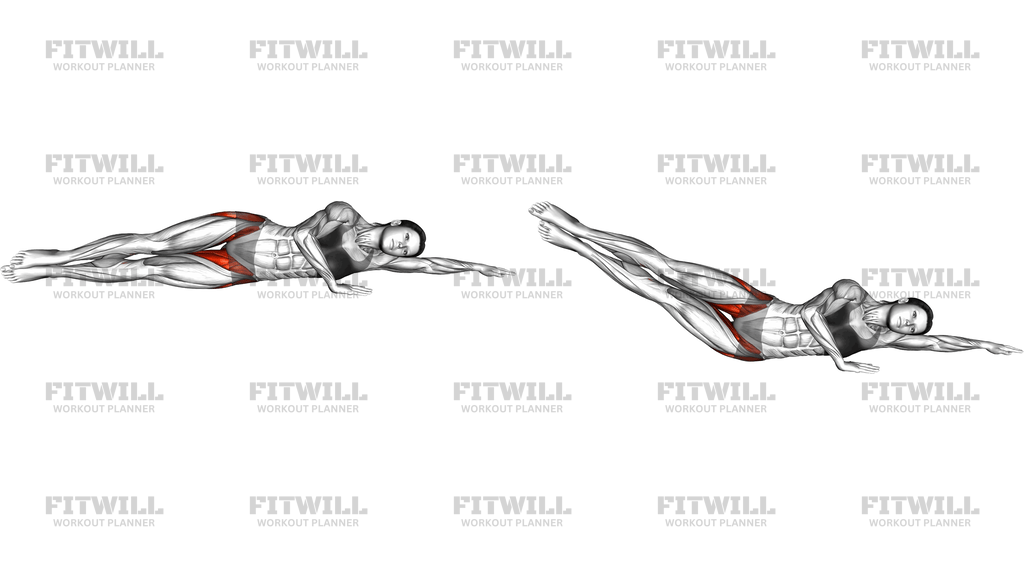
Side Kick is a classic Pilates side-lying leg series performed with body weight and no external load. The torso stays long and quiet while one leg moves through controlled kicks, swings, or small lifts in front of and behind the body. The exercise is used to build hip control, pelvic stability, and the kind of slow coordination that Pilates work is known for.
This movement asks the supporting side of the body to stay organized while the top leg moves freely. The bottom waist should stay lifted, the pelvis should remain stacked, and the rib cage should not roll backward as the leg travels. That makes Side Kick useful for teaching control through the hip joint instead of letting the lower back or momentum do the work.
Because the range is small and the body is already on the floor, the setup matters more than load. You want a straight line from head to feet before the leg starts moving, with the head supported by the lower arm and the upper hand helping keep the torso stable. Once that position is set, the working leg can swing forward and back without disturbing the rest of the body.
The exercise is often used in Pilates classes, warmups, and accessory work when the goal is clean hip motion rather than raw strength. It can be especially helpful for people who want better glute activation, outer-thigh control, and pelvic awareness during single-leg movement. If the kick becomes large enough to twist the trunk or arch the back, the range is too big.
Keep the tempo deliberate, breathe evenly, and let every rep look almost identical. Side Kick should feel precise and controlled, not aggressive. The best reps are the ones where the pelvis stays stacked, the torso stays relaxed, and the leg moves through a smooth arc without the body rocking to help it.
[ Workout Log & Planner ]
Put your next workout in Fitwill
Keep your plan and training log ready when you are.


Instructions
- Lie on one side with your head supported by the lower arm and your body in one long line from head to feet.
- Stack your shoulders and hips, then slightly lift the waist away from the floor so the torso stays active and long.
- Place the top hand lightly in front of your chest or on the floor for balance, and keep both legs extended.
- Set the bottom leg long on the floor and position the top leg slightly forward of the hip to start the series.
- Brace your midsection and keep the pelvis from rolling backward as the top leg begins to move.
- Swing the top leg forward under control to the comfortable end of your range without letting the trunk follow it.
- Reverse the motion and sweep the leg back behind the body with the same control, keeping the thigh and foot long.
- Pause briefly at each end of the arc, then continue for the planned reps before switching sides.
Tips & Tricks
- Keep the waist lifted off the floor so the lower side does not collapse as the leg swings.
- Let the leg travel only as far as the pelvis can stay stacked; a smaller range is better than a rolling torso.
- Reach long through the heel to keep the knee from bending and the hip from shortening the motion.
- If the lower back arches when the leg goes behind you, shorten the backward swing immediately.
- Use the top hand only for light balance, not for pushing the chest open or twisting the rib cage.
- Move with a smooth front-to-back rhythm instead of kicking fast or snapping the leg through the range.
- Exhale as the leg moves away from center and inhale as you control it back through the middle.
- Stop when the side waist, outer hip, or hip flexor starts taking over and you lose the stacked position.
Frequently Asked Questions
What does the Side Kick series train?
It trains hip control, pelvic stability, outer-thigh coordination, and core control while the top leg moves independently of the torso.
Should my torso move when the leg kicks forward and back?
No. The body should stay stacked and quiet while only the top leg swings through the arc.
How far should I kick the top leg behind me?
Only as far as you can keep the pelvis from tipping and the lower back from arching.
Where should my top hand be during Side Kick?
It should rest lightly in front of the chest or on the floor for balance without pulling the torso out of position.
Is Side Kick a good beginner Pilates exercise?
Yes, if the range is small and the focus stays on control rather than height or speed.
What usually causes the exercise to feel sloppy?
The most common issue is letting the pelvis roll backward when the leg reaches forward or letting the low back arch when it goes behind.
Can I use this to work my glutes and outer hips?
Yes. The side hip and glute area help control the leg, especially when you keep the waist lifted and the pelvis steady.
How many reps should I do per side?
Use a controlled rep count that lets every kick look the same, usually in a moderate Pilates-style set.