Shoulder Bridge
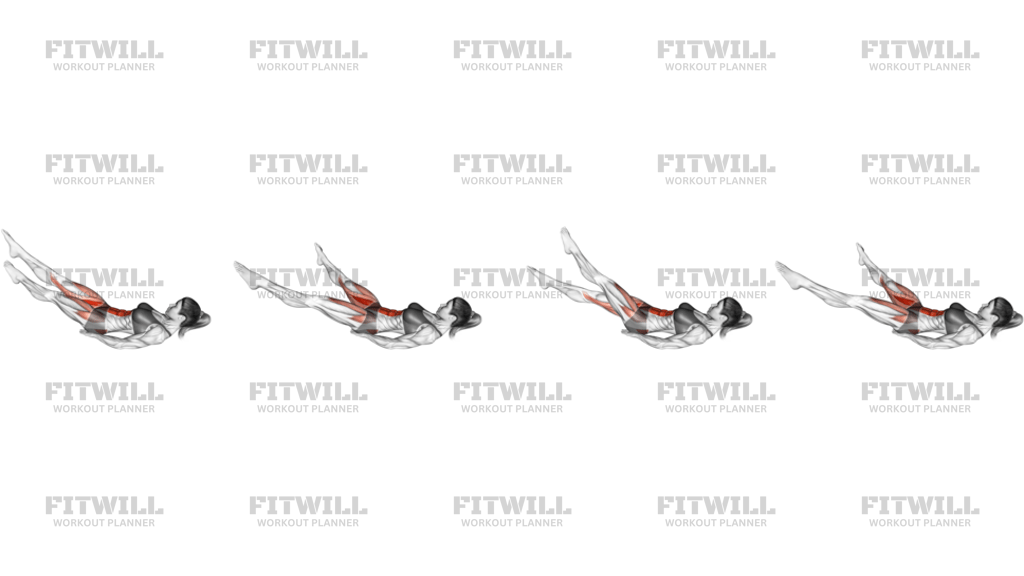
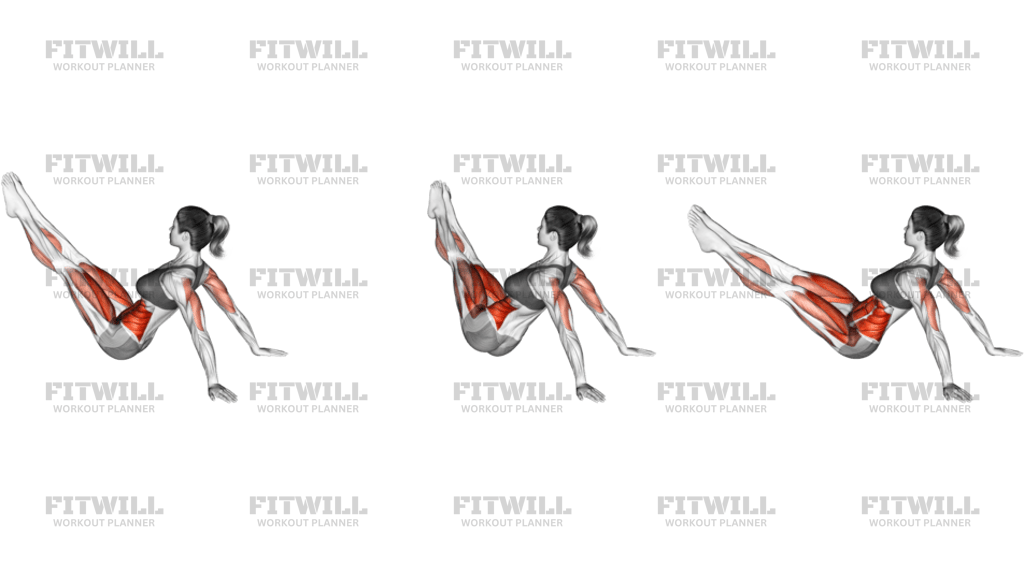
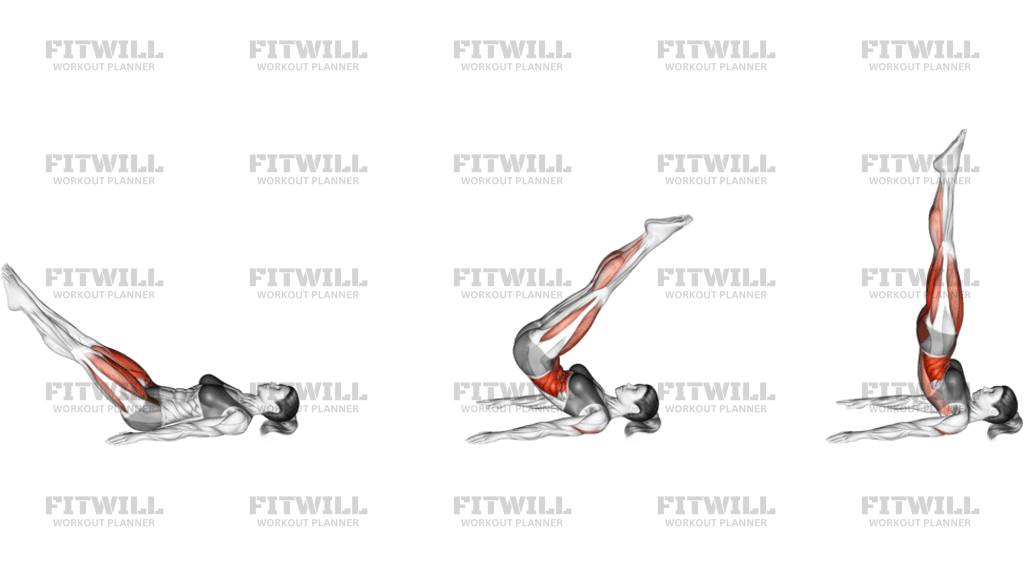
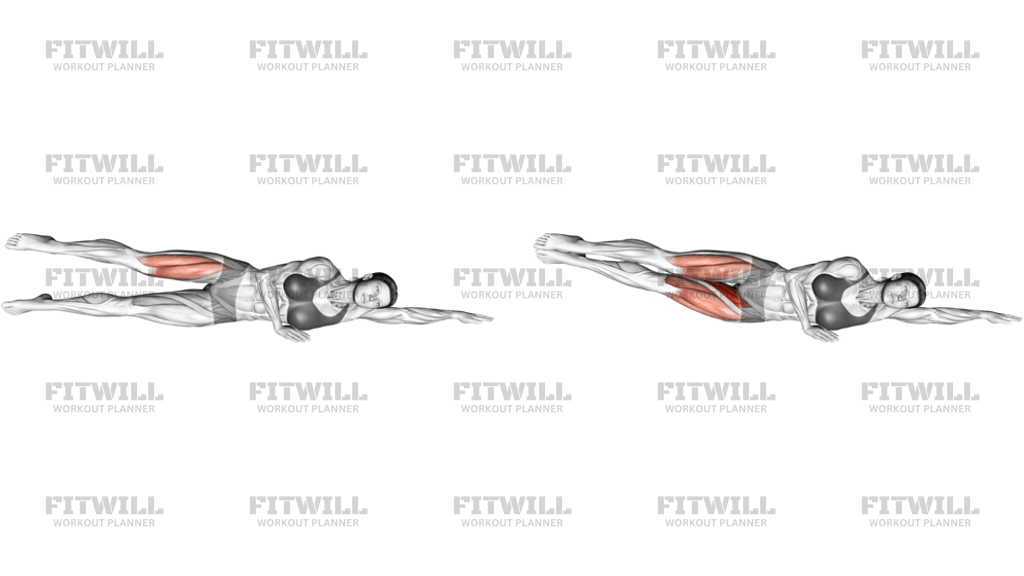
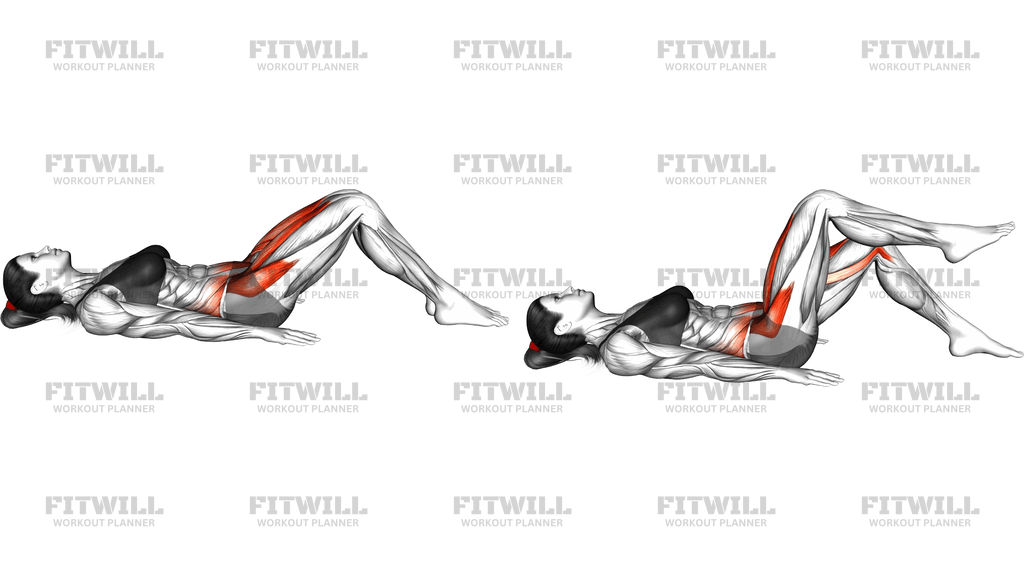
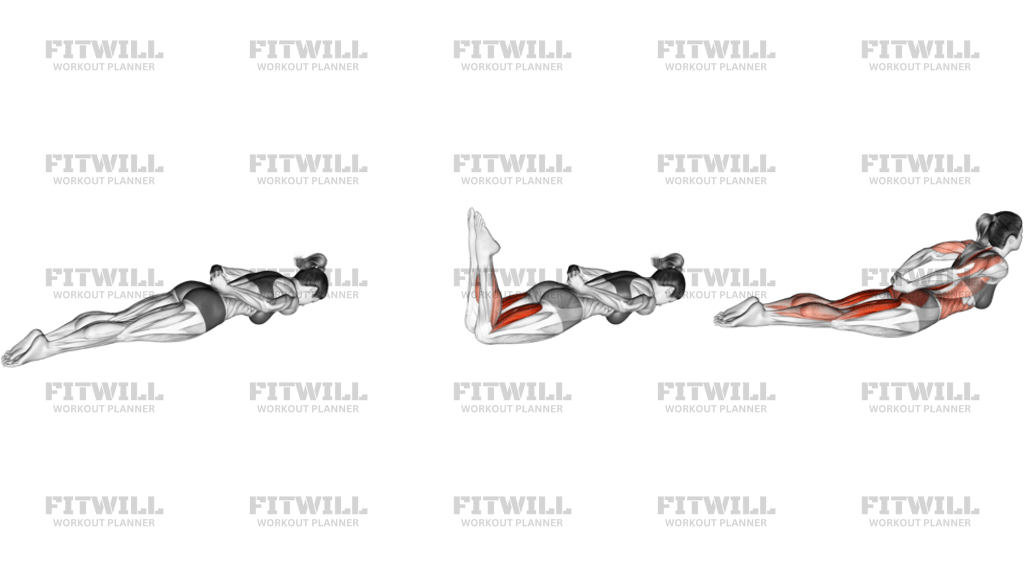
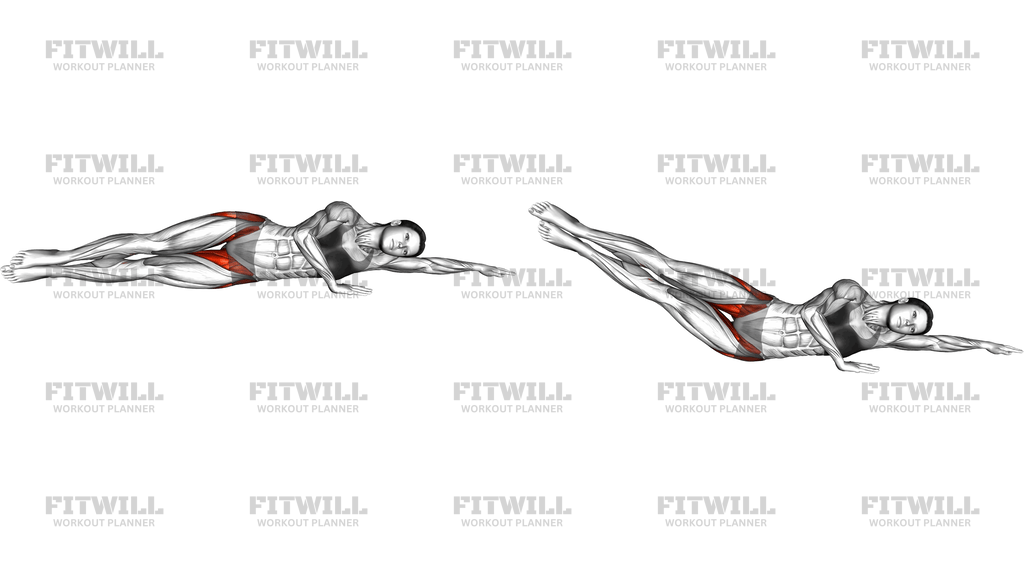
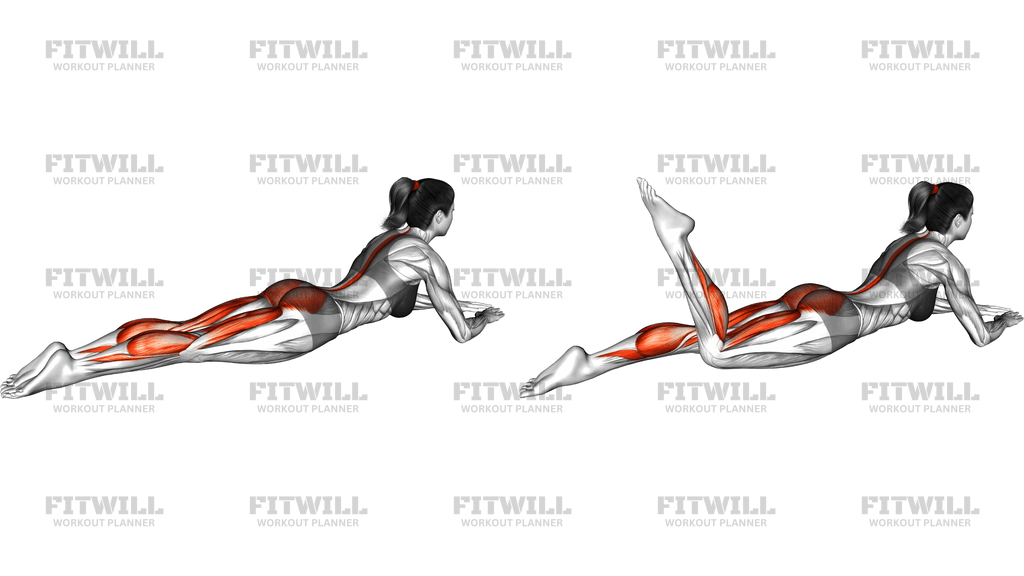
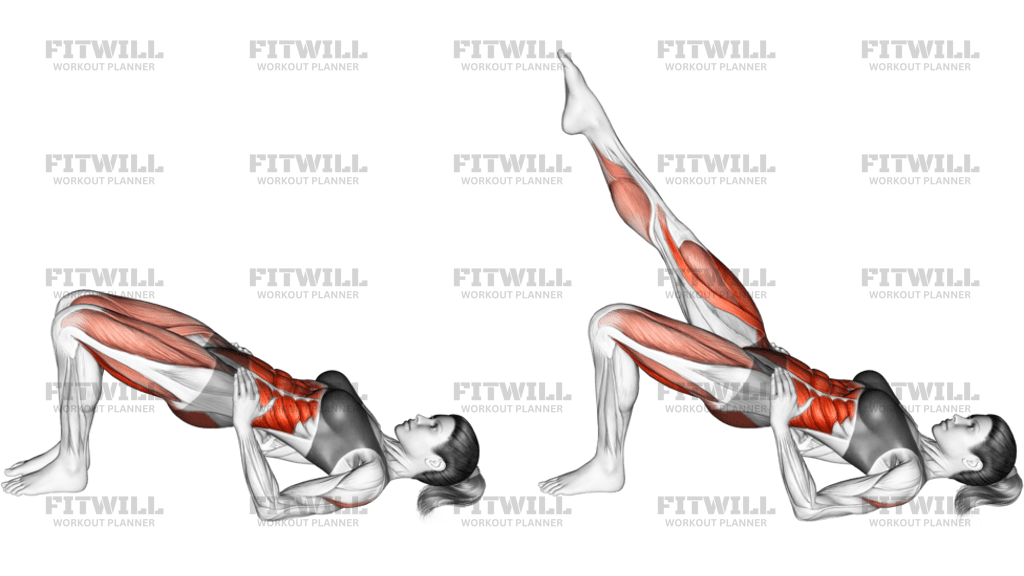
Shoulder Bridge is a Pilates mat bridge performed from a supine position with the feet grounded and the pelvis lifted under control. The exercise trains the posterior chain and trunk to work together so the hips can rise, hold, and lower without the ribs flaring or the lower back taking over. In the image, the movement is shown both as a double-leg bridge and as a single-leg variation, which makes the exercise useful for building basic hip extension and then challenging pelvic control on one side at a time.
The setup matters because the starting position determines whether the lift comes from the glutes and hamstrings or from momentum. Lying on your back, the shoulders stay wide on the mat, the neck stays long, and the feet stay planted so the pressure can pass through the heels and midfoot. From there, the pelvis peels off the floor segment by segment, creating a clean bridge line from shoulders to knees. That articulated lift is the hallmark of the shoulder bridge and is more controlled than simply thrusting the hips upward.
Once the hips are elevated, the body should feel organized rather than compressed. The ribs stay stacked over the pelvis, the abdomen stays active, and the top position is held long enough to own the shape without shrugging into the neck or over-arching the lumbar spine. In the single-leg version, one leg reaches upward while the pelvis stays level, so the standing side has to resist rotation and keep the bridge steady. If the hips wobble, the range is too big or the variation is too advanced.
This movement is commonly used in Pilates sessions, warmups, and accessory work because it teaches hip extension, spinal articulation, and unilateral pelvic stability without requiring heavy equipment. It can also be a helpful regression or preparation for more demanding glute work, since the slower tempo exposes side-to-side differences and hamstring dominance early. When it is done well, Shoulder Bridge should feel smooth, controlled, and centered in the hips rather than rushed through the lower back.
For safety and quality, keep the range of motion as small as needed to maintain a stacked torso and a stable pelvis. Lower with the same control you used to lift, and reset before the next repetition if the position shifts. Beginners should start with both feet on the floor and only add the leg lift once the bridge stays steady. The goal is not height; the goal is a clean shape, even pressure through the feet, and a controlled spine from start to finish.
Fitwill
Log Workouts, Track Progress & Build Strength.
Achieve more with Fitwill: explore over 9600 exercises with images and videos, access built-in and custom workouts, perfect for both gym and home sessions, and see real results.
Start your journey. Download today!




Instructions
- Lie on your back with your knees bent, feet flat on the floor hip-width apart, and arms long beside your body.
- Set your shoulders heavy on the mat, keep your neck long, and press your feet into the floor so your weight is centered through the heels and midfoot.
- Exhale and gently brace your core, then peel your tailbone and lower back off the floor one segment at a time.
- Continue lifting until your hips are in line with your knees and shoulders, keeping your ribs from flaring up.
- Squeeze your glutes at the top without arching through the lower back or pushing the chin forward.
- If you are doing the single-leg variation, keep the pelvis level and extend one leg toward the ceiling without letting the hips twist or drop.
- Hold the bridge briefly, then inhale and lower the spine back to the mat under control, one vertebra at a time.
- Reset your foot pressure and breathing before the next repetition, then repeat for the planned side or rep count.
Tips & Tricks
- Keep the heels heavy, but do not let the toes claw the floor; the foot should feel tripod-stable, not tense.
- Lift by articulating the spine, not by throwing the hips up in one fast swing.
- Stop the rep when the ribs start to flare or the lower back starts to feel pinched.
- In the single-leg version, the standing hip should stay level instead of rotating toward the lifted leg.
- If your hamstrings cramp, move the feet a little farther from the hips and shorten the bridge height.
- Do not press so high that your weight shifts onto your neck and upper trapezius.
- Keep the knee tracking over the second and third toes instead of letting it collapse inward.
- Lower slowly enough that each vertebra meets the mat in sequence.
- Use a smaller range and a longer hold if you want more glute and core tension without more momentum.
Frequently Asked Questions
What muscles does Shoulder Bridge train?
It mainly works the glutes, hamstrings, spinal stabilizers, and deep core muscles while the shoulders stay anchored to the mat.
Is Shoulder Bridge the same as a glute bridge?
It is very similar, but the Pilates version usually emphasizes spinal articulation and, in this image, a controlled single-leg progression.
How do I keep my pelvis level when one leg lifts?
Press evenly through the standing heel, keep both front hip bones facing up, and only lift the free leg as high as you can without twisting.
Where should I feel the bridge most?
You should feel the strongest work in the glutes and hamstrings, with the abs helping to keep the ribs and pelvis stacked.
What is the most common mistake in this exercise?
The biggest issue is lifting too high and turning the bridge into a lower-back arch instead of a controlled hip extension.
Can beginners use the single-leg variation right away?
Most beginners should master the two-foot bridge first, then add the single-leg reach once the pelvis stays steady.
What if my hamstrings cramp during the lift?
Lower the bridge height, move the feet a little farther from the hips, and make sure the glutes are doing the lifting instead of the hamstrings alone.
Should my shoulders or neck feel a lot of work?
No. The shoulders should stay relaxed and wide on the mat, and the neck should remain long rather than bearing your body weight.