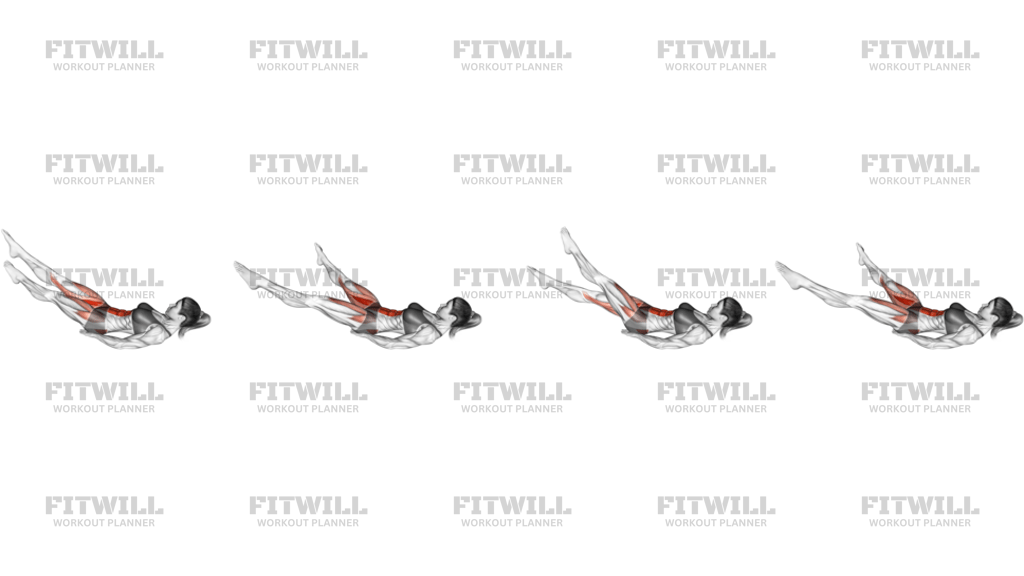
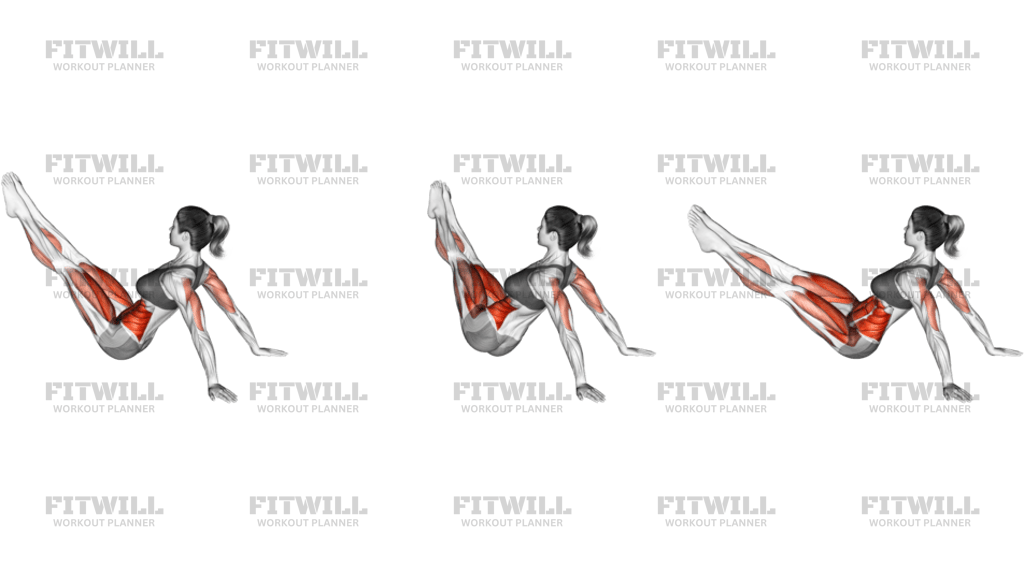
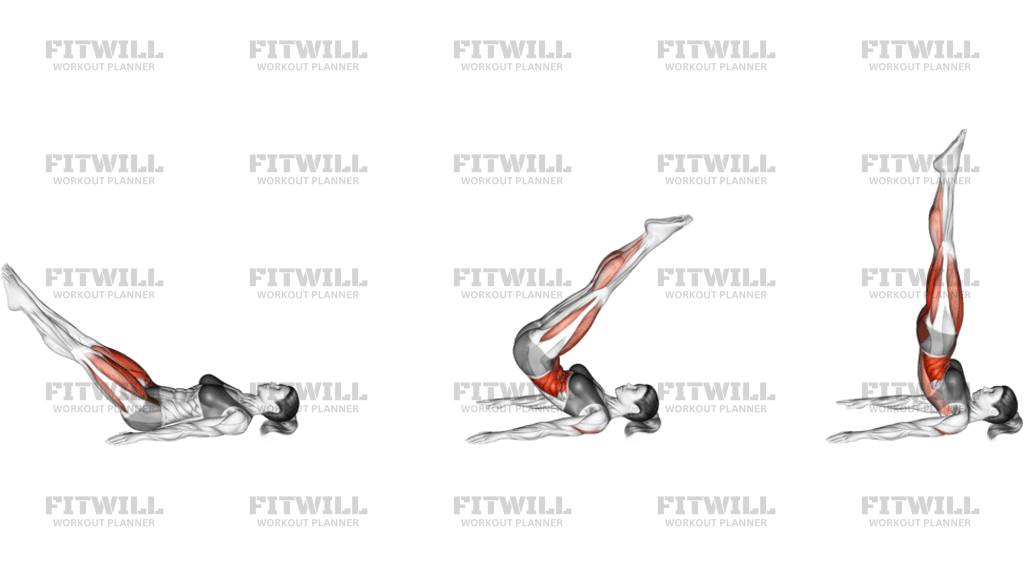
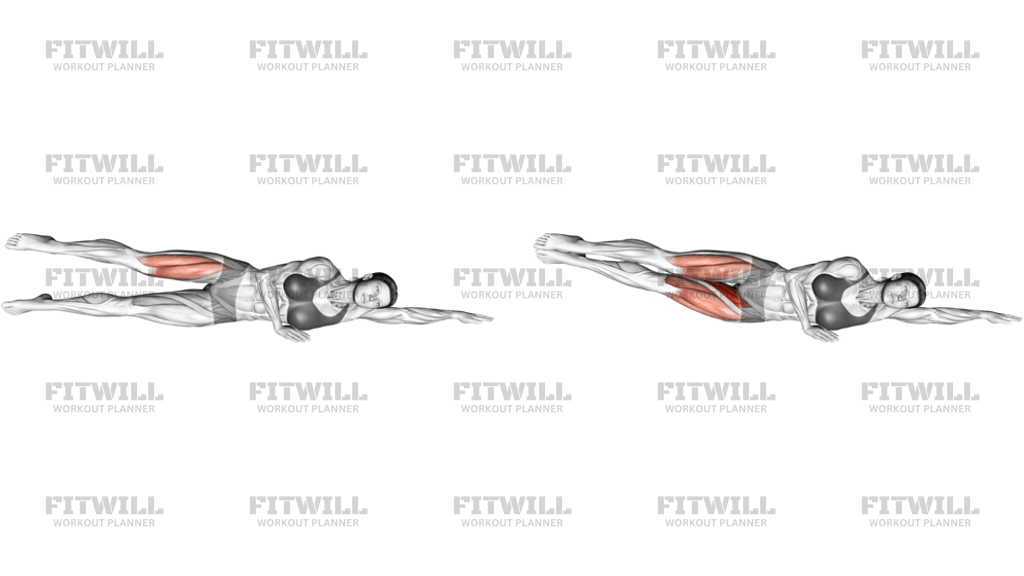
Boomerang
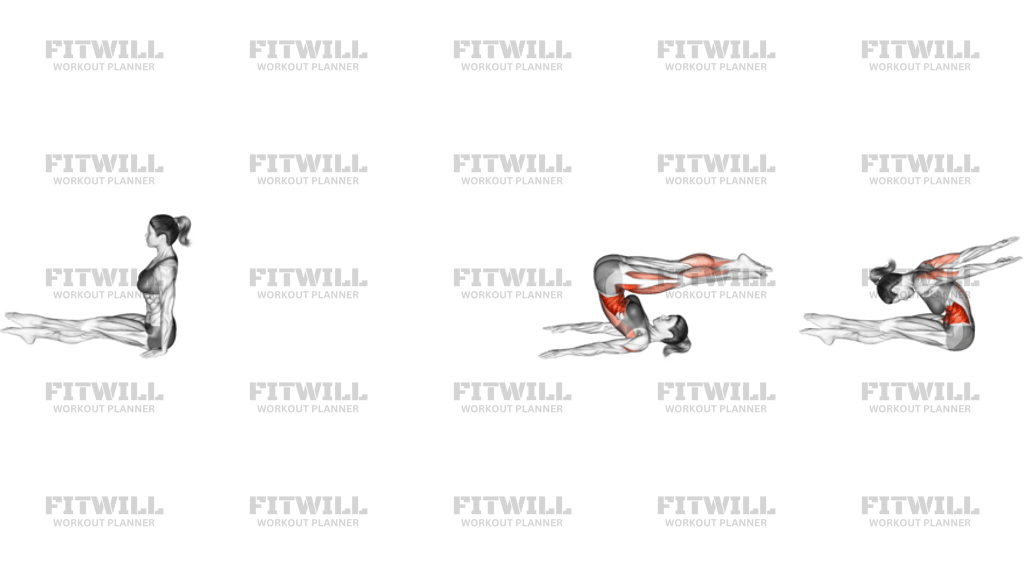
Boomerang is a classical Pilates mat exercise that combines spinal articulation, hamstring length, shoulder stability, and deep trunk control in one continuous sequence. It is usually performed as a bodyweight movement on a mat, with the torso rolling backward, the legs passing overhead, and the body returning to a tall seated balance before finishing in a forward fold or reach. The exercise looks fluid, but the training effect comes from precision: every phase depends on timing, control, and a calm breath pattern.
This movement places a heavy demand on the abdominals, hip flexors, hamstrings, spinal stabilizers, and the muscles around the shoulder girdle. The legs are not just being moved through space; they help create the long lever that makes the core work harder. The shoulders also matter because the arms and upper back must support the transition without collapsing into the neck. If the setup is sloppy, the roll-back becomes chaotic and the return loses the clean Pilates line that gives the exercise its value.
Start with the pelvis grounded and the spine lengthened before you initiate the roll. As you move back, keep the ribs knitted and the neck long so the body folds through the spine rather than dropping into the head or swinging through momentum. The overhead position should feel controlled, not forced, and the transition back to seated should stay smooth enough that you can hold the shape without jerking the legs or flaring the ribs.
Boomerang is usually used in advanced Pilates mat work or in sessions that emphasize coordination, core endurance, and hamstring mobility under control. It is less about raw strength than about organizing the body through a demanding range of motion. If you cannot maintain a calm neck, a stable pelvis, and a smooth return to seated balance, reduce the range or regress to simpler roll-over and teaser patterns first. Done well, the exercise feels elegant, long, and controlled rather than rushed or unstable.
[ Workout Log & Planner ]
Put your next workout in Fitwill
Keep your plan and training log ready when you are.


Instructions
- Sit tall on a mat with both legs extended long in front of you and your hands lightly braced on the floor beside your hips.
- Lift through the crown of your head, keep your shoulders down, and lengthen the spine before the first rep begins.
- Exhale and roll the pelvis backward as you tuck the chin slightly and let the spine peel down toward the mat.
- Continue the roll until the legs travel overhead and the feet reach toward the floor behind you with control.
- Keep the ribs drawn in and the neck relaxed so the weight stays on the shoulders and upper back, not on the head.
- Pause briefly in the overhead position, then inhale as you reverse the path and sweep the legs back through the center line.
- Articulate back up to a balanced seated position, opening the chest as the torso returns upright.
- Finish the sequence by lengthening forward with control, then reset tall before starting the next rep.
Tips & Tricks
- Think of the exercise as a rolling sequence, not a kick-over; the legs should move because the spine and trunk are organizing the motion.
- If the feet cannot reach the floor behind you without neck strain, shorten the range instead of throwing the legs overhead.
- Keep the hands active on the mat during the roll so they guide the transition without yanking the shoulders forward.
- Maintain a long neck with a slight chin tuck on the way back to avoid loading the cervical spine.
- When you come forward, keep the ribs closed so the return feels like control through the abdominals, not a collapse into the hips.
- Bend the knees a little if tight hamstrings make the shape jerky or if the lower back starts to arch.
- Use a slow, even tempo and avoid extra speed at the top of the movement, where the control challenge is highest.
- Stop the set if you feel pressure in the neck, pinching in the lower back, or a loss of shoulder support.
Frequently Asked Questions
What does Boomerang train most?
It mainly trains the abdominals, spinal stabilizers, hamstrings, hip flexors, and shoulder girdle control.
Is Boomerang a beginner Pilates exercise?
Usually no. It is an advanced mat exercise, and most beginners should build up with roll-over and teaser variations first.
What should the starting position feel like?
You should feel tall through the spine, grounded through the sitting bones, and ready to roll without collapsing through the chest.
Why does my neck get sore during the roll-over part?
That usually means the legs are moving faster than the trunk can control. Shorten the range and keep more weight on the shoulders and upper back.
Should my feet touch the floor behind me?
Only if you can do it without forcing the neck or losing abdominal control. A smaller overhead range is better than a strained reach.
Can I bend my knees in Boomerang?
Yes. A soft knee bend can make the transition safer if your hamstrings are tight or if the full lever is too hard to control.
What is the hardest part of the movement?
The transition back into a balanced seated position is usually the hardest because it demands core control while the legs are still long and heavy.
How should I breathe through the sequence?
Exhale to roll back, stay calm through the overhead position, then inhale or exhale smoothly as you reverse to seated without holding your breath.