Curl-Up
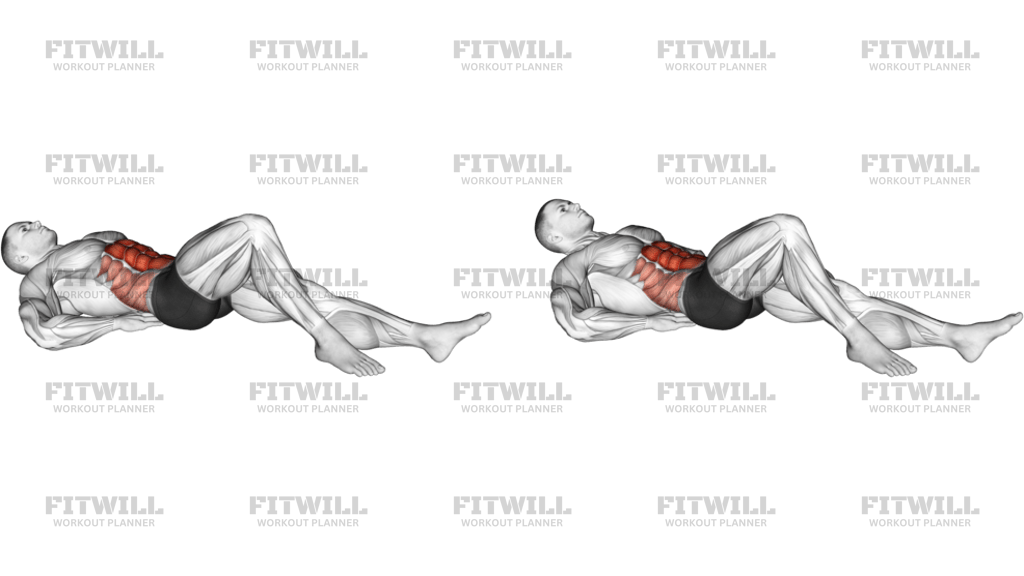
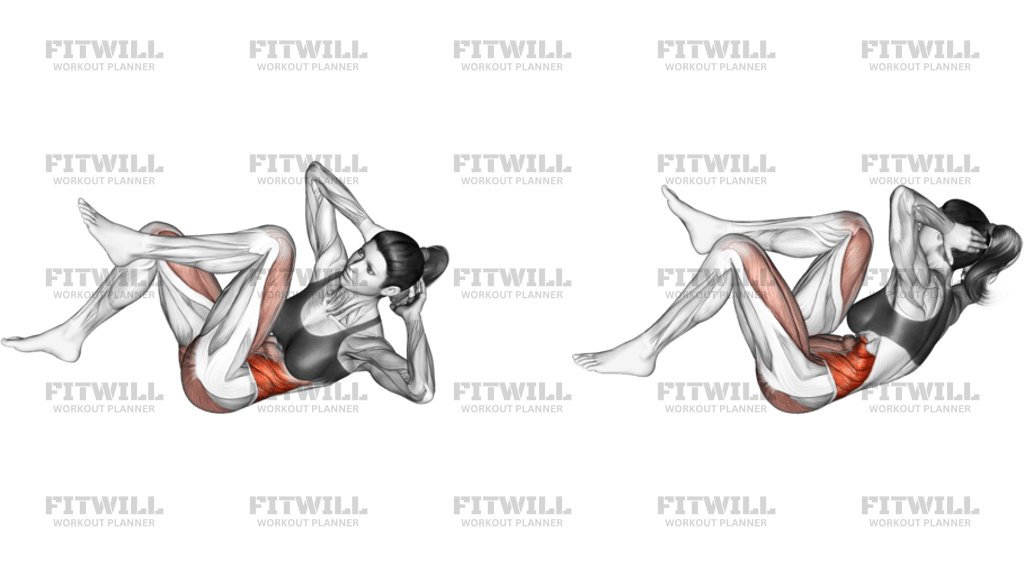
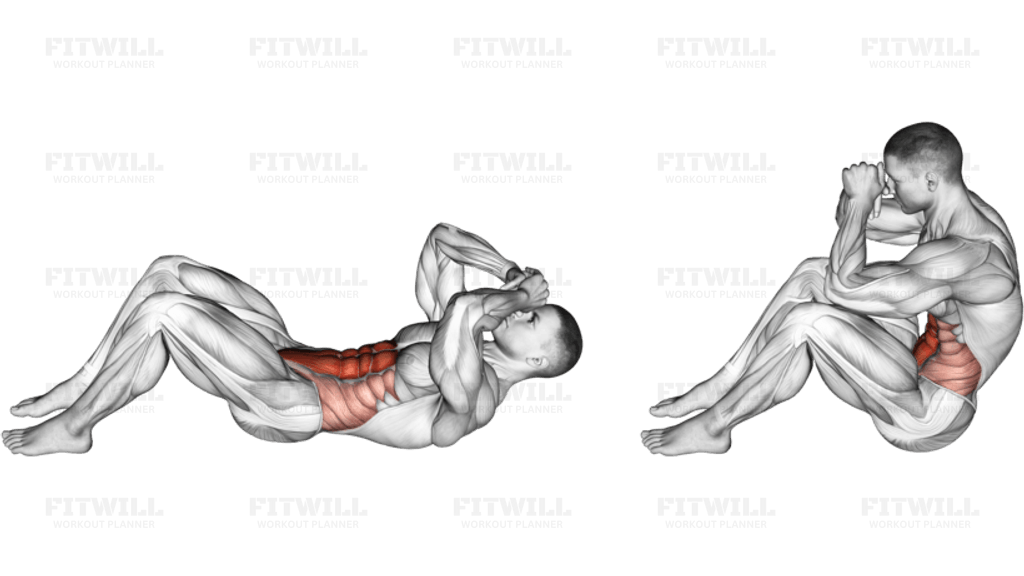
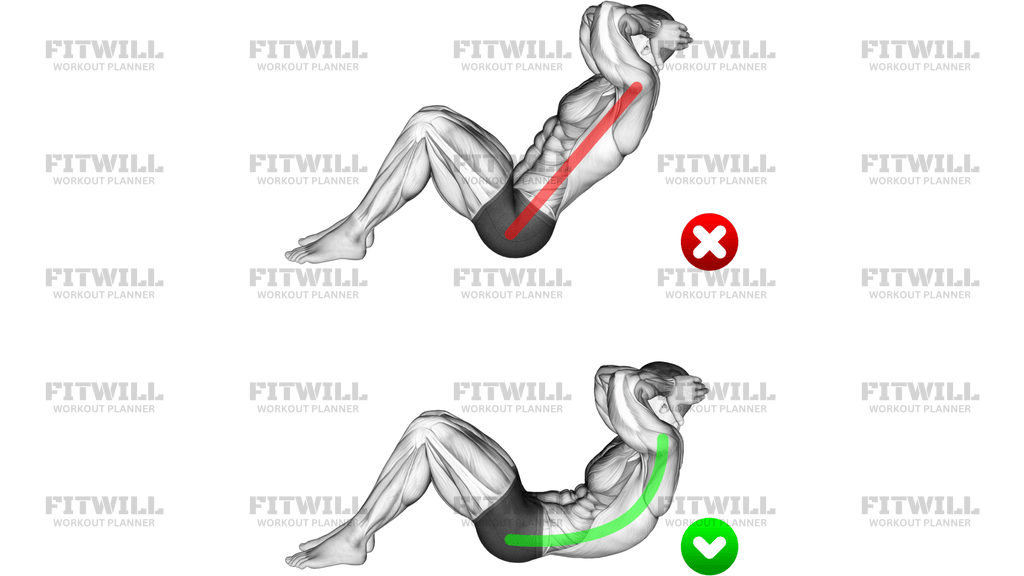
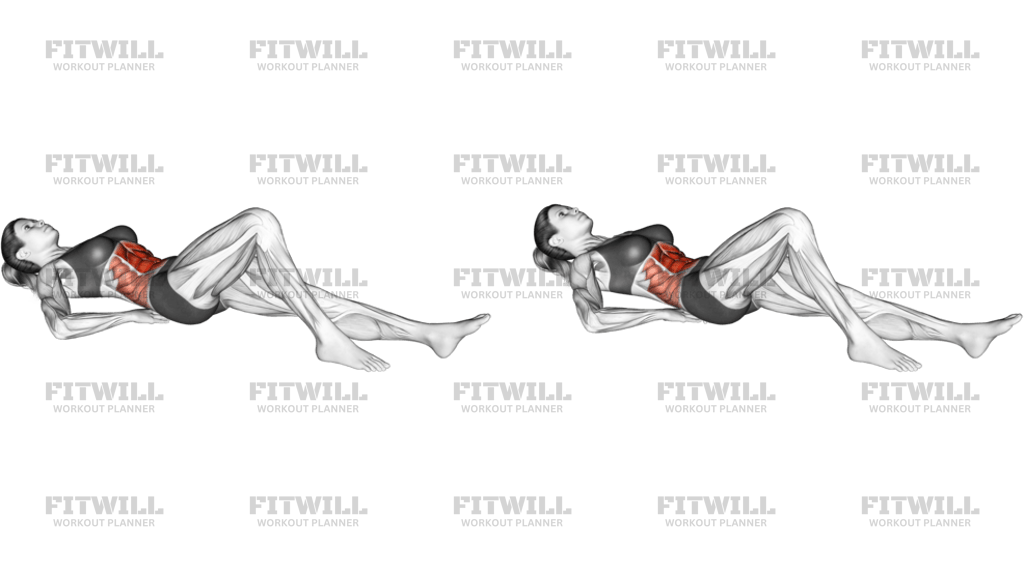
Curl-Up is a floor-based abdominal exercise that uses body weight and a short, controlled trunk flexion to train the front of the core without turning the movement into a full sit-up. In the image, the lifter is lying on the floor with the knees bent and the torso already set in a compact position, which is exactly why this exercise rewards setup: the pelvis, ribs, and head position decide whether the abs do the work or whether the hips and neck take over.
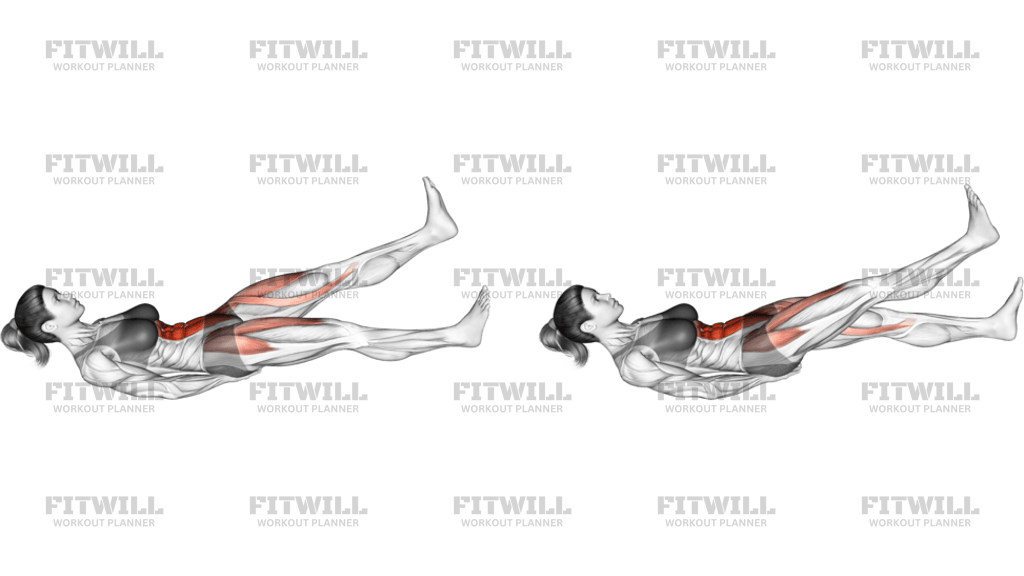
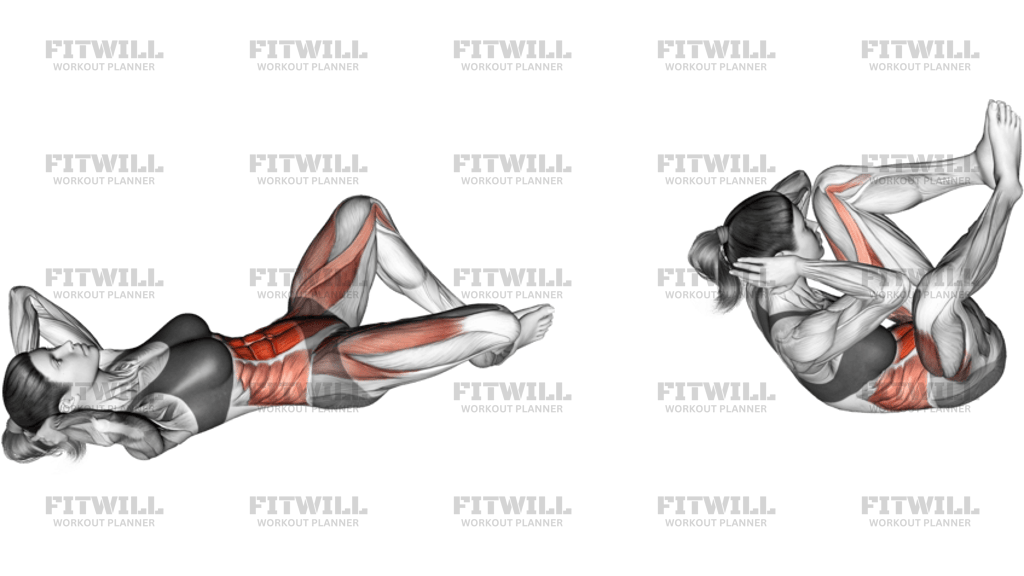
The primary emphasis is the rectus abdominis, with the obliques, iliopsoas, and transversus abdominis helping stabilize the trunk and control the curl. That makes Curl-Up useful for direct ab work, warm-ups before heavier lifting, and core circuits where you want clean flexion rather than fast repetitions. The movement should feel like the rib cage is closing toward the pelvis, not like you are throwing the shoulders forward or yanking the head up.
A good rep starts from a stable floor setup. Lie on your back, bend the knees, and keep the feet planted while the lower back stays in contact with the floor. From there, brace the midsection, tuck the chin slightly, and lift the shoulder blades just enough to shorten the front of the torso. The range is intentionally short: once the abs are fully shortened, stop the lift and avoid chasing extra height by pulling with the neck or hip flexors.
On the way down, lower the shoulders and upper back under control until you are back in the starting position with tension still in the abs. Exhale as you curl up and inhale on the return, keeping the breath smooth instead of holding it through the whole set. Curl-Up works best when the reps look the same from start to finish, with no jerking, no leg drive, and no loss of pelvic control.
Use this exercise when you want a simple, low-skill abdominal movement that is easy to load with time under tension, rep quality, or a slower tempo rather than external weight. It is also a good choice for beginners because the range is small and the setup is straightforward, but the exercise still demands discipline. If the neck gets tight, the hips start to dominate, or the shoulders are rocketing off the floor, the rep is too aggressive and should be scaled back.
[ Workout Log & Planner ]
Put your next workout in Fitwill
Keep your plan and training log ready when you are.


Instructions
- Lie on your back on the floor with your knees bent and your feet planted so your lower back stays in contact with the ground.
- Set your arms in the same position shown in the image and keep your shoulders relaxed before each rep.
- Tuck your chin slightly so the back of your neck stays long instead of jutting forward.
- Brace your abs as if you are preparing for a small punch to the stomach.
- Exhale and curl your head, neck, and shoulder blades off the floor in one smooth motion.
- Lift only until your upper back clears the floor and your abs feel fully shortened.
- Pause briefly at the top without pulling harder with the neck or swinging the torso.
- Inhale as you lower your shoulders and upper back back to the floor under control.
- Reset your brace before the next rep and repeat for the planned number of repetitions.
Tips & Tricks
- Keep the movement small; this is a curl-up, not a full sit-up.
- If your hips start to pop or your feet drive hard into the floor, shorten the range.
- Your chin should stay slightly tucked so the neck does not lead the rep.
- The shoulders should rise together instead of one side twisting ahead of the other.
- A slow lowering phase makes the abs work harder than a fast drop back down.
- Keep the lower ribs from flaring up as you curl so the trunk stays organized.
- If the low back arches off the floor, reset the starting position before continuing.
- Stop the set when you can no longer lift and lower with the same short, clean path.
Frequently Asked Questions
What muscle does Curl-Up target most?
The rectus abdominis is the main mover, with the obliques and deep core muscles helping stabilize the trunk.
Can beginners perform this exercise?
Yes. The short range and floor setup make it beginner-friendly as long as the neck stays relaxed and the lift stays small.
Where should my feet be during a Curl-Up?
Keep your feet planted on the floor with the knees bent so the torso can curl without turning into a leg-driven movement.
How high should my shoulders come off the floor?
Only high enough for the shoulder blades to clear the floor. If you are trying to sit all the way up, the rep has become too large.
Why does my neck feel tight during Curl-Up?
Usually the head is leading the rep. Keep a light chin tuck and let the abs lift the torso instead of pulling forward with the neck.
Is Curl-Up the same as a sit-up?
No. A curl-up uses a shorter range and a smaller trunk lift, which keeps the focus on the abs rather than the hip flexors.
What should I do if my hips take over?
Reduce the range, slow the lowering phase, and keep the pelvis quiet so the abs stay in charge of the movement.
How can I make Curl-Up harder without adding weight?
Use a slower eccentric, add a brief pause at the top, or keep every rep identical with less rest between repetitions.