Potty Squat
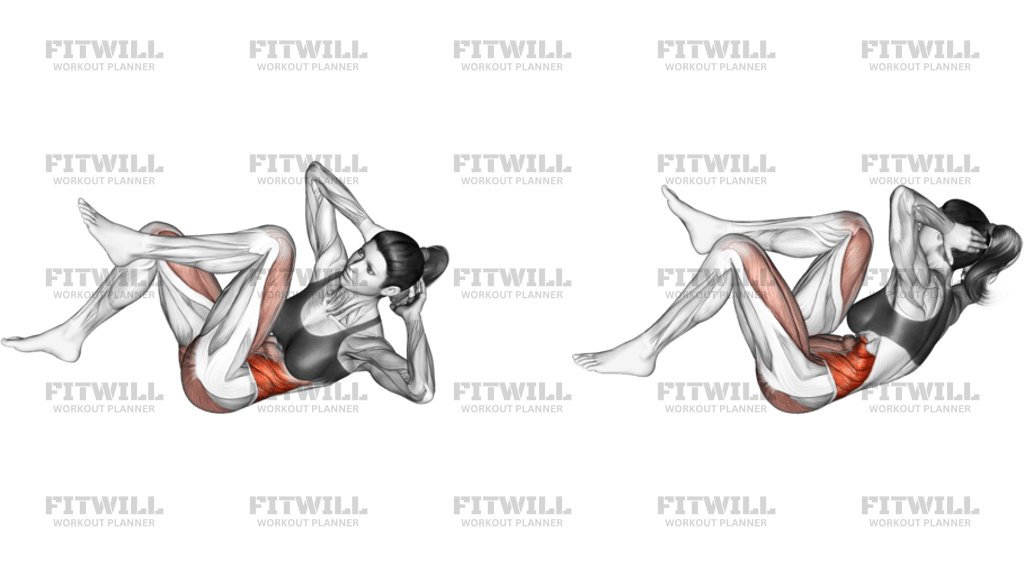
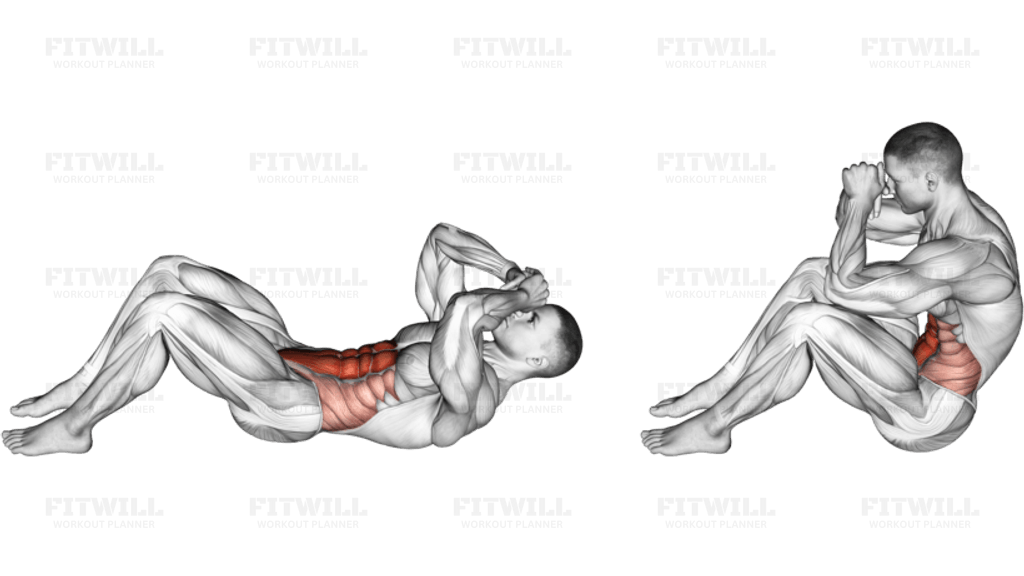
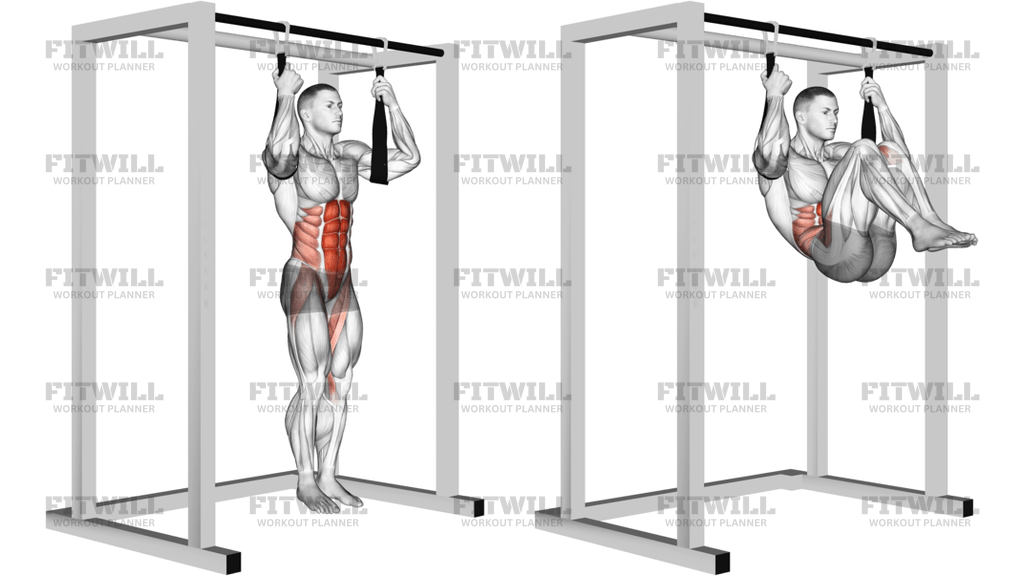
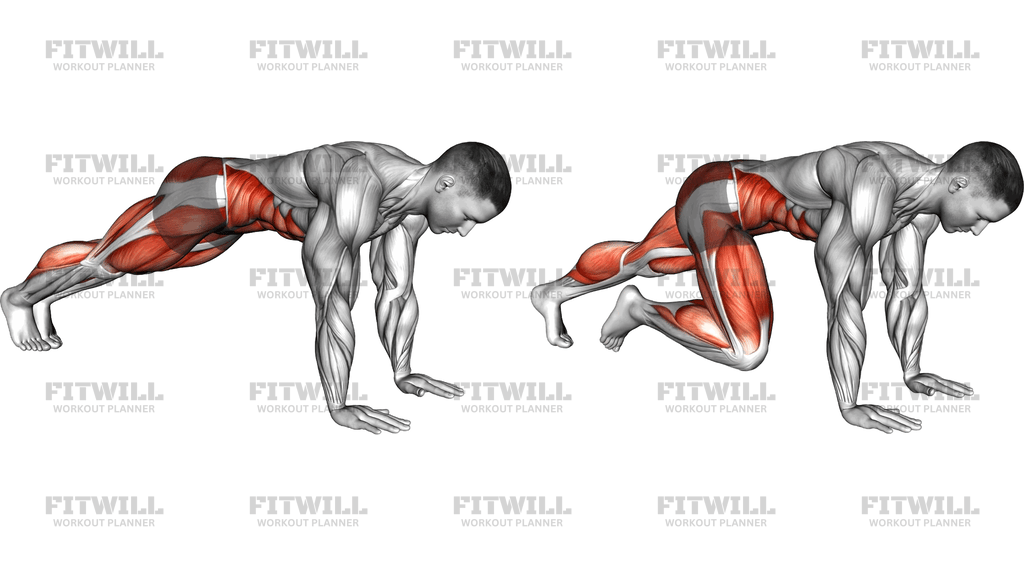
Potty Squat is a bodyweight squat variation built around a controlled sit-down and stand-up pattern. The name sounds playful, but the exercise itself is about keeping the torso stacked, the feet grounded, and the hips moving through a clean squat path without losing balance or letting the lower back take over. It is a useful bodyweight drill when you want to train core control, hip coordination, and squat mechanics together.
The main emphasis is the abs, with the obliques, hip flexors, and deeper core muscles helping you stay braced while the hips and knees flex. In anatomy terms, the Rectus abdominis does most of the visible work, while the External obliques, Iliopsoas, and Transversus abdominis help stabilize the pelvis and keep the trunk from collapsing forward. Because the load is your own body weight, the quality of the positions matters more than speed or repetition count.
A good rep starts before you descend. Set your feet flat, spread the floor with your toes, and build tension through the middle of the foot and heel. Keep the chest tall enough to stay organized, but do not over-arch the lower back. As you lower, let the knees track with the toes and keep the pelvis under control so the squat stays smooth instead of folding into a collapse at the bottom.
At the deepest position, the goal is control, not an exaggerated range. Hold briefly if you can keep the heels down and the spine neutral, then drive back to standing by pushing the floor away and exhaling through the effort. If balance starts to drift, shorten the depth before the next rep instead of forcing a deeper position. That keeps the exercise useful for beginners and still challenging for advanced trainees.
Potty Squat fits well as a warmup, a movement quality drill, or a light accessory exercise inside a lower-body or core-focused session. It is especially useful when you want to reinforce upright squat mechanics, ankle and hip control, and trunk stability without adding external load. The best version of the exercise looks calm and deliberate from the first rep to the last.
Fitwill
Log Workouts, Track Progress & Build Strength.
Achieve more with Fitwill: explore over 9600 exercises with images and videos, access built-in and custom workouts, perfect for both gym and home sessions, and see real results.
Start your journey. Download today!




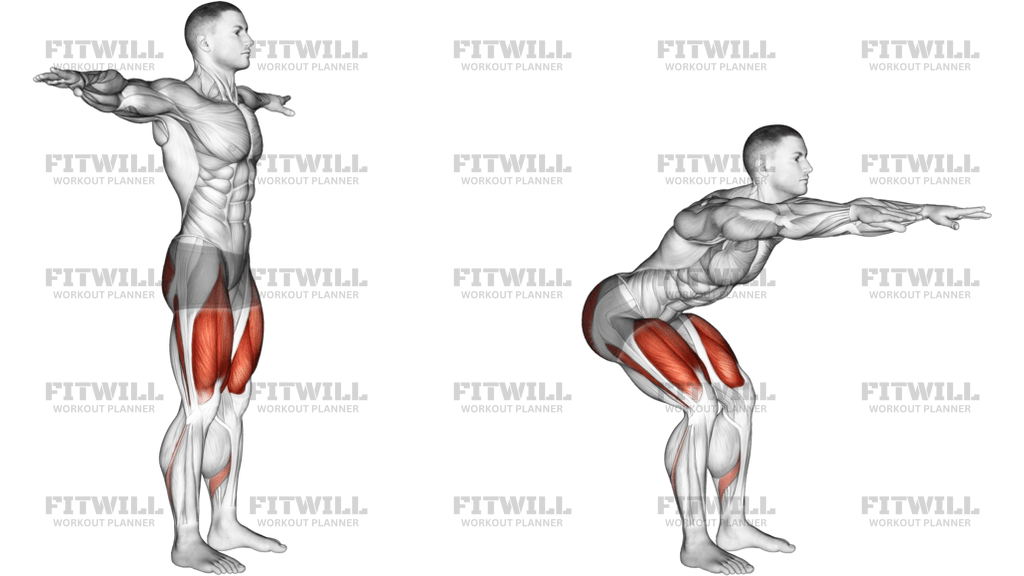
Instructions
- Stand with your feet about shoulder-width apart, toes turned slightly out, and your weight spread across the whole foot.
- Bring your arms forward for balance, keep your chest tall, and brace your abs before you start descending.
- Sit your hips back and down together, letting the knees bend and track over the toes instead of caving inward.
- Lower until you reach the deepest squat you can control without lifting the heels or rounding the lower back.
- Hold the bottom briefly if you can keep the torso stacked and the knees stable.
- Drive through the mid-foot and heels to stand back up while exhaling through the effort.
- Finish tall with the ribs stacked over the pelvis instead of leaning back at the top.
- Reset your stance and repeat for the planned number of reps.
Tips & Tricks
- Keep pressure on the whole foot; if the heels pop up, cut the depth slightly and make the descent slower.
- Think about sitting between your hips rather than simply folding at the waist.
- Let the knees travel over the toes, but stop them from collapsing inward as you stand.
- Use your arms as a counterbalance if the torso wants to tip forward at the bottom.
- Pause for a moment in the deepest position only if you can keep the pelvis and lower back stable.
- Exhale as you drive up so the brace does not disappear halfway through the rep.
- A slower lowering phase makes the abs work harder to control the pelvis and trunk.
- Stop the set when your spine starts to round or the movement turns into a bounce.
- Choose depth based on control, not on how low you think a squat is supposed to look.
Frequently Asked Questions
What muscle does Potty Squat target most?
The abs are the primary focus, with the obliques and deeper core muscles helping you stay braced through the squat.
Can beginners perform this exercise?
Yes. Beginners should stay in a smaller squat range first and only go as deep as they can without losing heel contact or trunk control.
How should my feet be positioned in Potty Squat?
Start about shoulder-width apart with the toes slightly turned out and the weight spread across the heel, big toe, and little toe.
What is the most common mistake in the bottom position?
Letting the lower back round or the heels lift is the biggest problem. If that happens, shorten the range and rebuild the squat with more control.
Should I hold the squat or keep moving?
Either can work, but the rep should stay controlled. A short pause at the bottom is useful only if you can keep the torso stacked and the knees stable.
Why does this exercise train the core if it is a squat?
The trunk has to resist forward collapse and pelvic tilt while the hips and knees bend, so the abs work hard to keep the position organized.
What should I do if my heels come off the floor?
Reduce the depth, widen the stance slightly, or slow the descent. Heel lift usually means the squat is deeper than your mobility or control allows right now.
Is Potty Squat more of a strength drill or a mobility drill?
It sits between both. The squat pattern builds bodyweight strength and trunk control while also improving comfort in a deeper hip and ankle position.