Body Type
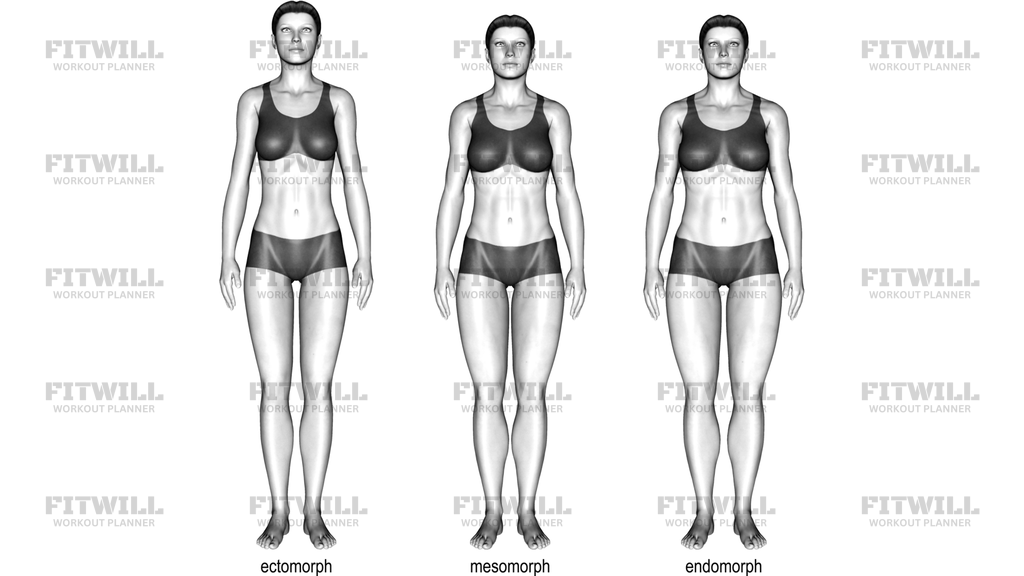
Body Type is a somatotype reference rather than a movement drill. The image shows the three classic body shapes often used in fitness discussions: ectomorph, mesomorph, and endomorph. Each silhouette highlights a different overall frame, not a better or worse physique, and the value of the category is in helping you describe broad trends in build, muscle gain, and fat distribution.
This label is most useful when you want a simple starting point for programming, nutrition, or physique assessment. A person with a narrower frame and less natural mass may sit closer to the ectomorph end, someone with a naturally muscular, balanced build may resemble the mesomorph shape, and someone who carries more fullness through the torso and limbs may look closer to the endomorph shape. Most real people sit between two categories, so the goal is to identify the dominant pattern, not force a perfect match.
Body Type should be read with relaxed posture, consistent lighting, and a neutral stance. Standing tall, comparing shoulder width to waist width, and noticing how easily mass is gained or lost will tell you more than a single snapshot. The image is a guide for visual comparison, but the practical use comes from pairing that visual impression with measurements, training history, and how your body responds over time.
Use this reference as a planning tool, not as a limit. A body type label can help you choose a realistic starting point for volume, calorie intake, and rate of progression, but it should not replace actual performance or body-composition data. The most useful approach is to treat the category as a shorthand for tendencies, then adjust based on strength gains, recovery, measurements, and how consistently you can build the physique you want.
If you are using Body Type for yourself or a client, treat it as a conversation starter. The category can explain why one person seems to add size quickly while another stays lean with very little effort, but it should never become an excuse for low expectations or a rigid identity. Good coaching uses the label to guide the starting plan, then lets the real-world response to training and food decide the next adjustment.
[ Workout Log & Planner ]
Put your next workout in Fitwill
Keep your plan and training log ready when you are.


Instructions
- Stand relaxed in front of a mirror or take a clear front-facing photo with your feet about hip-width apart and your arms hanging naturally at your sides.
- Compare your shoulder width, waist taper, hip width, and overall frame without sucking in your stomach or flaring your chest.
- Look at your limb length and how much space you carry between your joints, since long, narrow lines often read differently from compact, thick ones.
- Decide whether the frame looks closest to ectomorph, mesomorph, or endomorph based on the dominant shape rather than one isolated feature.
- If your build sits between two categories, note the primary and secondary type instead of forcing a single label.
- Check the same pose from the side to see whether the torso looks straight, naturally full, or strongly tapered through the midsection.
- Use the body type label to choose a practical training and nutrition starting point, then compare it with your actual progress over several weeks.
- Reassess after a training block, weight change, or body-composition shift so the label stays useful instead of static.
Tips & Tricks
- Judge the whole frame, not just the waist or shoulders, because a single feature can make the label misleading.
- Posture changes the look of every somatotype, so stand tall with your ribs stacked over your pelvis before deciding.
- Most people are hybrids; a mostly mesomorphic frame with some endomorphic traits is more common than a pure category.
- Use the image as a comparison guide, not a strict mold, because real bodies rarely match one silhouette exactly.
- If you are assessing yourself after a workout, wait until the pump and temporary swelling settle down.
- For coaching purposes, pair the body type label with waist measurement, bodyweight, and progress photos.
- An ectomorph-style frame may need more total food and less emphasis on endless conditioning to add size.
- A mesomorph-style frame usually responds well to steady strength work, while an endomorph-style frame benefits from tighter calorie control and consistent activity.
Frequently Asked Questions
What is Body Type?
Body Type is a simple somatotype reference that groups common physiques into ectomorph, mesomorph, and endomorph patterns.
How do I tell whether my Body Type is ectomorph, mesomorph, or endomorph?
Compare your shoulder width, waist taper, limb length, and how easily you gain muscle or body fat. Pick the category that best matches your overall frame, not just one feature.
Can I be more than one Body Type?
Yes. Most people are a blend, such as ecto-mesomorph or meso-endomorph, so a mixed label is often more accurate than a pure category.
Is Body Type the same as body fat?
No. Body type describes overall frame and physique tendencies, while body fat is a separate measurement that can change significantly with diet and training.
Does Body Type determine how I should train?
It can suggest a starting point, but it should not override your goals, recovery, or performance. Use it as a guide for programming, not a rule.
Can beginners use Body Type to plan workouts?
Yes. It is a useful reference for choosing a realistic starting volume, calorie target, and progression style while you learn how your body responds.
Why does the image show three different figures?
The three figures illustrate the classic ectomorph, mesomorph, and endomorph silhouettes so you can compare your own frame against the broad categories.
Can Body Type change over time?
Your visual shape can shift with muscle gain, fat loss, aging, and training history, so it is worth reassessing periodically instead of treating the label as permanent.